The Classic Filipino Chicken and Pork Adobo
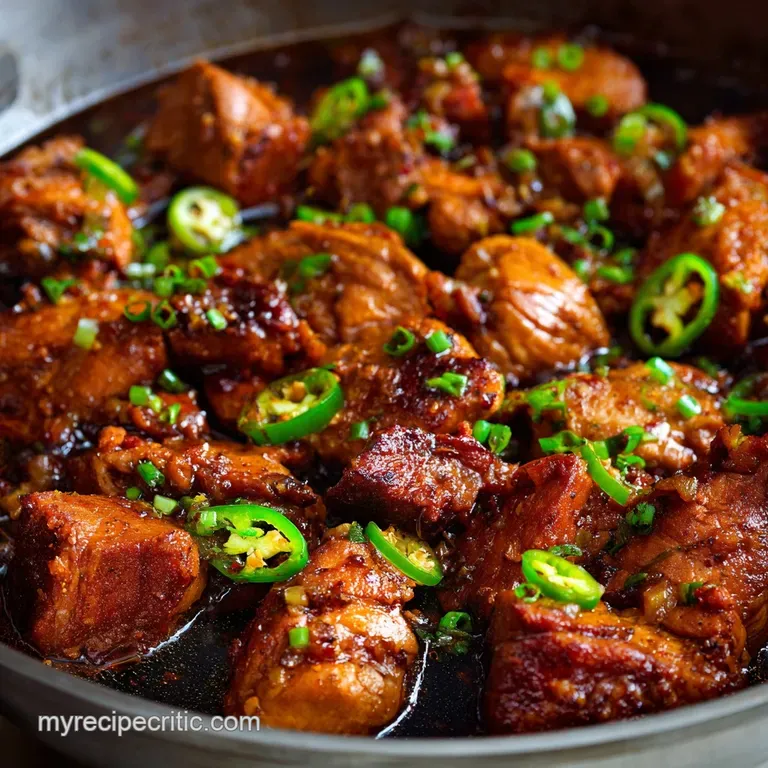
The Alchemy of Salt and Sour: Unpacking Filipino Adobo
Defining the Filipino Adobo Concept (It's Not a Rub!)
I remember the first time I explained to an American friend that Adobo wasn't a powdered spice blend; their mind was completely blown by the revelation. Filipino Adobo is the ultimate national dish, built upon the ancient technique of preserving meat through vinegar and salt.
The resulting adobo sauce is profoundly simple yet incredibly complex, relying on only a handful of ingredients for its deep, savory flavor profile. When this dish is simmering on my stove, the rich, vinegary aroma instantly fills my whole kitchen with comfort.
Why Chicken and Pork is the Ultimate Adobo Combination
Combining pork and chicken in this specific adobo recipe provides a phenomenal textural contrast that a single protein simply can't match. The pork shoulder, or baboy , renders delicious fat and achieves a melt-in-your mouth tenderness through slow braising.
Meanwhile, the adobo chicken , specifically the bone-in thighs, holds its shape perfectly and absorbs the tangy liquid beautifully. This marriage ensures every spoonful of rice is coated in savory richness cut through by the sharp, pleasant sourness.
The Three Foundational Flavors of Traditional Braising
The true secret to the complexity of this dish lies in balancing three primary tastes: salty, sour, and savory richness. Soy sauce delivers the necessary umami and saltiness, which is immediately balanced by the sharp tang of white vinegar.
During the long simmer, the fat rendered from the pork and chicken emulsifies with the liquid, creating that signature glossy sheen. This delicate dance of flavor is what makes the final adobo sauce so irresistible and deeply satisfying.
Assembling Your Adobo Arsenal: Essential Ingredients and Tools
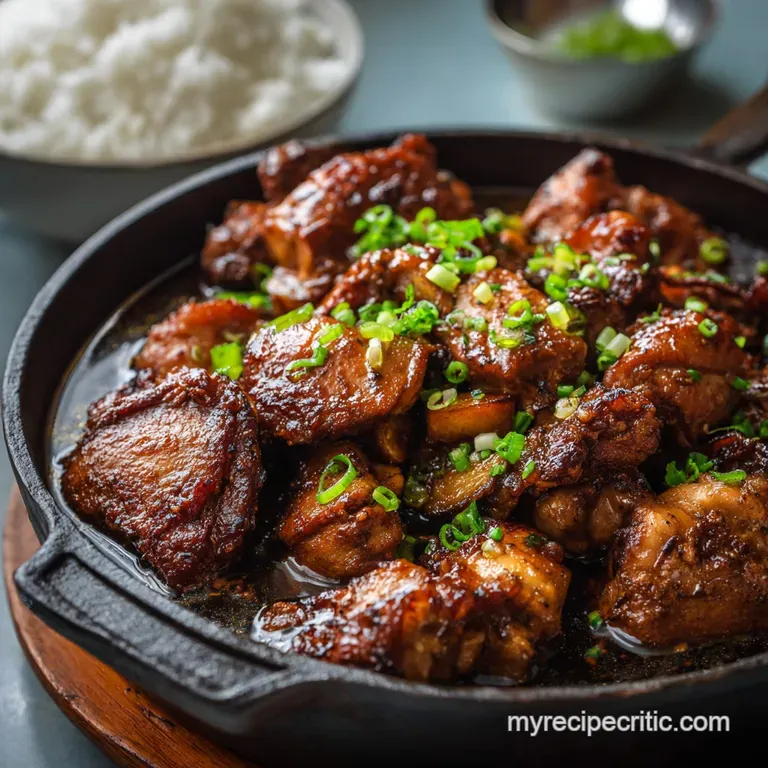
Sourcing the Authentic Soy Sauce and Vinegar Base
Selecting the right ingredients forms the bedrock of a fantastic adobo recipe . I always recommend using a high-quality, all-purpose soy sauce, as its flavor forms the dominant salty profile of the dish.
For the critical sour note, use white distilled vinegar or Filipino cane vinegar; we need that high acidity to stand up to the richness of the meat and fat. If the base liquid isn't perfectly balanced here, the entire final glaze will taste flat and disappointing.
Preparing the Proteins: Best Cuts for Adobong Baboy at Manok
For the best texture in your adobo chicken recipe , bone-in, skin-on thighs are non-negotiable. The bone adds essential collagen to the braising liquid, enhancing the mouthfeel of the final sauce.
For the pork component, using pork belly or shoulder cut into generous 1 inch cubes ensures they can handle the long simmer without disintegrating completely. The goal is fork tender protein that still maintains a wonderful structure and delicious chew.
The Role of Aromatics: Garlic, Peppercorns, and Bay Leaves
While simple, the aromatics are what truly elevate the depth of flavor in the adobo sauce . We need a heavy hand with the garlic, using 10 to 12 cloves that are lightly smashed but left whole to infuse slowly without burning.
Crucially, whole black peppercorns release a warm, complex heat over time, far superior to the quick, sharp bite of pre-ground pepper. The bay leaves add a subtle, herbaceous backbone that rounds out the intense salt and sour elements into something truly harmonious.
Necessary Cookware for Perfect Tenderizing
A heavy bottomed pot or a Dutch oven is your most critical tool when making traditional Adobo . These materials excel at retaining heat, ensuring the gentle, even simmer required for maximum tenderizing.
Uneven heat can cause the bottom layer to scorch, ruining the deep savory flavor we are trying to achieve. Using a deep pot also provides enough surface area for the sauce to reduce properly without splattering all over your stove during the glazing stage.
Mastering the Braise: step-by-step Adobo Cooking Protocol
Marinating the Meats for Maximum Flavor Penetration
To start, combine the pork and chicken pieces with the soy sauce, bay leaves, garlic, and peppercorns but please hold the vinegar for now. Marinating the meat for at least 30 minutes allows the salty soy to begin penetrating the protein fibers before cooking.
A personal trick I swear by is setting this up first thing in the morning; the longer soak results in meat so flavorful, it's absolutely worth the wait.
Initial Searing and Building the Base Sauce
Searing the chicken, skin side down, in a hot pot is essential for rendering fat and building the Maillard reaction. This browning step adds depth of color and incredible, nutty flavor that the final adobo sauce absorbs beautifully.
Once the meat is browned and set aside, you pour the reserved marinade liquid into the pot to deglaze, scraping up all those delicious sticky bits ( fonds ) from the bottom. This process ensures all the cooked flavor becomes part of the final braising liquid.
The Gentle Art of Simmering (Achieving Fall Apart Tenderness)
Now is the moment to introduce the vinegar, pouring it directly into the braising liquid without stirring for the first seven minutes. This essential technique allows the harsh, volatile acidic notes to dissipate safely before they are cooked into the meat.
Then, cover the pot and reduce the heat to a very low simmer for about 30– 35 minutes, transforming tough connective tissues into succulent, fall apart perfection. The gentle bubbling sound during this stage is music to a cook’s ears.
Reducing the Sauce and Serving the Classic Filipino Dish
Once the meat is tender, carefully remove it from the pot so you can focus solely on concentrating the adobo sauce . Turn the heat up to medium high and boil the liquid aggressively until it reduces to a thick, glossy glaze that coats the back of a spoon.
Finally, return the adobo chicken and pork to the pot and gently toss them in this sticky, dark coating. Serving this incredible adobo recipe immediately over hot white rice showcases its rich, beautiful color.
Troubleshooting and Enhancing Your Adobo Experience
Achieving the Perfect Fat-to-Sauce Ratio
Since we use bone-in, skin-on chicken and pork, a significant amount of rich fat will render into your final sauce. If you prefer a lighter finish, simply skim off the excess oil before you begin the final reduction phase.
However, for true traditional Adobo , leaving some fat is critical because it carries the flavor and prevents the highly reduced glaze from tasting overwhelmingly salty. The fat also helps achieve that desirable, ultra glossy finish.
Storing, Freezing, and Reheating Leftover Adobo
Adobo truly belongs to that special category of stews that taste infinitely better the day after they are cooked. The flavors meld completely overnight, making the sauce richer and the meat even more tender.
Store leftovers in an airtight container in the fridge for up to four days, or freeze the whole stew for several months if you double the batch. When reheating, I always add just a splash of water to prevent the thick glaze from sticking and scorching on the bottom of the pan.
Ingredient Swaps: Exploring Variations Beyond Chicken and Pork
The beauty of the adobo sauce is its incredible versatility, allowing it to flavor virtually any protein or vegetable you have on hand. If you're looking to explore different textures, try using squid for a flavorful adobong pusit recipe , which cooks much faster than the dense meats.
For an amazing vegetarian side dish, you can use long beans in an adobong sitaw variation, absorbing the tangy brine wonderfully. These swaps make the concept endlessly adaptable.
| Swap Category | Protein/Vegetable | Recipe Variation |
|---|---|---|
| Seafood | Squid or Prawns | Adobong Pusit |
| Vegetable | Green Beans or Kangkong | Adobong Sitaw |
| Meat | Beef Short Ribs | Hearty Adobo |
Pairing Perfection: What to Serve Alongside this Savory Stew
Since the Adobo itself is so bold and rich, the accompaniment should be simple and neutral, which is why steamed white rice is mandatory for soaking up the amazing sauce. To cut through the intense savory notes, I strongly recommend serving something brightly acidic alongside it.
A simple side salad or Filipino Achar (pickled green papaya) provides that necessary textural crunch and tangy relief.
Expert Tip: For a truly comforting weekend meal, serve your Adobo bowl topped with a freshly fried egg; the runny yolk combines seamlessly with the salty, savory adobo sauce, adding an extra layer of luxurious richness.
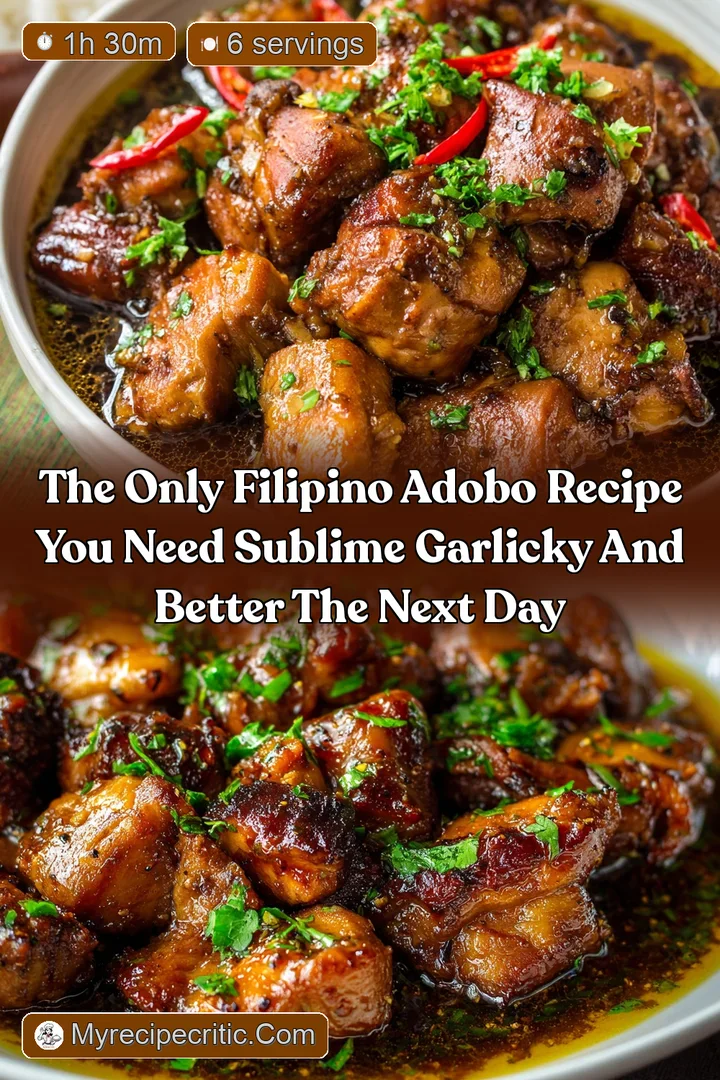
Recipe FAQs
Why can't I stir the Adobo straight away after adding the vinegar?
Patience, mate! You need to let the raw acetic acid mellow out and cook off before incorporating it into the sauce. Stirring too early means the dish will taste overwhelmingly sharp and sour, spoiling the delicate flavour balance.
What cut of pork gives the best results for this Chicken and Pork Adobo recipe?
Pork belly is the absolute winner for ultimate richness and flavour, as the fat melts into the braise and aids in the sauce reduction for a lovely gloss. If you fancy a leaner cut, pork shoulder (butt) provides excellent structure and tenderness once braised.
This recipe is quite salty is there a good way to reduce the sodium content of this Adobo?
Absolutely; switch your standard soy sauce for a low-sodium version or use coconut aminos, but keep a keen eye on the flavour balance. You might need to adjust the final seasoning with a tiny pinch of sea salt, as the meat needs proper seasoning.
How long does Filipino Adobo last, and can I freeze the leftovers?
Adobo is brilliant as a make-ahead dish and keeps well in the fridge for up to five days; like a good curry, the flavour only deepens overnight. It also freezes like a dream for about three months in an airtight container perfect for meal prep!
What's the difference between Filipino Adobo and the Spanish/Mexican version I see in supermarkets?
It's a classic case of same name, different game. Filipino Adobo is fundamentally a cooking process a rich, savory, and sour braise whereas the Spanish/Mexican version typically refers to a dry spice rub or flavour paste.
Filipino Chicken And Pork Adobo
Ingredients:
Instructions:
Nutrition Facts:
| Calories | 1377 kcal |
|---|---|
| Protein | 48.4 g |
| Fat | 34.6 g |
| Carbs | 25.3 g |
| Fiber | 0.9 g |
| Sugar | 1.7 g |
| Sodium | 310 mg |
