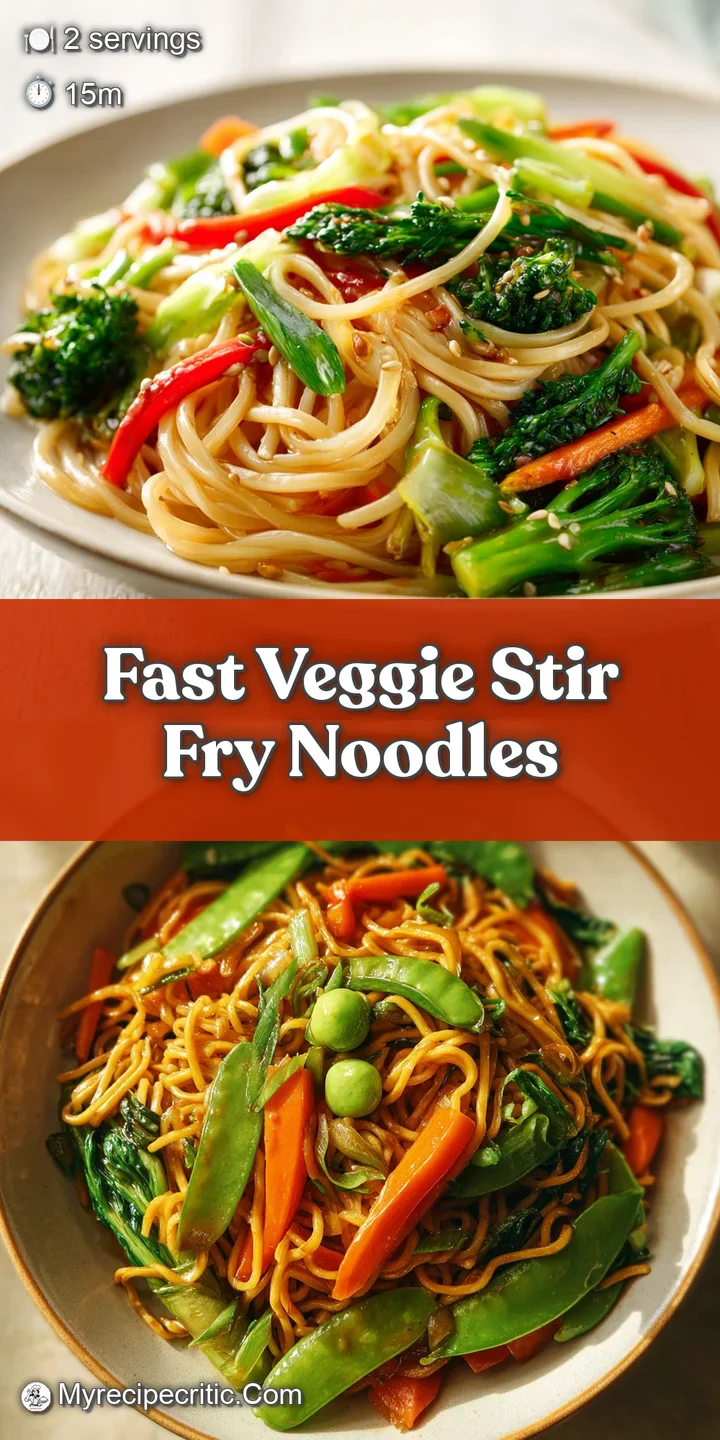
Fast Veggie Stir Fry Noodles: Crisp & Savory
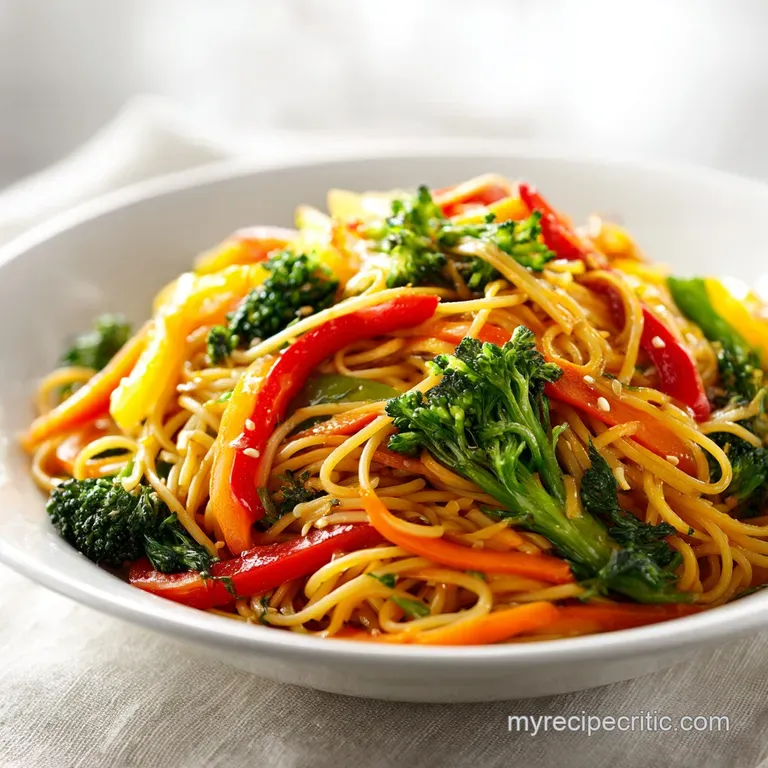
- Time: Active 10 mins, Passive 5 mins, Total 15 mins
- Flavor/Texture Hook: Savory umami with velvety, glossy noodles
- Perfect for: Busy weeknights and vegetable drawer clean outs
- Crafting the Best Fast Veggie Stir Fry Noodles Ever
- Why This Kitchen Technique Actually Delivers Results
- Understanding the Core Specifications of Your Meal
- Selecting the Essential Elements for Your Flavor Base
- Minimalist Kitchen Tools Required for Maximum Efficiency
- Executing the Heat Intensive Cooking Process Step By Step
- Professional Techniques to Avoid Common Sogginess Pitfalls
- Creative Ways to Make This Signature Dish Your Own
- Practical Advice for Freezing and Reheating Your Leftovers
- Simple Presentation Strategies for a Restaurant Quality Look
- Very High in Sodium
- Recipe FAQs
- 📝 Recipe Card
Crafting the Best Fast Veggie Stir Fry Noodles Ever
The first time I really nailed this dish, it wasn't because I spent hours over a stove; it was actually because I was late for a movie and had exactly fifteen minutes to feed myself.
I remember the shimmering oil in the pan and that sudden, sharp sizzle as the ginger hit the heat the kind of sound that tells you something good is happening. I threw in whatever was in the crisper drawer, tossed the noodles with a quick sauce, and realized I’d accidentally made something better than the place down the street.
We've all been there, staring at a head of broccoli and a block of tofu, wondering how to make them interesting without a massive cleanup. This Fast Veggie Stir Fry Noodles recipe is my "golden child" for those nights.
It’s all about the contrast: the shatter of a perfectly seared piece of tofu against the silky, supple texture of rice noodles. You don't need a fancy wok or a high Btu burner to get that restaurant style finish; you just need to understand how to manage your heat and your timing.
Trust me, once you see how the dark soy sauce coats every strand in a mahogany glaze, you'll never go back to the soggy, pale versions. We're going to use minimal tools just a large skillet and a bowl to keep your post dinner life easy.
Let’s get into how we make this happen without breaking a sweat or a single noodle.
Why This Kitchen Technique Actually Delivers Results
- Maillard Reaction Focus: High heat triggers a chemical reaction between amino acids and reducing sugars, creating that signature savory "browned" flavor on the tofu and veggies.
- Starch Gelatinization: The cornstarch in the sauce acts as a bridge, thickening into a velvety coating that clings to the noodles rather than pooling at the bottom of the pan.
- Aromatic Infusion: Adding garlic and ginger at the very last second of the prep phase prevents the sulfur compounds from burning, keeping the flavor bright and punchy.
- Osmotic Balance: Using low sodium soy sauce allows us to control the seasoning levels without the salt drawing too much moisture out of the vegetables, which would cause them to steam instead of fry.
| Method | Time | Texture | Best For |
|---|---|---|---|
| Standard Skillet | 15 mins | Evenly browned | Most home kitchens |
| Cast Iron | 12 mins | Crispy, charred edges | Maximum "wok hei" flavor |
| Non Stick | 15 mins | Softer, delicate | Low oil cooking |
Choosing the right pan is half the battle when you're aiming for that glossy finish. If you use a heavy bottomed skillet, you'll maintain a more consistent temperature when the cold vegetables hit the oil. This prevents the pan temperature from plunging, which is the number one cause of soggy noodles.
Understanding the Core Specifications of Your Meal
| Ingredient | Science Role | Pro Secret |
|---|---|---|
| Rice Noodles (115g) | Complex Carbohydrate | Soak in hot (not boiling) water to prevent them from becoming mushy during the fry. |
| Extra Firm Tofu (200g) | Plant Protein | Pressing out the water allows the surface to "shatter" when it hits the hot oil. |
| Cornstarch (11g total) | Thickener/Crisper | Use it to dust the tofu for a crispy skin and to emulsify the sauce into a silky glaze. |
| Dark Soy Sauce (15ml) | Color and Depth | This provides the rich, dark hue and a slightly molasses like sweetness that light soy sauce lacks. |
While we're talking about ingredients, the foundation of any good stir fry is the sauce. If you’ve ever enjoyed my Vegetable Lo Mein recipe, you know that the balance of salty, sweet, and acidic is everything. In this version, the maple syrup cuts through the salt of the soy, while the rice vinegar adds a necessary brightness that wakes up the earthy broccoli and spinach.
Selecting the Essential Elements for Your Flavor Base
- 4 oz thin rice noodles (115g): Why this? They cook in minutes and absorb the savory sauce like a sponge. (Substitute: Soba or thin spaghetti)
- 7 oz extra firm tofu (200g): Why this? It holds its shape and provides a meaty texture when seared. (Substitute: Tempeh or chickpeas)
- 1 cup broccoli florets (70g): Why this? The "trees" catch the sauce in their nooks and crannies. (Substitute: Cauliflower)
- 1 medium carrot, julienned (60g): Why this? Adds a natural sweetness and a bright pop of color. (Substitute: Red cabbage)
- 1 red bell pepper, thinly sliced (100g): Why this? Provides a crisp tender contrast and vitamin C. (Substitute: Snap peas)
- 2 cups fresh spinach (60g): Why this? Wilts instantly to add bulk and nutrients without extra cook time. (Substitute: Bok choy)
- 2 cloves garlic, minced (6g): Why this? The aromatic backbone of the entire dish. (Substitute: Garlic powder in a pinch)
- 3 tbsp low sodium soy sauce (45ml): Why this? Adds salt and umami without being overwhelming. (Substitute: Tamari for gluten-free)
- 1 tbsp dark soy sauce (15ml): Why this? For that deep, restaurant style caramel color. (Substitute: Extra low sodium soy + 1 tsp molasses)
- 1 tsp toasted sesame oil (5ml): Why this? Adds a nutty, finished aroma to the end of the cook. (Substitute: Peanut oil)
- 1 tbsp rice vinegar (15ml): Why this? Balances the richness with a hit of acidity. (Substitute: Lime juice)
- 1 tsp maple syrup (5g): Why this? A touch of sugar helps with caramelization in the pan. (Substitute: Brown sugar)
- 1 tsp freshly grated ginger (4g): Why this? Provides a zesty heat that pairs perfectly with garlic. (Substitute: 1/4 tsp ground ginger)
- 1 tbsp cornstarch for tofu (8g): Why this? Creates a thin, crispy crust on the tofu cubes. (Substitute: Arrowroot powder)
- 1 tsp cornstarch for sauce (3g): Why this? Ties the liquid ingredients into a cohesive glaze. (Substitute: Tapioca starch)
- 1/2 tsp chili garlic sauce (3g): Why this? For a subtle, warming kick of heat. (Substitute: Sriracha or red pepper flakes)
- 2 tbsp grapeseed oil (30ml): Why this? High smoke point allows for intense searing without burning. (Substitute: Canola or avocado oil)
Minimalist Kitchen Tools Required for Maximum Efficiency
For this recipe, we are sticking to the basics. You really only need one large, heavy bottomed skillet or a frying pan. If you have a cast iron skillet, use it; it holds heat better than anything else. You'll also need a small jar or bowl to whisk the sauce, and a colander for the noodles.
I'm a big fan of "one pan wonders" because who actually wants to spend their evening scrubbing three different pots? Using a single skillet means the flavors from the seared tofu stay in the pan, waiting to be picked up by the vegetables and eventually the noodles.
It’s an efficient way to build layers of taste while keeping your kitchen footprint small.
Executing the Heat Intensive Cooking Process step-by-step
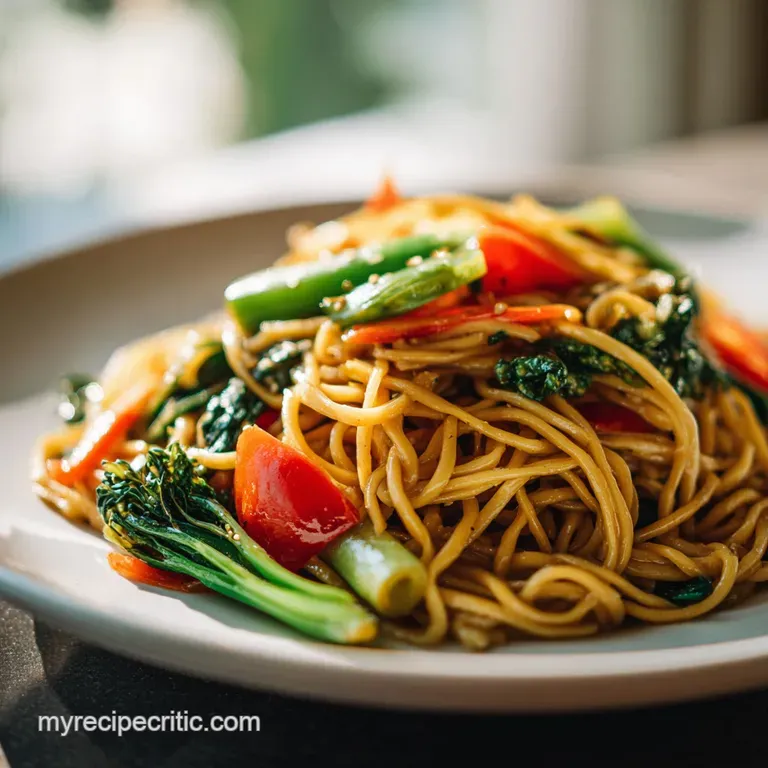
Phase 1 Prep Work
- Prepare the noodles. Soak 115g thin rice noodles in a bowl of very hot water for 5 minutes until pliable but not mushy. Drain and set aside.
- Whisk the sauce. In a small jar, combine 45ml low sodium soy sauce, 15ml dark soy sauce, 15ml rice vinegar, 5g maple syrup, 3g chili garlic sauce, 4g grated ginger, and 3g cornstarch. Note: Whisking the cornstarch into the cold liquid prevents clumps.
- Prep the tofu. Toss 200g cubed tofu in a bowl with 8g cornstarch until every side is evenly chalky.
Phase 2 High Heat
- Sear the protein. Heat 15ml grapeseed oil in a large skillet over medium high heat. Add the tofu and cook for 3-4 minutes, turning occasionally until the edges are golden and crispy. Remove and set aside.
- Fry the aromatics. Add the remaining 15ml oil to the same pan. Toss in 6g minced garlic until it starts to dance and smell fragrant (about 30 seconds).
- Sauté the hard veggies. Add 70g broccoli florets and 60g julienned carrots. Stir fry for 2 minutes until vibrant green and slightly softened.
Phase 3 Final Emulsion
- Add the quick cook veggies. Toss in 100g sliced bell pepper. Stir for 1 minute until just starting to blister.
- Combine. Return the tofu to the pan and add the drained noodles. Note: If the noodles have clumped, give them a quick rinse with cold water before adding.
- Glaze everything. Pour the sauce mixture over the ingredients. Toss vigorously for 1 minute until the sauce bubbles and turns into a thick, glossy coat.
- Finish. Fold in 60g spinach and 5ml toasted sesame oil until the leaves are just wilted. Serve immediately.
Professional Techniques to Avoid Common Sogginess Pitfalls
Preventing Clumping Noodle Issues
Rice noodles are notorious for turning into a giant brick if they sit for too long after soaking. The trick is to soak them in "bath water hot" rather than boiling water. If they are overcooked during the soak, they will disintegrate the moment they hit the pan. If you're looking for more quick meal inspiration, my Veggie Night Dinners recipe uses a similar over high heat technique to keep things crisp.
Avoiding Soggy Vegetable Texture
The most common mistake is overcrowding the pan. When you put too many vegetables in at once, the temperature drops, and they release moisture, effectively "stewing" in their own juices. If your pan isn't large enough, cook the vegetables in two separate batches.
This ensures every piece makes contact with the hot surface for that essential sear.
Achieving Wok Hei Flavor
While you might not have a jet engine burner at home, you can mimic the "breath of the wok" by letting the pan get shimmering hot before adding the oil. Once the oil is in, it should move like water.
Don't be afraid of a little smoke; it's a sign that the Maillard reaction is about to work its magic on your Stir Fry Noodles.
| Problem | Root Cause | Solution |
|---|---|---|
| Gummy Noodles | Over soaked or too much starch | Rinse noodles in cold water after soaking to remove excess surface starch. |
| Bland Flavor | Diluted sauce | Ensure veggies are patted dry after washing so they don't water down the glaze. |
| Burnt Garlic | Added too early | Only sauté garlic for 30 seconds before adding the next ingredient. |
Common Mistakes Checklist
- ✓ Don't use "silken" tofu; it will fall apart and turn the dish into a scramble.
- ✓ Avoid using regular soy sauce if you don't have low sodium; the dish will be too salty.
- ✓ Never skip the cornstarch on the tofu; it’s the secret to that "shatter" crunch.
- ✓ Don't walk away from the pan stir fry requires constant movement.
- ✓ Press the tofu for at least 10 minutes to ensure a crispy exterior.
Creative Ways to Make This Signature Dish Your Own
If you're not a fan of tofu, this Fast Veggie Stir Fry Noodles base is incredibly versatile. You can easily swap the protein for thinly sliced chicken breast or shrimp. If you're going the seafood route, take a look at my Garlic Shrimp Spinach recipe for tips on how to get the perfect sear on shrimp without overcooking them.
For a gluten-free version, simply swap the soy sauces for tamari or liquid aminos. Most rice noodles are naturally gluten-free, but always check the label. If you want a lower carb option, you can use "zoodles" (zucchini noodles), but keep in mind they release a lot of water.
You'll need to double the cornstarch in the sauce to compensate for the extra liquid.
| Feature | Fresh Ingredient | Shortcut Swap | Flavor Impact |
|---|---|---|---|
| Aromatics | Fresh Ginger/Garlic | Jarred paste | Slightly more acidic, less sharp |
| Vegetables | Hand cut produce | Frozen stir fry mix | Softer texture, saves 10 mins |
| Protein | Pressed Tofu | Pre baked tofu puffs | Chewier, absorbs more sauce |
Practical Advice for Freezing and Reheating Your Leftovers
Storage: These noodles will keep in an airtight container in the fridge for up to 3 days. The flavors actually deepen over time as the noodles continue to soak up the sauce. However, be aware that the tofu will lose its crispness once refrigerated.
Reheating: Avoid the microwave if you can, as it tends to make the rice noodles rubbery. Instead, toss the leftovers back into a hot skillet with a tiny splash of water or extra soy sauce. Stir for 2-3 minutes until heated through.
This helps "re activate" the sauce and brings back some of that velvety texture.
Zero Waste Tip: Don't throw away the broccoli stalks! Peel off the tough outer layer, julienne the tender center, and toss it in with the carrots. It has a wonderful crunch and a mild, sweet flavor that’s too good to waste.
Simple Presentation Strategies for a Restaurant Quality Look
We eat with our eyes first, right? To make this look like it came from a high end bistro, focus on the "piling" method. Use tongs to swirl the noodles into a high nest in the center of the bowl, then tuck the larger pieces of broccoli and crispy tofu around the edges.
Finish with a generous sprinkle of toasted sesame seeds and some sliced green onions on a bias (at an angle). The bright green of the onions against the dark, glossy noodles makes the whole dish pop. If you like heat, a few extra dots of chili garlic sauce on top adds both color and a final punch of flavor.
My Kitchen Myths Debunked
- "You need a wok for a good stir fry." False. A heavy stainless steel or cast iron skillet actually provides more surface area for searing on a standard home stove.
- "Noodles must be boiled." Not rice noodles! Boiling them usually leads to a gummy disaster. A simple hot water soak is much more reliable.
- "Salt is enough for seasoning." In a stir fry, salt only does half the job. You need the "triple threat": salt (soy), acid (vinegar), and sweet (maple syrup) to create a complex flavor profile.
Very High in Sodium
1410 mg mg of sodium per serving (61% % of daily value)
The American Heart Association recommends limiting sodium intake to about 2,300mg per day.
Tips to Reduce Sodium in This Recipe
-
Reduce Soy Sauce-20%
The soy sauce is a major contributor to the sodium content. Reduce the amount of low-sodium soy sauce used by 1 tablespoon and the dark soy sauce by 1/2 tablespoon, replacing the volume with water or a sodium free broth. Taste as you go and adjust to your preference.
-
Minimize Chili Garlic Sauce-15%
Chili garlic sauce is a source of hidden sodium. Halve the amount of chili garlic sauce used, or replace it with a pinch of red pepper flakes for heat and freshly minced garlic for flavor. Use with caution, as even a small amount can significantly impact the overall sodium.
-
Rinse the Noodles-10%
Rinse the rice noodles thoroughly after cooking to remove excess sodium that may be present from the cooking water. Consider cooking them in unsalted water.
-
Fresh Herbs & Spices
Enhance the flavor of your dish with fresh herbs and spices like cilantro, basil, or ginger instead of relying solely on sodium rich sauces. Experiment to find combinations that complement the other ingredients.
Recipe FAQs
What is the fastest way to cook the noodles for this stir fry?
Soak them in hot, but not boiling, water for five minutes. This hydrates them enough to be pliable without overcooking, preventing a mushy texture when you add them to the hot pan.
How do I ensure the tofu gets crispy instead of soggy?
Press the tofu for at least 10 minutes and toss it thoroughly with cornstarch first. Pressing removes excess water, which allows the exterior to sear quickly and form a crust when it hits the hot oil.
Should I use a wok or a standard skillet for the best sear?
A heavy bottomed skillet or cast iron pan works perfectly fine for home cooking. These materials maintain consistent high heat, which is essential for achieving the Maillard reaction needed for good caramelization, even without a dedicated wok.
How do I prevent the vegetables from steaming instead of frying?
Cook the vegetables in smaller batches if your pan feels crowded. Overcrowding lowers the oil temperature immediately, causing the veggies to release their moisture and stew rather than crisping up on the hot surface.
Can I substitute the dark soy sauce with regular low sodium soy sauce?
No, you will lose the signature mahogany color and depth of flavor. Dark soy sauce provides molasses notes and deep color; if you must substitute, use light soy plus a touch of molasses, similar to the balancing act needed in our Vegan Teriyaki Noodle Bowl recipe.
When should I add the fresh ginger and garlic for the brightest flavor?
Add them only in the final minute before adding the main vegetables, or right after removing the protein. If added too early over high heat, the garlic burns quickly and imparts a bitter, acrid taste to the whole dish.
How can I make the sauce cling to the noodles instead of pooling at the bottom?
Ensure you include the small amount of cornstarch whisked into the cold sauce mixture. This starch thickens the sauce rapidly when heated, turning it into a glossy glaze that adheres perfectly to the noodles.
Fast Veggie Stir Fry Noodles
Ingredients:
Instructions:
Nutrition Facts:
| Calories | 540 kcal |
|---|---|
| Protein | 18.7 g |
| Fat | 21.5 g |
| Carbs | 68.8 g |
| Fiber | 5.2 g |
| Sugar | 6.4 g |
| Sodium | 1410 mg |
