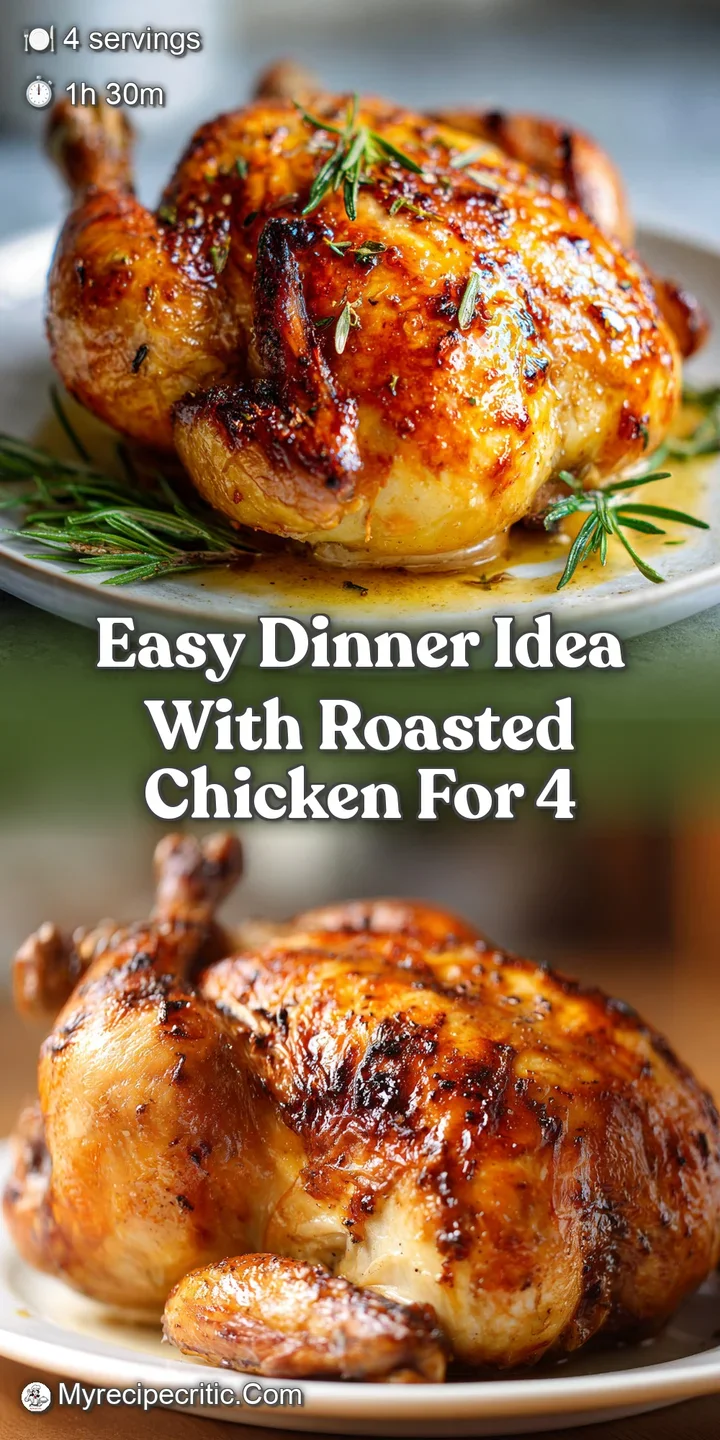
Easy Dinner Idea with Roasted Chicken
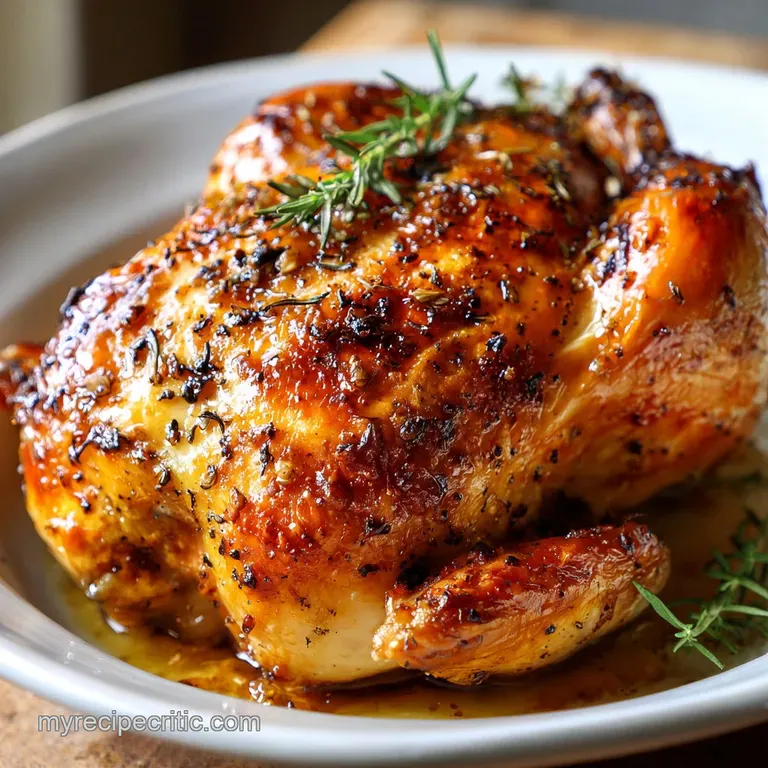
- Time: Active 15 minutes, Passive 1 hours 15 mins, Total 1 hours 30 mins
- Flavor/Texture Hook: Shatter crisp golden skin with velvety, herb infused meat
- Perfect for: Stress free Sunday family dinners or impressive weeknight meal prep
- Master This Easy Dinner Idea with Roasted Chicken
- Why You'll Love This One Pan Masterpiece
- Understanding the Core Ingredient Components
- Gathering Your Essentials for the Roast
- Essential Equipment for Poultry Success
- The One Pan Roasting Process
- Troubleshooting the Perfect Roast
- Scaling for Large Groups or Couples
- Debunking Roast Chicken Myths
- Storage and Zero Waste Strategies
- Recipe FAQs
- 📝 Recipe Card
Master This Easy Dinner Idea with Roasted Chicken
The first time I pulled a whole bird out of the oven and heard that distinct, hollow "crack" when my knife hit the skin, I knew I was done with bland, boneless breasts forever. There's something primal about the aroma of roasting rosemary and garlic hitting hot chicken fat that makes your kitchen feel like the best restaurant in town.
This easy dinner idea with roasted chicken is a guaranteed weeknight winner.
You don't need fancy culinary school skills to pull this off, just a hot oven and a bit of patience. I spent years overcomplicating things with twine and complicated basting schedules, only to realize the best results come from letting the heat do the heavy lifting.
We're talking about meat that pulls away from the bone with a gentle tug and potatoes that get "fondant style" soft on the inside while crisping up in the pan drippings.
Trust me, once you see how those red onions jam up and caramelize next to the balsamic vinegar, you'll never go back to basic rotisserie chicken. This is the kind of meal that makes everyone at the table go silent for the first five minutes because they're too busy enjoying the textures.
It's honest, simple, and virtually impossible to mess up if you follow a few key temperature rules.
The Physics of the Golden Crust
Salt acts as a chemical tenderizer that draws moisture out of the skin cells, allowing the surface to dehydrate rapidly in the oven's dry heat. This ensures the skin fries in the chicken's own rendered fat rather than steaming, resulting in a shatter crisp texture.
Why You'll Love This One Pan Masterpiece
- Maillard Magic: The high heat triggers a reaction between amino acids and reducing sugars, creating that deep mahogany color and complex, savory flavor profile we crave.
- Vertical Aromatics: Stuffing the cavity with lemon and garlic creates an internal steam chamber that seasons the meat from the inside out, keeping the breast meat velvety.
- The Vegetable Bed: By using carrots and potatoes as a "natural rack," you prevent the bottom of the chicken from getting soggy while simultaneously flavoring the veg with liquid gold (rendered fat).
- Acid Balance: Adding balsamic vinegar at the end cuts through the richness of the poultry fat, brightening the entire palate.
| Chicken Weight | Internal Temp | Rest Time | Visual Cue |
|---|---|---|---|
| 3 lbs | 165°F | 10 mins | Juices run clear when pierced |
| 4 lbs | 165°F | 15 mins | Drumsticks wiggle easily in socket |
| 5 lbs | 165°F | 20 mins | Skin is taut and deeply browned |
The resting period is probably the most ignored step in home kitchens, but it's the difference between a juicy bird and a dry one. When you pull the chicken out, the fibers are tight and the juices are all pushed toward the center; resting allows those juices to redistribute back into the meat.
Understanding the Core Ingredient Components
| Ingredient | Science Role | Pro Secret |
|---|---|---|
| Whole Chicken | Primary Protein | Pat it bone dry with paper towels for maximum skin crunch. |
| Kosher Salt | Moisture Extractor | Use coarse salt; it covers more surface area without over salting. |
| Lemon Halves | Steam Generator | Puncture the peel with a fork to release oils faster. |
| Baby Potatoes | Starch Absorber | Halve them so the flat side sears against the roasting pan. |
Gathering Your Essentials for the Roast
- 1 whole roasting chicken (approx. 4 lbs / 1.8 kg)Why this? The fat to meat ratio is ideal for over high heat roasting. (Sub: 4 lbs bone in, skin on thighs)
- 1 tbsp Kosher saltWhy this? Larger crystals won't dissolve too fast into the meat. (Sub: 2 tsp sea salt)
- 1 tsp freshly cracked black pepperWhy this? Pre ground pepper loses its aromatic punch quickly. (Sub: White pepper)
- 1 tbsp Extra Virgin Olive OilWhy this? Helps the salt adhere and kickstarts the browning. (Sub: Avocado oil)
- 1 lemon, halvedWhy this? Provides moisture and a bright citrus counter note. (Sub: 1 small orange)
- 1 head of garlic, sliced crosswiseWhy this? Roasts into "butter soft" cloves you can spread on bread. (Sub: 2 tsp garlic powder)
- 4 sprigs of fresh rosemary or thymeWhy this? Resinous herbs hold up better under long heat. (Sub: 1 tbsp dried herbs)
- 3 large carrots, peeled and cut into 2 inch chunksWhy this? Adds natural sweetness to the savory pan juices. (Sub: Parsnips)
- 1 lb baby potatoes, halvedWhy this? They hold their shape perfectly without turning to mush. (Sub: Chopped Yukon Gold)
- 1 large red onion, wedgedWhy this? Caramelizes beautifully into sweet, soft ribbons. (Sub: Shallots)
- 2 tbsp balsamic vinegarWhy this? Glazes the vegetables with a rich, tangy finish. (Sub: Red wine vinegar)
Essential Equipment for Poultry Success
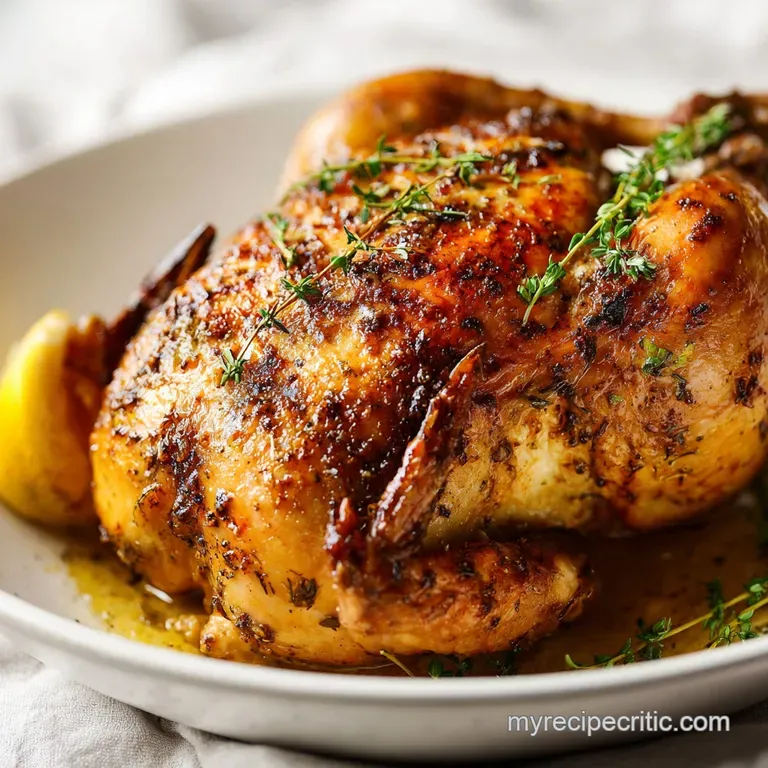
You don't need a professional kitchen, but a heavy bottomed roasting pan or a large cast iron skillet (like a Lodge 12 inch) makes a massive difference in heat distribution. If your pan is too thin, the vegetables might scorch before the chicken is done.
A reliable meat thermometer is the only way to be 100% sure you aren't serving "chicken jerky" or, worse, something undercooked.
Chef Tip: Freeze your butter for 10 minutes and then grate it over the chicken breast halfway through cooking for an extra decadent, self basting finish.
The One Pan Roasting Process
- Preheat the oven to 400°F (200°C). Note: A hot oven is non negotiable for that crispy skin.
- Dry the chicken thoroughly with paper towels, including inside the cavity.
- Season the bird by rubbing the olive oil all over, then generously applying the Kosher salt and pepper.
- Stuff the cavity with the lemon halves and the sliced head of garlic. Wait for the citrus aroma to fill the room.
- Toss the vegetables (carrots, potatoes, and onion) in the roasting pan with a drizzle of oil and a pinch of salt.
- Nestle the chicken directly on top of the vegetables, acting as a natural roasting rack.
- Roast for 1 hours 15 mins or until the skin is mahogany and the thermometer hits 165°F.
- Remove from oven and immediately drizzle the balsamic vinegar over the roasted vegetables.
- Rest the chicken for at least 15 minutes on a cutting board before carving.
- Serve the chicken alongside the glossy, balsamic glazed vegetables and those softened garlic cloves.
If you have leftovers after this feast, they make the absolute Chicken Salad Recipe for lunches the next day.
Troubleshooting the Perfect Roast
Why Your Chicken Skin Isn't Getting Brown
If the skin looks pale and rubbery, there was likely too much moisture in the pan or on the bird. Ensure you pat the chicken dry and don't add any water or stock to the pan; the vegetables release enough liquid as they cook. You can also try moving the pan to a higher rack for the last 10 minutes.
Why the Breast Meat is Dry
Chicken breasts cook faster than the legs. To fix this, try roasting the bird "breast side down" for the first 30 minutes to let the juices pool in the white meat, then flip it over to finish and crisp the skin.
Alternatively, tent only the breast area with foil if it reaches temperature before the thighs.
| Problem | Root Cause | Solution |
|---|---|---|
| Burnt Vegetables | Pan is too large or crowded | Use a smaller pan or add a splash of water if they look dry |
| Soggy Bottom | Chicken sat in its own juices | Raise the bird higher on a bed of larger vegetable chunks |
| Rubbery Skin | Oven temp too low | Ensure your oven is fully preheated to 400°F before starting |
Common Mistakes Checklist
- ✓ Never wash your chicken; it spreads bacteria and makes the skin soggy.
- ✓ Use a thermometer rather than "guessing" by the clock.
- ✓ Don't skip the resting period; the juices need time to settle.
- ✓ Ensure the potatoes are cut to roughly the same size for even cooking.
- ✓ Don't overcrowd the vegetables; they need space for the air to circulate.
Scaling for Large Groups or Couples
Scaling Down (Cooking for Two): If you are only cooking for two, you can use a smaller chicken (around 3 lbs) or switch to 2 lbs of bone in chicken thighs. Reduce the roasting time by about 20 minutes and use a smaller 9x9 inch baking dish. Keep the vegetable amounts similar, as they make great leftovers for a quick The Sunday Supper recipe.
Scaling Up (Feeding a Crowd): For a big family gathering, roast two chickens side-by-side in a large sheet pan. Increase the vegetables by 50%, but don't double the salt or spices; start with 1.5x the amount and adjust to taste.
You may need to rotate the pans halfway through to ensure even browning if your oven has "hot spots."
| People | Chicken Weight | Potato Amount | Cooking Method |
|---|---|---|---|
| 2-3 | 3 lbs | 0.5 lb | Cast Iron Skillet |
| 4-6 | 4-5 lbs | 1 lb | Standard Roasting Pan |
| 8+ | 2 x 4 lbs | 2 lbs | Large Sheet Pan (rotate halfway) |
If you are looking for another crowd pleaser that uses similar flavors, this Pulled Chicken in recipe is a fantastic alternative for busy days.
Debunking Roast Chicken Myths
"You must truss the chicken with twine to keep it moist." This is a classic myth. While trussing looks pretty, it actually prevents the heat from reaching the crevices between the leg and the body, often leading to undercooked thighs and overcooked breasts.
Leaving the bird "free" allows for better air circulation and more even browning.
"Searing the meat 'locks in' the juices." This is scientifically inaccurate. Searing creates flavor via the Maillard reaction, but it doesn't create a moisture proof barrier. The best way to keep meat juicy is to avoid overcooking it and letting it rest properly after it comes out of the heat.
Storage and Zero Waste Strategies
Storage Guidelines: Leftover roasted chicken stays fresh in the fridge for up to 4 days if stored in an airtight container. If you want to freeze it, shred the meat off the bone first; it will keep for up to 3 months.
To reheat, place the chicken and vegetables in a pan with a splash of water or broth, cover with foil, and bake at 350°F until warmed through to prevent drying out.
Zero Waste Tips: Don't you dare throw away that carcass! The bones are packed with collagen. Toss them into a pot with some veggie scraps (onion skins, carrot ends) and water to make a rich, homemade stock.
Any leftover roasted vegetables can be blended with a bit of broth to create a silky, "instant" roasted vegetable soup for lunch the next day.
Recipe FAQs
Can I use chicken pieces (thighs/breasts) instead of a whole bird?
Yes, but adjust time significantly. Chicken pieces require much less time; monitor breasts closely to prevent drying, perhaps starting to check at 40 minutes.
Is it true that resting the chicken for 15 minutes ruins the vegetables underneath?
No, resting is crucial for meat juiciness. The resting period allows internal juices to redistribute; cover the bird loosely with foil to keep the vegetables warm while the meat settles.
How to ensure the skin stays crispy if I need to cover the chicken with foil?
Remove foil completely for the final 20 minutes. If the skin browns too fast, tent only the exposed breast meat loosely, ensuring the skin surface remains open to the dry oven heat.
How to maximize the flavor of the vegetables roasting under the chicken?
Toss the vegetables in the rendered fat after removing the bird. Once the chicken rests, stir the vegetables vigorously, coating them thoroughly in the pan drippings before drizzling with balsamic vinegar.
Is it safe to rely solely on the cooking time suggested instead of using a thermometer?
No, never rely only on time. Oven temperatures vary wildly, and chicken size/shape affects cooking rate; always confirm the internal temperature reaches 165°F in the thickest part of the thigh.
What is the best way to use leftover roasted chicken meat?
Shred it for stock or salads. Shredded leftover meat is excellent in soups, saving you effort for a future batch of [Homemade Turkey Noodle recipe] stock, or mixed into creamy sandwiches.
Why are my potatoes undercooked when the chicken is perfectly done?
Potatoes were likely too large or too crowded. Cut root vegetables into uniform sizes, and make sure they have space on the pan to absorb heat rather than steam; this same concept of surface area matters when learning [Zesty Beef Taco recipe] preparation.
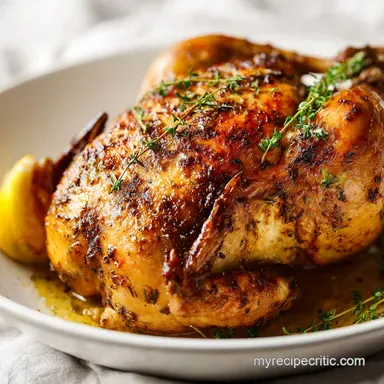
Easy Roasted Chicken Dinner
Ingredients:
Instructions:
Nutrition Facts:
| Calories | 618 calories |
|---|---|
| Protein | 47.6 g |
| Fat | 34.2 g |
| Carbs | 28.4 g |
| Fiber | 4.8 g |
| Sugar | 6.2 g |
| Sodium | 595 mg |
