One-Pan Velvety Penne Pasta
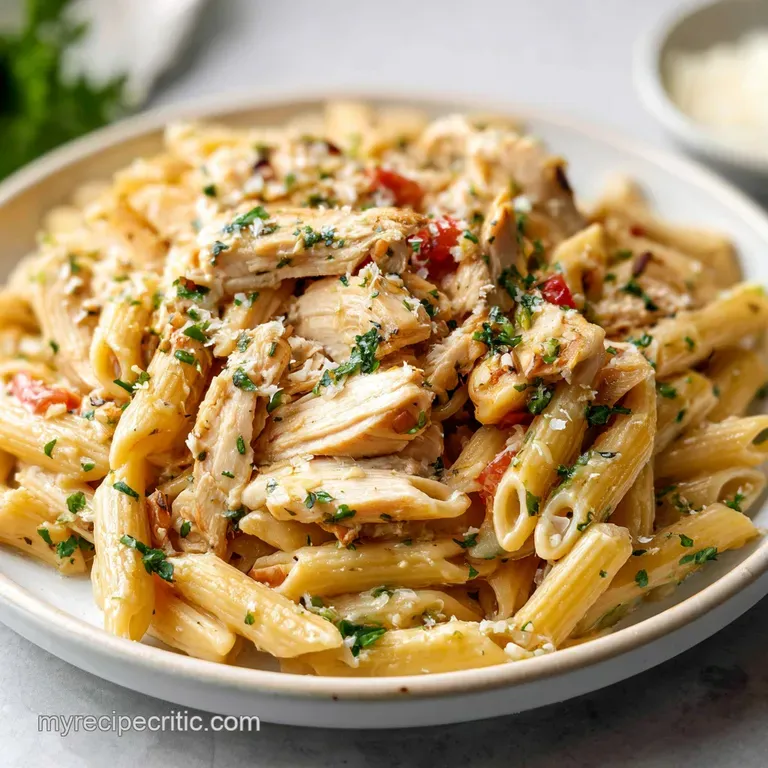
- Time: Active 10 mins, Passive 20 mins, Total 30 mins
- Flavor/Texture Hook: Velvety cream meets zesty tomato
- Perfect for: Busy weeknight dinners or casual date nights
- How to Master Creamy Chicken Pasta Penne Pasta
- Why This Method Succeeds
- Stovetop Versus Oven Results
- Component Analysis
- Key Recipe Checkpoints
- Essential Ingredients and Smart Swaps
- Tools for Kitchen Success
- The Step-By-Step Process
- Fixing Common Cooking Hurdles
- Adjusting for Different Groups
- Customizing Your Dinner Flavors
- Leftover Management and Storage
- Plating for Visual Impact
- Debunking Common Kitchen Myths
- Very High in Sodium
- Recipe FAQs
- 📝 Recipe Card
How to Master Creamy Chicken Pasta Penne Pasta
Can you hear that high pitched sizzle? It is the sound of chicken strips hitting hot olive oil, instantly releasing that smoky, peppery aroma that makes the neighbors jealous. I remember the first time I tried to make a "blush" sauce like this.
I was so impatient that I dumped the cold cream directly into the boiling tomato sauce, and it curdled into a grainy mess. I felt like a total failure, standing there with a wooden spoon and a pot of broken dreams.
But that mistake taught me the most important lesson in the kitchen: temperature and timing are everything.
This specific recipe is my go to when the fridge looks empty but I need something that feels fancy. We are taking 1 lb of Penne Rigate and turning it into a glossy, decadent masterpiece. The secret is all in the "rigate" those little ridges on the pasta.
They aren't just for decoration; they are engineered to act like tiny scoops, grabbing onto every drop of that garlic infused sauce. It is a humble dish, but when you get the sear on the chicken just right, it feels like a total win.
We are going to walk through this together, from the "fond" at the bottom of the pan to the final chiffonade of basil. You do not need expensive gadgets or rare ingredients. Honestly, some of my best versions of this have come from using the "budget" tomato sauce and just treating the garlic with a little extra respect.
By the time we are done, you will have a 30 minute meal that tastes like you spent the whole afternoon deglazing and simmering.
Why This Method Succeeds
The Rigate Ridge Advantage: The physical texture of Rigate pasta provides a high surface area that traps viscous sauces through capillary action. Without these ridges, the sauce would simply slide off the noodle and pool at the bottom of your bowl.
The Maillard Reaction: Searing the chicken strips at a high temperature creates a "fond" those brown bits stuck to the pan. These are concentrated pockets of umami that dissolve back into the sauce during the simmering phase.
Starch Emulsified Silkiness: Adding the pasta directly to the sauce with a splash of the cooking water allows the amylose starch to bind the fats from the heavy cream and oil. This prevents the sauce from "breaking" or becoming oily.
Stovetop Versus Oven Results
| Method | Total Time | Texture | Best For |
|---|---|---|---|
| Stovetop | 30 minutes | Silky and saucy | Quick weeknight hunger |
| Oven Bake | 45 minutes | Crispy cheese lid | Crowd pleasing potlucks |
| Hybrid | 35 minutes | Saucey with charred tips | The best of both worlds |
Choosing the stovetop method ensures the chicken stays succulent rather than drying out under the intense heat of an oven. It also gives you total control over the sauce's thickness as it reduces in real time.
Component Analysis
| Ingredient | Science Role | Pro Secret |
|---|---|---|
| Kosher Salt | Denatures protein | Add to water after it boils to prevent pitting your pot |
| Heavy Cream | Stabilizes acidity | Bring to room temperature to prevent curdling when hitting the tomato |
| Tomato Sauce | Provides glutamates | Cook it for 2 mins alone to "fry" the raw metallic taste away |
| Garlic/Shallot | Aromatic base | Mince shallots smaller than garlic so they melt into the oil |
Key Recipe Checkpoints
To ensure your pasta penne pasta turns out perfectly every time, keep these three numeric markers in mind. First, ensure your 4 liters of water contain exactly 2 tbsp of kosher salt; the water should taste like the sea to properly season the pasta from the inside out.
Second, your chicken must hit an internal temperature of 74°C (165°F) to be safe but still juicy. Finally, keep exactly 1/2 cup of the starchy pasta water before draining this is your "liquid gold" for adjusting the sauce consistency.
Essential Ingredients and Smart Swaps
For this recipe, we are using 1 lb of Penne Rigate as our foundation. The 1 lb of boneless, skinless chicken breasts provide the lean protein, while 15 oz of tomato sauce and 1 cup of heavy cream create that signature "pink" sauce.
We will also need 4 cloves of garlic, 1 small shallot, and 2 tbsp of extra virgin olive oil for our flavor base.
| Original Ingredient | Substitute | Why It Works |
|---|---|---|
| Heavy Cream (1 cup) | Whole Milk + Butter | High fat content mimics cream. Note: Sauce will be slightly thinner |
| Chicken Breasts (1 lb) | Chickpeas (1 can) | Provides protein and starch. Note: Adds an earthy, nutty flavor profile |
| Shallot (1 small) | Red Onion (2 tbsp) | Similar sharp sweetness. Note: Finely dice to match the texture |
| Fresh Basil (1/4 cup) | Dried Oregano (1 tsp) | Concentrated herbal notes. Note: Add earlier in the cooking process |
If you are craving a different profile, this sauce reminds me of the richness in my favorite Penne Pasta recipe. It uses similar principles but adds a sharp bite that works beautifully with the cream.
Tools for Kitchen Success
You do not need a massive arsenal of equipment for this. A large 12 inch skillet (stainless steel or cast iron) is best for the chicken because it encourages that beautiful browning. You will also need a 6 quart pot to boil the 450g of pasta.
A sharp chef’s knife is essential for the shallot and garlic, as "crushing" them with a dull blade releases bitter compounds instead of sweet oils. Finally, grab a pair of tongs; they are much better than a spoon for tossing the penne in the sauce to ensure every tube is coated.
The step-by-step Process
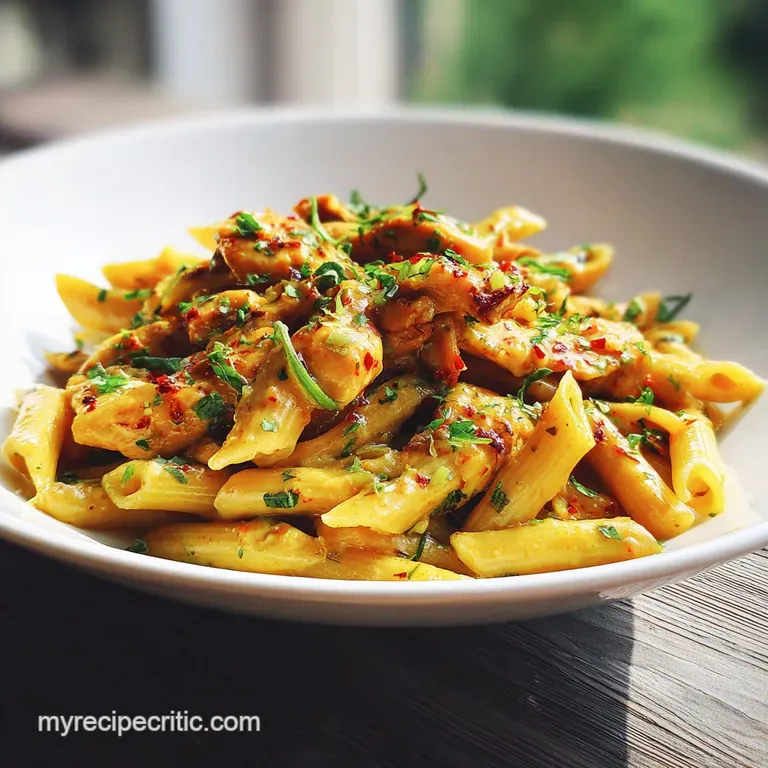
1. The over High heat Sear
Season your 1 lb of chicken strips with the smoked paprika, sea salt, and black pepper. Heat 2 tbsp of olive oil in your skillet over medium high heat until the oil shimmers and barely smokes. Add the chicken in a single layer.
Note: Overcrowding will cause the chicken to steam instead of sear.
2. Developing the Fond
Cook the chicken for about 5 to 7 minutes until golden brown and opaque. Remove the chicken from the pan and set it aside on a plate. Do not wipe the pan out; those brown bits are the foundation of your sauce flavor.
3. Building the Aromatics
Lower the heat to medium. Toss in the minced garlic and finely diced shallot. Sauté for about 2 minutes until the shallots are translucent and the garlic is fragrant. If the pan looks dry, add a tiny splash of oil.
4. The Sauce Foundation
Pour in the 15 oz of tomato sauce and 1 tsp of dried Italian seasoning. Use a wooden spoon to scrape the bottom of the pan, releasing the caramelized chicken bits into the liquid. This deglazing step is crucial for depth.
5. Creating the Emulsion
Stir in the 1 cup of heavy cream and 0.25 tsp of red pepper flakes. Simmer on low for 5 minutes until the sauce turns a deep sunset orange and thickens slightly.
6. The Al Dente Marriage
While the sauce simmers, boil the penne in the salted water for about 10 to 11 minutes. Aim for "al dente" it should still have a firm bite. Drain the pasta, but reserve 1/2 cup of the cloudy pasta water.
7. The Final Integration
Add the cooked pasta and the seared chicken back into the skillet. Toss everything together, adding the reserved pasta water one tablespoon at a time until the sauce is glossy and clings to the pasta.
8. The Glossy Finish
Turn off the heat. Stir in the 0.5 cup of freshly grated Parmesan cheese and the fresh basil chiffonade. Serve immediately while the cheese is melty and the herbs are bright green.
If you are in the mood for a white sauce instead, try my Foolproof Chicken Alfredo recipe. It follows a very similar "one pan" logic but focuses on the parmesan and cream marriage without the tomato.
Fixing Common Cooking Hurdles
Why Your Sauce Separates
If you see beads of oil floating on top of your sauce, it has "broken." This usually happens if the heat is too high after the cream and cheese are added. The proteins tighten up and squeeze out the fat.
| Problem | Root Cause | Solution |
|---|---|---|
| Grainy Sauce | Cold cream or cheap cheese | Whisk in a tablespoon of hot pasta water vigorously |
| Dry Pasta | Pasta absorbed all liquid | Add more reserved water and a knob of butter |
| Bland Flavor | Not enough salt in water | Add a squeeze of lemon juice or extra Parmesan at the end |
Common Mistakes Checklist
- ✓ Never rinse your pasta after draining; you need that surface starch to help the sauce stick.
- ✓ Use a block of Parmesan and grate it yourself; pre shredded cheese is coated in potato starch that prevents melting.
- ✓ Ensure the pan is hot before the chicken hits the oil to get a proper sear.
- ✓ Don't skip the shallot; it provides a sweetness that white onions simply can't match.
Adjusting for Different Groups
When you need to feed a crowd or just yourself, the math changes slightly. For a half batch (2 people), use a smaller 8 inch skillet and reduce the simmering time by about 3 minutes to prevent the sauce from disappearing.
If you are doubling the recipe for 8 people, you must cook the chicken in two separate batches. If you put 2 lbs of chicken in one pan, the temperature will drop, the juices will release, and you will end up boiling your meat in its own grey liquid.
Also, when doubling spices, start with 1.5x the amount of red pepper flakes and adjust heat builds exponentially!
Customizing Your Dinner Flavors
- The Smoky Twist: Swap the smoked paprika for a diced chipotle in adobo. It adds a lingering heat that plays incredibly well with the heavy cream.
- The Garden Variation: Toss in two handfuls of fresh baby spinach at the very end. The residual heat will wilt it in seconds, adding color and nutrients without extra work.
- The Mediterranean Swap: Use sliced sun dried tomatoes instead of the 15 oz tomato sauce for a more concentrated, chewy texture.
Leftover Management and Storage
Storage: This pasta keeps beautifully in the fridge for up to 3 days. Store it in an airtight glass container to keep the tomato from staining your plastic ware. As it sits, the pasta will continue to soak up the sauce, so it will be much thicker the next day.
Reheating: Avoid the microwave if you can. Instead, put the pasta in a small pan with 2 tablespoons of milk or water. Heat over low, stirring gently, until the sauce loosens up and becomes velvety again.
Zero Waste: Don't throw away those basil stems! You can toss them into your next pot of soup or stock for a subtle peppery note. If you have leftover Parmesan rind, throw that into the sauce while it simmers next time for an extra umami punch.
Plating for Visual Impact
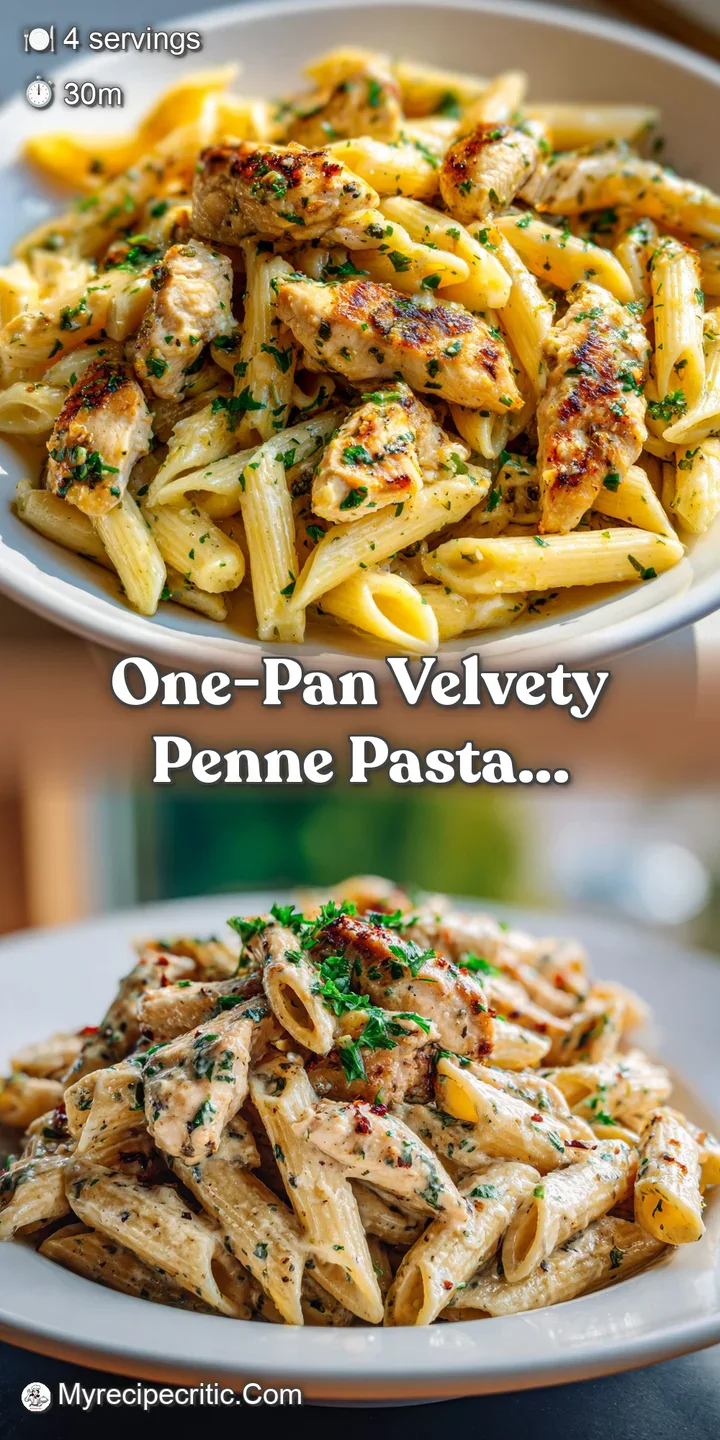
We eat with our eyes first, right? To make this look like a 25 euro bistro dish, don't just dump it onto the plate. Use a wide, shallow bowl. Mound the pasta in the center, ensuring a few pieces of chicken are perched right on top.
Dust a little extra Parmesan from a height it creates a "snow" effect that looks professional. Finally, keep a few small basil leaves aside to place on top at the very end. The contrast of the bright green against the sunset orange sauce is unbeatable.
Debunking Common Kitchen Myths
A huge myth is that adding oil to your pasta water prevents sticking. In reality, the oil just floats on top and then coats the pasta as you drain it, making it too slippery for the sauce to stick. Just use plenty of water and give it a stir in the first 2 minutes.
Another one is that you must "seal" the meat to keep juices in. Searing is actually for flavor (the Maillard reaction). The chicken stays juicy because you don't overcook it, not because you "sealed" the surface. Trust your meat thermometer, not the crust!
Finally, many people think you should cook pasta in unsalted water to "be healthy." However, pasta doesn't absorb much of the salt; it just helps the flavor bloom. Without it, your pasta penne pasta will taste flat, no matter how good the sauce is. Give that water the salt it deserves!
Very High in Sodium
1140 mg of sodium per serving (50% of daily value)
The American Heart Association recommends limiting sodium intake to about 2,300mg per day for optimal health.
Sodium Reduction Tips for Your Penne Pasta Recipe:
-
Reduce Parmesan Cheese-15%
Parmesan cheese is a significant source of sodium. Reduce the amount of Parmesan by half, or use a low-sodium cheese alternative. This will significantly lower the overall sodium content.
-
Cut Back on Salt-25%
The recipe uses kosher salt and sea salt. Reduce the amount of kosher salt used for the pasta water to 1 tbsp. Also, reduce or eliminate the sea salt for the chicken entirely. Taste and adjust seasoning after cooking.
-
Low-Sodium Tomato Sauce-20%
Use a low-sodium or no-salt added tomato sauce. Regular tomato sauce can be high in sodium. Check the nutrition label and choose the lowest sodium option available, or make your own from fresh tomatoes!
-
Enhance with Herbs & Spices
Experiment with other herbs and spices like oregano, thyme, garlic powder, or onion powder to enhance flavor without adding sodium. These additions can make the dish even more flavorful without relying on salt.
-
Skip Salting Pasta Water-10%
While salting pasta water is a common practice, it's not essential for flavor. Try cooking the pasta in unsalted water and adjusting the seasoning of the sauce instead. This may slightly impact pasta flavor, but significantly reduces sodium.
Recipe FAQs
Is Penne Rigate necessary, or will smooth Penne work too?
Penne Rigate is strongly recommended. The ridges are specifically engineered to trap viscous sauces, ensuring every piece is coated, which is crucial for this creamy dish.
How do I stop the cream from curdling when I add it to the tomato sauce?
Bring the heavy cream closer to room temperature first. Adding cold cream directly to hot tomato acid causes proteins to seize and separate. Whisking gently over low heat helps maintain a stable emulsion.
What is the absolute best way to ensure the chicken is seared and not steamed?
Heat the oil until it shimmers and add the chicken in a single layer without overcrowding the pan. If the temperature drops too much, the chicken releases moisture and boils instead of searing, missing out on critical flavor development.
Is it true that rinsing pasta after draining improves the final dish?
No, rinsing pasta after draining is counterproductive. You wash away the surface starch needed to bind with the fats in the sauce, resulting in a watery pool at the bottom of your bowl.
How much should I salt the water for the best tasting pasta?
Salt the water until it tastes noticeably like the sea. This is the only opportunity to season the pasta from the inside out, which is a foundational technique for building deep flavor.
Can I substitute the heavy cream for a lighter dairy option?
Yes, but the texture will change significantly. If you substitute with milk, you must significantly increase the amount of reserved starchy pasta water and simmer longer to achieve the right thickness, similar to stabilizing sauces in a Creamy Lemon Chicken recipe.
What is the purpose of scraping the brown bits off the bottom of the pan?
Scraping releases the fond, which is concentrated umami flavor. These browned bits must dissolve back into the sauce when the tomato is added; if you skip this, your sauce will taste flat.
Easy One Pan Penne Pasta
Ingredients:
Instructions:
Nutrition Facts:
| Calories | 884 kcal |
|---|---|
| Protein | 44.2 g |
| Fat | 35.2 g |
| Carbs | 87.5 g |
| Fiber | 5.8 g |
| Sugar | 8.9 g |
| Sodium | 1140 mg |
