Easy Lemon Meringue Pie Recipe: Tart Curd
- Time: Active 25 minutes, Passive 15 minutes, Total 40 minutes
- Flavor/Texture Hook: Shattering buttery crust with velvety tart curd
- Perfect for: Weekend family gatherings or impressive beginner friendly entertaining
- Create an easy lemon meringue pie recipe
- Why This Zesty Pie Works
- Deep Dive into Component Science
- Sourcing Your Premium Pie Ingredients
- Tools for Professional Pastry Results
- Step-by-Step Filling and Topping Guide
- Solving Common Meringue Texture Issues
- Simple Dietary Adjustment Options
- Keeping Leftovers Fresh and Safe
- Flavor Pairing and Garnishing Ideas
- Culinary Myths Debunked
- Scaling for Different Crowds
- Recipe FAQs
- 📝 Recipe Card
Create an easy lemon meringue pie recipe
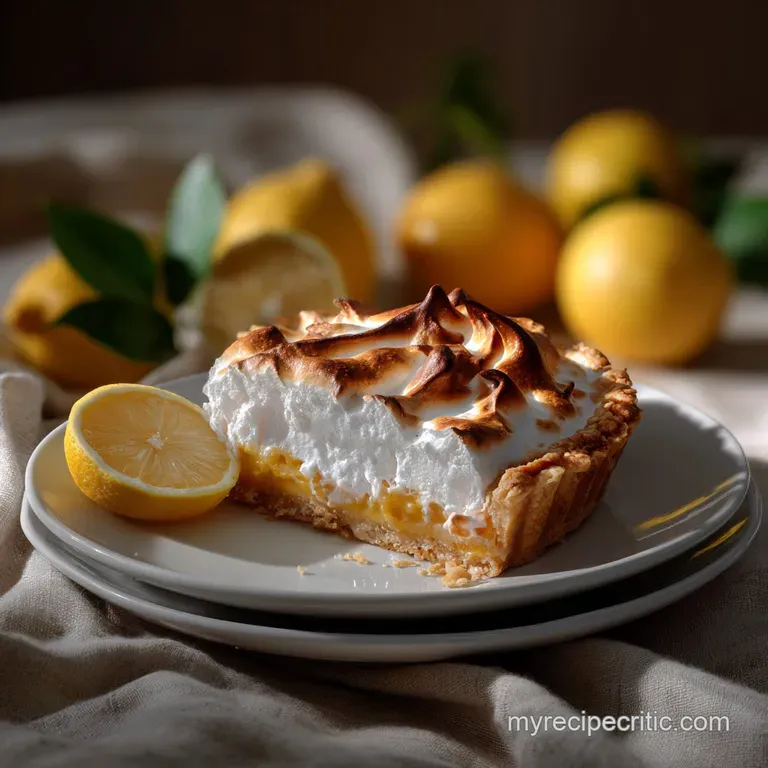
The first time I pulled a successful lemon meringue pie from the oven, I felt like a literal wizard. There is something truly magical about taking a few humble eggs, a pile of lemons, and some sugar and turning them into this towering, golden masterpiece.
If you have ever felt intimidated by the idea of making a meringue, please take a deep breath. We are skipping the fussy pastry dough that usually shrinks or stays raw in the middle. Instead, we are leaning into a Graham cracker crust that provides a sturdy, reliable foundation for our citrus stars.
We often think of this dessert as a diner classic, but it really is the king of contrasts. You have that intense, puckering tartness from the lemons playing against the airy, marshmallowy sweetness of the topping. It is bright, it is rich, and it honestly looks far more difficult to make than it actually is.
I’ve made my fair share of weepy, runny pies in the past, so I have spent a lot of time figuring out exactly how to make the filling behave.
Right then, let's crack on. Whether you are making this for a summer barbecue or a cozy Sunday lunch, this dish always wins the room. We are going to focus on getting that curd thick enough to slice and that meringue stable enough to hold those beautiful toasted peaks.
Trust me on this, once you nail the cornstarch ratio, you will never look back at store-bought versions again.
Why This Zesty Pie Works
The success of this pie relies on specific chemical reactions that happen between the heat, the acid, and the proteins. Understanding how these elements interact ensures your filling sets firmly and your meringue doesn't slide right off the top.
- Starch Gelatinization: The cornstarch molecules expand and trap liquid when heated, creating a mesh that turns thin juice into a sliceable curd.
- Acidic Protein Stabilization: Lemon juice and cream of tartar lower the pH of the egg whites, helping the protein strands bond more tightly for a stronger foam.
- Hygroscopic Sugar Action: Sugar attracts water, which prevents the meringue from losing moisture (weeping) during the baking process.
- Maillard Reaction: The caster sugar on the surface browns quickly under heat, providing that iconic toasted aroma and golden color.
| Method | Texture Result | Best For |
|---|---|---|
| Stovetop Curd | Silky and consistently smooth | Beginners who want total control |
| Oven Finish | Set and slightly firmer edges | Achieving that classic toasted peak |
Deep Dive into Component Science
To get that perfect "shatter" in the crust and a velvety mouthfeel in the center, we need to look at our key players. Each ingredient has a specific job to do, and when they work together, the pie is unstoppable.
The egg yolks, for instance, are not just there for color. They act as an emulsifier, binding the water and fats together so the filling feels rich rather than watery. It is a similar technique to the one I use in my Caesar Salad Sauce Recipe, where the yolks create that signature creamy body.
| Component | Science Role | Pro Secret |
|---|---|---|
| Fresh Lemon Juice | Denatures proteins and adds acid | Use heavy lemons; they have more juice |
| Cornstarch | Thickening agent (Hydrocolloid) | Whisk into cold liquid to avoid lumps |
| Egg Whites | Structure and aeration | Ensure the bowl is 100% grease free |
| Graham Crumbs | Structural foundation | Pack the crumbs tight with a flat cup |
Sourcing Your Premium Pie Ingredients
Getting your ingredients right is half the battle. I always reach for high fat butter because it helps the crust hold its shape without becoming crumbly. If you can find it, Kerrygold Unsalted Butter is my go to for that deep yellow color and rich taste.
- Graham cracker crumbs (200g): These provide the earthy, honey sweet base. Why this? It is much more forgiving than traditional shortcrust pastry.
- Unsalted butter, melted (70g): Used to bind the crumbs. Why this? Fat coats the crumbs to prevent them from getting soggy.
- Honey (10g): Adds a touch of floral sweetness and helps the crust stick. Why this? It creates a slightly chewy, stable base texture.
- Fresh lemon juice (180ml): The soul of the pie. Why this? Bottled juice lacks the bright terpene oils found in fresh fruit.
- Lemon zest (1 tbsp): Contains the essential oils. Why this? Most of the "lemon" flavor actually comes from the skin.
- Granulated sugar (133g): Balances the tartness of the filling. Why this? It provides the bulk and sweetness needed for the curd.
- Cornstarch (35g): The glue that holds it all together. Why this? It ensures the pie is sliceable and doesn't run.
- Large egg yolks (3): Room temperature. Why this? Room temp yolks incorporate more smoothly into hot liquids.
- Large egg whites (3): Room temperature. Why this? They whip up to a much higher volume than cold whites.
- Fine caster sugar (50g): For the meringue. Why this? Smaller crystals dissolve faster, preventing a grainy texture.
| Original Ingredient | Substitute | Why It Works |
|---|---|---|
| Graham Crumbs | Digestive Biscuits | Similar texture and sweetness. Note: Very common in the UK/Australia. |
| Granulated Sugar | Monk Fruit Sweetener | Mimics sweetness without the glycemic load. Note: Filling may be softer. |
| Cornstarch | Arrowroot Powder | Thickens at a lower temperature. Note: Result is slightly more translucent. |
Tools for Professional Pastry Results
You don't need a professional kitchen, but a few specific items make this easy lemon meringue pie recipe significantly smoother. I personally love using my Pyrex 9 inch Glass Pie Plate because I can see the sides of the crust to make sure it isn't burning.
For the meringue, a stand mixer like the KitchenAid Artisan Series is a life saver. Whipping egg whites by hand is a workout nobody asked for! You also want a Microplane Zester for the lemons. It gets the zest off without hitting the bitter white pith.
If you really want to show off, a small kitchen torch can give you those precise charred edges on the meringue peaks, though the oven broiler works just fine.
step-by-step Filling and Topping Guide
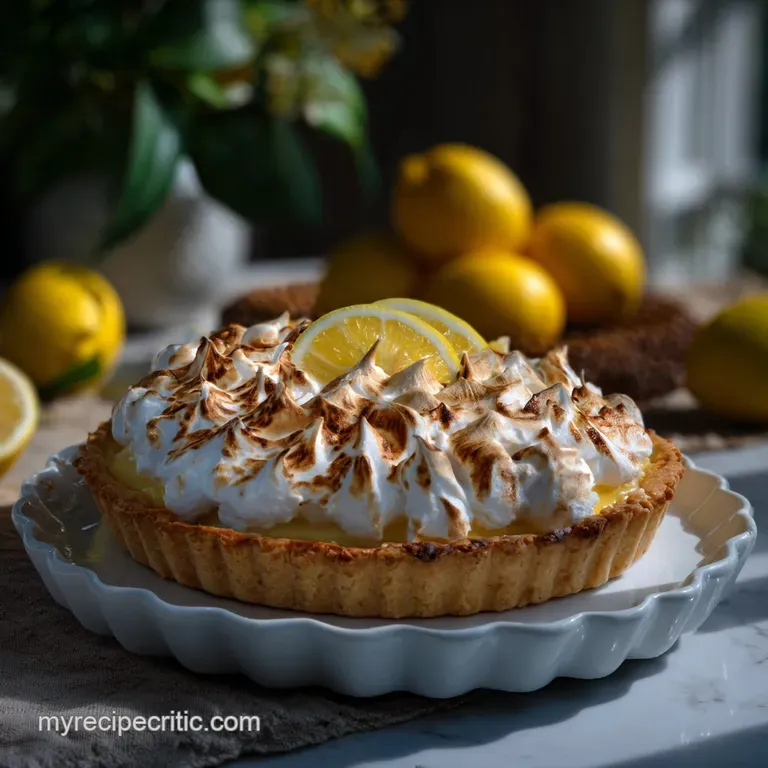
- Prep the base. Mix 200g Graham cracker crumbs, 70g melted butter, and 10g honey in a bowl. Note: It should feel like wet sand.
- Form the crust. Press the mixture into your pie dish firmly using the bottom of a measuring cup. Note: Packing it tight prevents the crust from falling apart when sliced.
- Bake the crust. Place in a 175°C oven for 8 minutes until it smells toasted and looks golden.
- Whisk the dry. In a medium saucepan, combine 133g sugar and 35g cornstarch. Note: Mixing them while dry prevents the cornstarch from clumping later.
- Add the liquids. Slowly whisk in 240ml water and 180ml lemon juice. Note: Do this over medium heat to start the thickening process.
- Thicken the curd. Cook the mixture, whisking constantly, until it bubbles and turns translucent.
- Temper the yolks. Whisk a small amount of the hot lemon liquid into your 3 egg yolks, then pour the yolk mixture back into the pan. Note: This prevents the eggs from scrambling.
- Final curd finish. Add 28g butter and 1 tbsp zest, whisking until the butter is melted and the curd is glossy.
- Whip the whites. In a clean bowl, beat 3 egg whites and 0.25 tsp cream of tartar until soft peaks form.
- Add the sugar. Gradually pour in 50g caster sugar while beating until the meringue is stiff and shiny.
- Assemble and bake. Pour the hot filling into the crust, pile the meringue on top, and bake for 10 minutes until the peaks are toasted brown.
Chef's Tip: Always spread the meringue while the lemon filling is still hot. This "anchors" the meringue and helps cook the bottom of the foam, which prevents that annoying layer of water from forming between the two.
Solving Common Meringue Texture Issues
The biggest heartbreak in pie making is the "weeping" meringue. This happens when the sugar hasn't fully dissolved or the egg proteins have been overcooked, causing them to squeeze out moisture. Honestly, don't even bother with low-fat substitutes here; the sugar and fat are vital for the structure.
Why is my meringue rubbery?
If your meringue feels like foam rubber, it usually means it was overbaked at too low a temperature. The proteins become too tight and lose their suppleness. To avoid this, bake at a higher temperature for a shorter time to get the color without drying out the interior.
What if my filling didn't set?
This is usually a heat issue. Cornstarch needs to reach a full boil to activate its thickening power. If you stop whisking as soon as it looks thick but hasn't bubbled, it will likely turn back into a liquid once it cools down.
| Problem | Cause | Fix | Pro Tip |
|---|---|---|---|
| Weeping (Watery layer) | Sugar didn't dissolve | Use fine caster sugar | Add sugar one tablespoon at a time |
| Shrinking Meringue | Meringue didn't touch crust | Spread to the very edge | Seal the meringue against the crust walls |
| Gritty Filling | Undissolved cornstarch | Whisk dry ingredients first | Always use a heavy bottomed saucepan |
Simple Dietary Adjustment Options
If you are hosting friends with specific needs, this recipe is actually quite adaptable. For a gluten-free version, simply swap the Graham crumbs for a GF certified brand. The filling itself is naturally gluten-free as we use cornstarch rather than flour.
For the Shattering Graham Base
You can also try using crushed ginger snaps for a spicy kick. The ginger pairs beautifully with the lemon. If you need to go dairy-free, replace the unsalted butter with a high-quality plant based butter stick.
Just make sure it is a "stick" variety, as the tubs usually have too much water content and will make the crust behave poorly.
Make it Creamier
If you prefer the style of an easy lemon meringue pie recipe using condensed milk, you can replace the water and sugar in the filling with one tin of sweetened condensed milk. This will result in a much denser, fudgier curd that is common in "Key Lime" style variations.
Keeping Leftovers Fresh and Safe
Lemon meringue pie is best eaten the day it is made. However, life happens, and sometimes you have leftovers. Store the pie in the fridge, but be warned: the meringue will eventually start to soften. Do not cover it tightly with plastic wrap, as this creates condensation that will melt the sugar on top.
- Fridge: 2 days maximum.
- Freezer: Not recommended. The meringue will become spongy and the curd will separate upon thawing.
- Zero Waste: If you have leftover lemon peels, toss them in a jar with some white vinegar for a week. It makes a fantastic, fresh smelling natural kitchen cleaner!
Flavor Pairing and Garnishing Ideas
When you are ready to serve, think about textures. A few fresh raspberries on the side add a nice pop of color and a different kind of tartness. If you are serving this at a larger event alongside something savory like my Franks Buffalo Chicken Dip recipe, the cold, acidic pie acts as a brilliant palate cleanser.
I love to finish the pie with a very light dusting of extra lemon zest right before it hits the table. It provides that hit of fresh citrus aroma that hits the guests before they even take a bite. For an adult twist, you can even add a tiny splash of Limoncello to the curd for a deeper, boozy finish.
Culinary Myths Debunked
Myth 1: You must use a copper bowl for meringue. While copper does help stabilize egg whites, it is absolutely not necessary. A clean stainless steel or glass bowl works perfectly fine as long as there is zero grease or oil present.
Myth 2: Searing the meringue with a torch is the only way. The oven is actually superior for beginners because it helps set the "internal" structure of the meringue, making it less likely to collapse later. A torch only toasts the very surface.
Myth 3: Adding more cornstarch makes it "sturdier." Too much cornstarch will make the filling taste like paste and give it a dull, cloudy appearance. Stick to the 35g measurement for that translucent, jewel like finish.
Scaling for Different Crowds
Downscaling (1/2 Recipe): Use a 6 inch pie pan. Reduce the baking time for the crust to about 6 minutes. Since you can't easily use 1.5 eggs, use 2 small eggs or 1 large egg plus one yolk for the curd.
Upscaling (2x Recipe): If you are making two pies, do not double the meringue in one go unless you have a very large mixer. Meringue loses volume if it sits too long. Make the filling for both, but whip the egg whites in two separate batches for the best "cloud" effect.
Baking for a Crowd: Consider making "Lemon Meringue Bars" in a rectangular baking tin. It makes the pie much easier to slice into clean squares for a buffet style setup. Just ensure the crust is pressed up the sides slightly to hold that delicious curd in place!

Recipe FAQs
how to make easy lemon meringue pie?
Use a Graham Cracker Crust. This recipe simplifies the process by skipping fussy pastry dough; simply press the crumb mixture into the pan and pre-bake it.
how to make a quick and easy lemon meringue pie?
Yes, you can speed up prep by making the curd ahead. Prepare the tart lemon curd up to 24 hours in advance and keep it refrigerated until you are ready to whip the meringue and assemble the pie for baking.
how do you make lemon meringue pie easy?
Focus on temperature and whisking technique for the filling. The key to a firm curd is ensuring the cornstarch mixture reaches a full boil to activate its thickening power before tempering in the yolks.
can you eat lemon meringue pie when pregnant?
Yes, if fully cooked, it is generally safe. Because this recipe uses cooked egg yolks and a fully baked curd, the risk associated with raw eggs is eliminated, though pregnant individuals should always consult their doctor regarding diet.
can you eat lemon meringue pie warm?
It is best served cooled or at room temperature. While the filling is cooked hot, allowing it to cool lets the cornstarch set completely; serving warm will result in a runny slice.
what prevents the meringue from weeping water?
Ensure the sugar is completely dissolved into the egg whites. Use fine caster sugar and beat the mixture until stiff and shiny; this locks the moisture into the foam structure.
what is the secret to a rich, emulsified lemon filling?
The egg yolks provide essential emulsification, not just color. If you enjoyed controlling the smooth, creamy body created by the yolks here, see how the same fat-binding principle creates texture in our Alabama White Sauce Recipe: Tangy Easy BBQ Dip.
Easy Lemon Meringue Pie Recipe
Ingredients:
Instructions:
Nutrition Facts:
| Calories | 339 kcal |
|---|---|
| Protein | 4.2 g |
| Fat | 13.2 g |
| Carbs | 53.1 g |
| Fiber | 0.8 g |
| Sugar | 34.5 g |
| Sodium | 215 mg |
