Easy Homemade Pasta Sauce: Silky and Vibrant
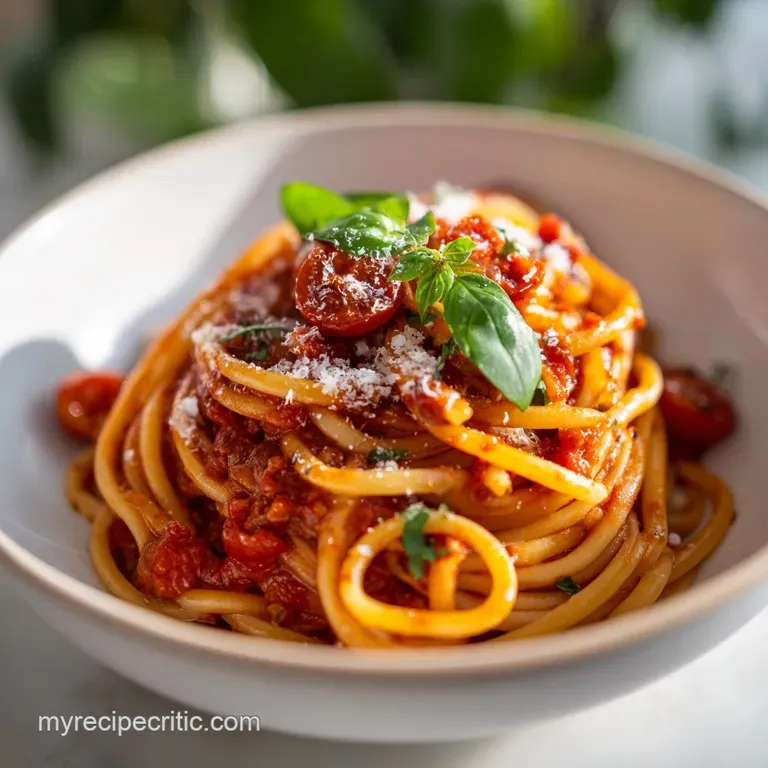
- Time: Active 10 mins, Passive 25 mins, Total 35 mins
- Flavor/Texture Hook: Silky, vibrant, and garlicky
- Perfect for: Quick weeknight dinners or meal prep
- Master This Easy Homemade Pasta Sauce
- Why This Technique Works
- Ingredient Deep Dive Analysis
- Essential Elements and Swaps
- Equipment for This Recipe
- Step by Step Instructions
- Solving Common Sauce Issues
- Scaling Your Batch
- Myths About Tomato Sauce
- Storage and Zero Waste
- Serving Suggestions
- Recipe FAQs
- 📝 Recipe Card
Master This Easy Homemade Pasta Sauce
The second those four cloves of minced garlic hit the 30ml of shimmering olive oil, my entire kitchen transforms. There is a specific, sharp sizzle that tells you the base is forming, and honestly, it is the best part of my day.
I used to think a "proper" red sauce required a whole Sunday afternoon and a grandmother from Naples, but after years of splattering my favorite aprons and testing every shortcut, I realized the magic is actually in the technique, not just the time.
We have all been there, staring at a bland, watery jar of "marinara" and wishing it had more soul. This recipe is my answer to that problem. It is thick enough to cling to every ridge of a penne noodle and bright enough to taste like real tomatoes.
We are skipping the sugar and focusing on caramelizing our paste to get that natural sweetness that usually takes hours to develop.
Right then, let's get the pan hot. You are going to love how this makes the house smell, even if your sink ends up full of dishes like mine always does. This easy homemade pasta sauce is about to become your new weeknight obsession.
Trust me, once you see how those 794g of crushed tomatoes transform with just a few pantry staples, you will never look at the canned aisle the same way again.
Why This Technique Works
- Aromatic Blooming: Frying the oregano and red pepper flakes in oil releases fat soluble flavor compounds that would stay trapped if just dumped into liquid.
- Maillard Reaction: Toasting the tomato paste until it turns brick red creates new flavor molecules, adding a savory depth that balances the acidity of the tomatoes.
- Starch Emulsification: Adding a splash of water and simmering slowly allows the tomato solids to break down and bond with the oil for a velvety finish.
- Cold Fat Integration: Finishing with fresh basil and a final stir of olive oil creates a bright, fresh top note that cuts through the cooked richness.
| Method | Total Time | Flavor Depth | Best Used For |
|---|---|---|---|
| Fast (This Recipe) | 35 mins | Vibrant and Punchy | Weeknight pasta, dipping bread |
| Classic Ragu | 4 hours | Deep and Earthy | Lasagna, heavy Sunday meals |
| Raw Pomodoro | 10 mins | Very Acidic/Fresh | Summer bruschetta or cold pasta |
Cooking the sauce at a steady simmer for exactly 25 minutes ensures the water content reduces just enough to intensify the sugars without burning the delicate garlic bits at the bottom.
Ingredient Deep Dive Analysis
| Ingredient | Science Role | Pro Secret |
|---|---|---|
| Tomato Paste | Umami Concentrator | Sauté it until it smells like roasted meat to remove the "tinny" taste. |
| Yellow Onion | Sugar Source | Mince it tiny so it melts into the sauce rather than staying chunky. |
| Dried Oregano | Herbal Backbone | Rub it between your palms before adding to "wake up" the dried oils. |
| Crushed Tomatoes | Structural Base | Use a brand with no added citric acid for a smoother, less metallic finish. |
While you are waiting for your sauce to simmer, you might be thinking about what to put it on. If you have an extra hour, making The Homemade Pasta recipe is a total vibe and catches the sauce way better than the boxed stuff.
Essential Elements and Swaps
- 30ml Extra Virgin Olive Oil: Use the good stuff here. Why this? It provides the fat needed to carry the garlic flavor throughout the sauce.
- 1 small Yellow Onion: Finely minced. (Sub: 2 shallots for a milder, sweeter vibe).
- 4 cloves Garlic: Smashed and minced. (Sub: 1 tsp garlic powder, but it won't have that punch).
- 5ml (1 tsp) Dried Oregano: Standard pantry staple. Why this? It holds up better to heat than fresh oregano during the simmer.
- 2.5ml (1/2 tsp) Red Pepper Flakes: Adjust for your heat tolerance.
- 15ml (1 tbsp) Tomato Paste: The thick stuff in the small can.
- 794g (28 oz) Canned Crushed Tomatoes: The heart of the sauce. (Sub: Whole peeled tomatoes crushed by hand).
- 120ml (1/2 cup) Water: To manage consistency. Why this? It prevents the sauce from becoming a paste as it reduces.
- 2.5ml (1/2 tsp) Sea Salt: Essential for bringing out the tomato's sweetness.
- 1.25ml (1/4 tsp) Black Pepper: Freshly cracked is best.
- 15g (1/4 cup) Fresh Basil: Chiffonade (thin ribbons). (Sub: Fresh parsley for a more peppery finish).
Equipment for This Recipe
You don't need a professional kitchen, but a heavy bottomed pan is non negotiable for this easy homemade pasta sauce. I usually reach for a 3 liter stainless steel saucepan or a deep 30cm cast iron skillet.
The heavy base prevents the sugars in the tomatoes from scorching when you are distracted by a text or a glass of wine.
You will also want a sturdy wooden spoon. It is the best tool for scraping the "fond" (those little browned bits) off the bottom of the pan after you add the tomato paste. If you use a thin, cheap pot, the sauce will likely burn in the center before it ever gets hot on the edges.
Trust me, I have scrubbed enough burnt tomato off thin aluminum to know better now.
step-by-step Instructions
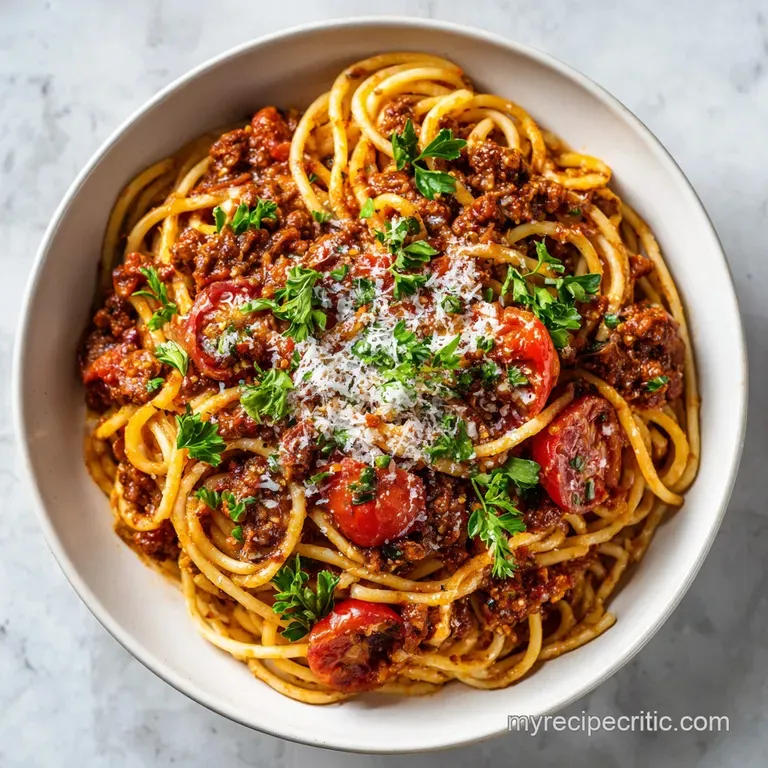
1. Sweating the Aromatics
Heat 30ml olive oil in a large saucepan over medium heat. Add the minced onion and cook for 5 minutes until translucent and soft but not browned. Note: This creates a sweet base layer.
2. Toasting the Paste and Herbs
Stir in the 4 cloves of minced garlic, 5ml oregano, and 2.5ml red pepper flakes. Cook for 1 minute until the garlic is fragrant and sizzling.
3. Caramelizing the Base
Add 15ml tomato paste to the center of the pan. Stir constantly for 2 minutes until the paste turns a dark mahogany color. Note: This step removes the raw metallic taste.
4. Simmering to Perfection
Pour in 794g crushed tomatoes and 120ml water. Season with 2.5ml sea salt and 1.25ml black pepper.
5. Managing the Heat
Bring the mixture to a low boil, then immediately turn the heat down to low. Simmer for 25 minutes until the sauce thickens and the oil pools slightly on top.
6. Finishing the Sauce
Remove the pan from the heat. Stir in 15g fresh basil ribbons.
7. Final Seasoning Check
Taste the sauce with a clean spoon. If it tastes flat, add a tiny pinch more salt until the tomato flavor pops.
8. Emulsifying for Texture
If the sauce looks separated, give it a vigorous whisk for 30 seconds to bond the fat and water.
Solving Common Sauce Issues
Why Your Sauce Is Thin
If your sauce looks more like soup than a coating, it simply hasn't reduced enough. Every tomato brand has a different water content. Some are packed in thick puree, while others are basically floating in juice.
If you are using a wider skillet, it will thicken faster than a tall, narrow pot because there is more surface area for evaporation.
Why Your Sauce Is Acidic
Tomatoes are naturally high in acid, and sometimes a specific batch can be particularly sharp. Instead of reaching for sugar, try adding a knob of butter or a splash more olive oil. The fat coats your tongue and mellows out the perceived acidity.
If it's still too sharp, a tiny pinch of baking soda can neutralize the pH balance, though it might fizz for a second.
| Problem | Root Cause | Solution |
|---|---|---|
| Bitter Taste | Burnt garlic or herbs | Sauté garlic for 60 seconds max. Keep heat at medium low. |
| Bland Flavor | Lack of salt/acid | Add salt 1/4 tsp at a time or a teaspoon of balsamic vinegar. |
| Orange Color | Too much air (over blending) | Let the sauce sit or simmer longer to settle the pigments. |
Common Mistakes to Avoid
- ✓ Never skip sautéing the tomato paste - it is the secret to the deep color.
- ✓ Don't add the fresh basil at the start; it will turn brown and bitter.
- ✓ Keep the lid off while simmering so the excess water can actually escape.
- ✓ Avoid high heat once the tomatoes are in, as they will splatter everywhere.
Scaling Your Batch
If you are cooking for a crowd or want to fill your freezer, this recipe scales beautifully. For a double batch, use a large Dutch oven. You only need to increase the salt and spices to about 1.5x the original amount; otherwise, the oregano can become overwhelming.
When cutting the recipe in half, use a much smaller saucepan. If the pot is too big, the liquid will evaporate too fast and you'll end up with a thick paste before the onions are even tender. If you find yourself with extra sauce, it's the perfect base for a Foolproof Chicken Alfredo recipe if you want to mix red and white sauces for a "pink" vodka style vibe.
| Method | Best For | Time Adjustment | Texture Note |
|---|---|---|---|
| Stovetop (Standard) | Fresh dinner | 25 mins simmer | Best balance of flavors |
| Slow Cooker | Meal prep | 4 hours on low | Sweeter, more mellow |
| oven-roasted | Large batches | 45 mins at 180°C | Intense, caramelized edges |
Myths About Tomato Sauce
A huge misconception is that you must add sugar to make a good sauce. Sugar is often a crutch used to hide low quality tomatoes or a lack of proper onion caramelization. If you cook your onions and tomato paste correctly, the natural sugars provide all the balance you need.
Another myth is that "fresh is always better." Honestly, unless it is peak August and you have vine ripened heirlooms, canned crushed tomatoes are superior. They are picked and packed at their absolute peak, whereas "fresh" supermarket tomatoes in winter are often mealy and flavorless.
This easy homemade pasta sauce thrives on the consistency of high-quality canned goods.
Storage and Zero Waste
You can keep this sauce in a sealed glass jar in the fridge for up to 4 days. For long term storage, it freezes perfectly for up to 6 months. Pro Tip: Freeze the sauce in muffin tins, then pop the frozen pucks into a freezer bag.
This way, you can grab just one or two servings for a quick lunch without thawing the whole batch.
Don't toss those basil stems! If you have leftover stems after making your chiffonade, throw them into the pot while the sauce simmers, then fish them out before serving. They contain a ton of aromatic oil. Also, if you have a Parmesan rind lingering in your fridge, drop it into the simmering sauce.
It adds a salty, nutty depth that is absolutely brilliant.
Serving Suggestions
This sauce is a total chameleon. While it is great over standard noodles, I love using it as a poaching liquid for eggs (Shakshuka style) the next morning. It also works as a vibrant base for a Scallops Pasta recipe if you want to swap the white wine sauce for something red and robust.
If you want to turn this into a "simple creamy pasta sauce recipe," just stir in 60ml of heavy cream at the very end. If you’re feeling extra, a dollop of cold ricotta on top of the finished plate adds a velvety contrast to the acidic tomatoes.
Always finish with a grating of salty Pecorino or Parmesan and a final crack of black pepper to wake everything up.
Recipe FAQs
How to make a really simple pasta sauce?
Sauté onions, then toast the tomato paste until dark. Add crushed tomatoes, water, and simmer gently for 25 minutes, stirring occasionally. This technique skips long simmering by maximizing flavor through controlled caramelization.
What are the 4 key ingredients in a simple pasta sauce base?
Olive oil, onion, tomato paste, and crushed tomatoes. These form the foundational flavor profile by establishing the fat, sweet aromatic, umami core, and acidic structure, respectively.
What do you need for homemade pasta sauce?
You need a heavy bottomed saucepan, olive oil, onions, garlic, dried oregano, red pepper flakes, tomato paste, and canned crushed tomatoes. The heavy bottom prevents scorching during the critical 2-minute tomato paste toasting stage.
What is the one ingredient that makes spaghetti sauce so much better?
Toasted tomato paste. Cooking the paste separately until it turns a dark mahogany color unlocks deep umami flavors that replicate hours of slow cooking, adding savory depth.
Is it true you should skip sugar in easy homemade pasta sauce?
Yes, sugar is usually unnecessary. If you caramelize your onions and toast the tomato paste properly, the natural sugars released create sufficient sweetness to balance the tomato acidity.
How to thicken a pasta sauce that seems too thin?
Simmer uncovered for an additional 10-15 minutes. Increased surface exposure allows excess water to evaporate, concentrating the tomato solids. If you mastered the stable emulsion in this sauce, apply that same whisking principle for a moment to help it bind.
What is the best way to finish this easy sauce for a bright flavor?
Remove the sauce from the heat and stir in fresh basil and a drizzle of good olive oil. This process, called 'blooming' the fresh herbs and fat off-heat, preserves their vibrant volatile oils instead of dulling them with prolonged cooking.
Easy Homemade Pasta Sauce
Ingredients:
Instructions:
Nutrition Facts:
| Calories | 94 calories |
|---|---|
| Protein | 2.1 g |
| Fat | 4.8 g |
| Carbs | 11.4 g |
| Fiber | 2.8 g |
| Sugar | 6.7 g |
| Sodium | 416 mg |
