The Best Chile Verde Recipe for Authentic Flavor
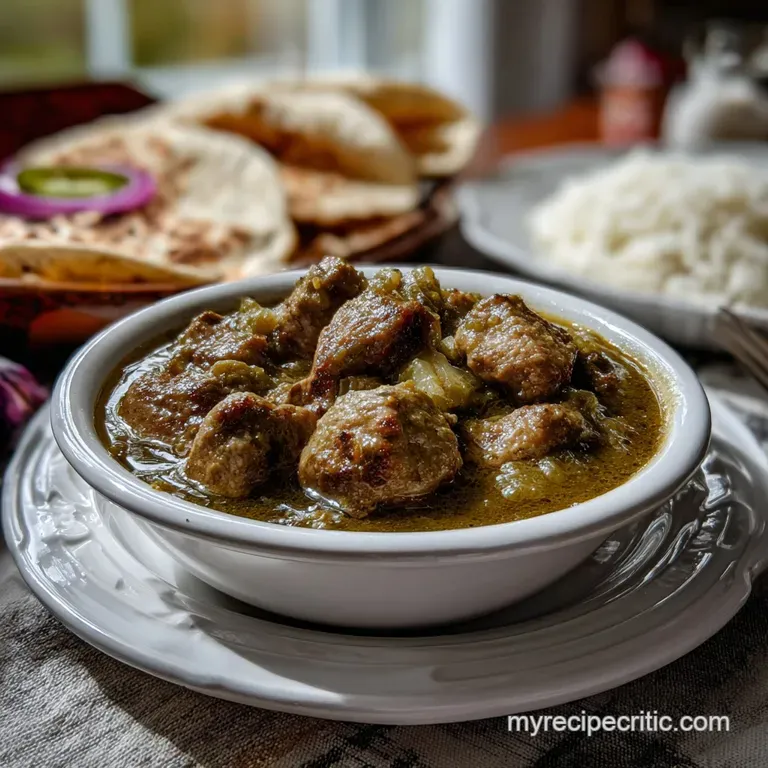
- Effort/Time: 30 minutes prep, 2 hours 30 mins cook time.
- Flavor Hook: Smoky charred poblanos meet bright, tangy tomatillos.
- Perfect for: Sunday family dinners or crowd-pleasing meal prep.
- Mastering the Ultimate Chile Verde Recipe: A Deep Dive into Flavor
- The Science of Why it Works
- Ingredients and Essential Substitutions
- Step-by-Step Instructions for Traditional Chile Verde
- Expert Tips and Common Mistakes to Avoid
- Storage, Freezing, and Reheating Guidelines
- Serving Suggestions for the Perfect Meal
- Recipe FAQs
- 📝 Recipe Card
Mastering the Ultimate Chile Verde Recipe: A Deep Dive into Flavor
Why This Recipe Works: The Science of Flavor
Most versions of this stew end up with tough meat or a thin, watery sauce. I spent months perfecting the ratio of aromatics to liquid, and I finally discovered that the secret isn't more water it's less.
This chile verde recipe relies on the natural moisture of 1.5 lbs fresh tomatillos to create a concentrated, velvety base.
I remember my first attempt years ago. I boiled the vegetables instead of roasting them, resulting in a dull, greyish soup that lacked any soul. The sizzle of the pork hitting a hot Lodge Cast Iron Skillet changed everything for me.
Now, this is the only chile verde recipe my family asks for by name.
The Science of Why it Works
- Collagen Conversion: Long duration simmering at low temperatures converts tough connective tissue in the 3 lbs pork shoulder into gelatin, creating a rich, mouth coating texture.
- Pectin Breakdown: Tomatillos are high in pectin, which breaks down during the 2 hour 30 mins cook time to naturally thicken the sauce without the need for flour or cornstarch.
- Maillard Reaction: Searing the pork cubes creates new flavor molecules through the reaction of amino acids and reducing sugars, providing deep savory notes.
The Science Behind 3 lbs Pork Shoulder
- What It Does
- Acts as the structural protein base and primary flavor carrier.
- The Chemistry
- High concentrations of collagen and intermuscular fat undergo protein denaturation and lipid melting during the braise.
- Why This Matters
- This ensures the meat remains succulent and "shatters" under a fork rather than becoming stringy and dry.
The Science Behind 1.5 lbs Fresh Tomatillos
- What It Does
- Provides the foundational acidity and body of the green sauce.
- The Chemistry
- High levels of citric and malic acids lower the pH of the cooking liquid.
- Why This Matters
- This acidity cuts through the heavy fats of the pork, balancing the palate and tenderizing the muscle fibers.
The Science Behind 2 tsp Ground Cumin
- What It Does
- Adds earthy, warm aromatic depth.
- The Chemistry
- Cumin contains cuminaldehyde, which is fat-soluble and infuses throughout the rendered pork fat.
- Why This Matters
- It bridges the gap between the bright chiles and the heavy meat, providing a cohesive flavor profile.
Ingredients and Essential Substitutions
| Original Ingredient | Substitute | Why It Works |
|---|---|---|
| 3 lbs Pork Shoulder | Pork Butt | Both are high fat, high collagen cuts that thrive during long braises. |
| 1.5 lbs Fresh Tomatillos | Canned Tomatillos (28 oz) | Pre-cooked and acidic, though you'll miss the smoky char of fresh roasting. |
| 1 tsp Mexican Oregano | Dried Marjoram | Offers a similar citrusy, floral note compared to traditional Mediterranean oregano. |
| 2 cups Chicken Broth | Vegetable Broth | Maintains the liquid volume and salt content, though provides less "body." |
step-by-step Instructions for Traditional Chile Verde
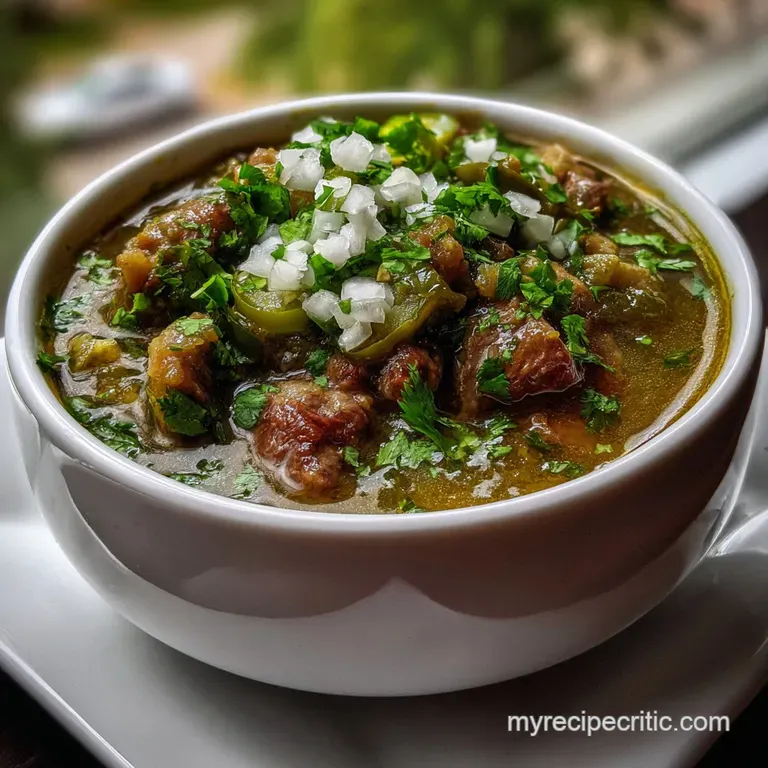
Charring and Blending the Roasted Green Sauce
- Roast the 1.5 lbs tomatillos, 300g poblano peppers, 30g jalapeños, and 300g white onion. Note: High heat causes the skins to blister and undergo pyrolysis, adding smoky complexity to the chile verde recipe.
- Char the 25g garlic cloves in their skins on the same tray. Note: Keeping skins on prevents the garlic from burning and becoming bitter during the roasting process.
- Steam the roasted poblanos in a covered bowl for 10 minutes. Note: Trapped steam loosens the skin (exocarp) from the flesh, making it easy to peel.
- Blend all roasted vegetables with 1 bunch fresh cilantro and 1 tbsp lime juice in a Vitamix. Note: Emulsifying the vegetables creates a homogenous sauce base for the chile verde recipe.
Searing the Protein for a Rich Maillard Crust
- Pat dry the 3 lbs pork shoulder cubes with paper towels. Note: Removing surface moisture is critical; water absorbs energy to evaporate, preventing the meat from reaching the 300°F required for browning.
- Heat 2 tbsp neutral oil in a Le Creuset Dutch Oven until shimmering. Note: over High heat oils like avocado oil have a smoke point above 400°F, ideal for searing.
- Sear the pork in small batches until a golden brown crust forms. Note: Overcrowding the pan drops the temperature, causing the meat to steam in its own juices.
- Season with Diamond Crystal Kosher Salt and black pepper during the sear. Note: Salt draws out proteins to the surface, enhancing the crust formation.
Simmering the Stew to Melt-in-Your Mouth Perfection
- Deglaze the pot with a splash of the 2 cups chicken broth. Note: This lifts the "fond" the caramelized bits stuck to the bottom integrating that concentrated flavor back into the stew.
- Combine the seared pork, the blended green sauce, 2 tsp ground cumin, and 1 tsp Mexican oregano. Note: Combining the fats with the acidic sauce initiates the slow tenderization process.
- Pour in the remaining chicken broth until the meat is just submerged. Note: Proper liquid levels ensure even heat distribution without diluting the intensity of the chile verde recipe.
- Simmer on low for 2 hours 30 mins, or until the pork is tender. Note: Maintaining a gentle simmer (approx. 190°F) prevents the protein fibers from tightening and becoming tough.
Chef's Tip: For an unconventional flavor boost, add one small piece of star anise to the pot during the simmer. It won't make the stew taste like licorice, but it contains anethole, which chemically amplifies the savory "meatiness" of the pork.
Expert Tips and Common Mistakes to Avoid
| Problem | Why It Happens | The Fix | Pro Protocol |
|---|---|---|---|
| Bitter Sauce | Garlic burnt or tomatillos underripe | Add a pinch of sugar or more lime juice | Use a laser thermometer to ensure the roasting tray doesn't exceed 450°F. |
| Tough Meat | Heat was too high or time too short | Simmer longer on lower heat | Use a ThermoWorks Thermapen to verify the pork's internal temp is 205°F for max tenderness. |
| Thin Sauce | Too much broth added initially | Simmer uncovered for the last 30 minutes | Mash a few pieces of pork against the side of the pot to release natural thickeners. |
Common Myths
Myth: You must boil the tomatillos before blending. Truth: Roasting is superior. Boiled tomatillos retain too much water and can lead to a metallic, "tinny" flavor profile.
Roasting concentrates sugars and adds a charred depth essential for an authentic chile verde recipe.
Myth: The seeds of the peppers provide all the flavor. Truth: Most flavor is in the flesh and the ribs; the seeds mostly contribute erratic heat. For a balanced chile verde recipe, remove the seeds but keep the ribs of the poblanos for structure.
Storage, Freezing, and Reheating Guidelines
Storage: Store leftovers in an airtight container in the fridge for up to 4 days. The flavors in this chile verde recipe actually improve on day two as the aromatic compounds have more time to distribute. While you're waiting for it to chill, you might enjoy a lighter meal like this Tuna Salad Recipe: Classic Creamy Deli Style in 10 Minutes.
Freezing: This stew freezes beautifully for up to 3 months. Use heavy duty freezer bags and squeeze out all air to prevent freezer burn. The high fat and gelatin content protect the meat fibers from ice crystal damage.
Reheating: Thaw overnight in the fridge. Reheat on the stovetop over medium low heat, adding a splash of chicken broth if the sauce has thickened too much. Avoid the microwave, which can result in "rubbery" pork textures.
Serving Suggestions for the Perfect Meal
To truly honor this chile verde recipe, serve it in wide, shallow bowls. The sauce should be thick enough to coat a spoon, reminiscent of the texture found in a Lobster Bisque Recipe: The Classic French Velvety Soup.
Classic Toppings and Garnish Ideas
- Radishes: Thinly sliced for a "shatter" of crunch against the soft meat.
- Crema: A drizzle of Mexican crema or sour cream to provide a cooling contrast to the jalapeño heat.
- Pickled Red Onions: The sharp vinegar pop cuts through the richness of the pork shoulder.
- Fresh Lime: A final squeeze just before serving brightens the heavy fats.
The Best Side Dishes to Pair with Green Chili Stew
- Warm Flour Tortillas: Essential for mopping up every drop of the green sauce.
- Cilantro Lime Rice: The acidity in the rice mirrors the lime in the chile verde recipe.
- Refried Beans: A creamy, earthy side that balances the spicy profile of the peppers.
- Cornbread: If you want a fusion twist, a slightly sweet cornbread is a fantastic vehicle for the savory pork.
Whether you're making this for a weekend feast or a weeknight win, this chile verde recipe is a masterclass in slow cooked flavor. The combination of charred aromatics and patiently simmered pork creates a depth that simply can't be rushed.
Put on some music, let the pot simmer, and get ready for the best bowl of green chili you've ever had.

Recipe FAQs
What is the best cut of pork to use?
Pork shoulder (Boston butt) yields the best result. Its high fat and connective tissue content break down during slow braising, resulting in maximum tenderness and flavor infusion. This long cooking process ensures the meat absorbs the rich chile flavor completely.
Can I use store-bought tomatillos?
Yes, but fresh yield superior tartness. Canned or jarred tomatillos are often too soft and lack the bright, acidic snap needed to balance the pork fat. For optimal flavor layering, try roasting the fresh ones deeply until skins are blackened, similar to how we enhance flavor in the Lemon Curd: The Bright Buttery Classic Recipe.
Should I brown the pork before simmering?
Browning enhances deep savory notes. The Maillard reaction creates hundreds of new flavor compounds on the pork surface via amino acid and reducing sugar interaction, adding foundational depth missed by simple boiling.
- Sear pork in batches
- Ensure high heat oil is used
- Don't overcrowd the pan
Is this recipe spicy enough for serious chile lovers?
It is highly customizable for heat levels. The inherent heat comes from the variety and quantity of green chiles used; you can increase Scoville units by adding serrano or even habanero peppers. If you prefer a milder sauce base, consider using a pre-mixed blend like our Italian Seasoning: Best Homemade Italian Seasoning Recipe for complexity without overwhelming heat.
How does roasting the chiles compare to boiling them?
Roasting concentrates sweetness and smokiness. Charring releases aromatic compounds trapped in the pepper skin while simultaneously reducing water content, intensifying the overall flavor profile compared to the washed out taste from boiling.
Myth: You must use chicken broth as the braising liquid.
Myth: You must use chicken broth as the braising liquid. Reality: Water or unseasoned stock works because the chile paste provides the necessary flavor foundation. Excessly seasoned broth risks over salting the final dish, overpowering the delicate tang of the tomatillos.
Can I use lime juice or vinegar for acidity?
Lime juice provides brighter, fresher acidity. Vinegar introduces a sharper, more fermented tang that competes with the roasted chile flavors in the sauce. Lime complements the herbaceous notes naturally found in tomatillo based sauces.
Easy Chile Verde Recipe
Ingredients:
Instructions:
Nutrition Facts:
| Calories | 405 kcal |
|---|---|
| Protein | 31g |
| Fat | 26g |
| Carbs | 7g |
| Fiber | 2g |
| Sugar | 3g |
| Sodium | 840mg |
