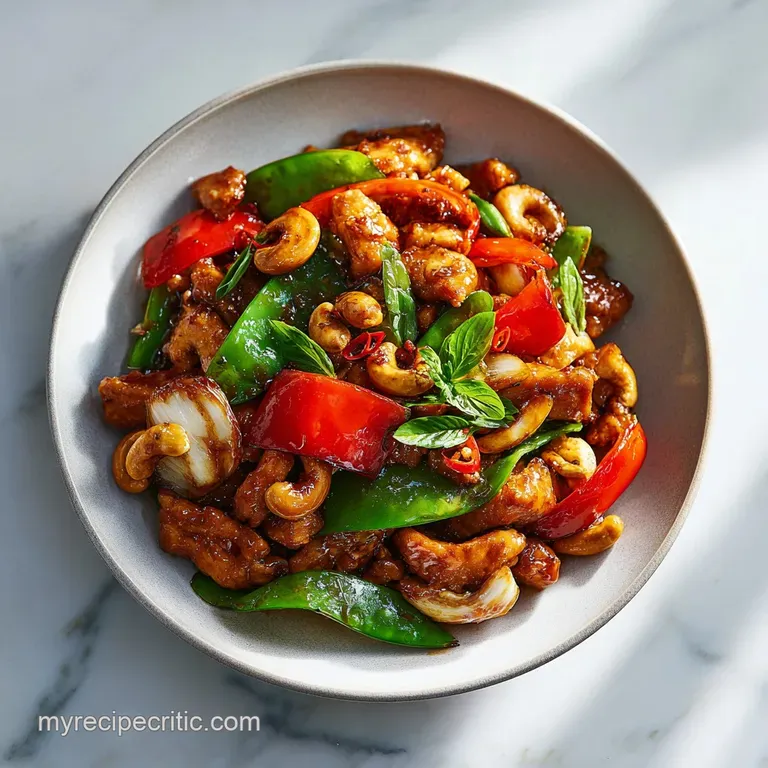
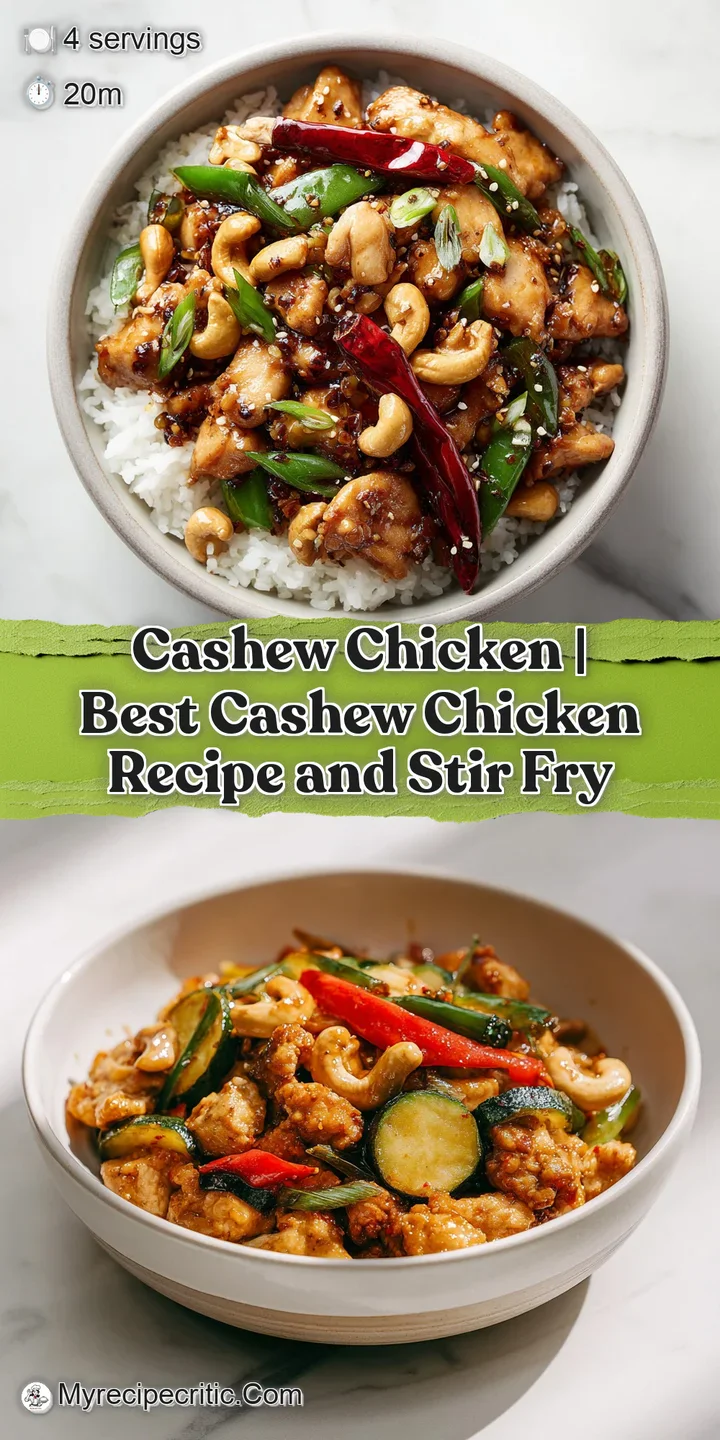
Cashew Chicken: Tender, Glazed, and Ready in 20 Minutes
- Time: Active 10 minutes, Passive 10 minutes, Total 20 minutes
- Flavor/Texture Hook: Silky chicken, shatter crisp cashews, and a savory sweet glaze
- Perfect for: Busy weeknights when you want takeout quality without the wait
- Create Better Than Takeout Cashew Chicken at Home
- Mastering the High Heat and Quick Timing Secrets
- Understanding Every Component of Your Stir Fry Sauce
- Choosing the Right Pan for the Best Results
- The Essential Shopping List
- Simple Steps to a Glossy and Crispy Stir Fry
- Solving Common Problems with Your Homemade Stir Fry
- Creative Ways to Customize Your Cashew Chicken Bowl
- Keeping Leftovers Fresh and Using Every Last Drop
- Perfect Pairings for Your Savory Nutty Chicken Dish
- Debunking Stir Fry Myths
- Very High in Sodium
- Recipe FAQs
- 📝 Recipe Card
Create Better Than Takeout Cashew Chicken at Home
The first time I tried to make this at home, I basically made a soggy mess of boiled chicken and soft nuts. It was honestly depressing. I remember the kitchen smelling vaguely like soy sauce, but the texture was all wrong.
You know that specific "shatter" you get when you bite into a cashew from a good Chinese restaurant? I didn't have that. My chicken was tough, and the sauce was watery. I almost gave up and called for delivery, but then I started obsessing over how the pros actually do it.
It turns out, the secret isn't some magical ingredient you can't find at the local shop. It’s all about the timing and a little starch trick called velveting. When you get that wok screaming hot and you hear that first aggressive sizzle of the meat hitting the metal, you know you’re on the right track.
The aroma of toasted sesame oil and fresh ginger hitting the heat is enough to make anyone hungry. We're going for that velvety, silky chicken texture that contrasts perfectly with the loud crunch of the cashews.
We are going to skip the deep frying but keep all the flavor. This version is fast like, "don't walk away from the stove" fast. You’ll have a dinner that looks like it came out of a professional kitchen, but it's really just you and a heavy bottomed skillet.
Trust me, once you see that sauce thicken into a glossy, dark glaze that clings to every piece of chicken, you’ll never look at a takeout menu the same way again. It’s brilliant, it’s fast, and it actually works every single time.
Mastering the High Heat and Quick Timing Secrets
The reason this dish works so well isn't just luck; it’s the way we handle the heat and the moisture. Most home cooks crowd the pan, which drops the temperature and steams the food instead of searing it. We want a sear.
We want those little brown bits on the chicken because that is where the soul of the flavor lives.
- Velveting Technique: The cornstarch and soy sauce create a thin protective barrier. This keeps the juices inside the chicken while the outside gets that signature silky mouthfeel.
- Sequential Cooking: We toast the cashews first to wake up their oils and then pull them out. If they stayed in the whole time, they’d turn into mush.
- Aromatic Infusion: Grating the ginger and mincing the garlic fresh means they release their oils instantly into the sauce, creating a much deeper flavor than the jarred stuff ever could.
- Starch Gelatinization: The cornstarch in the marinade and the sugars in the hoisin sauce work together to thicken the chicken stock into a thick glaze in seconds once it hits the pan.
Choose Your Cooking Method
| Method | Time | Texture | Best For |
|---|---|---|---|
| Traditional Wok | 10 minutes | Maximum sear and smoky "wok hei" | over High heat enthusiasts with a gas range |
| Cast Iron Skillet | 12 minutes | Even browning and great heat retention | Most home kitchens; very reliable |
| Non Stick Pan | 15 minutes | Softer texture, easier cleanup | Beginners or those using less oil |
Before you even turn on the burner, you have to be ready. Because the cook time is only 10 minutes total, there is no time to be chopping peppers or peeling garlic while the chicken is in the pan. I call this the "no distraction zone." If you're a fan of over high heat cooking, you might also love the technique used in my Chicken Parmesan recipe, where getting that initial crust is just as vital for the final texture.
Understanding Every Component of Your Stir Fry Sauce
When we look at what makes this sauce work, it's a balance of salt, sweet, and acidity. The hoisin is the heavy lifter here. It's thick, dark, and packed with fermented soybeans, five spice, and sugar. It provides the "body" of the sauce.
If you just used soy sauce, the liquid would be too thin to coat the chicken properly. The rice vinegar is the unsung hero it cuts through the sugar and fat, making the whole dish feel lighter and more vibrant.
| Component | Science Role | Pro Secret |
|---|---|---|
| Cornstarch | Moisture Barrier | Acts like an "insulator" for the protein fibers to prevent toughening. |
| Hoisin Sauce | Emulsifier | The high sugar and starch content helps the stock and oil bind into a glossy glaze. |
| Toasted Sesame Oil | Aromatic Layer | Has a low smoke point, so we add it to the marinade for flavor rather than frying. |
The chicken stock is what gives us enough volume to actually have a "sauce." Without it, the hoisin would just burn and become sticky. By whisking them together beforehand, you ensure that the garlic and ginger are evenly distributed.
I’ve made the mistake of throwing garlic directly into a dry pan, and it burns in about four seconds. Don't do that. Mix it into the liquid; it's much safer and tastes better.
Choosing the Right Pan for the Best Results
For a recipe like this, your choice of tools actually matters. You need something that can hold onto heat. When you add 1 lb of cold chicken breast to a thin, cheap pan, the temperature is going to plummet. Instead of searing, your chicken will sit in its own juices and turn grey. It’s not a good look.
I usually reach for a well seasoned cast iron skillet if I'm not using my carbon steel wok. Cast iron is like a battery for heat it stays hot no matter what you throw at it. If you're using a standard stainless steel pan, just make sure you preheat it until a drop of water dances on the surface.
That’s how you know it’s ready for the oil. Also, keep your tools simple. A sturdy metal spatula or a pair of long tongs is all you need to keep things moving.
Since we are focusing on minimal tools here, don't feel like you need a 10 piece professional set. One good heavy pan is better than five mediocre ones. This philosophy of simple, reliable steps is something I also apply when making a Filipino Chicken and Pork Adobo, where the pot does most of the heavy lifting over time. Here, the heat does the work fast.
The Essential Shopping List
- 1 lb chicken breast: Sliced into 1 inch pieces. Why this? Breast meat stays lean and picks up the delicate sauce flavors perfectly.
- 1 tbsp soy sauce (for marinade): Adds salt and color to the meat.
- 1 tbsp cornstarch: The key to the "velveting" texture.
- 1 tsp toasted sesame oil: Provides a nutty, toasted backbone.
- 3 tbsp hoisin sauce: The base for that mahogany color.
- 2 tbsp soy sauce (for sauce): Deepens the savory umami profile.
- 1 tbsp rice vinegar: Adds a necessary tang to balance the sugar.
- 1 tsp fresh ginger, grated: Brings a sharp, spicy warmth.
- 2 cloves garlic, minced: Essential for that classic stir fry aroma.
- 1/2 cup chicken stock: Creates the volume for the glaze.
- 1 cup raw cashews: These will be toasted for maximum crunch.
- 1 large bell pepper: Chopped into 1 inch squares for crunch and color.
- 3 green onions: Sliced into batons for a fresh, sharp finish.
- 2 tbsp neutral oil: Use something with a high smoke point like canola or grapeseed.
| Original Ingredient | Substitute | Why It Works |
|---|---|---|
| Chicken Breast | Chicken Thighs | Thighs are more forgiving and stay juicier if you overcook them slightly. |
| Hoisin Sauce | BBQ Sauce + Soy | Similar sweet/savory profile. Note: Result will be smokier and less traditional. |
| Rice Vinegar | Apple Cider Vinegar | Similar acidity levels, though slightly more fruity than the original. |
Simple Steps to a Glossy and Crispy Stir Fry
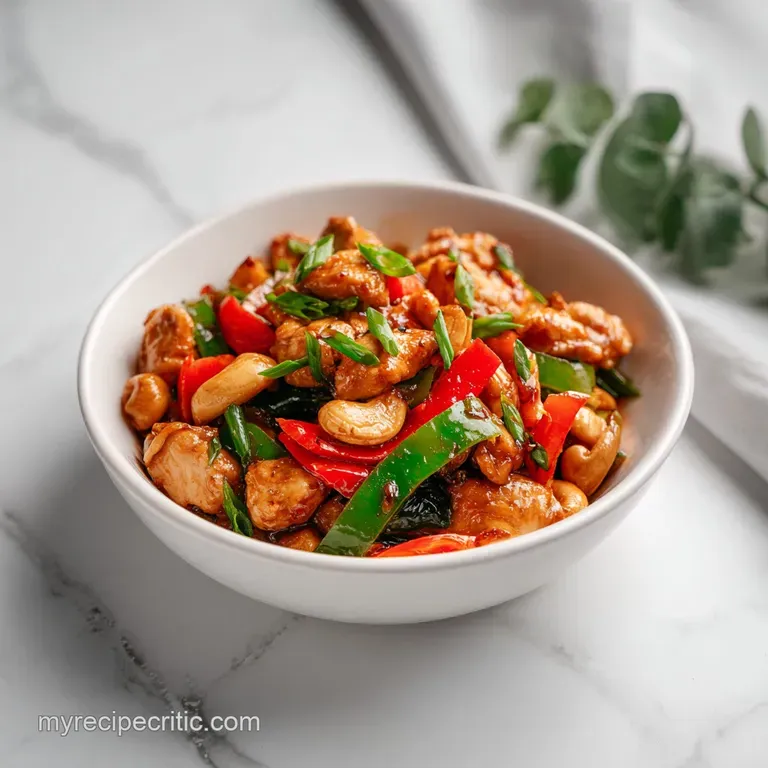
- Whisk the sauce. In a small bowl, combine the hoisin, 2 tbsp soy sauce, rice vinegar, ginger, garlic, and chicken stock. Note: Mixing this now prevents the aromatics from burning later.
- Velvet the chicken. Toss the sliced chicken breast with 1 tbsp soy sauce and 1 tbsp cornstarch in a separate bowl. Let it sit for 5 minutes. Note: This creates the protective coating for the meat.
- Toast the cashews. Heat 1 tablespoon of neutral oil in your wok or skillet over high heat. Add the raw cashews and stir for 60 seconds until they are pale golden brown and fragrant. Remove and set aside immediately.
- Sear the protein. Add the remaining tablespoon of oil to the hot pan. Place the chicken in a single layer and let it sit for 1-2 minutes until a golden crust forms.
- Add the veg. Toss the bell peppers into the pan with the chicken. Stir fry for 2-3 minutes until the peppers are bright but still have a snap.
- The big finish. Pour the prepared sauce into the pan. Add the toasted cashews and the green onion batons.
- Glaze everything. Toss everything rapidly over high heat for about 60 seconds until the sauce bubbles and thickens into a glossy glaze.
- Check the temp. Ensure the chicken has reached an internal temp of 74°C (165°F).
- Serve immediately. Move the Cashew Chicken to a plate while it’s still piping hot to keep the cashews from softening.
Solving Common Problems with Your Homemade Stir Fry
Stir frying is a fast paced game, and sometimes things go sideways. The most common issue I hear about is the "soggy cashew." If you add the nuts too early or let the finished dish sit in the pan with the heat off, the steam will penetrate the nuts and turn them soft.
Always add them at the very end and serve right away.
Why Your Sauce is Too Thick
If your sauce turns into a gelatinous blob the moment it hits the pan, it’s usually because the heat was too high for too long, or you didn't have enough chicken stock. The cornstarch in the marinade also contributes to thickening. If this happens, don't panic.
Just splash in a tablespoon of water or extra stock and toss quickly to thin it back out.
| Problem | Root Cause | Solution |
|---|---|---|
| Rubbery Chicken | Overcooked or skipped velveting | Pull chicken at 74°C and never skip the cornstarch step. |
| Bland Sauce | Old ginger or garlic | Always use fresh aromatics; the pre minced jars lose their punch fast. |
| Burning Aromatics | Adding garlic to a dry pan | Always mix garlic/ginger into the liquid sauce ingredients first. |
Common Mistakes Checklist
- ✓ Pat the chicken dry before adding the marinade to ensure the cornstarch sticks.
- ✓ Preheat the pan for at least 3 minutes; it should be shimmering before the oil goes in.
- ✓ Don't double the recipe in one pan; work in batches to keep the heat high.
- ✓ Cut everything uniformly so the chicken and peppers cook at the exact same rate.
- ✓ Use raw cashews rather than pre roasted ones for the best control over the final crunch.
Creative Ways to Customize Your Cashew Chicken Bowl
If you want to change things up, this recipe is incredibly flexible. While the classic version uses bell peppers, you can easily swap in snap peas, broccoli florets, or even sliced water chestnuts for extra texture.
If you're looking for a "Healthy Cashew Chicken Recipe," you can double the amount of vegetables and serve it over cauliflower rice. The sauce is flavorful enough that it can carry a lot of extra greens without feeling diluted.
For those needing a "gluten-free Cashew Chicken," simply swap the soy sauce for Tamari and ensure your hoisin sauce is certified gluten-free. Most standard hoisin sauces contain wheat as a thickener, so definitely check the labels.
If you like a bit of heat, throwing in a handful of dried red chilis or a teaspoon of red pepper flakes during the vegetable stage will give it a nice "Kung Pao" vibe without losing the cashew identity.
Scaling for a Crowd
Scaling stir fry is tricky because of the heat issue I mentioned earlier. If you want to double this to serve 8 people, do not just put 2 lbs of chicken in the pan at once. Your stove simply cannot produce enough BTUs to keep that pan hot.
To Scale Up: Double the ingredients but cook the chicken and vegetables in two separate batches. Combine everything with the sauce at the very end. To Scale Down: If you're cooking for one, you can halve everything easily.
Use a smaller skillet (about 8 inches) to ensure the sauce doesn't evaporate too quickly.
Keeping Leftovers Fresh and Using Every Last Drop
Stir fries are always best the moment they leave the pan, but life happens. If you have leftovers, store them in an airtight container in the fridge for up to 3-4 days. When reheating, I highly recommend using a skillet over medium heat rather than the microwave.
The microwave will make the chicken rubbery and the cashews soft. A quick toss in a pan with a splash of water will help loosen the sauce and restore some of that original texture.
Zero Waste Tip: If you find yourself with extra bell pepper scraps or the white parts of the green onions you didn't use, don't toss them! Throw them into a freezer bag. Once the bag is full, you can use those scraps to make a quick vegetable stock or add them to an omelet the next morning.
Even the leftover mahogany sauce at the bottom of the pan is liquid gold toss some cold leftover rice into the pan after you've plated the chicken to soak up every last drop of that umami flavor.
Perfect Pairings for Your Savory Nutty Chicken Dish
The obvious choice here is a fluffy bed of white jasmine rice. The rice acts like a sponge, soaking up all that extra hoisin garlic glaze. If you want something a bit heartier, brown rice or even quinoa works surprisingly well. The nuttiness of the grain complements the toasted cashews beautifully.
But what about the sides? I love serving this with a simple smashed cucumber salad the cold, vinegary crunch of the cucumbers provides a fantastic contrast to the hot, savory chicken. If you're looking for something more substantial, you could pair this with a quick vegetable stir fry or even some garlic noodles. Just remember to keep the sides relatively simple so they don't compete with the bold flavors of the Cashew Chicken. If you're in the mood for a different kind of comfort, this dish actually sits very well alongside a Cheesy Chicken Casserole if you're doing a big family buffet style dinner!
Debunking Stir Fry Myths
One of the biggest myths is that you need a specialized high BTU burner to make good Chinese food at home. While "wok hei" (the breath of the wok) is real, you can achieve 90% of that flavor profile just by using a heavy cast iron pan and not overcrowding it.
The sear is the most important part, not the shape of the pan.
Another misconception is that the cashews need to be salted or roasted beforehand. Actually, using raw cashews allows you to control the exact level of toastiness. When you fry them yourself for that 60 seconds, you're getting a much fresher, more vibrant nut flavor than anything that has been sitting in a tin for six months.
It makes a massive difference in the final "crunch factor."
Finally, people often think velveting requires a massive amount of oil. You'll see "long pass" velveting in restaurants where they blanch the meat in oil, but our "water velveting" or simple starch coating method is much healthier and gives you almost identical results for a home cooked meal.
It's about the chemistry of the starch, not the volume of the oil.
Very High in Sodium
915 mg 915 mg (40% 40%)
The American Heart Association recommends limiting sodium intake to no more than 2,300mg per day, with an ideal limit of less than 1,500mg for most adults.
Tips to Reduce Sodium
-
Low-Sodium Soy Sauce Swap-25%
Replace both instances of 1 tbsp and 2 tbsp soy sauce (totaling 3 tbsp) with low-sodium soy sauce. This is the most significant contributor to sodium in this recipe.
-
Low-Sodium Chicken Stock-20%
Substitute the 1/2 cup of chicken stock with low-sodium chicken stock or broth to significantly reduce added sodium.
-
Flavor with Herbs & Spices
Incorporate fresh herbs like cilantro or parsley, and increase the ginger and garlic. Consider adding chili flakes for a kick.
-
Rinse Cashews-5%
If using salted cashews, rinse them thoroughly under cold water. If possible, opt for unsalted raw cashews to begin with.
Recipe FAQs
What does cashew chicken have in it?
It features chicken breast, raw cashews, and bell peppers coated in a savory sweet glaze. The sauce is a blend of hoisin, soy sauce, rice vinegar, fresh ginger, garlic, and chicken stock, thickened with a cornstarch velveted chicken base.
Is cashew chicken a Missouri thing?
Yes, it is a regional staple of Springfield, Missouri. This specific version is famous for its deep fried, battered chicken chunks smothered in a savory oyster based gravy, which differs significantly from the stir fried version listed here.
What is the difference between kung pao chicken and cashew chicken?
Kung pao chicken emphasizes spicy heat and numbing Sichuan peppercorns, while cashew chicken focuses on the mellow, buttery crunch of nuts. If you enjoyed mastering the stir fry sear here, see how the same heat management technique works in our authentic chicken gyros.
Is cashew chicken Thai or Chinese?
It is generally considered a Chinese American invention. While stir frying with nuts exists in many Asian culinary traditions, the specific combination of chicken, cashews, and hoisin sauce is a hallmark of Chinese American restaurant menus.
How to keep the cashews crunchy?
Toast the raw cashews in the wok first and set them aside. Only add them back into the pan during the final tossing step so they do not soak up the sauce and lose their texture before serving.
How to prevent the chicken from sticking?
Preheat your skillet for at least 3 minutes before adding any oil. Ensuring the pan is properly shimmering and adding the chicken in a single layer without overcrowding prevents it from steaming or sticking to the surface.
How to fix thin, watery sauce?
Toss rapidly over high heat until the liquid reduces. The cornstarch already present on your velveted chicken will naturally thicken the sauce into a glossy glaze as the chicken stock evaporates and hits the high heat surface.
Easy Cashew Chicken Stir Fry
Ingredients:
Instructions:
Nutrition Facts:
| Calories | 522 kcal |
|---|---|
| Protein | 42.7 g |
| Fat | 28.7 g |
| Carbs | 22.2 g |
| Fiber | 2.3 g |
| Sugar | 9.8 g |
| Sodium | 915 mg |
