The Ultimate Crispy Tofu Vegan Teriyaki Noodle Bowl
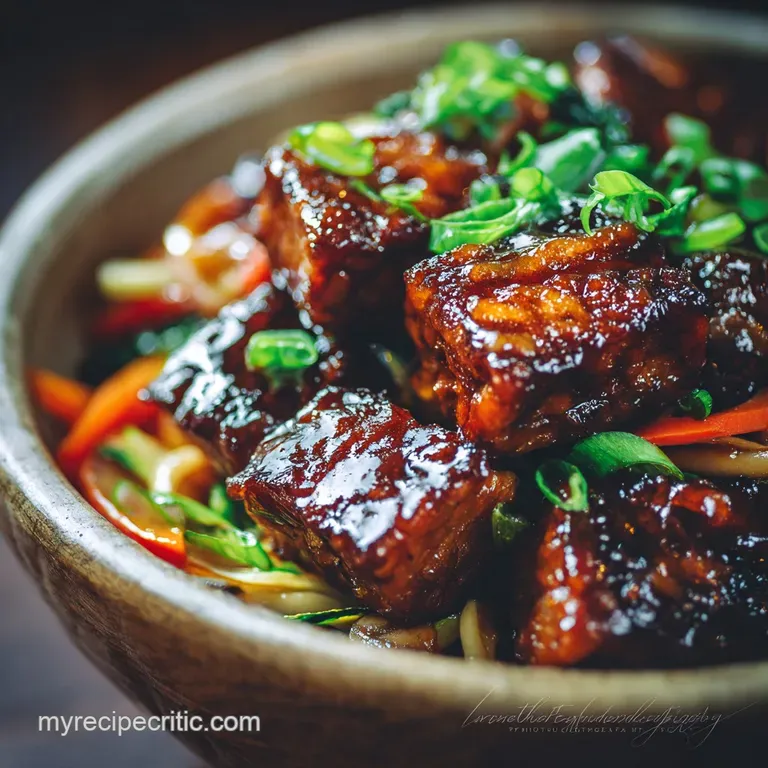
- The Ultimate Vegan Teriyaki Noodle Bowl: Your New Weeknight Obsession
- Flavour Science: Mastering the Crispy Tofu and Umami Teriyaki Glaze
- Building Your Bowl: Essential Ingredients and Smart Substitutions
- The Method: Step-by-Step Guide to the Perfect Noodle Bowl
- Chef's Pro Tips: Achieving Maximum Flavour and Avoiding Common Teriyaki Fails
- Meal Prep and Pairing: Extending the Life of Your Crispy Tofu Vegan Teriyaki Noodle Bowl
- Recipe FAQs
- 📝 Recipe Card
The Ultimate Vegan Teriyaki Noodle Bowl: Your New Weeknight Obsession
Picture this: you walk in the door after a truly rubbish day, and within minutes, the kitchen is filled with that deeply savory, sticky sweet aroma of soy and caramelized maple syrup.
That beautiful scent is the smell of rescue, leading you straight to a bowl packed with perfectly crisp tofu and vibrant, tender crisp veggies, all drenched in a glossy, irresistible teriyaki glaze. Seriously, the texture combination alone shattering tofu against chewy noodles is pure magic.
This Vegan Teriyaki Noodle Bowl Recipe isn't just another dinner; it’s a commitment to eating well, even when life is sprinting past you. It’s substantially cheaper, faster, and infinitely fresher than ordering takeout, and you can customize the veggies to use up whatever sad bits are left lingering in your fridge drawer.
If you’re looking for Plant Based Meals Easy enough for a Tuesday night, you just found the gold standard.
I know, I know the idea of making restaurant quality teriyaki sauce and actually crispy tofu at home sounds like a huge undertaking. But trust me, once you understand the simple tricks behind the glaze thickness and the crucial importance of pressing the tofu, this whole Vegetarian Teriyaki Noodle Bowl becomes utterly foolproof.
Let’s crack on and get you that deep, umami rich flavour.
Flavour Science: Mastering the Crispy Tofu and Umami Teriyaki Glaze
Why This Crispy Tofu Bowl Beats Takeout
When you order takeout, that sauce is often loaded with corn syrup and feels heavy on the tongue; it’s too much sugar, not enough depth. We are building layers here. We start by ensuring our tofu has the ideal surface area to absorb that gorgeous sauce, then we use high-quality maple syrup and mirin to achieve a flavour profile that is sweet, salty, and incredibly complex.
This homemade approach lets us control the sodium and the sticky factor, resulting in a cleaner, punchier flavour that feels genuinely satisfying.
Decoding the Classic Teriyaki Flavour Profile (Plant Based Edition)
Teriyaki, at its core, is a perfect balance of soy sauce (salty umami), mirin (subtle sweetness and sheen), and sugar (caramelization). Because we are ditching traditional animal fats, we rely heavily on the mirin and the maple syrup to create that essential high gloss finish. If you’ve ever loved the deep, savory notes of a sticky one-pan meal, like my recipe for Teriyaki Chicken Casserole: Sticky, Savoury, One-Pan Weeknight Dinner , you already understand the power of this glaze base. The key is allowing it just enough time to reduce and thicken properly using a cornflour slurry, ensuring maximum stickiness without becoming grainy.
How Long Does This Recipe Really Take? (Prepping for Success)
Honestly, this Vegan Noodle Bowl is a 40 minute cook time if you’ve been smart and pressed your tofu ahead of time. Pressing the tofu is non-negotiable for true crispiness, but it only requires passive time set it up before you walk the dog or shower!
If you prep your carrots and broccoli while the oil heats, the active cooking process is lightning fast, making this perfect for Vegetarian Lunches Easy or speedy dinners.
The Secret to Cornflour Dusted, Extra Crispy Tofu
This is the big trick, so listen up. Tofu is full of water, and water is the enemy of crispiness. Once you’ve pressed out that moisture, coating the cubes generously in cornflour (or cornstarch, depending on where you live) creates an immediate, shatteringly delicate crust when it hits the hot oil.
Do not skimp on the cornflour. It should look dry and matte before frying.
Achieving the Perfect Sweet, Salty, and Sticky Glaze
The perfect teriyaki glaze walks a tightrope: too thin and it runs off the noodles, too thick and it becomes gloopy glue. We use a precise ratio of liquid (soy, mirin, water) and then introduce the cornflour slurry at the very end .
The instant that cold slurry hits the simmering hot sauce, it transforms into a beautifully glossy, spoon coating thickener. Whisking continuously is essential here to prevent lumps, obviously.
The Role of Fresh Garnishes in Cutting Through Richness
A rich sauce needs something sharp and fresh to balance it out, otherwise, it just feels heavy. In this Teriyaki Veggie Noodle Bowl , the thinly sliced spring onions and a generous sprinkling of rice vinegar dressed fresh greens (if you add them) are vital.
The toasted sesame seeds also add a lovely pop and nuttiness, elevating the dish from "good" to "incredible."
Building Your Bowl: Essential Ingredients and Smart Substitutions
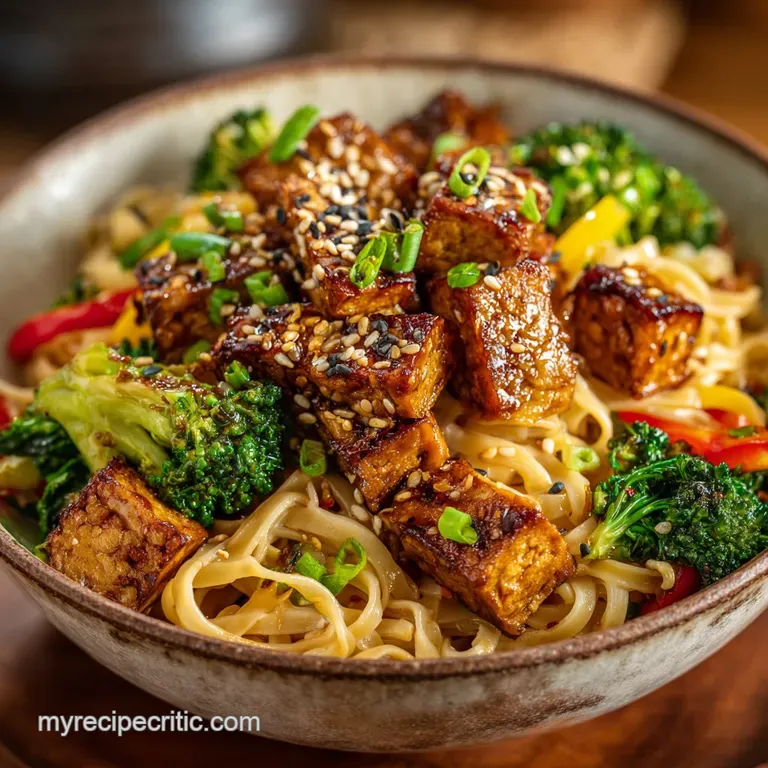
This recipe relies on classic Asian pantry staples and easily accessible fresh produce. Don't be afraid to mix and match what you have on hand!
| Ingredient Category | Essential Ingredient | Why We Use It | Quick Substitution |
|---|---|---|---|
| Protein | Extra Firm Tofu | Absorbs flavour best; holds shape when pressed and fried. | Steamed Tempeh or Edamame |
| Noodle Base | Udon or Soba Noodles | Chewy texture, great sauce catchment. | Rice Noodles or Linguine |
| Sweetener | Maple Syrup | Vegan friendly, subtle caramel flavour. | Agave Nectar or Brown Sugar |
| Umami Base | Low-Sodium Soy Sauce | Salty and deep, essential umami. | Tamari (for gluten-free) |
| Acid/Aromatic | Mirin & Rice Vinegar | Mirin adds sweetness and alcohol burn off for depth; vinegar adds tang. | Dry Sherry (in a pinch) |
Selecting and Pressing Tofu for Maximum Crisp
You absolutely must use extra firm or super firm tofu here. Silken or firm varieties contain too much water and will disintegrate or just steam when you try to fry them.
I once tried to fast track the press using regular firm tofu and ended up with sad, crumbly pieces never again! Pressing for 30 minutes is the bare minimum, either using a fancy press or the "plates and heavy books" method.
Pantry Staples for the Ultimate Vegan Teriyaki Sauce
Beyond the standard soy sauce and maple syrup, you really need mirin . Mirin is a sweet rice wine, and it’s responsible for that unique, delicate flavour that defines teriyaki. Don't swap it for dry white wine or you’ll lose the sweetness.
The fresh grated ginger and garlic add a wonderful warmth that really opens up the flavour profile.
Which Noodle Works Best for This Recipe?
I am partial to Udon noodles because they are thick and satisfyingly chewy, holding up beautifully to the heavy glaze. Soba noodles (buckwheat noodles) are also fantastic and often offer a slightly earthier flavour, especially good if you're serving this alongside a simple broth, maybe like my Flawless Chicken Noodle Soup with Egg Noodles A Rich Broth Recipe (just keep it vegetarian for your main!). The goal is something robust that won't turn into paste under the weight of the sauce.
Adapting the Veggies in Your Vegan Teriyaki Noodle Bowl
Broccoli, carrots, and bell peppers offer the perfect combination of texture, colour, and quick cooking time. However, this is a Noodle Veggie Bowl , so adaptability is key.
Try adding thinly sliced pak choi or a handful of snap peas; just remember to add tougher vegetables first (like carrots), followed by quicker cooking items (like peppers).
The Method: step-by-step Guide to the Perfect Noodle Bowl
Prepping the Crispy Tofu Coating
Once your tofu is pressed and patted aggressively dry, cut it into 1 inch cubes. Transfer the cubes to a bowl and sprinkle over the cornflour, tossing gently until every side is fully coated in a dry, white layer. This step ensures the moisture is locked in and the crispiness is locked on.
Searing the Tofu and Preparing the Aromatics
Heat your neutral oil in a large wok or deep frying pan over medium high heat until it shimmers. Add the tofu in a single layer— do not overcrowd the pan , or the temperature will drop dramatically, and you'll get soggy tofu!
Fry for about 4– 5 minutes, turning until all sides are golden brown and truly crunchy. Remove the tofu and set it aside on a paper towel.
Chef's Note: Tofu must always be removed from the pan before you add the glaze. If you try to glaze it while it’s still frying, the cornflour crust dissolves into the sauce, losing all its amazing crunch.
Simmering the Teriyaki Sauce to a Perfect Gloss
Pour your whisked sauce mixture (soy, maple, mirin, etc.) into the now-empty wok. Bring it to a rolling simmer over medium heat. Whisk the cornflour slurry again and pour it slowly into the simmering liquid while whisking rapidly.
You will see the sauce instantly turn thick and glossy; cook for just 30 60 seconds, ensuring it coats the back of a spoon.
Combining, Tossing, and Plating the Finished Dish
Toss the sautéed, tender crisp vegetables back into the thick sauce, followed immediately by the crispy tofu. Fold everything gently to coat, then toss in your pre-cooked and rinsed noodles. Toss for one minute until the noodles are thoroughly heated and covered in the dark, sticky glaze.
Divide quickly into bowls, drizzle with sesame oil, and finish with a pile of sliced spring onions and sesame seeds.
Chef's Pro Tips: Achieving Maximum Flavour and Avoiding Common Teriyaki Fails
Why Your Tofu Isn't Getting Crispy Enough (The Moisture Problem)
If you didn't press your tofu, or if you added too much oil that wasn't hot enough, your tofu will absorb the fat and never brown properly. Fix: Always press for at least 30 minutes, use a high heat, and ensure the cubes are spaced out when frying.
Patience yields crispiness.
Over Reducing the Glaze (The Sticky Trap)
If you let the sauce simmer for too long before adding the slurry, the sugars (maple syrup/mirin) will caramelize too heavily, and the final sauce will become intensely sweet and almost granular.
Fix: Only bring the sauce to a quick simmer, and once the slurry is added, remove it from the heat within one minute.
The Importance of Timing: Keeping Everything Hot Before Assembly
A lukewarm noodle bowl is a sad thing. Make sure your noodles are cooked and rinsed, and your vegetables are hot just before you thicken the sauce. The moment the sauce is glossy, everything needs to go back in the pan simultaneously to ensure a piping hot, satisfying dinner.
Meal Prep and Pairing: Extending the Life of Your Crispy Tofu Vegan Teriyaki Noodle Bowl
Best Practices for Storing Leftovers (The Tofu Dilemma)
The terrible truth about crispy fried tofu is that once it hits a wet sauce, it begins a slow descent into sogginess. For the best meal prep results, store the finished, sauced Teriyaki Bowl Recipe (including the tofu) in an airtight container in the fridge for up to 3 days.
However, if you are serious about crunch, store the crispy tofu in a separate container and add it right before reheating!
How to Reheat Without Sacrificing Crispiness
Reheating in the microwave will almost guarantee a soggy texture. The best way to reheat is using a hot wok or frying pan for 3– 5 minutes, tossing rapidly to reheat the noodles and recrisp the edges of the tofu.
If you stored the tofu separately, reheat the noodles first, then toss the chilled tofu in a hot dry pan or air fryer for 3 minutes before combining.
Recommended Garnishes and Side Dish Pairings
To make this feel like a truly complete experience, try serving it with something cooling. A simple side of quick pickled cucumber and carrot ribbons works wonders, cutting through the richness perfectly. If you are serving this as a centrepiece for a plant based gathering, it sits beautifully next to other substantial vegetarian dishes maybe alongside a slice of something magnificent like Vegan Dishes Hearty Wellington Recipe for Dinner or Thanksgiving . Enjoy!
Recipe FAQs
What is the best type of tofu to use for achieving maximum crispness?
Always use extra firm or super firm pressed tofu. It is crucial to press the tofu thoroughly before using to remove excess water, which prevents the cornflour coating from sticking and results in soggy cubes rather than truly crispy ones.
Can I prepare the teriyaki sauce ahead of time?
Absolutely. The teriyaki sauce can be mixed and stored in an airtight container in the refrigerator for up to 5 days. When ready to use, gently reheat it in a small saucepan and whisk well to ensure the cornstarch slurry is fully incorporated before thickening.
I don't have access to traditional teriyaki vegetables. What are some easy substitutes?
The beauty of a noodle bowl is customization. Great substitutes include thinly sliced red bell peppers, snap peas, shredded carrots, or even chopped broccoli florets. Ensure all vegetables are cut to a similar size to promote even cooking in the wok or skillet.
Why did my sauce turn out too thin, and how can I fix it?
The sauce is likely too thin if the cornstarch slurry was not properly incorporated or allowed enough time to boil and thicken. To fix this, mix a teaspoon of cornstarch with a tablespoon of cold water, pour it into the simmering sauce, and stir continuously until the desired glossy, thick consistency is reached.
How should I store leftovers, and can I freeze this dish?
Store leftovers in an airtight container in the refrigerator for up to 3 days. Freezing is generally not recommended as the noodles and crispy tofu texture will degrade significantly upon thawing. It is best enjoyed fresh or reheated gently on the stovetop.
I have a gluten intolerance. How can I make the Teriyaki Noodle Bowl entirely gluten-free?
To ensure this recipe is gluten-free, substitute the standard soy sauce with tamari, which is naturally gluten-free, or a dedicated gluten-free soy sauce alternative. Also, ensure the noodles you select, such as rice noodles or gluten-free ramen, are certified gluten-free.
Crispy Tofu Vegan Teriyaki Noodle Bowl
Ingredients:
Instructions:
Nutrition Facts:
| Calories | 762 kcal |
|---|---|
| Protein | 26.2 g |
| Fat | 17.7 g |
| Carbs | 124.8 g |
