Fried Pickles: the Ultimate Crispy Buttermilk Snack
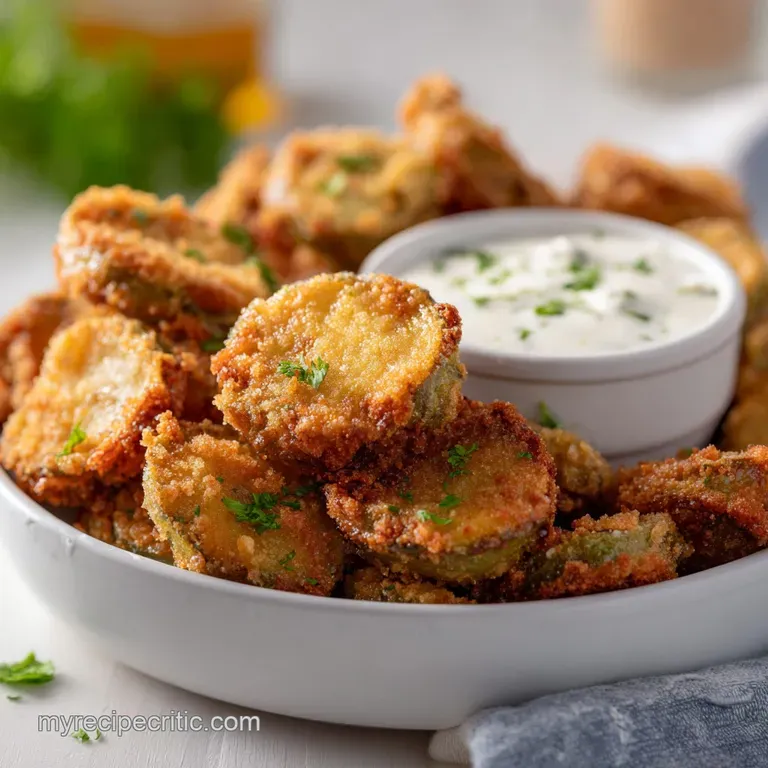
- The Crispy Crunch: Buttermilk Fried Pickles with Zesty Ranch
- The Science of the Shatter: Why Buttermilk is Essential
- Crispy Buttermilk Fried Pickles: Shopping List and Ingredient Notes
- Master the Method: Step-by-Step Guide to Frying Perfection
- Troubleshooting Your Fry: Common Mistakes and Pro Strategies
- Storage and Reheating: Keeping Fried Pickles Crisp
- Dipping Delights: Perfect Pairings for Your Fried Pickles
- Recipe FAQs
- 📝 Recipe Card
The Crispy Crunch: Buttermilk Fried Pickles with Zesty Ranch
The smell hits you first: warm, savory spices mingling with the sharp, acidic tang of dill. Then comes the sound, that glorious, instantaneous shatter as you bite through the golden crust into the juicy, salty interior.
If you've ever paid $12 for a tiny basket of sad, soggy Fried Pickles at a pub, you know the disappointment. We are fixing that today, friends.
I promise you, these homemade Fried Pickles are shatteringly crisp and completely addictive. They are fast, cheap, and require ingredients you probably already have lurking in your pantry (if you’re a pickle hoarder like me, anyway).
They make the absolute best game day snack or the perfect Friday night indulgence.
So, let's skip the greasy mess and learn the real deal technique for making truly excellent crispy fried pickles recipe right in your own kitchen. This method guarantees the coating stays where it belongs, creating a perfect balance of sour and savory that your friends will rave about.
The Science of the Shatter: Why Buttermilk is Essential
The History of the Fried Dill Delight
While the exact origin story is debated, most sources point to Duchess Restaurant in Arkansas in the early 1960s as the birthplace of the modern Fried Pickles . It's a genius idea, taking the simplest salty side and transforming it into comfort food gold.
But the trick isn't just chopping and dunking; it's about engineering the perfect texture.
What Makes Our Buttermilk Coating Superior?
Buttermilk is non-negotiable here. Why? The mild acidity and thickness of the buttermilk gently tenderize the outside of the pickle while simultaneously acting as the ultimate adhesive. It’s sticky enough to hold the hefty cornmeal flour blend, but thin enough that it doesn't create a gloopy, heavy crust.
This results in the lightest, crispest structure for your final Fried Pickles .
Equipment Check: Frying Without Fear
Frying can feel scary, but it’s easy if you respect the oil. You absolutely must have a deep fry thermometer. Trust me on this. Guessing the temperature leads directly to either naked pickles or soggy, oil-saturated pickles.
A sturdy Dutch oven is ideal for maintaining heat stability, which is critical for making perfect batches of Fried Pickles .
The Critical Role of Brine Removal (The Soak)
Pickles are 90% water, soaked in brine. If you try to bread a wet pickle, the coating will simply slide right off during frying. We need to drain them, pat them dry, and allow them to rest slightly. This step is the difference between pub-quality and world class Fried Pickles .
Achieving the Perfect Double Dredge Texture
Our coating uses two secret weapons: flour for structure and fine cornmeal for that incredible, gritty crunch. The buttermilk provides the initial stick, and the flour/cornmeal mix, enriched with smoked paprika and cayenne, provides the flavor and the structural integrity. We are building armor for these beauties!
Oil Temperature: The Secret to Non-Soggy Results
The sweet spot for truly great fried food is 350°F (175°C). Any cooler, and the oil soaks into the breading before the crust sets, giving you a greasy disappointment. Any hotter, and the coating burns while the pickle inside remains cold.
Maintaining 350°F is key to producing beautiful, golden, non-greasy Fried Pickles .
Crispy Buttermilk Fried Pickles: Shopping List and Ingredient Notes
This list is short, but the flavors are intense. Feel free to adjust the spice level in the coating I love a good kick!
Choosing the Best Dill Pickles (Slices vs. Spears)
I prefer the classic chip/slice style for Fried Pickles because they have a higher surface area-to-pickle ratio. More surface area means more crispy coating! However, spears work great too; just ensure you slice them evenly for consistent frying.
Look for refrigerated pickles; they generally hold up better than shelf stable varieties.
Essential Flours and Seasoning Blends
We use all-purpose flour for the bulk, but the cornmeal is what elevates this. Don't skip the smoked paprika; it adds a depth that is otherwise missing.
Chef's Note: If you want a more jagged, crunchy texture, swap half the cornmeal for Panko breadcrumbs. This makes for a wonderfully aggressive crunch on your Fried Pickles .
Buttermilk Alternatives and dairy-free Options
| If You Need... | Substitute With... | Instructions |
|---|---|---|
| Buttermilk (No buttermilk on hand) | Whole Milk + Acid | Mix 1 cup of whole milk with 1 tbsp lemon juice or white vinegar. Let it sit for 5 minutes until slightly curdled. |
| dairy-free Buttermilk | Plain Oat Milk + Acid | Follow the same method as above. The thicker the milk, the better the coating adhesion. |
| Fine Cornmeal (Couldn't find it) | Semolina or Coarse Polenta | Semolina provides a great crunch, but ensure the grain size isn't too large. |
Master the Method: step-by-step Guide to Frying Perfection

This is where the magic happens. We follow a strict three step process to ensure that glorious crust sticks tight.
Prep and Soaking: Desalting the Pickles
Drain your jar of pickles completely. Line a baking sheet with several layers of paper towels, then spread the pickles in a single layer. Now, press firmly with more paper towels. You must aggressively pat them dry.
Let them sit for 15 minutes while you prepare your breading station. Moisture is the single biggest threat to crispy Fried Pickles.
The Buttermilk Marinade and Flour Coating Sequence
- Set Up: Use three shallow dishes or pie plates. Dish 1 gets the buttermilk. Dish 2 gets the perfectly whisked flour and seasoning mix (don't forget that cayenne!). Dish 3 is your holding tray, lined with parchment.
- Dredge: Working in small batches (soaking them all at once can make the coating messy), quickly dip the dried pickles into the buttermilk. Shake off the excess we don't want drips.
- Coat: Immediately press the wet pickle into the dry coating mix. Press firmly with your palm to ensure every nook and cranny is coated. This is how you achieve the ultimate crunch on your Fried Pickles .
- Rest: Place the breaded pickles on Dish 3 and refrigerate them for at least 10 minutes. This chill time is your insurance policy against the coating falling off.
Frying Techniques for Maximum Crispness
Heat your oil to a steady 350°F (175° C) . Carefully lower the resting pickles into the oil using tongs. Do not overcrowd the pot! If you put in too many, the oil temperature will plummet, and you’ll end up with greasy Fried Pickles .
Fry them for 2 to 3 minutes, or until they achieve a deep, beautiful golden color. They should look rich and inviting. The sound of the oil should be a consistent sizzle if the sound quietens down, your oil is too cold. If you are shallow frying, flip them gently halfway through.
Drainage and Post Fry Seasoning
Do not, I repeat, do not drain your freshly fried food on paper towels. Paper traps steam underneath, which immediately causes sogginess. Instead, transfer the hot Fried Pickles directly to a wire rack set over a baking sheet.
This allows air to circulate, maintaining maximum crunch. Immediately sprinkle them with extra fine salt the heat pulls the salt into the coating perfectly.
Troubleshooting Your Fry: Common Mistakes and Pro Strategies
Preventing the Coating from Falling Off
The number one cause of "naked pickle syndrome" is poor preparation. You must dry the pickles completely before the buttermilk step. And critically, you must chill the breaded pickles for 10 minutes before frying.
That rest allows the starches in the coating to bond to the buttermilk.
Why Are My Pickles Soggy? (Oil Temp Issues)
Soggy Fried Pickles are almost always a result of oil temperature that is too low. When the temperature drops below 325°F (160°C), the breading acts like a sponge, soaking up the oil. Keep that thermometer glued to the pot and let the oil recover to 350°F between batches. This technique is similar to getting perfectly golden crusts on crispy Fried Tofu Achieve the Ultimate Golden Crispy Texture .
The Danger of Overcrowding the Fryer
Frying is a patience game. If you try to rush the process and throw 20 pickles into the pot at once, the sheer volume of cold food will drop the oil temperature instantly. Work in small batches of 6 8 pickles at a time. The payoff is a perfect coating every single time.
Storage and Reheating: Keeping Fried Pickles Crisp
But does it freeze well? You bet, with a caveat. You can make an entire batch of these wonderful snacks and store them for later.
Best Way to Store Leftovers
Store fully cooled Fried Pickles in an airtight container in the fridge for up to 3 days. Do not cover them while they are still warm, or the trapped moisture will turn them mushy.
Reheating Instructions (Oven vs. Air Fryer)
Never, ever microwave leftover Fried Pickles . They will turn into damp, sad little rubbery things.
- Air Fryer: This is the absolute best method. Place the leftovers in a single layer in the air fryer basket. Cook at 375°F (190°C) for 3– 5 minutes until piping hot and completely revived. This gives you amazing air fryer fried pickles results.
- Oven: Preheat the oven to 400°F (200°C). Place the pickles on a wire rack over a sheet pan. Bake for 8– 10 minutes.
Can I Prep and Freeze the Pickles Before Frying?
Yes! This is a fantastic pro tip for speedy party prep. After you complete the breading and resting step (Step 3), place the tray of breaded pickles directly into the freezer. Once they are rock solid (about 2 hours), transfer them to a freezer bag or container.
They will last for up to 3 months. When ready to cook, fry them straight from frozen, increasing the cook time by 1– 2 minutes. They might take slightly longer, but they still produce wonderfully crisp Fried Pickles .
Dipping Delights: Perfect Pairings for Your Fried Pickles
The zesty ranch recipe provided in the ingredient list cuts through the richness beautifully, but feel free to experiment with your favorite fried pickles sauce .
For a truly Southern spread, I love pairing these with a smoky homemade BBQ sauce or a creamy dill dip. These salty, crunchy snacks also go brilliantly alongside something sweet and caramelized, like a batch of my famous Fried Apples Recipe: Perfectly Caramelized Brown Sugar Side . It's the perfect savory sweet combination!
When you need a quick comfort food win or the ultimate savory party appetizer, look no further. This definitive fried pickles recipe delivers maximum crunch and incredible flavor. Go forth and enjoy the magic of truly crispy Fried Pickles !
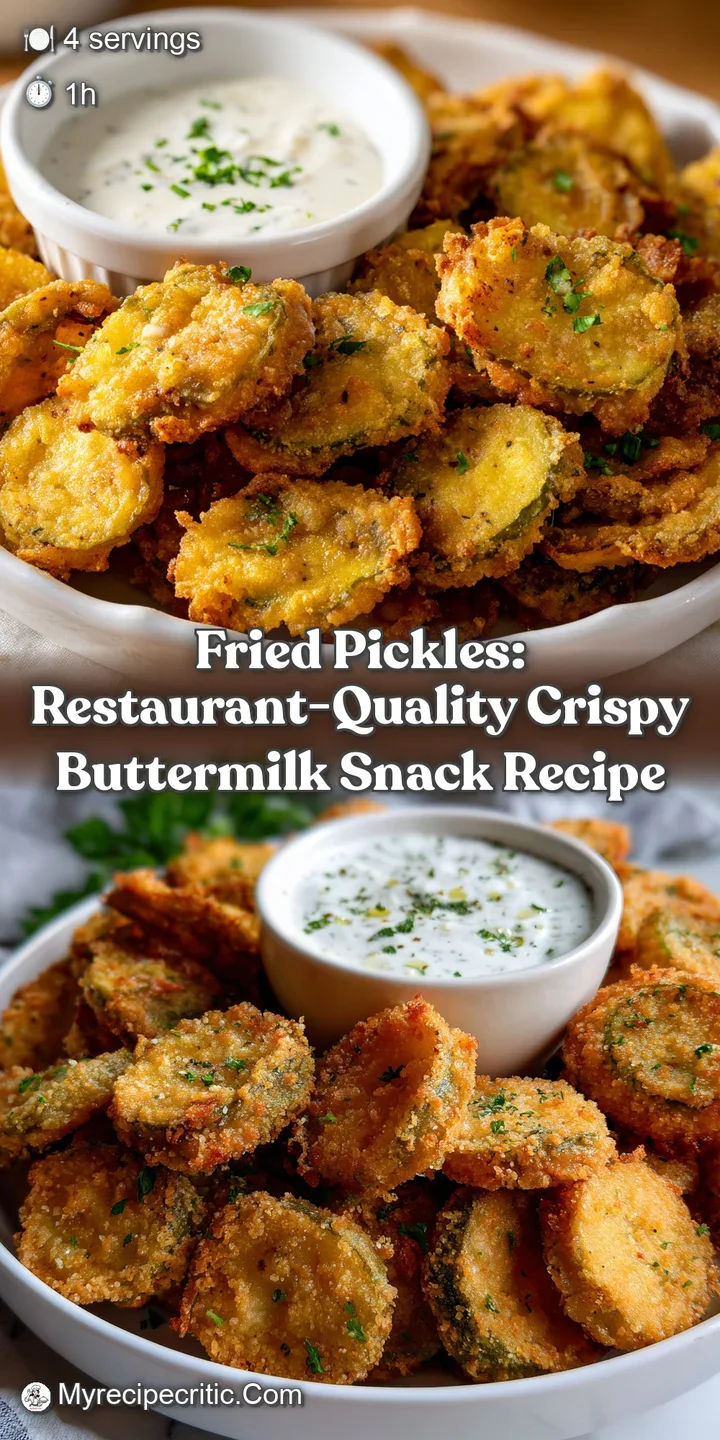
Recipe FAQs
What is the secret to achieving a truly shatteringly crispy coating?
The secret is proper moisture management and adequate resting time. Ensure the pickle slices are thoroughly patted bone dry before soaking in buttermilk, and allow the fully coated pickles to rest on a wire rack for 10 minutes before they hit the oil.
This rest time helps the wet starch coating adhere firmly, preventing flaking during frying.
Can I make these Fried Pickles using an air fryer instead of deep frying?
Yes, the air fryer works excellently, providing a healthier and less messy alternative. Preheat your air fryer to 400°F (200°C), lightly mist the coated pickles with oil spray, and cook for 6-8 minutes, ensuring you flip them halfway through.
While they won't absorb as much oil, the crisp texture is still very satisfying.
I don't have buttermilk. What is a suitable substitute for the required acidic soak?
You can easily substitute the buttermilk by souring regular milk. Combine 1 cup of whole milk with 1 tablespoon of lemon juice or white vinegar, stir well, and let it stand for 5 minutes until it curdles slightly.
This acidic environment is crucial as it neutralizes some of the pickle brine and helps the dry coating stick better.
Why did my coating fall off during frying, and can I pan-fry them successfully?
Coating failure usually happens because the pickles were either too wet initially or the oil temperature was too low, allowing the coating to soften rather than set instantly. While possible, pan-frying is generally challenging for pickles; deep frying or air frying provides more even heat distribution necessary for a professional, stable crust.
How should I store leftover fried pickles, and how do I reheat them without losing the crunch?
Store leftovers in an airtight container in the refrigerator for up to 3 days, although they are best enjoyed fresh. To revive the crispness, reheat them on a baking sheet in a 350°F (175°C) oven or in the air fryer for 3-4 minutes. Never microwave them, as that will render the coating soggy and unpleasant.
Can this recipe be adapted to be gluten-free or dairy-free?
To make the recipe gluten-free, simply substitute the all-purpose flour with a high-quality gluten-free all-purpose blend that already contains xanthan gum. For a dairy-free preparation, use a plant based milk (such as oat or soy) combined with vinegar as a buttermilk substitute for the necessary acidic soak.
Crispy Fried Pickles Recipe

Ingredients:
Instructions:
Nutrition Facts:
| Calories | 127 kcal |
|---|---|
| Protein | 5.0 g |
| Fat | 2.0 g |
| Carbs | 21.0 g |
