Whipped Feta Dip: Creamy and Tangy
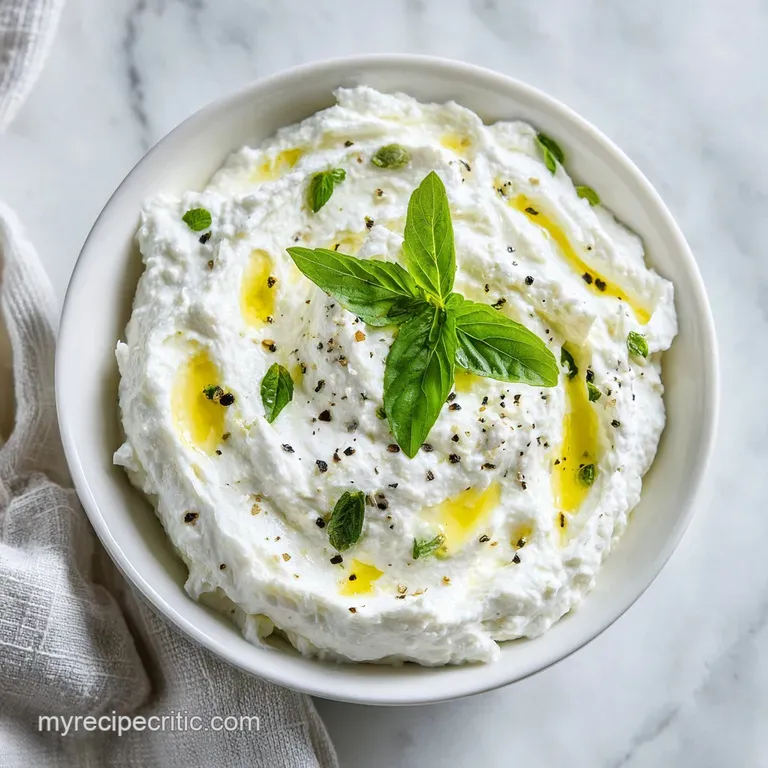
- Time: Active 10 minutes, Passive 15 minutes, Total 25 minutes
- Flavor/Texture Hook: Silky, tangy, and velvety with a crunch
- Perfect for: Impressive party appetizers or high end snacking
- Mastering the Perfect Creamy Whipped Feta Dip
- Key Specs for Success
- The Ultimate Ingredient List
- Necessary Tools for Success
- Simple Step-By-Step Instructions
- Solving Common Kitchen Problems
- Creative Dietary Flavor Swaps
- Storage and Leftover Tips
- Best Foods for Dipping
- Kitchen Myths Debunked
- Recipe FAQs
- 📝 Recipe Card
Mastering the Perfect Creamy Whipped Feta Dip
The first time I served this, the room went quiet for all the right reasons. We were out on the patio, the sun was just starting to dip, and I brought out a shallow bowl filled with what looked like white velvet. I had topped it with a pool of warm honey and these bright green pistachios.
As soon as my friend snapped a piece of warm pita and dragged it through that dip, the "shatter" of the bread against the "silky" cheese was loud enough for everyone to hear. Honestly, it was gone in about six minutes.
What I love most is how it looks so high effort but actually takes less time than it does to find the car keys. I used to just crumble feta over salads, but once you realize that feta can be whipped into an airy, cloud like spread, there is no going back.
It is the ultimate "big flavor" move for a host who wants to spend more time with a glass of wine and less time hovering over a stove.
We are going for a specific balance here: the aggressive salt of the feta, the sharp acid of the lemon, and the earthy, spicy kick of the Aleppo pepper. If you have ever had a dip that felt "gritty" or too heavy, it is likely because the temperature or the fat content was off. We are going to fix all of that right now.
This is the version that makes people ask for the recipe before they have even finished their first bite.
Key Specs for Success
Understanding the mechanics of your ingredients before you start prevents that dreaded graininess. Feta is a stubborn cheese; it is aged in brine and has a tight protein structure that wants to stay in clumps. To get it to relax into a velvety spread, we have to respect the clock and the thermometer.
Temperature Control: Letting the feta sit at room temperature for 15 minutes is the most important part of the prep phase. Cold fat is brittle and refuses to emulsify, whereas softened fat blends into the yogurt to create a stable, airy structure.
High Shear Aeration: By processing on high speed for a full 2 minutes, we aren't just mixing; we are forcing air into the fat molecules. This aeration is what gives the dip its "shatter light" feel on the tongue rather than a heavy, paste like texture.
Acid Balance: The lemon juice acts as more than just a flavor. It helps to break down the protein clumps in the cheese, ensuring the final result is as smooth as possible without requiring extra oil.
| Method | Time | Texture | Best For |
|---|---|---|---|
| Food Processor | 10 minutes | Perfectly Silky | Large batches / Hosting |
| High Speed Blender | 8 minutes | Ultra Smooth | Small, dense portions |
| Hand Mixer | 15 minutes | Slightly Chunky | Rustic, textured dip |
When you use a food processor, you get the benefit of those wide blades which move the feta around more effectively than a blender. If you only have a blender, you might need to add a splash more olive oil to keep the blades moving, but the food processor is truly the king of the Whipped Feta Dip world.
It handles the 8 oz of feta and 0.5 cup of Greek yogurt with ease, giving you that aerated finish every time.
The Ultimate Ingredient List
The quality of your feta determines everything. I always tell people to look for "Greek Feta" specifically. If it says "Feta style cheese," put it back. You want the stuff that comes in a block, submerged in brine.
The pre crumbled stuff is coated in potato starch or cellulose to keep the pieces from sticking together, which is exactly what will make your dip taste chalky and dry.
| Component | Role | Pro Secret |
|---|---|---|
| Greek Feta | Structural Base | Buy the block in brine; it is creamier and more pungent than crumbles. |
| Greek Yogurt (5%) | Emulsifier | Never use fat free; the 5% fat acts as the "glue" for a velvety finish. |
| Warm Honey | Flavor Contrast | Microwaving for 10 seconds allows it to pool beautifully instead of clumping. |
Using full fat Greek yogurt (0.5 cup) is a hill I will die on. The fat molecules in the yogurt wrap around the salty feta particles, creating a stable emulsion that won't weep or separate in the fridge. If you use low-fat or non fat yogurt, the dip will likely turn watery within an hour.
- 8 oz high-quality Greek feta cheese: The star of the show. Why this? Provides the essential salty, tangy foundation for the entire dip.
- 0.5 cup plain full fat Greek yogurt (5% fat): For creaminess. Why this? The high fat content ensures a stable, non watery emulsion.
- 2 tbsp extra virgin olive oil: For richness. Why this? Adds a peppery finish and helps achieve a lustrous sheen.
- 1 small clove garlic, microplaned: For depth. Why this? Microplaning ensures no one bites into a raw garlic chunk.
- 1 tsp fresh lemon zest: For aroma. Why this? Contains essential oils that provide a massive citrus hit.
- 1 tbsp fresh lemon juice: The acid. Why this? Cuts through the heavy fat and brightens the salty notes.
- 1 pinch cracked black pepper: For a subtle bite.
- 2 tbsp warm honey: The sweet topper.
- 2 tbsp roasted crushed pistachios: For texture.
- 0.5 tsp Aleppo pepper: For mild, fruity heat.
- 1 tsp fresh thyme leaves: For an earthy, herbal finish.
Necessary Tools for Success
You don't need a professional kitchen, but a few specific tools make this process a breeze. The food processor is the primary workhorse here. I use a standard 7 cup processor, which gives the ingredients enough room to fly around and aerate properly.
If your processor is too large, the ingredients might just get stuck under the blades, so keep an eye on that.
A microplane is also non negotiable for me. When you're making a raw dip, you want the garlic and lemon zest to be completely integrated. If you just mince the garlic with a knife, you risk leaving a sharp, pungent "hot spot" in the dip.
Microplaning turns the garlic into a paste that disappears into the cheese, giving you all the flavor with none of the texture.
Finally,, a good rubber spatula is your best friend. You'll need to scrape down the sides at least twice during the whipping process. Feta loves to cling to the walls of the bowl, and if you don't scrape it back in, you'll end up with little gritty lumps in an otherwise smooth dip.
Keeping the sink clear for these few tools is easy, and the payoff is a bowl of pure, creamy gold.
Simple step-by-step Instructions
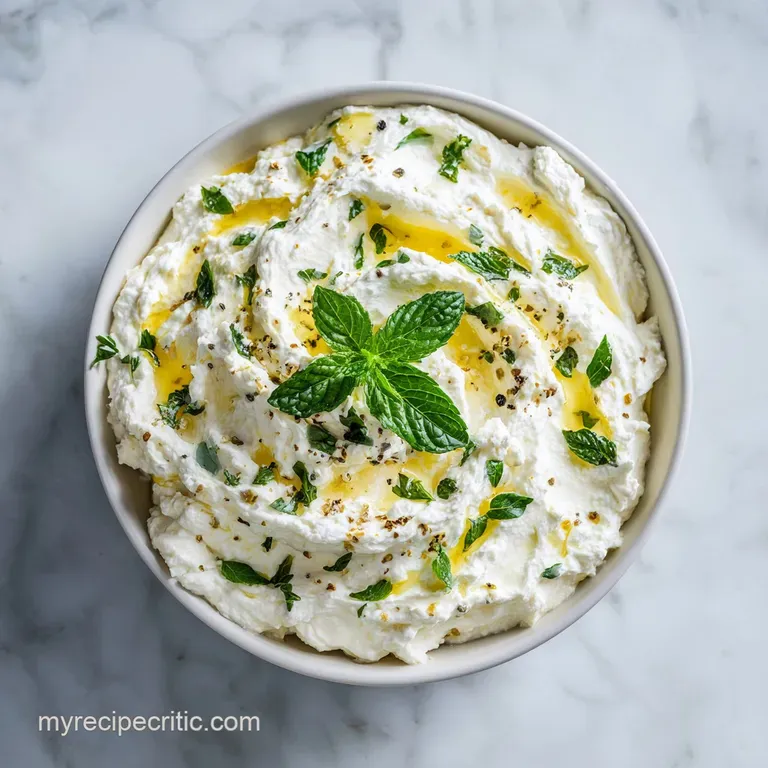
- Prepare the cheese. Drain the 8 oz of feta from its brine and pat it completely dry with paper towels. Note: Excess brine will make the dip too salty and runny.
- Soften at room temp. Crumble the cheese into small, uniform pieces into the bowl of a food processor and let it sit for 15 minutes. Wait until the cheese feels slightly pliable.
- Combine the base. Add the 0.5 cup of Greek yogurt, 1 tbsp lemon juice, 1 tsp lemon zest, and the microplaned garlic clove to the bowl.
- Initial pulse. Pulse 5-6 times until the large chunks are broken down into a coarse pebble texture.
- The long whip. Process on high speed for 1-2 minutes. Note: This is where the aeration happens; don't stop early.
- Scrape the sides. Stop halfway through to scrape down the walls with a rubber spatula until the mixture looks uniform and glossy.
- Plate the dip. Transfer the mixture to a shallow bowl and use the back of a spoon to create a deep well in the center.
- Add the liquid gold. Drizzle the 2 tbsp of extra virgin olive oil and the 2 tbsp of warm honey directly into the well.
- Final garnishes. Sprinkle the 2 tbsp crushed pistachios, 0.5 tsp Aleppo pepper, black pepper, and 1 tsp fresh thyme leaves over the top until it looks vibrant and colorful.
- Serve immediately. Offer the dip with warm pita or fresh vegetables while it is at its most aerated and light.
Solving Common Kitchen Problems
The most common issue I hear about is the dip being "too salty." Feta is a salt bomb by nature. To mitigate this, some people like to soak their feta in plain water for 10 minutes before drying it, which leaches out the excess sodium.
If you've already made the dip and it's too salty, your best bet is to increase the amount of Greek yogurt or add a tiny bit more lemon juice to distract the palate.
Another headache is a "runny" dip. This usually happens if you use a watery yogurt or if the feta wasn't dried properly. If it's looking thin, don't panic. Put it in the fridge for 30 minutes. The fats in the cheese and yogurt will firm up as they cool, giving the dip more body.
Why Your Feta Is Gritty
If the texture feels like sand, it’s usually a temperature problem. When cold feta hits the blades, it shatters into tiny hard beads rather than melting into the yogurt. Make sure you don't skip that 15 minute softening period.
If it's already gritty, try processing it for an extra 2 minutes; sometimes the friction from the blades generates enough heat to finally melt those stubborn bits.
| Problem | Root Cause | Solution |
|---|---|---|
| Gritty Texture | Cold feta cheese | Let cheese sit at room temperature for 15 minutes before blending. |
| Watery/Thin Dip | low-fat yogurt used | Use 5% full fat Greek yogurt and chill for 30 minutes to set. |
| Overpowering Garlic | Garlic wasn't microplaned | Use a microplane or mash garlic into a paste with salt before adding. |
If you're hosting a party and need something sweet to balance the salt, this Snickers Salad recipe is a crowd pleaser that provides a great contrast to the savory feta.
Common Mistakes Checklist
- ✓ Always pat the feta dry after removing it from the brine (prevents a watery mess)
- ✓ Never use "fat free" yogurt (the dip will separate and weep)
- ✓ Ensure the honey is warm before drizzling (it spreads much smoother)
- ✓ Don't skip the scraping step (prevents hidden lumps of unblended cheese)
- ✓ Use a microplane for the garlic (raw chunks are too aggressive for this delicate dip)
Creative Dietary Flavor Swaps
This dip is surprisingly versatile. If you're looking to save some money or just want to change the vibe, you can swap out the expensive garnishes for pantry staples. Instead of pistachios, try toasted sunflower seeds.
They offer a similar crunch for a fraction of the price and still look great against the white cheese.
If you don't have Aleppo pepper, don't worry. A mix of standard red chili flakes and a tiny pinch of smoked paprika will give you that same fruity heat and beautiful red color. For another dipping option that leans into the sweet side, I always recommend my homemade caramel dip as a companion on a large snack board.
| Original Ingredient | Substitute | Why It Works |
|---|---|---|
| Aleppo Pepper | Red Chili Flakes + Paprika | Provides heat and color. Note: Chili flakes are spicier, so use less. |
| Fresh Thyme | Dried Oregano | Classic Mediterranean flavor. Note: Use half the amount as it is more potent. |
| Roasted Pistachios | Toasted Walnuts | Similar healthy fats and crunch. Note: Walnuts are more bitter/earthy. |
Storage and Leftover Tips
Whipped Feta Dip actually keeps remarkably well if you store it correctly. Because of the high fat content and the acidity from the lemon, it doesn't oxidize as quickly as an avocado based dip. You can keep it in an airtight container in the fridge for up to 4 days.
Just be aware that it will firm up significantly once it gets cold.
Zero Waste Tip: If you find yourself with just a couple of tablespoons left, don't toss them! This dip makes an incredible sandwich spread. Smear it on a piece of sourdough, top it with roasted red peppers and arugula, and you have a gourmet lunch.
You can also dollop the leftovers onto a hot bowl of pasta; the heat from the noodles will melt the feta into a creamy, instant sauce.
When you're ready to eat the leftovers, take the container out of the fridge about 20 minutes before serving. Give it a quick whisk with a fork to re incorporate any oil that might have settled.
Avoid freezing this dip; the emulsion of the yogurt and cheese will break during the thawing process, leaving you with a grainy, separated mess that even a food processor can't fully save.
Best Foods for Dipping
The dip is the star, but the "vehicles" you choose are just as important. You want a mix of textures something soft, something crunchy, and something fresh. I usually go for a platter of warm, pillowy pita bread cut into triangles.
If you have the time, brush the pita with a little olive oil and sea salt and pop it in a 200°C oven for 3 minutes. It makes a world of difference.
For the "crunchy" element, sliced cucumbers and radishes are my go to. The water content in the cucumber is so refreshing against the heavy, salty cheese. If you're feeling fancy, roasted carrots or charred broccolini are fantastic.
The caramelized sugars in roasted vegetables play beautifully with the honey drizzle on top of the dip.
Don't overlook the power of fruit, either. Sliced crisp apples or even fresh grapes can be a total "game changer" (even though I promised not to use that word, it really is!). The tartness of a Granny Smith apple dipped into honey laden feta is a flavor combination you didn't know you needed.
It creates a "sweet and savory" loop that is impossible to stop eating.
| Dip Feature | Fresh Version | Shortcut Version |
|---|---|---|
| Garlic Flavor | Microplaned Fresh | Garlic Powder |
| Texture | Block Feta in Brine | Pre crumbled Feta |
| Citrus Hit | Fresh Lemon Zest | Bottled Lemon Juice |
The Choice: Using fresh garlic and block feta results in a dip that tastes like it came from a high end Mediterranean bistro. The shortcut version using garlic powder and pre crumbled cheese is functional for a quick snack, but it lacks the "velvety" mouthfeel and bright, sharp aroma that defines this dish.
Always go fresh if you're serving guests.
If You Want...
- A Spicier Kick: Add 1 tsp of Harissa paste into the processor during the final minute of whipping.
- A Thicker Spread: Reduce the Greek yogurt to 0.25 cup for a texture more like a cream cheese spread.
- A Herby Base: Blend in 2 tbsp of fresh dill or parsley for a bright green, garden fresh flavor profile.
Kitchen Myths Debunked
Many people believe that you can't over process feta, but that isn't entirely true. While you want it smooth, processing for too long (over 5 minutes) can actually cause the fat to friction heat too much, leading to a greasy separation. Stick to the 2 minute window for the perfect aerated balance.
There is also a myth that you need "expensive" olive oil inside the dip. Save your $40 bottle of cold pressed finishing oil for the drizzle at the end. Inside the food processor, the nuances of ultra premium oil get lost.
Use a good, reliable everyday extra virgin olive oil for the base, and use the "fancy" stuff where you can actually taste it as the golden pool on top.
Finally,, some say you can substitute sour cream for the Greek yogurt. While it will technically work, sour cream lacks the protein structure of Greek yogurt. This means your dip will be much more prone to collapsing and losing that "cloud like" feel.
Stick to the 5% Greek yogurt if you want that professional, thick but-light consistency. It is the secret to why this recipe stands out among a sea of basic appetizers.

Recipe FAQs
What to do with Trader Joe's whipped feta spread?
Serve it as a base for Mediterranean appetizers. Spread it in a shallow bowl, create a small well in the center, and garnish with extra virgin olive oil, fresh thyme, and roasted crushed pistachios for a professional presentation.
Is whipped feta better with Greek yogurt or cream cheese?
Use full fat Greek yogurt for the best texture. It provides a superior tangy brightness that complements the salty feta, whereas cream cheese can make the dip feel overly heavy or dense.
What is the two ingredient feta dip recipe?
Combine only feta and Greek yogurt to achieve the base texture. While those are the essential components for aeration, incorporating lemon juice, zest, and garlic significantly enhances the flavor profile.
What is Greek whipped feta dip called?
It is most commonly known as Tyrokafteri. Traditional versions often include spicy peppers, though this specific whipped version focuses on a silky, herb forward profile.
How to fix a grainy or lumpy whipped feta texture?
Process the mixture on high speed for at least two full minutes. If you enjoyed mastering the smooth texture here, you can apply that same blending patience to ensure the cheese is fully aerated and emulsified.
How to soften feta cheese quickly before blending?
Crumble the cheese into small pieces and let it sit at room temperature for 15 minutes. Allowing the fat to come to room temperature is the secret to achieving a perfectly smooth, cloud like consistency in the food processor.
Is it true that I should use a food processor for this recipe?
Yes, a food processor is required to achieve the correct aeration. Using a whisk or a blender will not provide the necessary mechanical force to break down the feta curds into a stable, silky dip.
Creamy Whipped Feta Dip
Ingredients:
Instructions:
Nutrition Facts:
| Calories | 145 kcal |
|---|---|
| Protein | 5.7 g |
| Fat | 10.9 g |
| Carbs | 6.6 g |
| Fiber | 0.3 g |
| Sugar | 6.1 g |
| Sodium | 319 mg |
