Creamy Tuscan Ravioli in 15 Minutes
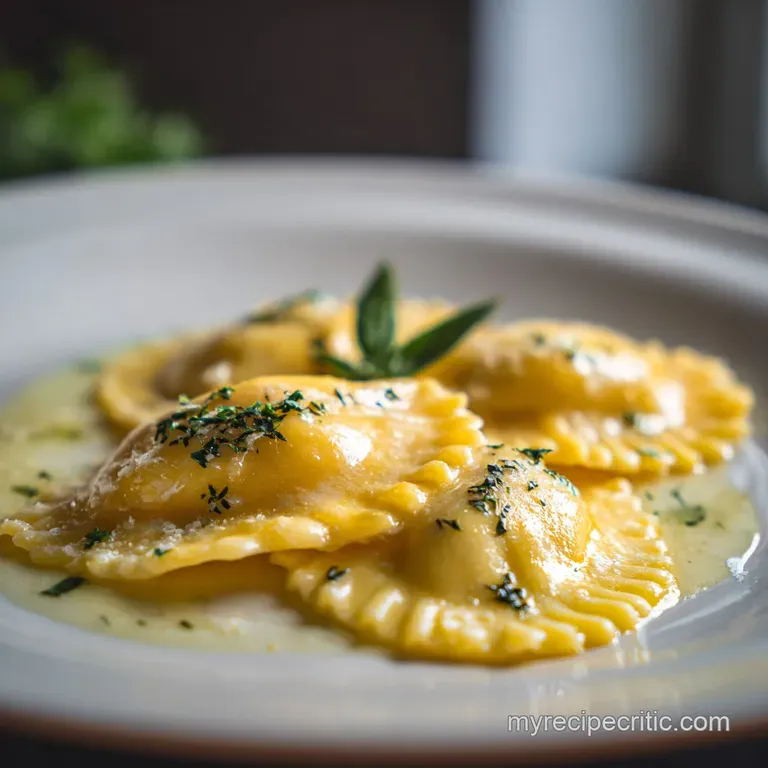
- Time: Active 5 minutes, Passive 10 minutes, Total 15 minutes
- Flavor/Texture Hook: Velvety, garlic forward, and sun concentrated
- Perfect for: High stress weeknights when you need a massive win
- Master the Dreamy Creamy Tuscan Ravioli
- The Science of Pan Sauces
- Sourcing Your Sauce Components
- Tools for a Better Meal
- Sourcing Your Essentials
- Precise Cooking Flow and Finish
- Fixing Common Sauce Problems
- Easy Flavor Swaps and Tweaks
- The Truth About Fresh vs. Frozen
- Storing and Reviving Leftovers
- Best Sides for Ravioli
- Critical High in Sodium
- Recipe FAQs
- 📝 Recipe Card
Master the Dreamy Creamy Tuscan Ravioli
The first time I tried making this, I was standing in my kitchen at 8 PM on a Tuesday, looking at a bag of frozen cheese ravioli like it was a chore. Then I saw that jar of sun dried tomatoes hiding in the back of the fridge.
The way the oil hissed when it hit the pan, and that sharp, sweet aroma of the tomatoes blooming in the heat, it changed everything for me. I stopped seeing it as a "frozen dinner" and started seeing it as a canvas for something much better.
By the time the cream was bubbling and the spinach was wilting into that velvety sauce, I knew I'd never go back to plain jarred marinara again. It is about that specific moment when the garlic turns golden and the whole house smells like a trattoria.
We are talking about deep flavors that taste like you spent hours simmering a sauce when, in reality, you barely broke a sweat.
This recipe is your secret weapon. It is built on simple pantry staples but uses a few clever techniques to ensure the sauce never splits and the pasta stays perfectly intact. You won't find any complicated steps here, just a straightforward path to a meal that feels far more expensive than it actually is.
Let's get into the specifics of why this works so well.
The Science of Pan Sauces
The Starch Fat Emulsion: Pasta water contains released starches that act as a physical bridge, allowing the fat in the cream and the liquid in the pan to bond into a stable, non greasy sauce.
The Maillard Response in Garlic: Slicing the garlic thinly instead of mincing it allows for a slower release of sulfur compounds, resulting in a nutty, sweet flavor rather than a bitter, aggressive one.
Casein Stability: Adding cold butter at the very end (a technique called monter au beurre) introduces fresh milk solids that thicken the sauce and give it a professional looking shimmer.
| Method | Time | Texture | Best For |
|---|---|---|---|
| Fast (Frozen) | 15 minutes | Al dente and firm | Busy weeknights |
| Classic (Fresh) | 12 minutes | Soft and delicate | Special occasions |
| Bake (Casserole) | 40 minutes | Cheesy and bubbly | Large family gatherings |
If you love the idea of a hands off version, you might want to try this Lazy Lasagna Recipe which uses a similar shortcut method but in the oven. It is a fantastic alternative for when you don't want to stand over the stove.
Sourcing Your Sauce Components
| Ingredient | Science Role | Pro Secret |
|---|---|---|
| Heavy Cream (1 cup) | Emulsion Base | High fat content (36%+) prevents the sauce from curdling when it meets the acidic tomatoes. |
| Pasta Water (1/2 cup) | Binding Agent | The starch acts as a "glue" that helps the sauce stick to the ravioli surface. |
| Parmesan (1/2 cup) | Flavor & Thickening | Freshly grated cheese melts at a lower temp, preventing a grainy or clumpy texture. |
| Sun dried Oil (1 tbsp) | Aromatic Carrier | This oil is pre infused with tomato essence, providing a deeper flavor than plain olive oil. |
Using the right components makes the difference between a sauce that slides off the pasta and one that wraps around it like a blanket. Always remember that the quality of your parmesan matters more than almost anything else in this pan.
Tools for a Better Meal
You don't need a kitchen full of gadgets, but a wide skillet is non negotiable here. A 12 inch stainless steel or cast iron pan allows for maximum evaporation, which thickens the sauce quickly without overcooking the pasta.
If your pan is too small, the ravioli will crowd and potentially break open, spilling their cheese filling into the sauce.
A pair of silicone tipped tongs or a spider strainer is also helpful. You want to move the ravioli gently. They are delicate little pillows, and once they hit that boiling water, they become prone to tearing. Treat them with respect, and they will reward you with that perfect, bouncy texture.
Sourcing Your Essentials
- 20 oz fresh or frozen cheese ravioli: Why this? The starch on the outside helps thicken our sauce naturally.
- 1/2 cup reserved pasta cooking water: Why this? This is the "liquid gold" that emulsifies the cream.
- 1 cup heavy cream: Why this? Provides the fat needed for a stable, velvety mouthfeel.
- 1/2 cup freshly grated parmesan cheese: Why this? Fresh cheese melts without the grainy texture of pre shredded bags.
- 1 tbsp cold unsalted butter: Why this? Used for the "gloss" finish at the very end.
- 1/2 cup sun dried tomatoes in oil: Why this? Adds a concentrated, chewy sweetness to the dish.
- 1 tbsp sun dried tomato oil from the jar: Why this? This is packed with more flavor than regular olive oil.
- 2 cups fresh baby spinach: Why this? Provides color and a fresh, earthy contrast to the rich cream.
- 3 cloves garlic: Why this? Sliced thin, it provides a mellow, sweet aromatic base.
- 1/2 tsp red pepper flakes: Why this? Cuts through the richness with a tiny bit of heat.
- 1/2 tsp dried oregano: Why this? Adds that classic herbal Tuscan profile.
| Original Ingredient | Substitute | Why It Works |
|---|---|---|
| Heavy Cream | Half and Half | Lower fat means it may split; add 1 tsp cornstarch to stabilize. |
| Sun dried Tomatoes | Roasted Red Peppers | Similar sweetness but lacks the acidic punch of the tomatoes. |
| Parmesan Cheese | Pecorino Romano | Saltier and more pungent. Note: Reduce added salt if using this. |
Precise Cooking Flow and Finish
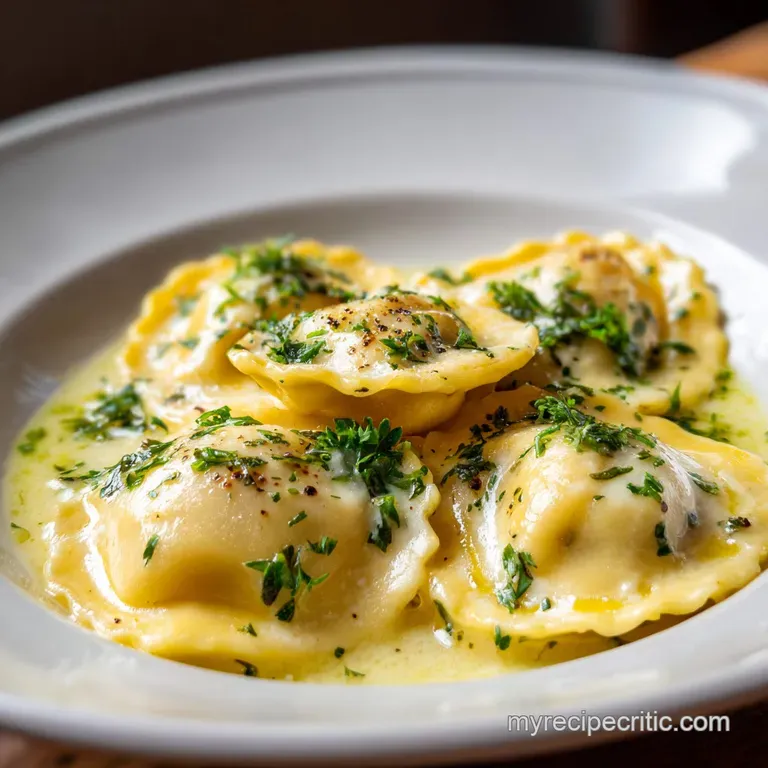
- Boil the pasta. Bring a large pot of salted water to a boil and drop in the 20 oz ravioli. Note: Cook them for 1-2 minutes less than the package says so they finish in the sauce.
- Save the water. Before draining, dip a measuring cup into the pot to grab 1/2 cup of that cloudy pasta water.
- Heat the aromatics. In a large skillet, add 1 tbsp of the sun dried tomato oil over medium heat. Sizzle the 3 sliced garlic cloves until they are fragrant and just turning golden.
- Bloom the spices. Stir in the 1/2 tsp red pepper flakes and 1/2 tsp dried oregano for 30 seconds.
- Build the base. Pour in 1 cup heavy cream and the 1/2 cup sun dried tomatoes. Bring this to a gentle simmer until the bubbles start to look thick and heavy.
- Emulsify. Whisk in the 1/2 cup parmesan cheese and the 1/2 cup reserved pasta water. Stir constantly until the sauce is silky and smooth.
- Wilt the greens. Toss in the 2 cups of fresh baby spinach. Stir for about 1 minute until the leaves are bright green and collapsed.
- Combine. Add the cooked ravioli to the skillet. Toss very gently to coat.
- The gloss finish. Turn off the heat and stir in the 1 tbsp of cold butter. Note: This creates a professional, shiny finish that sticks to the pasta.
- Rest. Let the dish sit for 2 minutes before serving until the sauce thickens to your desired consistency.
Chef Tip: Never rinse your ravioli. That surface starch is exactly what we need to make the sauce cling. If you rinse it, the sauce will just slide right off into a puddle at the bottom of the plate.
Fixing Common Sauce Problems
Why Your Sauce Is Grainy
This usually happens if the heat is too high when you add the cheese. The proteins in the parmesan clump together instead of melting. To fix this, always turn the heat down to low before stirring in the cheese. If it is already grainy, a small splash of hot pasta water and a vigorous whisk can sometimes save it.
To Prevent Exploding Ravioli
If your ravioli are breaking open, your pasta water is likely at a rolling, aggressive boil. Keep the water at a gentle simmer. Also, check the seal on your ravioli before they go in. If you see one that's already split, set it aside.
| Problem | Root Cause | Solution |
|---|---|---|
| Thin/Watery Sauce | Not enough reduction | Simmer for 2 more mins or add extra parmesan cheese. |
| Broken Ravioli | Water boiling too hard | Reduce heat to a gentle simmer immediately. |
| Oily/Separated Sauce | Heat too high for cream | Remove from heat and whisk in a tablespoon of cold water. |
Common Mistakes Checklist
- ✓ Don't skip the pasta water; it is the most important ingredient for the sauce structure.
- ✓ Slice the garlic instead of crushing it to keep the flavor sweet and mellow.
- ✓ Use a wide skillet to give the ravioli space to move without tearing.
- ✓ Add the spinach at the very end so it stays vibrant and doesn't turn into mush.
- ✓ Always use the oil from the tomato jar it's essentially a flavor concentrate.
Easy Flavor Swaps and Tweaks
If you want to make this even more substantial, adding a protein is the way to go. I often toss in some sliced grilled chicken or even some sautéed shrimp at the very end. If you are looking for more Italian inspired meat dishes, check out these Italian Sausage Recipes for ideas on how to incorporate bold flavors into your weekly rotation.
To scale this down for two people, simply halve all the ingredients. However, I suggest still using a full 1/2 cup of pasta water, as you might need the extra liquid to get the emulsion just right in a smaller pan. When scaling up for a crowd, work in batches.
If you try to cook 40 oz of ravioli in one pan, the bottom ones will turn to mush before the top ones are even warm.
If you are cooking for a huge group, a Cheesy Ravioli Lasagna recipe is actually a better bet than the stovetop version. It allows you to prep everything ahead of time and just pop it in the oven when guests arrive.
The Truth About Fresh vs. Frozen
Many people believe that fresh ravioli are always superior to frozen. In reality, frozen ravioli are often flash frozen at the peak of freshness and hold their shape better during the boiling process.
The "fresh" ones in the refrigerated aisle often have preservatives to keep them shelf stable, which can affect the dough texture. Don't feel guilty about using the freezer bag!
Another common myth is that you need to add oil to your pasta water to keep the ravioli from sticking. This is actually counterproductive. The oil coats the pasta and prevents our beautiful Tuscan sauce from sticking to it later.
Just use a large pot with plenty of water and give them a gentle stir in the first minute of cooking.
Storing and Reviving Leftovers
Storage: Keep any leftovers in an airtight container in the fridge for up to 3 days. The sauce will thicken significantly as it cools because the starch and fats set.
Freezing: I do not recommend freezing the finished dish. Cream based sauces often "break" or become grainy when thawed and reheated. It is much better to freeze the components separately.
Reheating: This is the tricky part. Do not use the microwave if you can avoid it. Instead, put the ravioli back in a skillet over low heat. Add a splash of milk or water to help loosen the sauce back into its original velvety state. Gently move the pasta around until it is warmed through.
Zero Waste: If you have leftover sun dried tomatoes, blend them with some olive oil and walnuts to make a quick red pesto. Any leftover spinach can be tossed into a morning smoothie or sautéed with eggs.
Best Sides for Ravioli
Since this dish is incredibly rich and creamy, you want to serve it with something that provides a sharp contrast. A bright, acidic green salad with a lemon vinaigrette is the perfect partner. The acid cuts right through the heavy cream and refreshes your palate between bites.
A piece of crusty sourdough bread is also essential for mopping up every last drop of that sauce. If you want to go full Italian feast mode, a side of roasted broccolini with a heavy squeeze of lemon juice adds a nice charred bitterness that balances the sweetness of the sun dried tomatoes.
This meal is all about the balance of heavy and light, so don't be afraid to lean into those fresh, zesty side dishes.
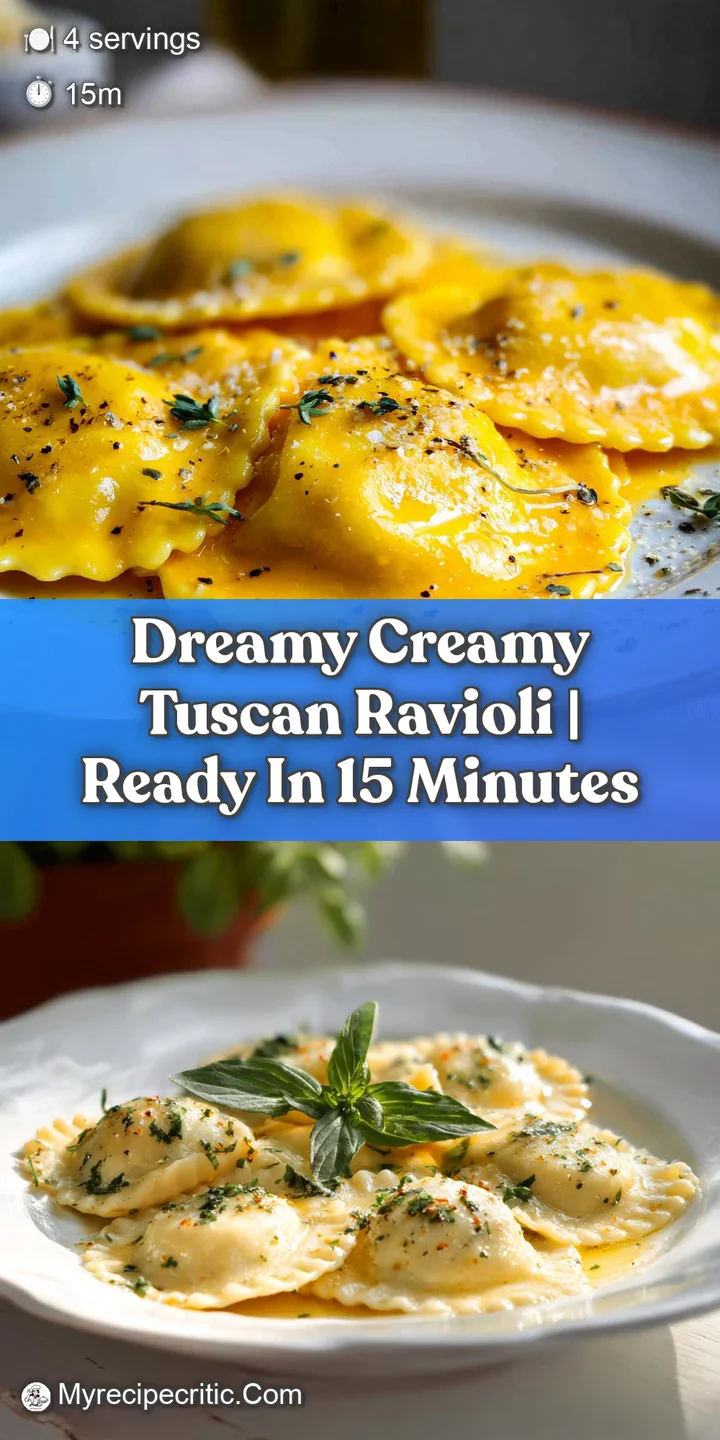
Critical High in Sodium
1145 mg mg of sodium per serving (50% of daily value)
The American Heart Association recommends limiting sodium intake to about 2,300mg per day for overall cardiovascular health.
Sodium Reduction Tips for Your Ravioli Recipe
-
Low-Sodium Cheese Swap-15%
Parmesan cheese is a significant source of sodium. Substitute it with a low-sodium or reduced sodium parmesan cheese. Look for labels that clearly indicate lower sodium content.
-
Rinse Sun-Dried Tomatoes-10%
Sun-dried tomatoes in oil can be high in sodium. Rinse the sun-dried tomatoes thoroughly with water to remove excess sodium from the oil and tomatoes themselves before adding them to the recipe.
-
Unsalted is Key!-5%
Ensure you are using completely unsalted butter, as even a small amount of salt in butter can contribute to the overall sodium content.
-
Spice it Up Sodium Free
Emphasize the natural flavors of your dish! Use fresh or dried herbs (basil, parsley) and spices (black pepper, garlic powder) to enhance the taste without adding any sodium.
Recipe FAQs
Is it true that I must use fresh ravioli for this dish?
No, frozen ravioli work perfectly fine. Frozen varieties are often flash frozen at peak quality and hold their shape well during the brief cooking time required here.
How to achieve a non-grainy, silky sauce consistency?
Turn the heat to low before stirring in the parmesan cheese. High heat causes the cheese proteins to clump, leading to graininess; low heat ensures they melt smoothly into the cream base.
Why should I reserve pasta cooking water before draining the ravioli?
Yes, reserve the water because the starch acts as a natural emulsifier. This starchy liquid is essential for binding the fat from the cream and cheese into the smooth, clingy coating this sauce requires.
How to prevent the ravioli from breaking open while cooking?
Maintain a gentle simmer rather than a rolling boil during cooking. Overly aggressive water movement puts physical stress on the delicate pasta dough, causing tears that release filling into the water.
What can I substitute for heavy cream if I need a lighter sauce?
Use half and half, but stabilize it with a thickener. Because half and half has lower fat content, it may split; whisk in one teaspoon of cornstarch dissolved in cold water to maintain structure.
What is the best way to reheat leftover ravioli to maintain sauce texture?
Reheat gently in a skillet over low heat with a splash of liquid. Do not microwave, as the high heat will cause the cream sauce to break; add milk or water to help loosen the set sauce.
How do I incorporate spinach and sun dried tomatoes effectively?
Wilt the spinach at the very end and add tomatoes earlier with the cream. The spinach only needs about one minute to wilt while bright green, and the tomatoes should simmer briefly with the cream to deepen their flavor profile.
Creamy Tuscan Ravioli
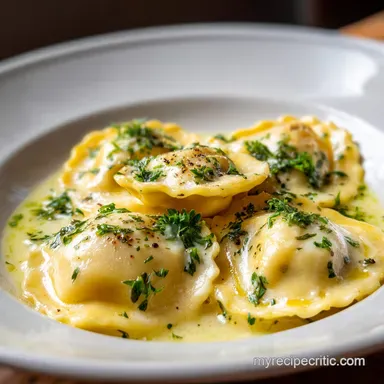
Ingredients:
Instructions:
Nutrition Facts:
| Calories | 709 kcal |
|---|---|
| Protein | 22.0 g |
| Fat | 45.4 g |
| Carbs | 56.6 g |
| Fiber | 3.5 g |
| Sugar | 3.8 g |
| Sodium | 1145 mg |
