Creamy Sausage Pasta: One Pot and Velvety
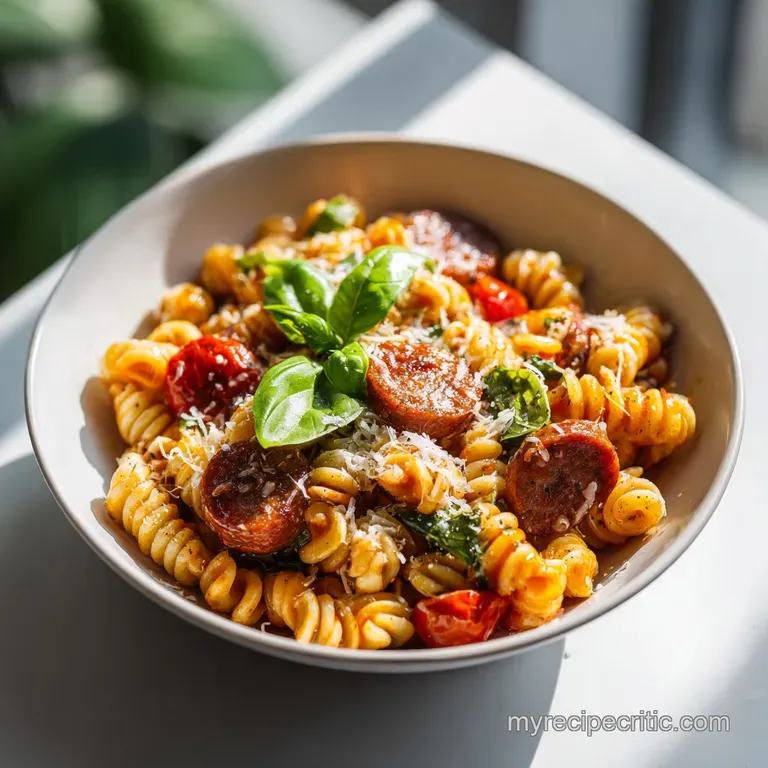
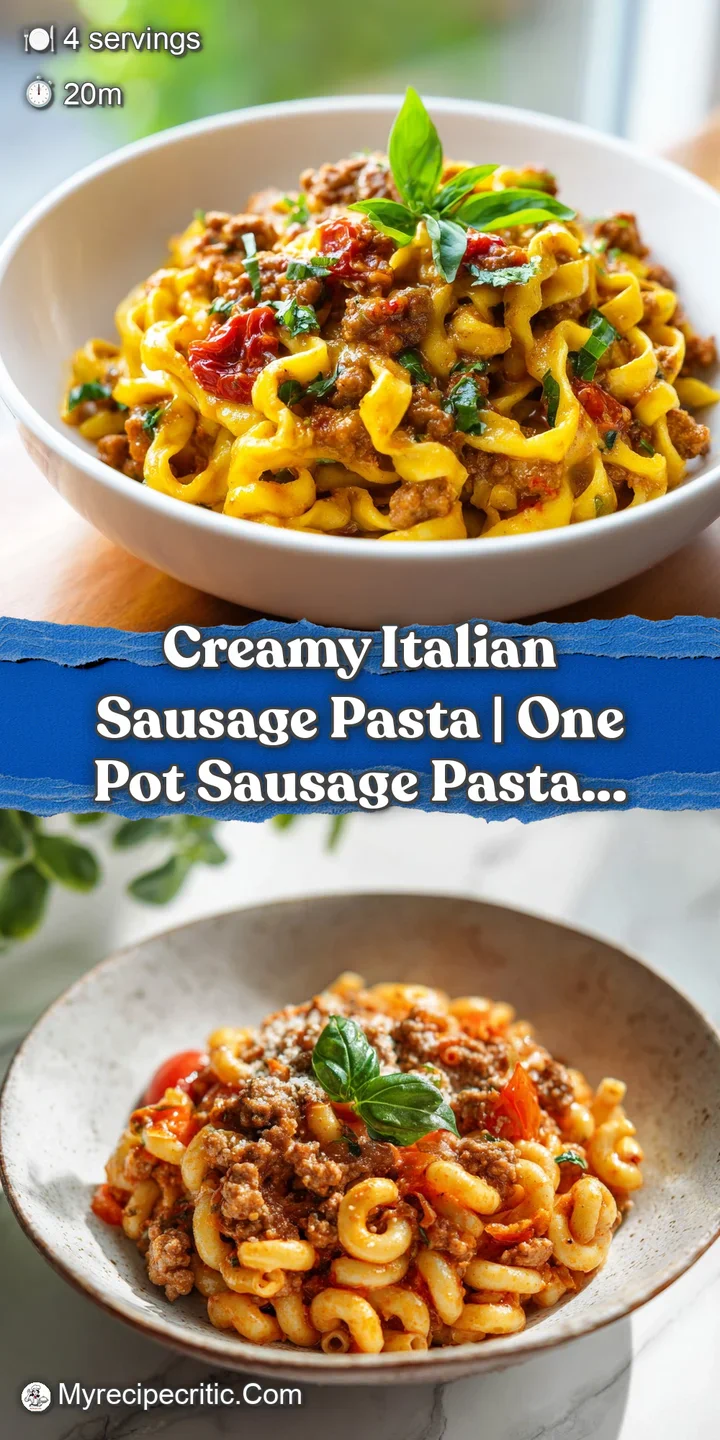
- Time: Active 5 minutes, Passive 15 minutes, Total 20 minutes
- Flavor/Texture Hook: Velvety cream sauce with spicy, browned sausage crumbles
- Perfect for: Busy weeknight dinners or minimal cleanup meal prep
- Simple Sausage Pasta One Pot Recipe
- What Actually Makes It Velvety
- Component Analysis and Selection
- The Alchemy of the Skillet
- Tools Needed for This Dish
- Steps for a Perfect Finish
- Solving Common Texture Issues
- Adjusting for Different Groups
- Kitchen Truths and Realities
- Saving Every Single Drop
- Best Ways to Serve This
- Critical Sodium Alert 🚨
- Recipe FAQs
- 📝 Recipe Card
Simple Sausage Pasta One Pot Recipe
The kitchen currently smells like a dream, and my sink is almost empty, which is the ultimate victory for a Tuesday night. I just finished a bowl of this, and the way the spicy fat from the sausage swirls into the heavy cream is something I genuinely look forward to all day.
There is a specific sound when the dry pasta hits the sizzling pan and starts soaking up that chicken stock it’s a low, rhythmic bubbling that promises comfort without the mountain of dishes.
I used to boil my noodles in a separate pot of salted water, drain them, and then try to force a sauce to stick to them. It never quite worked; the sauce would just puddle at the bottom of the bowl like a sad, lonely lake. But by cooking everything together, we're letting the pasta starch do the heavy lifting.
We’re going for a result that is thick, glossy, and substantial. This isn't just another dinner; it's the one you make when you need a win and you only have twenty minutes to get it on the table.
We are keeping things focused here. No fancy techniques, just a hot skillet and a bit of patience while the sausage develops that deep, mahogany crust. If you’ve ever felt like your home cooked pasta lacks that restaurant style "clump" where the sauce and noodle become one, this is the method that changes the game.
You'll see the liquid transform from a thin broth into a velvety coating right before your eyes.
What Actually Makes It Velvety
Starch Suspension: As the rigatoni simmers, it releases amylose molecules directly into the stock and cream, creating a natural thickener. This prevents the sauce from breaking or feeling greasy.
Fat Emulsification: The rendered pork fat from the Italian sausage is whisked into the liquid through the constant bubbling motion, resulting in a cohesive, unified sauce.
Concentrated Reduction: Because we use exactly 2 cups of stock for 12 oz of pasta, the liquid reduces at the perfect rate to reach a coating consistency just as the noodles hit al dente.
Protein Stabilization: The addition of heavy cream provides a buffer of dairy fats that keeps the acidic tomato paste and salty Parmesan from curdling the sauce.
| Cook Method | Total Time | Final Texture | Best For |
|---|---|---|---|
| One Pot Method | 20 minutes | Thick, starchy, velvety | Maximum flavor, minimum cleanup |
| Classic Separate | 30 minutes | Lighter, thinner sauce | Precise pasta texture control |
| Oven Bake | 45 minutes | Crispy edges, dense | Large crowds and potlucks |
Cooking the pasta directly in the sauce is a total shift in how you think about "boiling" water. It’s more like a braise for your noodles. If you’ve enjoyed making my Italian sausage tortellini soup, you already know how much flavor these little links bring to a broth. In this dish, we’re just taking that concept and reducing it down until it’s thick enough to coat a spoon.
Component Analysis and Selection
| Ingredient | Science Role | Pro Secret |
|---|---|---|
| Italian Sausage | Primary fat source | Don't drain the fat; it’s the base of your sauce's flavor profile. |
| Tomato Paste | Umami and acid | Cook it until it turns brick red to remove the "raw" metallic taste. |
| Chicken Stock | Hydration medium | Use low sodium so you can control the final salt level as it reduces. |
| Parmesan Cheese | Emulsifier | Grate it yourself; pre shredded cheese has starch coatings that cause graininess. |
The Alchemy of the Skillet
The foundation of a great Sausage Pasta starts with the quality of your meat and the shape of your noodle. I swear by rigatoni here because those wide tubes act like little chimneys, catching the bits of onion and garlic inside.
For the sausage, go with bulk "hot" or "sweet" Italian sausage depending on your spice tolerance. If you can only find links, just squeeze the meat out of the casings before you start.
- 1 lb Bulk Italian Sausage: Provides the fat and spice base. Why this? High fat content ensures a moist, flavorful sauce base without extra oil.
- Substitute: Ground turkey with 1 tsp fennel seeds and a splash of olive oil.
- 12 oz Dried Rigatoni pasta: The perfect vessel for thick sauces. Why this? The ridges (rigate) help the emulsified sauce cling to the exterior.
- Substitute: Penne or Fusilli work well for trapping sauce.
- 1 medium Yellow Onion: Diced finely to melt into the sauce. Why this? Adds sweetness to balance the salty pork and acidic tomato.
- Substitute: Two large shallots for a milder, more sophisticated flavor.
- 2 cups Chicken Stock: The liquid for cooking the pasta. Why this? Adds more depth than plain water during the reduction phase.
- Substitute: Vegetable broth or even water with a bouillon cube.
- 1 cup Heavy Cream: Provides the luxurious, silky finish. Why this? Higher fat content prevents the sauce from breaking under high heat.
- Substitute: Full fat coconut milk (note: will add a slight tropical flavor).
- 2 tbsp Tomato Paste: For color and concentrated tomato punch. Why this? Thickens the sauce while providing a savory background note.
- Substitute: 1/2 cup of crushed tomatoes, but reduce stock by 1/4 cup.
- 1 cup Fresh Baby Spinach: For a pop of color and freshness. Why this? Wilts instantly and adds a much needed earthy balance.
- Substitute: Chopped kale (add 5 minutes earlier to soften).
| Original Ingredient | Substitute | Why It Works |
|---|---|---|
| Heavy Cream | Full fat Coconut Milk | Matches the fat profile. Note: Adds a distinct nutty, tropical aroma. |
| Rigatoni | gluten-free Penne | Provides similar surface area. Note: Check frequently as it turns mushy faster. |
| Italian Sausage | Soy Chorizo | High spice and fat content. Note: Texture is softer; won't get as crispy. |
One thing I've learned the hard way is that not all creams are created equal. In my experience with a proper creamy alfredo, using anything less than heavy cream usually results in a sauce that is too thin. If you really want that restaurant style "shatter" on the sausage and a velvety finish on the pasta, stick to the high fat dairy.
Tools Needed for This Dish
You really only need one primary piece of equipment: a large, heavy bottomed skillet. I prefer using a 12 inch cast iron or a deep stainless steel saute pan. The key is surface area; you want the sausage to spread out so it browns instead of steams.
You’ll also need a sturdy wooden spoon or a heat resistant spatula to scrape up those brown bits the "fond" from the bottom of the pan.
Beyond the pan, a decent chef's knife for the onion and garlic is essential. Since we aren't draining the pasta, you can skip the colander entirely, which is my favorite part of this whole process. Less gear means more time actually enjoying your food.
A microplane or a box grater for the Parmesan is a nice bonus, as freshly grated cheese melts significantly better than the stuff in the green can.
Steps for a Perfect Finish
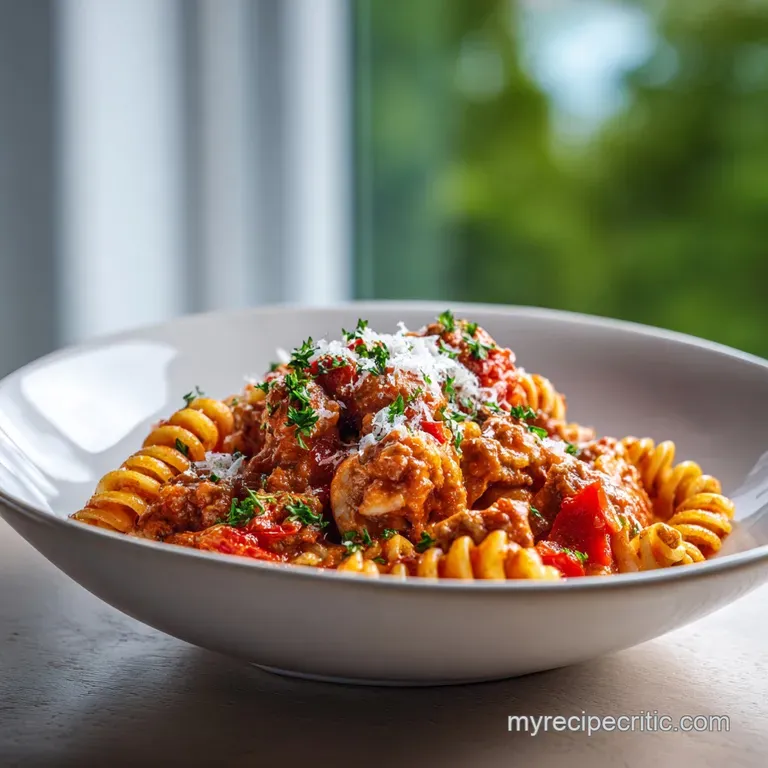
- Sear the sausage. Place your skillet over medium high heat. Add the 1 lb of sausage, breaking it into small crumbles with your spoon. Cook undisturbed for 3 minutes until a mahogany colored crust develops. Stir and continue until fully browned.
- Sauté aromatics. Lower the heat to medium. Add the diced yellow onion and cook for 4-5 minutes until the edges are translucent and soft.
- Bloom the paste. Stir in the 4 cloves of minced garlic and 2 tbsp of tomato paste. Cook for 60 seconds until the paste turns a deep rust color and smells toasted.
- Deglaze the pan. Pour in the 12 oz of dry rigatoni, 2 cups of chicken stock, and 1 cup of heavy cream. Scrape the bottom of the pan to release all those flavorful browned bits. Note: This is where all the hidden flavor lives.
- Simmer the pasta. Bring the liquid to a gentle boil, then immediately reduce the heat to low medium.
- Cover and cook. Put a lid on the skillet and let it cook for 10–12 minutes. Stir every 3-4 minutes to ensure the pasta isn't sticking to the bottom.
- Check for doneness. Remove the lid when the pasta is al dente (firm to the bite) and the liquid has thickened into a creamy sauce.
- Fold in greens. Add the 1 cup of fresh baby spinach and 0.5 cup of Parmesan cheese. Toss for 30 seconds until the spinach is wilted and the cheese is fully melted.
- Season and serve. Taste the sauce. Add sea salt, black pepper, and 1 tsp of red pepper flakes. Note: The sausage and stock are salty, so always taste before adding more salt.
Solving Common Texture Issues
Why Your Sauce Is Separating
This usually happens if the heat is too high after the cream is added or if the cheese is added too quickly. If the fat is pooling at the top, the emulsion has broken. To fix this, add a splash of warm water and whisk vigorously over low heat. The water helps re bind the fats and solids.
Why Your Pasta Is Sticky
If the noodles are clumping together, it's likely because they weren't stirred enough during the first 5 minutes of simmering. The starch is most "active" right when it starts to hydrate. A quick stir every few minutes is mandatory to keep the rigatoni individual and free flowing.
| Problem | Root Cause | Solution |
|---|---|---|
| Thin Sauce | Too much stock or lid was on too tight. | Simmer uncovered for 2-3 mins to reduce liquid. |
| Crunchy Pasta | Liquid evaporated too fast. | Add 1/4 cup extra stock and cover for 2 more mins. |
| Grainy Finish | Pre shredded cheese or added too hot. | Use fresh Parm and pull pan off heat before stirring in. |
Common Mistakes Checklist
- ✓ Don't drain the fat: That orange tinted oil from the sausage is pure flavor and helps build the sauce.
- ✓ Use a wide pan: Overcrowding the sausage prevents browning and leads to gray, boiled looking meat.
- ✓ Grate your own cheese: Pre packaged shreds are coated in cellulose which prevents a smooth melt.
- ✓ Wait for the sizzle: Don't add sausage to a cold pan; you want that immediate contact for a better crust.
- ✓ Season at the end: Stock and sausage are salt bombs; wait until the end to adjust your levels.
Adjusting for Different Groups
Scaling Down (Half Batch)
When making this for just one or two people, use a smaller 8 inch or 10 inch skillet. Reduce the cook time by about 20% since the smaller volume of liquid will heat up and reduce faster. If the recipe calls for half an egg (not here, but in other pasta dishes), beat the whole egg and just pour in half by eye.
Scaling Up (Double Batch)
If you're feeding a crowd, do not just double the liquid 1:1. Use 3.5 cups of stock instead of 4 to prevent the sauce from being too watery, as less evaporation occurs in a larger pot. Work in batches to brown the sausage; if you pile 2 lbs of meat into one pan, it will steam instead of searing.
Increase the spices (salt/pepper/flakes) by only 1.5x at first, then adjust to taste.
Kitchen Truths and Realities
Myth: You must boil pasta in a huge pot of water. The truth is that "pasta water" is only useful if you're making a separate sauce. In a one pot Sausage Pasta, the cooking liquid becomes the sauce.
This concentrated starch is actually better for getting that velvety, restaurant style coating that clings to every noodle.
Myth: Searing meat seals in the juices. Searing is actually about the development of flavor through the darkening of proteins and sugars. It creates a crust that adds texture and a "roasted" depth to the entire pan.
The moisture stays or leaves based on the internal temperature, but the sear is strictly for that savory, craggy bite we love.
Saving Every Single Drop
Storage: This pasta keeps exceptionally well in the fridge for up to 3 days. The sauce will thicken significantly as it cools, almost becoming like a paste. This is normal! When reheating, add a tablespoon of water or milk to loosen it back up.
Freezing: I don't generally recommend freezing cream based pasta dishes as the dairy can take on a grainy texture when thawed. However, if you must, freeze it for no more than 1 month and thaw it overnight in the fridge before gently reheating on the stovetop.
Zero Waste: Don't toss those spinach stems! If you have extra, chop them finely and sauté them right along with the onions. Also, that rind on your Parmesan cheese is like a flavor brick.
Toss it into your next batch of soup or even into the skillet while the pasta simmers to extract every bit of salty, nutty goodness. Just remember to fish it out before serving!
Best Ways to Serve This
This dish is quite heavy, so I usually serve it with something sharp and bright to cut through the richness. A simple arugula salad with a lemon heavy vinaigrette is my go to. The bitterness of the greens balances the sweet cream and spicy pork perfectly.
If you want to go the extra mile, a piece of charred sourdough rubbed with a raw garlic clove is the best tool for swiping up the extra sauce at the bottom of the bowl. Since this is a one pot meal, I like to serve it straight out of the skillet in the middle of the table it keeps the food hot and emphasizes that rustic, home cooked feel.
Just sprinkle a little extra cracked black pepper and a few fresh basil leaves on top right before everyone digs in. It looks impressive, but we'll both know it only took twenty minutes of your time.
Critical Sodium Alert 🚨
1385 mg 1385 mg (60% 60%)
The American Heart Association recommends limiting sodium intake to 2,300mg per day, with an ideal limit of 1,500mg for most adults.
Personalized Sodium Reduction Tips
-
Swap Italian Sausage-25%
Choose low-sodium or no-salt added Italian sausage. This is often the biggest source of sodium in this recipe. Look for brands specifically labeled as reduced sodium.
-
Control Added Salt-25%
Omit sea salt entirely or add it very sparingly at the end. Taste the dish first, as the sausage and Parmesan cheese will contribute significant saltiness.
-
Moderate Parmesan Cheese-15%
Reduce the amount of freshly grated Parmesan cheese to 1/4 cup. While flavorful, it's also a significant source of sodium.
-
Boost with Herbs & Spices
Amplify flavor without sodium by using generous amounts of fresh or dried herbs like basil, oregano, parsley, and rosemary. Consider adding extra garlic and onion for depth.
-
Select Low-Sodium Tomato Paste-5%
If available, opt for low-sodium or no-salt added tomato paste. Standard tomato paste can contribute more sodium than expected.
Recipe FAQs
Should I drain the rendered fat after browning the sausage?
No, keep the fat in the pan. That orange tinted oil contains essential flavor and helps build the foundation for your sauce.
How to ensure the sausage gets a proper crust?
Use a wide pan and avoid overcrowding. Let the sausage cook undisturbed for 3 minutes over medium high heat to develop a mahogany colored crust without steaming the meat.
How to achieve a perfectly smooth cheese sauce?
Grate your own Parmesan from a block. Pre-packaged shreds contain anti caking agents like cellulose that prevent a smooth melt; if you enjoyed nailing the emulsion here, see how we apply the same silky technique in our velvety cream pasta.
Is it necessary to use a double boiler for the sauce?
No, this is a common misconception. You can cook the entire dish in one skillet, as the starch from the pasta and the fat from the sausage create a stable emulsion naturally.
How to prevent the pasta from sticking to the bottom of the skillet?
Stir the mixture occasionally throughout the 10 12 minute simmer. Maintaining a gentle boil rather than a high, aggressive heat also helps keep the pasta moving safely.
Can I add more liquid if the pasta seems too dry?
Yes, splash in a little extra chicken stock. Add it sparingly while tossing to reach your desired consistency, but be mindful that the sauce thickens as the Parmesan melts in at the end.
How to fix the seasoning if the sauce tastes too salty?
Avoid adding extra salt until the very end. Because the sausage and chicken stock are inherently salty, wait until the final stage to taste and adjust with salt and pepper only if necessary.
Creamy One Pot Sausage Pasta
Ingredients:
Instructions:
Nutrition Facts:
| Calories | 986 calories |
|---|---|
| Protein | 32 g |
| Fat | 57 g |
| Carbs | 71 g |
| Fiber | 4 g |
| Sugar | 6 g |
| Sodium | 1385 mg |
