Creamy Coconut Chicken: Silky & Aromatic
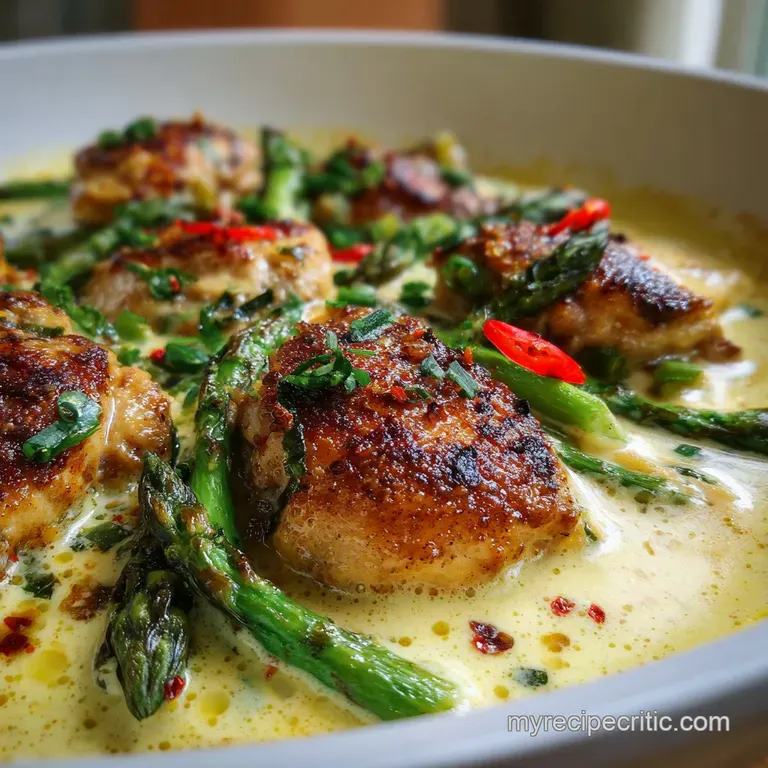
- Time: Active 10 minutes, Passive 20 minutes, Total 30 minutes
- Flavor/Texture Hook: Silky, aromatic, and deeply savory sauce
- Perfect for: A cozy weeknight dinner or a quick dinner party centerpiece
- Why You Need This Creamy Coconut Chicken
- Precise Timing and Recipe Specifications
- Component Science and Deep Dive
- Essential Kitchen Tools and Pans
- The Step-by-Step Cooking Flow
- Troubleshooting and Common Mistakes Checklist
- Flexible Substitutions and Flavor Variations
- Storage Solutions and Zero Waste
- Perfect Pairings and Presentation Ideas
- HIGH in Sodium
- Recipe FAQs
- 📝 Recipe Card
Why You Need This Creamy Coconut Chicken
The first time I attempted a version of this dish, I was standing in my kitchen on a miserable, rainy Tuesday. I wanted something that felt like a hug but didn't require me to spend two hours hovering over a hot stove.
I threw some chicken thighs into my heavy 12 inch cast iron skillet, and the second that sizzle hit the air, the whole mood of the house shifted. There is something about the way ginger and garlic hit hot oil that just feels like home, even if you’re trying out a new flavor profile.
This Creamy Coconut Chicken isn't just about the flavor, though. It’s about that specific moment when the coconut milk hits the pan and picks up all the golden bits of chicken fat and turmeric from the bottom.
I’ve made the mistake before of using low-fat coconut milk, and let me tell you, don't even bother. You want that full fat, luxurious mouthfeel that only comes from the real deal.
It’s the kind of meal where you’ll find yourself scraping the pan with a piece of crusty bread long after the chicken is gone.
The Chemistry of the Emulsion
Fat Stabilization: The natural lecithin in full fat coconut milk acts as an emulsifier, binding the watery chicken stock to the fats from the chicken thighs. This prevents the sauce from breaking into an oily mess when it hits the high heat of your skillet.
| Thickness | Internal Temp | Rest Time | Visual Cue |
|---|---|---|---|
| 0.75 inch | 165°F | 3 mins | Juices run clear |
| 1.0 inch | 165°F | 5 mins | No pink at the bone |
| 1.25 inch | 165°F | 5 mins | Firm to the touch |
When you are working with 1.5 lbs boneless skinless chicken thighs, the cook time is surprisingly fast. I always tell my friends to aim for that deep golden sear first because that is where the soul of the dish lives. It reminds me of the technique I used when learning a Classic Filipino Chicken recipe — it’s all about building layers of flavor in one single pan.
Precise Timing and Recipe Specifications
To get this right on the first try, we need a solid game plan. I’m a big fan of the "mise en place" philosophy, mostly because my kitchen usually looks like a disaster zone by the time I’m done.
If you spend those first 10 minutes getting your ginger grated and your shallots diced, the actual cooking flow becomes a breeze. You won't be scrambling to find the fish sauce while your garlic is burning in the pan.
The timing window here is narrow but forgiving. We are looking for exactly 20 minutes of cook time. If you go too long, the coconut milk can start to reduce too much and become heavy. If you go too short, the flavors of the raw turmeric and ginger won't have time to mellow out and meld into the cream.
Trust the timer, but more importantly, trust your nose. When the kitchen smells like a tropical spice market, you’re almost there.
| Component | Fresh | Shortcut | Flavor Impact |
|---|---|---|---|
| Ginger | Grated root | Ginger paste | Paste is less fibrous but milder |
| Garlic | Fresh minced | Jarred garlic | Jarred lacks the sharp "bite" |
| Lime | Fresh zest/juice | Bottled juice | Bottled lacks the floral zest oils |
You'll notice that using fresh aromatics really changes the game here. While a jar of ginger paste works in a pinch, the way fresh ginger fibers melt into the sauce is incomparable. It’s the difference between a good meal and a dish that people ask for the recipe before they've even finished their first bite.
Component Science and Deep Dive
Let's talk about the 13.5 oz full fat coconut milk for a second. This is the backbone of the entire recipe. Coconut milk is a natural oil in-water emulsion. When we simmer it, we are essentially reducing the water content to make the fat more prominent, which gives us that velvety texture we’re after. It’s a similar logic to the cream reduction in a Foolproof Creamy Chicken recipe, but with a much higher heat tolerance.
The 1 tsp turmeric powder isn't just there for the vibrant yellow color, though that certainly helps with the "wow" factor. Turmeric is fat soluble, meaning its flavor and health benefits are unlocked when it’s heated in oil.
That’s why we add it to the aromatics before the liquid we want it to "bloom" in the avocado oil.
| Ingredient | Science Role | Pro Secret |
|---|---|---|
| Avocado Oil | High smoke point | Prevents butter burn during the sear |
| Fish Sauce | Umami depth | Adds "saltiness" without just using salt |
| Turmeric | Fat soluble flavor | Bloom in oil to remove the "raw" taste |
I always keep a bottle of fish sauce in the back of my fridge. I know the smell can be a bit... intense when you first open the bottle, but don't let that scare you off. In this 1 tbsp fish sauce measurement, the fermented funk disappears and transforms into a deep, savory richness that salt alone cannot replicate.
It’s the secret weapon that makes people say, "What is that flavor?"
Essential Kitchen Tools and Pans
You don't need a pantry full of gadgets, but a heavy bottomed skillet is non negotiable for this Creamy Coconut Chicken. I prefer a 12 inch cast iron skillet or a heavy stainless steel pan. The goal is heat retention.
When you drop 1.5 lbs of chicken thighs into a thin, cheap pan, the temperature drops instantly, and instead of searing, your chicken will just steam in its own juices. We want a sizzle, not a simmer, at that first stage.
Chef's Tip: Grate your fresh ginger while it's frozen. Keep a knob of ginger in a freezer bag; it makes the grating process effortless and prevents the ginger from turning into a stringy mess in your hand.
Another thing I’ve learned the hard way: use a microplane for the lime zest. You want those tiny, fragrant particles, not big chunks of bitter white pith. Position your oven rack in the middle this isn't a dish we’re finishing under the broiler, but even heating across the bottom of the pan is key to keeping the coconut milk from scorching.
The step-by-step Cooking Flow
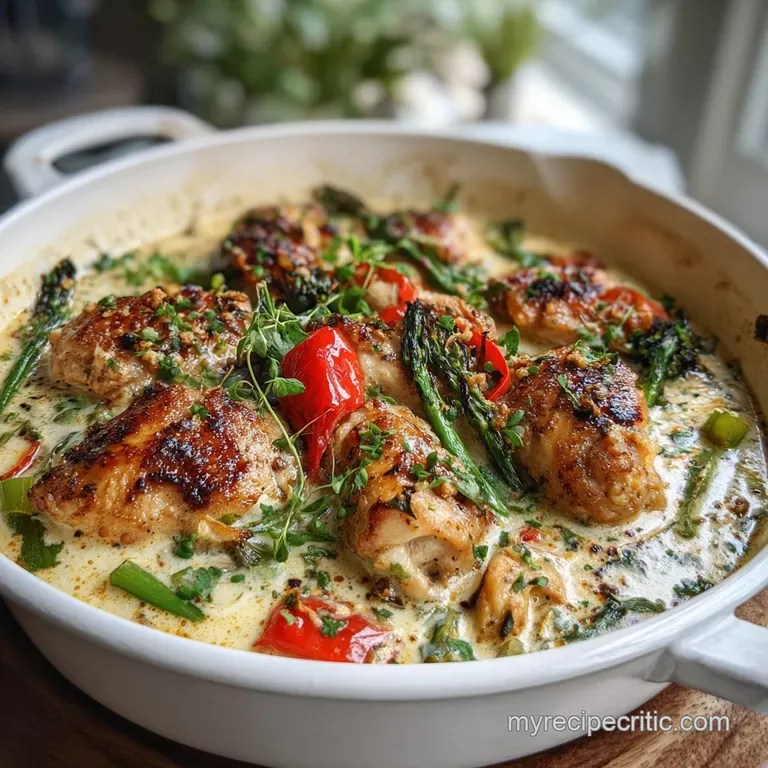
- Pat the 1.5 lbs chicken thighs completely dry with paper towels. Note: Excess moisture is the enemy of a golden brown sear.
- Season both sides with 1 tsp kosher salt and 0.5 tsp cracked black pepper.
- Heat 2 tbsp avocado oil in a 12 inch skillet over medium high heat until the oil shimmers and barely wisps smoke.
- Sear the chicken for 6-8 minutes per side until a deep golden crust forms and it releases easily from the pan. Remove chicken and set aside on a plate.
- Reduce heat to medium. Add 1 small finely diced shallot to the remaining fat. Cook for 2-3 minutes until translucent and soft.
- Stir in 3 cloves minced garlic, 1 tbsp grated ginger, 1 tsp turmeric, and 0.5 tsp red pepper flakes. Cook for 60 seconds until the kitchen smells incredible.
- Pour in 13.5 oz full fat coconut milk and 0.5 cup chicken stock. Use a wooden spoon to scrape the bottom of the pan. Note: This is deglazing, which incorporates all the flavor into the sauce.
- Stir in 1 tbsp fish sauce. Bring the liquid to a gentle simmer.
- Return the chicken (and any juices from the plate) to the skillet. Simmer for 8-10 minutes until the sauce thickens and chicken reaches 165°F.
- Remove from heat. Stir in the juice and zest of 1 fresh lime and 0.5 cup fresh cilantro.
The way the lime juice cuts through the fat of the coconut milk at the very end is pure magic. It's that final hit of acid that wakes up all the other flavors. If you skip the lime, the dish feels heavy; with it, it feels bright and balanced. It's a trick I use in almost everything I cook now.
Troubleshooting and Common Mistakes Checklist
One thing that used to drive me crazy was when my coconut milk would "split" or look curdled. Usually, this happens if the heat is way too high for too long, or if you’re using a brand of coconut milk with too many stabilizers. If it happens, don't panic!
You can usually fix it with a vigorous whisking or a tiny splash of warm water.
Why Your Sauce Separated
If you notice oil pooling on top of your sauce, it’s a sign that the emulsion has broken. This often happens if the sauce boiled too violently. The fat separates from the solids, leaving you with a grainy texture.
| Problem | Root Cause | Solution |
|---|---|---|
| Broken Sauce | Boiling too hard | Whisk in 1 tbsp of warm stock and lower heat |
| Tough Chicken | Overcooked | Use a meat thermometer to pull at 165°F |
| Bland Flavor | Lack of acidity | Add an extra squeeze of lime or more fish sauce |
Mistakes happen to everyone, even those of us who blog about food every day! I once forgot to salt the chicken before searing and spent the whole dinner trying to season the sauce to compensate. It just wasn't the same.
Common Mistakes Checklist:
- ✓ Always pat the chicken dry before it hits the oil (moisture prevents the Maillard reaction).
- ✓ Don't crowd the pan; if your skillet is small, sear the chicken in two batches.
- ✓ Avoid "lite" coconut milk as it lacks the fat needed to create a velvety sauce.
- ✓ Bloom your spices in the oil for at least 60 seconds to remove the raw, dusty taste.
- ✓ Stir in the lime juice only after removing the pan from the heat to keep the flavor fresh.
Flexible Substitutions and Flavor Variations
I’m a firm believer that recipes are more like guidelines. If you don't have shallots, use half a small yellow onion. If you're out of cilantro, Thai basil is an incredible alternative that adds a peppery, anise like note.
The core of this Creamy Coconut Chicken is the coconut and the aromatics, so as long as you have those, you can play around with the rest.
| Original Ingredient | Substitute | Why It Works |
|---|---|---|
| Chicken Thighs | Chicken Breast | Leaner, but cook 2-3 mins less to avoid drying out |
| Avocado Oil | Coconut Oil | Adds more coconut aroma and handles high heat well |
| Fish Sauce | Soy Sauce | Provides salt and umami, though less "funky" depth |
If you want to make a Creamy Chicken Curry Coconut Milk variation, just add a tablespoon of red or yellow curry paste when you’re sautéing the garlic and ginger. It takes the dish in a slightly different direction but keeps that same comforting base.
For my friends looking for a "one pan" veggie addition, throwing in two cups of baby spinach at the very end works beautifully the residual heat wilts it in seconds.
Storage Solutions and Zero Waste
This dish actually tastes better the next day. The aromatics continue to infuse into the coconut milk as it sits. You can store leftovers in an airtight container in the fridge for up to 4 days. When reheating, do it gently on the stovetop over low heat.
If the sauce has thickened too much in the fridge (which it will, as coconut fat solidifies), just add a tablespoon of water or chicken stock to loosen it back up.
For zero waste, don't toss those cilantro stems! They have more flavor than the leaves. Finely chop them and sauté them right along with the shallots and garlic. Also, if you have half a can of coconut milk left over from another recipe, you can freeze it in an ice cube tray.
These "coconut cubes" are perfect for dropping into your next skillet meal or even a morning smoothie.
Perfect Pairings and Presentation Ideas
The best way to serve this is over a bed of fluffy jasmine rice or basmati. You want something that will act as a sponge for that golden sauce. If you’re looking for a low carb alternative, cauliflower rice is the way to go. I also love serving this alongside a simple charred bok choy or roasted broccoli.
The bitterness of the greens provides a great contrast to the sweet creaminess of the coconut.
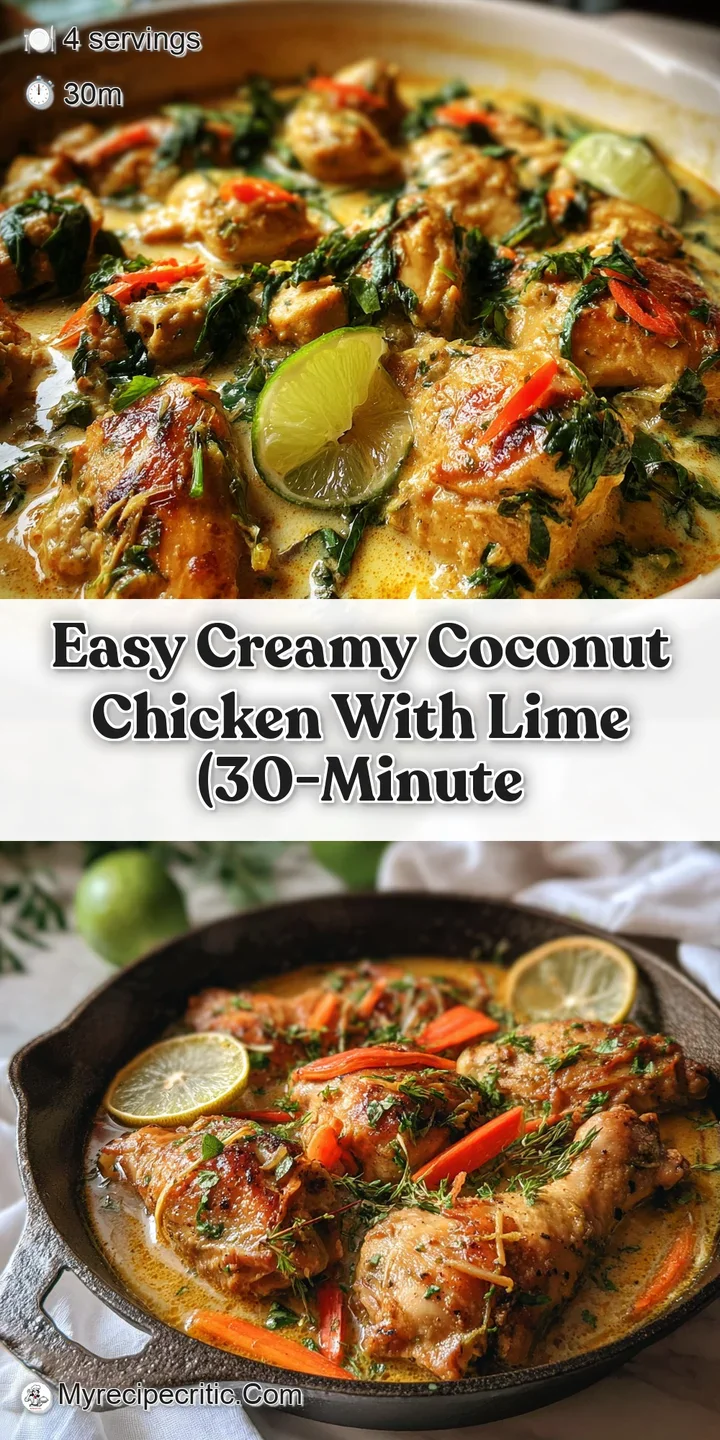
If you’re hosting a dinner and want that "wow" factor, garnish with extra lime wedges, a sprinkle of red pepper flakes, and a massive handful of fresh cilantro. The contrast of the bright green herbs against the yellow turmeric sauce is stunning.
It’s a meal that looks like you spent hours on it, but we’ll keep the 30 minute secret between us. Trust me, once you master this one pan flow, it will become a permanent resident in your recipe rotation.
HIGH in Sodium
950 mg mg of sodium per serving (41% of daily value)
American Heart Association recommendation about 2,300mg limit
Tips to Reduce Sodium
-
Low-Sodium Broth-30%
Replace the 0.5 cup of regular chicken stock with low-sodium or no-sodium added chicken stock. This simple swap can significantly reduce sodium intake.
-
Reduce Salt-25%
Halve the amount of kosher salt from 1 tsp to 0.5 tsp. You can always add more to taste at the end, but it's easier to reduce than remove.
-
Less Fish Sauce-20%
Reduce the fish sauce by half, using only 0.5 tbsp, and taste as you go. Fish sauce is high in sodium, so using less makes a big difference.
-
Lime Power-10%
Increase the amount of fresh lime juice and zest used in the recipe. The added acidity will enhance the flavors and potentially allow you to use even less salt and fish sauce.
-
Spice It Up!
Experiment with other sodium free herbs and spices to enhance the flavor of the dish. Consider adding more ginger, turmeric, or a pinch of cayenne for extra depth.
Recipe FAQs
What does coconut milk do to chicken?
It tenderizes and enriches the flavor profile. Full fat coconut milk coats the chicken during simmering, preventing moisture loss while imparting a subtle sweetness and creamy texture to the resulting sauce.
Can I use coconut milk instead of cream of chicken soup?
Yes, you absolutely can, and it results in a superior sauce. Cream of chicken soup is primarily a processed binder; using full fat coconut milk gives you a richer, naturally stabilized emulsion that tastes fresher. If you enjoy making sauces from scratch, this technique is similar to the flavor building we use in our Proper Good homemade recipe for depth.
How long can you marinate chicken with coconut milk?
For this recipe, marinating is unnecessary; a quick coat is best. Coconut milk is not highly acidic, so it won't tenderize deeply like yogurt or buttermilk, but you can coat the chicken and let it sit for up to 2 hours in the fridge before searing for flavor infusion.
How long does it take for chicken to cook in coconut milk?
About 8 to 10 minutes of gentle simmering. After searing the chicken, return it to the sauce and allow it to simmer until the internal temperature reaches 165°F. Cooking too long will cause the coconut milk to break or separate.
Is it true that using low-fat coconut milk will ruin the sauce texture?
Yes, low-fat coconut milk often yields a watery and thin sauce. The high fat content in full fat coconut milk is essential because it contains the natural emulsifiers needed to bind the sauce solids and prevent separation when heated.
What is the secret to preventing the coconut sauce from splitting?
Maintain a gentle simmer and always remove the pan from direct heat to add acid. Violent boiling forces the fat and water components apart, causing a grainy texture. If you mastered controlling the fat in a sauce like this, you can apply that precision to any rich sauce, like those in our Chicken Salad Recipe for a perfect texture.
Can I substitute the chicken thighs for breasts in this recipe?
Yes, but you must reduce the simmering time slightly. Chicken breasts are leaner, so they only need about 6 to 8 minutes simmering time to reach 165°F internally, whereas thighs benefit from the longer cook time to become ultra tender.
Creamy Coconut Chicken
Ingredients:
Instructions:
Nutrition Facts:
| Calories | 476 kcal |
|---|---|
| Protein | 32 g |
| Fat | 43 g |
| Carbs | 5 g |
| Fiber | 1 g |
| Sugar | 2 g |
| Sodium | 950 mg |
