Classic Cheese Ball Recipe with Bacon
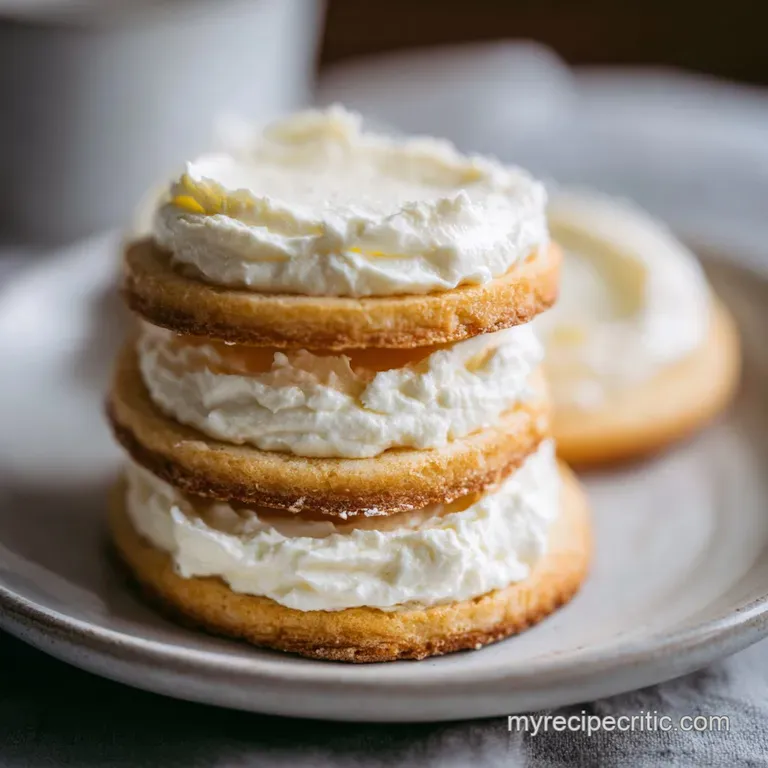
- Time: Active 15 minutes, Passive 2 hours, Total 2 hours 15 mins (includes chilling)
- Flavor/Texture Hook: Velvety cream cheese base with a shatter crisp bacon and nut coating
- Perfect for: Holiday parties, game day snacking, or a Make-ahead appetizer for busy hosts
- The Best Classic Cream Cheese Cheese Ball Recipe
- The Science of Fat Stability
- Analyzing the Key Flavor Components
- Essential Tools for Party Prep
- Detailed Step-by-Step Shaping Instructions
- Fixing Common Texture and Seasoning Issues
- Clever Swaps for Every Occasion
- Debunking Common Kitchen Myths
- Storing Your Party Appetizer Properly
- Creative Serving Ideas for Guests
- Cheese Ball Recipe FAQs
- 📝 Recipe Card
The Best Classic Cream Cheese Cheese Ball Recipe
That first shatter of a buttery cracker against a cold, sharp cheese ball is basically the sound of the holidays at my house. I still remember a Christmas party five years ago where I tried to get "healthy" and used low-fat cream cheese for the base.
It was a disaster; the whole thing slumped into a sad, beige puddle on the platter within twenty minutes of being out. Everyone was polite, but the crackers just sat there, lonely and dry.
I learned my lesson that night: when it comes to a cheese ball recipe, fat is your best friend for structural integrity. Since then, I've spent years tweaking the ratios of Worcestershire and garlic to ensure every bite has that zingy, savory punch that keeps people hovering around the appetizer table.
It isn't just about mixing cheese; it's about the contrast between the cold, velvety center and the smoky, salty crunch on the outside.
We are going to walk through how to build a base that stays firm but melts in your mouth, and I’ll show you how to avoid the "clumping" issues that plague so many home cooks.
Whether you’re a seasoned pro or this is your first time shaping a cheese sphere, you’ll find that the secret lies in the timing of your chill and the quality of your cheddar. Let's get into what makes this the only appetizer you'll need this season.
The Science of Fat Stability
Saturated Fat Structure: Full fat cream cheese provides a dense network of triglycerides that stay solid at room temperature, preventing the ball from collapsing.
Enzymatic Sharpness: Using aged sharp cheddar introduces broken down proteins (peptides) that provide a more intense flavor hit than mild, young cheeses.
Hygroscopic Balance: The salt in the bacon and cheese draws a tiny amount of moisture from the green onions, seasoning the base from the inside out as it chills.
| Servings | Ingredient Adjustments | Pan/Platter Size | Total Prep Time |
|---|---|---|---|
| 6 people | Use 8 oz cream cheese, 1 cup cheddar | Small 6 inch plate | 10 minutes |
| 12 people | Use 16 oz cream cheese, 2 cups cheddar | Standard 10 inch platter | 15 minutes |
| 24 people | Use 32 oz cream cheese, 4 cups cheddar | Large wooden board | 25 minutes |
Choosing the right serving size depends entirely on the rest of your spread. If this is the main event, go for the full batch. If it's one of ten appetizers, you can easily scale down to half.
Just remember that the chilling time stays the same regardless of size because the core temperature needs to drop for the structure to set properly.
Analyzing the Key Flavor Components
| Ingredient | Science Role | Pro Secret |
|---|---|---|
| Cream Cheese | Structural Binder | Soften to exactly 65°F for the smoothest, lump free mixing experience. |
| Sharp Cheddar | Flavor Profile | Hand grate your cheese to avoid the waxy anti caking starches found in pre shredded bags. |
| Worcestershire | Umami Catalyst | This fermented liquid acts as a bridge, linking the fatty cheese with the smoky bacon. |
| Pecans | Texture Contrast | Toasting them for 5 minutes releases essential oils, doubling their aromatic impact. |
Essential Ingredients and Substitutes
- 16 oz full fat cream cheese, softened: The backbone of the recipe.
- Substitute: Neufchâtel cheese (though it is slightly softer and may require longer chilling).
- Why this? Provides the necessary density to hold the spherical shape on a platter.
- 2 cups sharp white cheddar cheese, freshly grated: Adds the signature bite.
- Substitute: Sharp yellow cheddar or even a smokey Gouda for a different profile.
- Why this? Aged cheeses have less moisture, which keeps the ball from becoming soggy.
- 1 tsp Worcestershire sauce: The "secret" savory depth.
- Substitute: Soy sauce or coconut aminos if you are avoiding anchovies.
- 1/2 tsp garlic powder: For consistent flavor distribution.
- Substitute: 1 small clove of very finely minced fresh garlic.
- 1/4 tsp smoked paprika: Adds a subtle backyard grill undertone.
- Substitute: Regular sweet paprika or a pinch of cayenne for heat.
- 2 green onions, finely minced: Provides a fresh, sharp crunch.
- Substitute: Fresh chives or very finely diced red onion.
- 1 cup pecans, toasted and finely chopped: The classic crunchy exterior.
- Substitute: Walnuts, almonds, or even crushed pretzels for a nut free version.
- 6 slices thick cut bacon, cooked and crumbled: Essential for salt and smoke.
- Substitute: Smoked turkey bacon or vegetarian "bacon" bits.
- 1/4 cup fresh parsley, finely chopped: Brightens the heavy fats.
- Substitute: Fresh cilantro (for a taco style twist) or dried parsley in a pinch.
Softening the dairy is a critical step that many people rush. If you try to mix cold cream cheese, you'll end up with "islands" of unseasoned fat. It's the same principle as when you're making the filling for The Homemade Pumpkin recipe; room temperature ingredients emulsify far better.
Essential Tools for Party Prep
You don't need a high end lab to pull this off, but a few specific items make the process much cleaner. A sturdy rubber spatula is better than a spoon here because it allows you to "smear" the seasonings into the cream cheese, ensuring no garlic powder clumps are left behind.
I also highly recommend using a sheet of high-quality plastic wrap the kind that actually sticks to itself to help form the ball without getting your hands covered in cheese.
A box grater is also non negotiable. Pre shredded cheese is coated in potato starch or cellulose to keep the shreds from sticking together in the bag. While that’s great for a bag, it’s terrible for a cheese ball recipe because it prevents the cheddar from fully bonding with the cream cheese.
If you have a stand mixer with a paddle attachment, you can use it on low speed to combine the base, but honestly, a bowl and some elbow grease work just as well for most people.
Detailed step-by-step Shaping Instructions
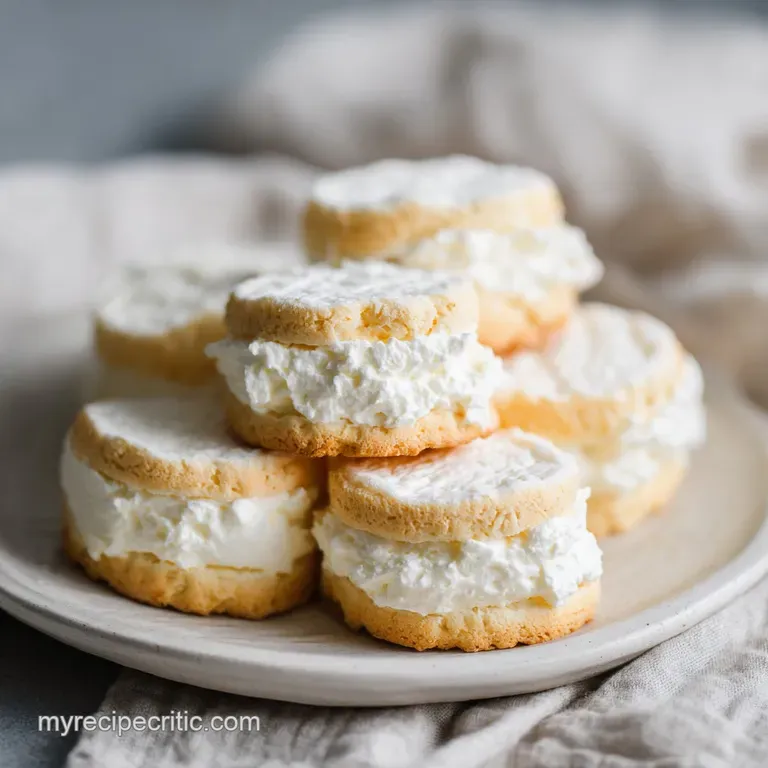
- Soften the base. Place 16 oz cream cheese on the counter for at least 1 hour until it yields easily to a thumb press.
- Grate the cheddar. Shred 2 cups sharp white cheddar using the small holes of a box grater until you have a pile of fine, lacy ribbons.
- Combine the seasonings. In a medium bowl, mix the softened cream cheese with 1 tsp Worcestershire sauce, 1/2 tsp garlic powder, and 1/4 tsp smoked paprika.
- Fold in aromatics. Add the grated cheddar and 2 minced green onions, folding until the white and yellow streaks are fully marbled.
- Form the sphere. Scrape the mixture onto a large sheet of plastic wrap and pull the corners up until the cheese forms a tight, round ball. Note: twisting the top of the plastic wrap helps compress the mixture.
- Chill to set. Place the wrapped ball in the fridge for at least 2 hours until it feels firm and holds its shape when pressed.
- Prepare the coating. On a large plate, toss together 1 cup chopped toasted pecans, 6 crumbled bacon slices, and 1/4 cup chopped parsley.
- Apply the crunch. Remove the plastic wrap and roll the chilled ball in the nut mixture until every inch is encrusted and no cheese is visible.
- Final press. Gently press the coating into the cheese with your palms until the toppings are securely embedded.
- Temper for service. Let the ball sit at room temperature for 15 minutes until the center is slightly softened but the exterior remains crisp.
Chef's Tip: If you want an extra layer of flavor, freeze your butter for 10 minutes and grate a tablespoon of it directly into the cream cheese mixture. It adds a richness that makes people ask, "What is in this?"
Fixing Common Texture and Seasoning Issues
Why is the cheese ball too soft?
If your ball is drooping or looks more like a pancake, the cream cheese likely got too warm during the mixing process, or you used a low-fat version with higher water content. The fix is simple: more time in the fridge.
If you're in a rush, pop it in the freezer for 20 minutes to jump start the firming of the fats.
Fixing a Bland Flavor Profile
Sometimes, despite our best efforts, the cheese tastes a bit flat. This usually happens if your cheddar isn't sharp enough or your spices are old. You can fix this by folding in an extra teaspoon of Worcestershire or a dash of hot sauce.
The acid in the hot sauce cuts through the fat and wakes up the other flavors without necessarily making the whole thing spicy.
| Problem | Root Cause | Solution |
|---|---|---|
| Coating falls off | Cheese surface is too dry | Lightly mist the ball with a tiny bit of water or rub with a damp hand before rolling. |
| Gritty texture | Pre shredded cheese used | Use hand grated cheese next time; for now, let it sit at room temp longer to soften the starches. |
| Too salty | Bacon or crackers are overly salted | Add a teaspoon of honey or maple syrup to the mix to balance the sodium. |
Common Mistakes Checklist
- ✓ Always use full fat cream cheese for the best structural integrity.
- ✓ Toast your pecans before chopping to ensure they stay crunchy inside the coating.
- ✓ Don't add the coating until right before serving to prevent the bacon from getting chewy.
- ✓ Pat your green onions dry after rinsing so they don't leak moisture into the cheese.
- ✓ Use a "smearing" motion with your spatula to remove any garlic powder lumps.
Clever Swaps for Every Occasion
If you are hosting a huge crowd and want to double down on the savory snacks, this ball pairs exceptionally well with The Cheesy Garlic recipe. For those looking to scale down, this recipe is incredibly forgiving. If you only need a small snack for two, just cut all the measurements in half. When scaling up for a wedding or a massive gala, I suggest making two medium sized balls rather than one giant one. A giant cheese ball tends to get messy and unappealing halfway through the party, whereas two smaller ones allow you to keep a fresh one in the fridge until the first is gone.
How to make a nut free version?
Nut allergies are common, but you don't have to sacrifice the crunch. Swap the pecans for toasted panko breadcrumbs or crushed butter crackers. You could even double the bacon and add more green onions for a "loaded baked potato" style exterior.
Just make sure whatever you use has been toasted or is naturally dry so it provides that necessary texture.
| Premium Ingredient | Budget Alternative | Flavor Impact | Savings |
|---|---|---|---|
| Aged White Cheddar | Sharp Yellow Cheddar | Slightly less complex but still tangy | Save $3-5 |
| Thick Cut Bacon | Bacon Bits (Jarred) | Less smoky and a bit more salty | Save $4-6 |
| Fresh Parsley | Dried Parsley | Loses the "green" brightness | Save $2 |
Debunking Common Kitchen Myths
A common misconception is that you need to use a food processor to get the right consistency. In reality, a food processor can over work the cream cheese, breaking down the fat molecules too much and making the ball oily.
Mixing by hand keeps the texture light and airy while allowing the shards of cheddar to remain distinct.
Another myth is that you can't freeze a cheese ball. While the texture of cream cheese changes slightly after freezing (becoming a bit more crumbly), it is perfectly fine if you plan to serve it as a spread. Just be sure to thaw it slowly in the fridge over 24 hours to minimize moisture separation.
I've done this many times for meal prep, and once it's rolled in fresh nuts, no one can tell the difference.
Storing Your Party Appetizer Properly
Storage: Keep the cheese ball in the fridge, tightly wrapped in plastic wrap and then placed in an airtight container. It will stay fresh for up to 4 days. If you've already rolled it in the toppings, note that the bacon will lose its "shatter" after about 24 hours, so it's best eaten quickly once coated.
Freezing: You can freeze the uncoated cheese ball for up to 2 months. Wrap it in a double layer of plastic wrap and then a layer of foil to prevent freezer burn. Do not freeze the ball with the nuts and bacon already on it, as the nuts will turn soft and the bacon will get rubbery.
Zero Waste: If you have leftover scraps that are too small to serve, don't throw them out! Toss the leftover cheese mixture into a hot bowl of pasta or melt it into a pot of soup. It makes an incredible base for a quick stovetop mac and cheese or a creamy potato leek soup.
You can also smear leftovers onto a bagel the next morning for the most decadent breakfast you've ever had.
Creative Serving Ideas for Guests
Presentation is everything when it comes to a centerpiece appetizer. Instead of just plopping it on a plate, try surrounding it with a variety of textures. I love using a mix of sturdy wheat crackers, thin rice crackers, and even some sliced crisp apples or pears.
The sweetness of the fruit is a phenomenal counterpoint to the salty bacon and sharp cheddar.
If you want to get really fancy, serve it on a slate board or a dark wooden platter to make the colors of the parsley and bacon pop. Always provide a small spreader knife so guests don't have to struggle with breaking their crackers.
And if you find yourself with extra time, you can even shape the mixture into small "truffles" for individual servings, which is a total game changer for formal cocktail parties where people are standing up and mingling.
This recipe is all about the balance of being prepared and staying flexible. Once you've got the base down, the world is your oyster or your cheese ball, in this case. Just remember to keep that dairy cold until the last possible second, and you’ll have a hit on your hands every single time.
Happy hosting!

Cheese Ball Recipe FAQs
What are the ingredients of cheese balls?
The core requires full fat cream cheese and freshly grated sharp cheddar. You also need savory additions like Worcestershire sauce, garlic powder, smoked paprika, green onions, and a crunchy coating of toasted pecans and bacon.
What is the secret to a smooth cheese ball?
Ensure the cream cheese is perfectly softened to about 65°F before mixing. Over mixing in a food processor can also cause oiling; use a sturdy spatula to fold ingredients by hand until just combined for a lighter texture.
What's the best cheese for a cheese ball?
Use a freshly grated, aged sharp cheddar cheese. Pre-shredded cheese contains anti caking starches that prevent proper bonding with the cream cheese base.
What are some common cheese ball mistakes?
The most common mistake is rushing the chilling process or using low-fat dairy. low-fat cheese balls lack the necessary fat structure, causing them to collapse into a puddle shortly after serving.
Can I make a nut-free cheese ball variation?
Yes, substitute the pecans with toasted panko breadcrumbs or crushed butter crackers. This maintains the essential textural contrast without using tree nuts, similar to the crust technique used in our Crispy Chicken Parmesan recipe.
How do I prevent the exterior coating from falling off?
Lightly mist the chilled ball with water or gently rub your damp hands over the surface before rolling. This slight moisture acts as a temporary adhesive so the bacon and nuts stick securely once pressed into the cold cheese mass.
How long should the cheese ball chill before serving?
Chill for a minimum of two hours until the center is firm to the touch. This duration is crucial for structural integrity; if you are in a hurry, you can use the freezer for 20 minutes, but the full chill time creates the best mouthfeel.
Classic Cheese Ball Recipe
Ingredients:
Instructions:
Nutrition Facts:
| Calories | 306 kcal |
|---|---|
| Protein | 9.8 g |
| Fat | 28.5 g |
| Carbs | 3.7 g |
| Fiber | 1.1 g |
| Sugar | 1.4 g |
| Sodium | 345 mg |
