Caesar Salad Sauce: a Chefs Emulsion
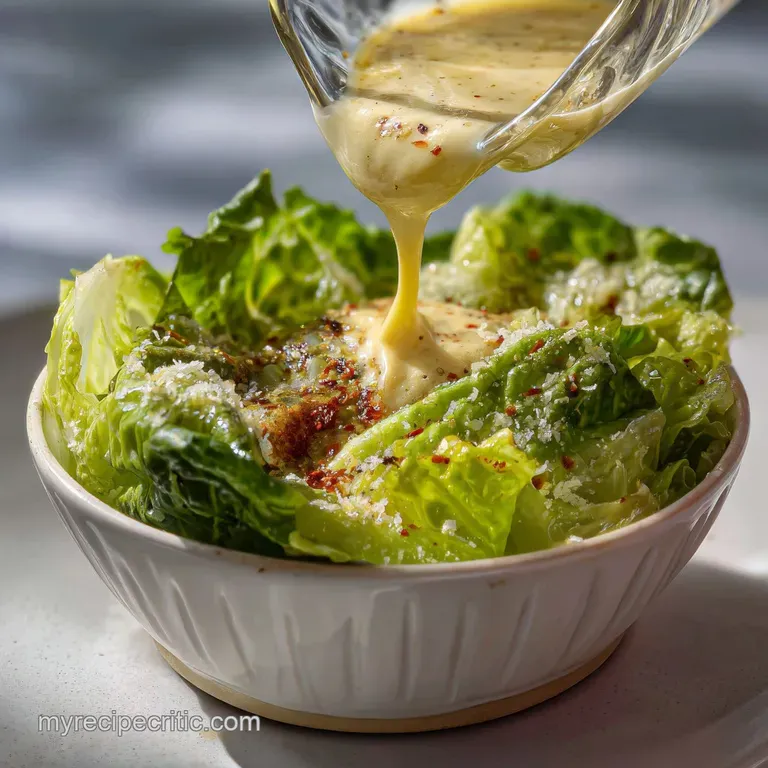
- Mastering the Traditional Caesar Sauce: The Essential Emulsion
- The Science of Umami and Emulsion Stability
- Essential Ingredients for the Proper Classic Caesar Sauce
- Whipping Up the Classic Caesar: Step-by-Step Guide
- Troubleshooting and Advanced Techniques for Emulsions
- Proper Storage and Shelf Life of Homemade Emulsified Dressing
- Beyond the Salad: Creative Uses for Your Classic Caesar Sauce
- Recipe FAQs
- 📝 Recipe Card
Mastering the Traditional Caesar Sauce: The Essential Emulsion
That incredible, pungent aroma when you first whisk together freshly minced garlic, sharp lemon, and rich anchovy paste? That's the promise of a truly great Caesar Salad Sauce . It should be velvety, fiercely savory, and unapologetically punchy.
If your sauce doesn't make your mouth water before it even touches the lettuce, we need to talk, because you've been eating the wrong kind of Caesar.
For years, I bought the jarred stuff, thinking homemade was too fussy or risky, but honestly, making your own classic Caesar Salad Sauce is a kitchen life hack.
It takes less than 15 minutes of active time, costs next to nothing, and completely obliterates the gloopy, overly sweet, stabilizers filled muck from the grocery aisle. Plus, once you master the emulsion, you unlock a whole new level of confidence in the kitchen.
Ready to toss out the bottled mediocrity for good? This foolproof, traditional recipe gives you that deep, complex flavor profile that defined the original dish. Trust me, once you make this perfect Caesar Salad Sauce , you will never look back.
The Science of Umami and Emulsion Stability
The Historical Punch: Why This Recipe Endures
People always assume this dressing originated somewhere in Italy, right? Nope! It was invented by Caesar Cardini in Tijuana, Mexico, back in the 1920s. He made this specific Caesar Salad Sauce out of necessity, throwing together the strong, bold ingredients he had on hand.
The longevity of this recipe proves that the combination of acid (lemon), fat (oil/egg), and heavy umami (Parmesan/anchovy) is truly a perfect culinary trifecta.
Ditching the Jarred Gloop: Defining 'Classic' Flavour
When you buy pre-made dressing, you're usually buying a modified mayonnaise with flavorings added. That's why it tastes flat and somehow sweet. Authentic Caesar Salad Sauce relies on a stable emulsion of egg yolk and oil, leveraging Dijon mustard as a secondary binder.
The classic flavor isn't creamy from dairy; it’s creamy from tiny suspended oil droplets held captive by protein.
Is Traditional Caesar Dressing Difficult to Make? (Addressing the Difficulty)
It is technically simple, but requires patience. The primary difficulty people encounter when trying to make Caesar Salad Sauce at home is a broken emulsion when the oil and the water based ingredients refuse to mix and separate into an oily puddle. The solution?
Slow and steady wins the race, especially during that first critical stage of oil incorporation.
Anchovy Paste vs. Whole Anchovies: Maximizing Depth
Look, if you hate fish, you might skip the anchovies, but you’re missing the deep, rich soul of this dressing. I always recommend using whole fillets packed in oil, not the paste in a tube. Why?
The oil they're packed in adds flavor, and when you take the time to physically mash the whole fillets with the garlic, you release maximum umami. It melts away completely into the Caesar Salad Sauce base.
The Role of Egg Yolk in Binding (The Primary Emulsifier)
The egg yolk is critical. It contains lecithin, a powerful emulsifier that helps keep fat and water combined harmoniously. If you are worried about using raw eggs, ensure you buy pasteurized yolks.
This component is what gives homemade Caesar Salad Sauce its luxurious, velvety texture something you just can’t replicate fully with mayonnaise alone.
Balancing the Five Flavor Profiles (Salt, Sour, Umami, Fat)
A great Caesar Salad Sauce should hit every note. The salt comes from the anchovies and Parmigiano Reggiano. Sourness is all lemon juice. Umami is the combination of Worcestershire, anchovy, and cheese. And fat, obviously, is the blended oils.
Don't be afraid to adjust the lemon at the end; often, a little extra zing is exactly what the sauce needs to feel bright and light despite all that rich oil.
Essential Ingredients for the Proper Classic Caesar Sauce
Remember my number one rule for emulsion success? Ingredients must be room temperature. Pull the eggs, lemon, and oils out about 30 minutes before you plan to start whipping up this fantastic Caesar Salad Sauce .
| Ingredient To Replace | Recommended Substitution | Notes |
|---|---|---|
| Raw Egg Yolk | 2 Tbsp good quality Mayonnaise | Provides immediate stability and eliminates food safety concerns for your salad caesar sauce . |
| Anchovy Fillets | 1 Tbsp White Miso Paste | This is the best substitution for salt and profound umami depth. |
| Worcestershire Sauce | Tamari or Fish Sauce | Use 1/2 tsp of fish sauce (it's stronger) or 1 tsp of Tamari/Soy Sauce for a similar fermentation note. |
| Fresh Garlic | Garlic Powder (Emergency only!) | Use 1/2 tsp of powder, but please, please use fresh if you can. |
Whipping Up the Classic Caesar: step-by-step Guide
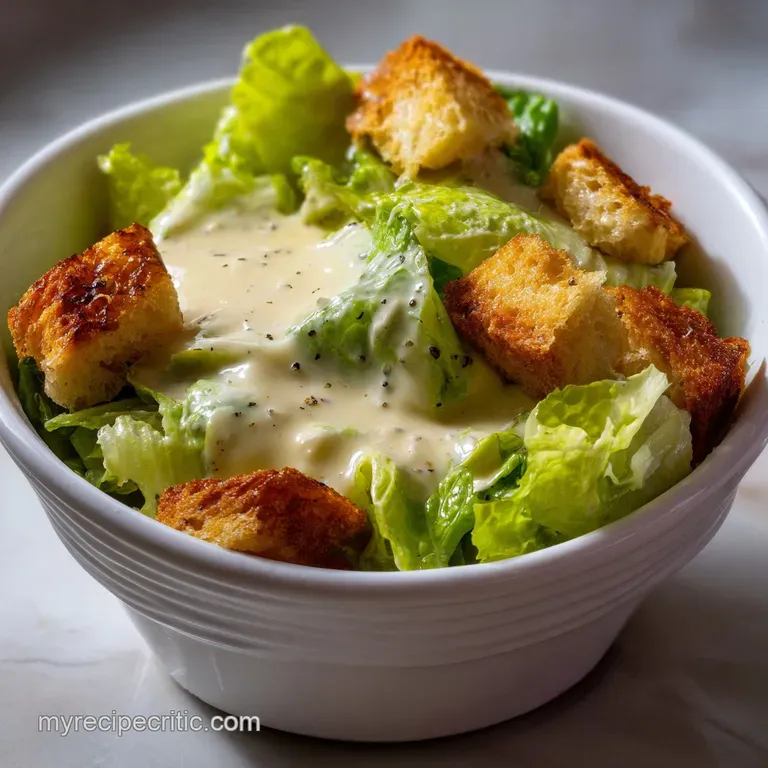
Selecting the Right Oil (Neutral vs. Olive)
This is a rookie mistake: using 100% extra virgin olive oil (EVOO). EVOO is amazing, but too much will make your dressing taste bitter and heavy. We use a high-quality olive oil for flavor (just 1/4 cup) and then rely on a neutral oil like canola or grapeseed for volume and stability.
This ratio ensures your final Caesar Salad Sauce is rich without being aggressive.
The Must Have Role of Worcestershire Sauce
A little dash of Worcestershire is like adding a deep, smoky cellar note to the recipe. It’s fermented, savory, and adds complexity that lemon juice alone can't provide. It helps deepen the umami profile, making this the best Caesar Salad Sauce you’ve ever tasted.
Non-Negotiables: Fresh Garlic and Lemon Zest
Fresh garlic is mandatory. Don't skip the step of mashing it into a paste. I learned the hard way that biting into a chunk of raw garlic is not a fun experience! While not strictly traditional, I often add a tiny pinch of lemon zest right at the end to really brighten the finish of this homemade dressing.
Parmesan Cheese: Grated vs. Shaved in the Sauce
Use finely grated Parmigiano Reggiano in the sauce, not shaved. Shaved cheese goes on top of the salad! Finely grated cheese incorporates smoothly, providing essential salt and texture without disrupting the emulsion.
Make sure you use the real stuff; the pre-grated powder will just turn your Caesar Salad Sauce grainy.
Building the Flavor Base (Mashing the Garlic and Anchovies)
This is the most satisfying step. Lay out your drained anchovies and minced garlic. Use the flat side of your chef's knife, press down firmly, and scrape the mixture back and forth until it turns into a uniform, savory sludge.
This ensures maximum integration, guaranteeing every spoonful of Caesar Salad Sauce has that perfect, integrated punch.
Chef's Note: If you are using an immersion blender, mash the anchovies and garlic by hand first. Tossing whole fillets into a blender usually results in tiny chunks still floating around.
The Slow Drizzle: Achieving a Stable Emulsion
Once you’ve combined the paste, yolk, mustard, lemon, and Worcestershire, start whipping. This is where you decide if you’re using an immersion blender (easiest) or elbow grease (most traditional). Begin adding the oils one slow drop at a time .
Seriously, move like molasses for the first 1/4 cup. If you rush it, the fat won’t bond and your Caesar Salad Sauce will break. Once it turns visibly thicker and paler, like a thick mayonnaise, you can increase the flow to a thin, steady stream until all the oil is incorporated.
Troubleshooting and Advanced Techniques for Emulsions
How to Save a Broken Sauce (The Rescue Method)
If your beautiful emulsion separates don't panic! Grab a clean bowl and add one new, fresh egg yolk (room temperature) and about a teaspoon of hot water or fresh lemon juice. Whisk that vigorously.
Now, take your broken, separated Caesar Salad Sauce and drizzle it very slowly into the new yolk base, drop by drop, while whisking constantly. The new yolk will grab the separated fat and re-emulsify the entire batch, rescuing your perfect dressing.
Using Water or Ice Water for Consistency
If your finished Caesar Salad Sauce is too thick, never use straight oil to thin it. Use a teaspoon of ice water at a time. The cold water helps maintain the emulsion structure while loosening the dressing to a more pourable consistency.
Temperature Control: Why Cold Ingredients Matter
I harp on room temperature ingredients because they mix much more easily. Cold egg yolks and cold oils increase the internal friction, making it harder for the lecithin to do its job. A broken sauce often starts with ingredients straight from the fridge.
Avoiding the 'Raw Garlic' Burn
If you’re sensitive to powerful raw garlic, grate the cloves on a microplane instead of mincing them. Then, let the resulting garlic paste sit in the lemon juice for 5 minutes before mixing.
The acid slightly tames the intensity, ensuring your finished Caesar Salad Sauce doesn't taste aggressively spicy.
Proper Storage and Shelf Life of Homemade Emulsified Dressing
Refrigeration Guidelines for Egg-Based Sauces
Because this recipe uses raw or lightly processed egg yolks, you must treat the finished product like a fresh mayonnaise. Store your homemade Caesar Salad Sauce in an airtight container in the coldest part of your refrigerator (usually the back). It will last reliably for 4 to 5 days.
After that, the flavor might still be fine, but the texture and safety begin to degrade.
Can You Freeze This Classic Caesar Dressing?
No, absolutely not. The emulsification relies entirely on fat and water being suspended by the egg yolk. Freezing causes the water components to expand and crystalize, destroying the delicate fat structure. When thawed, the Caesar Salad Sauce will separate completely and no amount of whisking will bring it back. If you want a dressing that freezes well, stick to oil and vinegar based options like the vinaigrette in my Watermelon Feta Salad: Easy Basil Lime Vinaigrette recipe.
Beyond the Salad: Creative Uses for Your Classic Caesar Sauce
Serving as a Dip or Vegetable Drizzle
This is too good just for lettuce! Try using this Caesar Salad Sauce as a decadent dip for fresh crudités or thick cut fries. It works particularly well as a robust dipping sauce alongside grilled zucchini or asparagus. It’s got that addictive, savory quality that makes any vegetable disappear fast, similar to how my Alabama White Sauce Recipe: Tangy Easy BBQ Dip works for chicken.
Marinade Potential for Poultry and Fish (The Flavour Impact)
While rich, the oil and acid in this dressing make it a fantastic marinade. The acid tenderizes the protein, and the fat carries the massive flavor bomb of garlic, anchovy, and Parmesan. Use it to coat salmon fillets or chicken breasts before grilling or baking. It yields truly succulent results.
Enhancing Sandwiches and Wraps
Forget plain mayo! Spreading a thin layer of this pungent, savory dressing inside your lunch wrap or sandwich is a game changer. It adds immediate complexity that transforms mundane fillings. I even use it sometimes when I want to elevate a quick lunch, like my recipe for Tuna Sandwich: The Best Clean Tuna Salad Recipe Yet . This specific Caesar Salad Sauce recipe really delivers.
Using the Sauce to Finish Roasted Vegetables
Toss roasted broccoli, Brussels sprouts, or even potatoes with a tablespoon or two of this classic Caesar Salad Sauce right when they come out of the oven. The warmth of the vegetables slightly loosens the dressing, coating every crispy edge with savory richness.
It’s the ultimate simple side dish upgrade.
Recipe FAQs
Why did my Caesar dressing separate or 'break'?
A broken emulsion typically occurs if the oil is added too quickly, overwhelming the egg yolks’ emulsifying power, or if the ingredients were too cold initially. To potentially rescue the sauce, whisk a fresh egg yolk vigorously in a clean bowl and slowly drizzle the broken dressing into it, whisking constantly until the emulsion reforms and thickens.
Is it safe to use raw egg yolks in a traditional Caesar sauce?
While raw egg yolk is essential for the classic emulsification, using them carries a small risk of Salmonella; experts highly recommend using pasteurized egg yolks or a commercial liquid egg product to ensure food safety.
Alternatively, you can briefly warm the yolks with lemon juice over a double boiler until slightly thickened (but not scrambled) before proceeding with the oil incorporation.
How long can I safely store this homemade Caesar dressing?
Due to the presence of raw garlic, raw egg, and fresh lemon juice, this dressing must be refrigerated immediately and should be consumed within 3 to 4 days. Freezing is strongly discouraged, as the freezing and thawing process will destroy the delicate emulsion, leaving you with a separated, watery mixture.
I hate anchovies. Can I omit them or substitute them?
Anchovies provide the fundamental, savoury umami necessary for authentic Caesar flavour; omitting them entirely will result in a flat, dull dressing. If necessary, you can substitute the fish for one tablespoon of white miso paste or a few drops of high-quality Worcestershire sauce, ensuring you still achieve a substantial depth of flavour.
My dressing is too thick. How do I achieve the perfect pouring consistency?
If the emulsion is too stiff, gently whisk in a very small amount of cold water, or a few additional drops of fresh lemon juice, until the desired flow is reached. Ensure you add the liquid slowly and whisk thoroughly after each addition so you do not risk breaking the existing emulsion.
Can I make this classic Caesar sauce vegetarian or vegan?
For a vegetarian Caesar, simply swap the anchovies for a rich ingredient like white miso paste to provide the umami depth. To make a vegan version, substitute the raw egg yolk with one tablespoon of aquafaba (chickpea liquid) or a small amount of silken tofu, and use a vegan Parmesan substitute.
What is the proper technique for adding the oil to ensure a stable emulsion?
Temperature control is crucial; ensure your ingredients are room temperature before starting the process. The oil must be added incredibly slowly initially drip-by-drip while you are whisking the yolk mixture vigorously and continuously until the mixture visibly thickens and whitens.
Once the emulsion is established, you can increase the oil flow to a very thin stream.
Classic Caesar Salad Sauce Recipe
Ingredients:
Instructions:
Nutrition Facts:
| Calories | 318 kcal |
|---|---|
| Protein | 5.0 g |
| Fat | 32.0 g |
| Carbs | 3.0 g |
