Chicken Fajita Skillet: Smoky & Citrus Bright
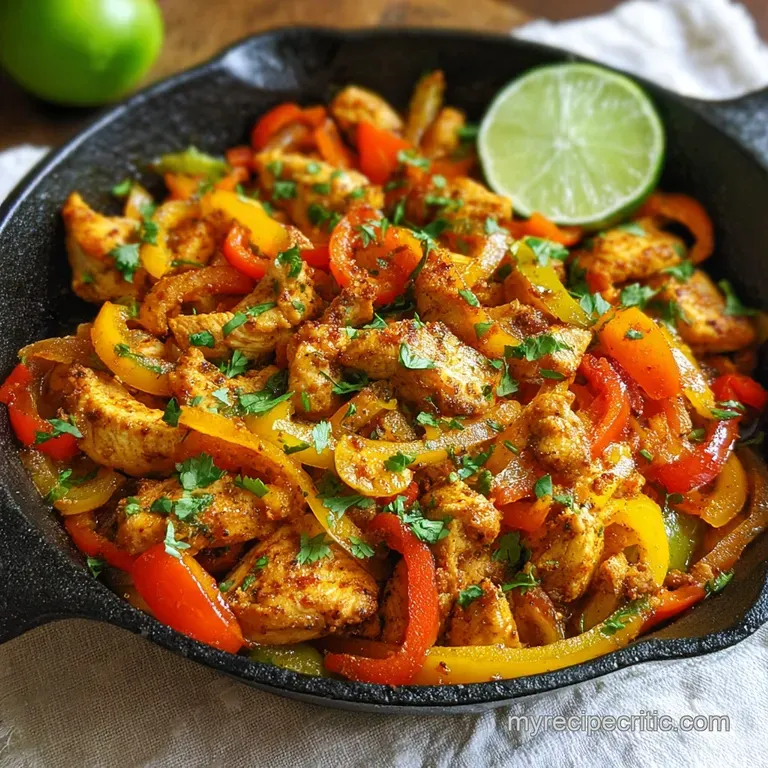
- Time: Active 15 minutes, Passive 0 mins, Total 25 minutes
- Flavor/Texture Hook: Smoky, charred, and citrus bright
- Perfect for: High protein weeknight dinners
- Master the Smoky Chicken Fajita Skillet
- Reasoning Behind the Sizzle
- Essential Specs for Success
- Analyzing the Primary Components
- Tools for the Perfect Sear
- Executing the Searing Process
- Fixing Common Cooking Errors
- Tasty Customizations and Twists
- Reasoning Behind Culinary Myths
- Storing and Reusing Leftovers
- Creative Presentation and Pairings
- Recipe FAQs
- 📝 Recipe Card
Master the Smoky Chicken Fajita Skillet
The first time I tried making fajitas at home, it was a disaster. I was about twenty, living in a tiny apartment, and I thought I could just throw everything into a lukewarm pan and walk away. What I ended up with was a pile of gray, boiled looking chicken and mushy peppers that had absolutely zero soul.
I remember sitting there with my bland tortilla, wondering why it didn't have that "hiss" and "crackle" I loved at the local Tex Mex spot.
It took me years of experimenting and a few smoke detector incidents to realize that a great Chicken Fajita Skillet isn't about fancy ingredients. It's about thermodynamics. You need that pan screaming hot. You want to hear that violent sizzle the second the meat hits the metal.
Now, when I make this, the aroma of toasted cumin and smoked paprika fills the kitchen so fast that my husband usually appears out of nowhere with a stack of tortillas before I've even finished the first batch.
We’re going for those slightly blackened edges on the onions and a velvety, tender bite to the chicken. This is the kind of meal that makes you feel like a kitchen hero because it's fast, but it tastes like you actually know what you're doing.
Trust me, once you nail the heat, you'll never look at a restaurant menu the same way again. Right then, let's get into how to make this work every single time without breaking the bank.
Reasoning Behind the Sizzle
The Maillard Reaction: High heat causes proteins and sugars to react, creating a complex, savory crust that provides that signature "grilled" flavor. This chemical transformation only happens when moisture is removed quickly, which is why drying your chicken is non negotiable for a proper sear.
| Method | Time | Texture | Best For |
|---|---|---|---|
| Stovetop Skillet | 10 minutes | Maximum char and crispy edges | Authentic restaurant feel |
| Sheet Pan | 20 minutes | Softer, more roasted profile | Hands off bulk cooking |
| Air Fryer | 12 minutes | Very juicy but less smoky | Small batches/quick cleanup |
If you're looking for a different approach for a busy Tuesday, this Sheet Pan Chicken recipe is a great way to get everything done at once. But for that true, over high heat sizzle, the skillet is the way to go.
Essential Specs for Success
Managing a hot pan requires a bit of strategy so you don't end up with a smoky mess. This dish moves fast, so having your "mise en place" (everything in its place) is the difference between a dinner win and a burnt pan.
We're looking for specific cues the smell of the garlic, the "shatter" of the crisp peppers, and the golden hue of the meat.
| Component | Science Role | Pro Secret |
|---|---|---|
| Avocado Oil | High Smoke Point | Don't use olive oil; it burns and tastes bitter at these temps. |
| Fresh Lime | Acidic Tenderizer | Lime juice breaks down surface proteins and cuts through the heavy fat. |
| Smoked Paprika | Flavor Depth | Mimics the taste of a charcoal grill without needing a backyard. |
Choosing the right fat is actually the most common mistake I see. People reach for butter or extra virgin olive oil, but those fats break down and smoke way too early. You need something neutral that can handle the heat.
Analyzing the Primary Components
For this recipe, we are sticking to the budget smart approach while ensuring the results are nothing short of restaurant quality. You'll need 1.5 lbs chicken breast, sliced into thin 1/2 inch strips.
If you want to save a few dollars, chicken thighs work beautifully here and are much harder to overcook, though they'll be a bit more "velvety" than the lean breast meat.
You’ll also need 2 tbsp avocado oil, divided. This is our over high heat hero. For the vegetables, grab 1 large red bell pepper and 1 large yellow bell pepper. If the yellow ones are too pricey, just use two greens they have a slightly more "grassy" bite but work just as well.
We’ll round that out with 1 large white onion, sliced into half moons, and 2 cloves of minced garlic.
The flavor comes from a blend of 1 tbsp smoked paprika, 1 tsp ground cumin, 1 tsp chili powder, 1/2 tsp garlic powder, 1/2 tsp onion powder, 1 tsp sea salt, and 1/2 tsp cracked black pepper. To finish, you'll need 1/2 cup fresh cilantro and 2 fresh limes.
| Original Ingredient | Substitute | Why It Works |
|---|---|---|
| Avocado Oil | Grapeseed Oil | Both have high smoke points (400°F+). Note: Avoid flax or unrefined oils. |
| Chicken Breast | Pork Tenderloin | Lean and quick cooking. Note: Slices easily into similar strips. |
| Lime Juice | Lemon + Pinch of Sugar | Mimics the acidic tang. Note: Slightly different citrus profile but works in a pinch. |
| White Onion | Red Onion | Adds more color. Note: Slightly sweeter when charred. |
For a deeper flavor profile, I often use a Chicken Fajita Marinade recipe if I have an extra hour to let the meat soak. It really infuses that smoky paprika deep into the fibers of the chicken.
Tools for the Perfect Sear
You don't need a kitchen full of gadgets, but a heavy bottomed pan is your best friend here. A cast iron skillet (like a Lodge 12 inch) is the gold standard because it holds heat like a champion.
When you drop that cold chicken in, a thin non stick pan will lose its temperature instantly, but cast iron stays hot, ensuring you get a sear rather than a steam.
Chef's Tip: Freeze your chicken for about 15 minutes before slicing. It firms up the meat just enough so you can get those perfectly even 1/2 inch strips without the meat sliding around under your knife.
You'll also want a sturdy metal spatula or a pair of long handled tongs. Since we’re working with high heat, silicone tools can sometimes feel a bit "flimsy" when you're trying to scrape up those delicious brown bits (the fond) from the bottom of the pan.
Executing the Searing Process
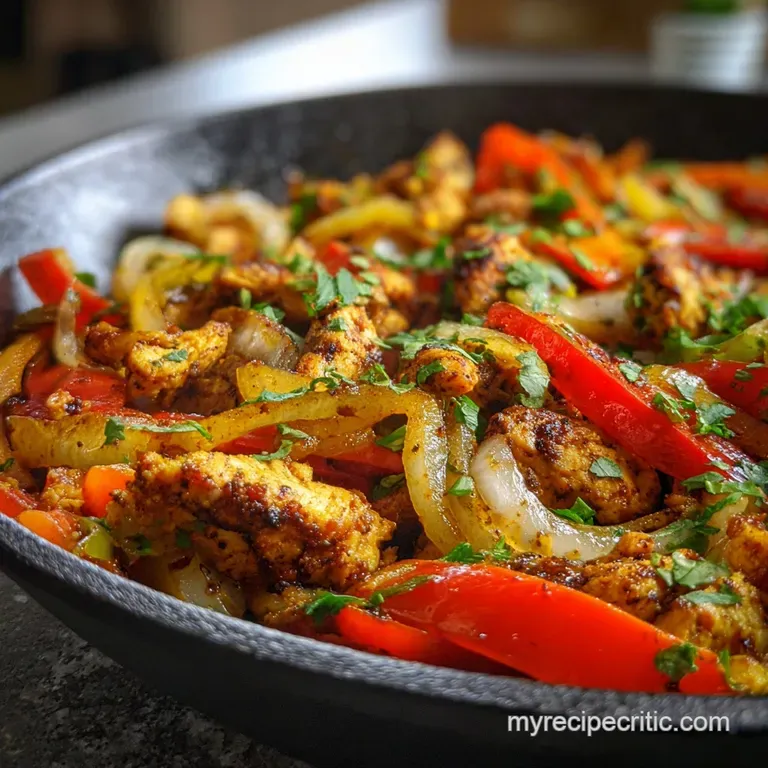
- Prep the chicken. Slice the 1.5 lbs chicken breast into 1/2 inch strips. Note: Keeping them uniform ensures they all finish cooking at the exact same time.
- Season the meat. Toss the chicken in a bowl with the smoked paprika, cumin, chili powder, garlic powder, onion powder, salt, and pepper.
- Heat the skillet. Add 1 tbsp avocado oil to the pan over medium high heat until the oil shimmers and barely wisps with smoke.
- Sear the chicken. Place chicken in the pan in a single layer. Note: Don't crowd it; cook in batches if your pan is smaller than 12 inches.
- Develop the crust. Let the chicken sit undisturbed for 2-3 minutes until a deep golden brown crust forms.
- Flip and finish. Stir and cook for another 2-3 minutes until the chicken is opaque and hits 165°F internally. Remove chicken from the pan and set aside.
- Sauté the aromatics. Add the remaining 1 tbsp oil, then toss in the onion and bell peppers.
- Char the vegetables. Cook for 4-5 minutes until the onions are translucent and the peppers have dark, blistered spots.
- Add the garlic. Toss in the 2 cloves of minced garlic and stir for 30 seconds until the aroma hits you like a freight train.
- Combine and brighten. Return the chicken to the pan, squeeze the juice of 1 lime over everything, and toss with the 1/2 cup fresh cilantro.
| Servings | Chicken Amount | Pan Size | Cook Time |
|---|---|---|---|
| 2 People | 0.75 lbs | 10 inch skillet | 8 minutes |
| 4 People | 1.5 lbs | 12 inch skillet | 10 minutes |
| 6 People | 2.25 lbs | 14 inch or 2 pans | 15 minutes |
This timing is crucial. If you leave the chicken in while the peppers cook, it will turn into rubber. Removing it is the secret to that "tender crisp" balance.
Fixing Common Cooking Errors
One of the biggest hurdles is managing the moisture. If you notice a pool of liquid forming in your pan, your heat is too low or you've overcrowded the skillet. That liquid is the chicken "bleeding" its juices, which then steam the meat instead of searing it.
If this happens, crank the heat up immediately and move the meat to the edges of the pan to help the liquid evaporate faster.
Rescuing Dry or Tough Chicken
If you accidentally overshot the cook time and the chicken feels like a bouncy ball, don't panic. The fix is fat and acid. Add a splash of chicken broth or a little extra lime juice and a tiny knob of butter to the pan.
The steam will help soften the exterior fibers, and the fat will provide a "lubricant" that makes the meat feel more tender than it actually is.
Managing Excess Pan Liquid
Sometimes "enhanced" chicken (meat injected with saline) releases a ton of water. If your peppers are swimming, drain the excess liquid into a small bowl. Don't throw it away it's full of spice! Let the veggies char in the dry pan, then add a teaspoon of that liquid back at the end to glaze everything.
| Problem | Root Cause | Solution |
|---|---|---|
| Gray Chicken | Pan not hot enough | Wait for the oil to shimmer before adding meat. |
| Bitter Taste | Burnt Garlic | Always add garlic in the last 30-60 seconds. |
| Soggy Peppers | Overcrowding | Cook in two batches if the pan is full. |
Common Mistakes Checklist
- ✓ Pat the chicken strips dry with a paper towel before seasoning to ensure a crust.
- ✓ Use a high smoke point oil; butter or olive oil will burn and turn bitter.
- ✓ Slice onions and peppers to the same thickness so they cook evenly.
- ✓ Do not stir the chicken for the first 2 minutes; let the Maillard reaction work.
- ✓ Always rest the chicken for 2-3 minutes after the first sear to keep it juicy.
Tasty Customizations and Twists
If you want to scale this down, it’s quite simple. For two people, just halve all the measurements. If you’re doubling it, be careful with the salt and spices. I usually go 1.5x on the spices rather than a full 2x to avoid it becoming overly salty.
Work in batches for the sear; a crowded pan is the enemy of the crunch.
Low Carb Cabbage Bowl Alternative
Skip the tortillas and serve the Chicken Fajita Skillet over a bed of thinly sliced, raw green cabbage. The heat from the fajitas will slightly wilt the cabbage, creating a "crunchy bowl" effect that's incredibly filling without the carbs. Top it with a dollop of sour cream or Greek yogurt for a creamy finish.
The Steakhouse Twist Method
Add a teaspoon of Worcestershire sauce and a half teaspoon of liquid smoke to the pan during the final 30 seconds of cooking. This gives the chicken a deep, savory, almost beef like complexity that pairs beautifully with the charred peppers.
| Servings | Ingredient Adjustments | Pan Size | Cook Time |
|---|---|---|---|
| 1 Person | 6oz chicken, 1/2 pepper | 8 inch pan | 6 minutes |
| 8 People | 3 lbs chicken, 4 peppers | Large Griddle | 20 minutes |
Reasoning Behind Culinary Myths
You've probably heard that searing meat "seals in the juices." Honestly, that's just not true. Searing actually creates moisture loss because of the intense heat. We sear for the flavor of the crust, not to create a moisture barrier.
The real way to keep chicken juicy is to pull it off the heat the second it hits 165°F.
Another common myth is that you should always salt your vegetables at the beginning. If you do that with peppers and onions in a skillet, the salt draws out the water immediately, causing them to stew. For that restaurant style char, salt them only after they've started to brown. This keeps them crisp and vibrant.
Storing and Reusing Leftovers
This Chicken Fajita Skillet keeps remarkably well in the fridge for up to 3 days. Store it in an airtight glass container to keep the flavors from migrating. When you're ready to eat, don't use the microwave if you can avoid it it turns the chicken into rubber.
Instead, toss everything back into a hot skillet with a teaspoon of water for about 2 minutes. The water creates steam that rehydrates the meat while the pan heat refreshes the char.
For zero waste cooking, save the ends of your onions and the "shoulders" of your bell peppers. Throw them into a freezer bag for the next time you make a vegetable stock. If you have leftover cilantro stems, don't toss them! They have even more flavor than the leaves.
Finely mince them and add them to the pan at the same time as the garlic for an extra herbaceous punch.
Creative Presentation and Pairings
When it's time to serve, I like to bring the whole skillet to the table. There's something so communal and exciting about everyone digging into the same pan. I usually set out small bowls of pickled jalapeños, crumbled cotija cheese, and a big bowl of guacamole.
If you're looking for the perfect side, this Sizzling Chicken Fajitas recipe pairs perfectly with a side of cilantro lime rice or even a simple black bean salad. The acidity of the lime in the fajitas really makes the creaminess of the beans pop.
Traditional Handheld Serving Style
Warm your tortillas directly over a gas flame for 5 seconds per side until they have little charred spots. This adds a toasted corn flavor that a microwave just can't replicate. Load the center with the skillet mixture, add a squeeze of fresh lime, and a sprinkle of that chopped cilantro.
It’s simple, messy, and perfect.
Essential Side Dish Pairings
If you want to go the extra mile, make a quick "crema" by mixing 1/4 cup sour cream with a teaspoon of the lime juice and a pinch of the chili powder. Drizzling that over the hot skillet adds a cooling element that balances the smoky heat of the paprika and chili.
It makes the whole meal feel a bit more "composed" without any extra cooking.
Recipe FAQs
Should I cook the chicken and vegetables together in the skillet?
No, cook them separately in stages. The chicken requires a higher initial heat to sear and develop flavor, while the vegetables need slightly less time to char without becoming mushy.
What is the best oil to use for searing chicken at high heat?
Use avocado oil or grapeseed oil. These oils have very high smoke points, meaning they can withstand the extreme temperatures needed for a proper Maillard reaction without burning and turning bitter.
How do I ensure the chicken strips stay tender and juicy?
Pull the chicken immediately when it reaches 165°F internal temperature. Overcooking is the primary cause of dryness; remove it from the pan while the vegetables are still cooking to prevent carryover heat from drying it out.
Is it true that searing meat "seals in the juices"?
False. Searing actually causes moisture loss due to the high heat necessary to create the crust; we sear solely for the superior flavor developed on the exterior.
How should I prepare the vegetables to get that smoky, charred flavor?
Slice the peppers and onions uniformly and cook them over medium high heat until blistered. Do not crowd the pan, as this will trap steam and prevent the desirable charring from developing.
Can I use chicken thighs instead of breasts for this recipe?
Yes, chicken thighs work very well and are more forgiving. Thigh meat has more fat, making it much harder to overcook than lean breast meat, though the texture will be slightly softer.
What is the best way to reheat leftover fajita filling?
Toss the mixture in a hot, dry skillet with a tablespoon of water or broth. Avoid the microwave, as the steam rehydrates the meat gently and refreshes the seared crust; this same technique for rapid moisture reintroduction is key when making quick sauces like Franks Buffalo Chicken Dip: Easy 6-Ingredient Classic.
Chicken Fajita Skillet Winner
Ingredients:
Instructions:
Nutrition Facts:
| Calories | 402 kcal |
|---|---|
| Protein | 53.9 g |
| Fat | 13.4 g |
| Carbs | 14.2 g |
| Fiber | 3.2 g |
| Sugar | 4.1 g |
| Sodium | 645 mg |
