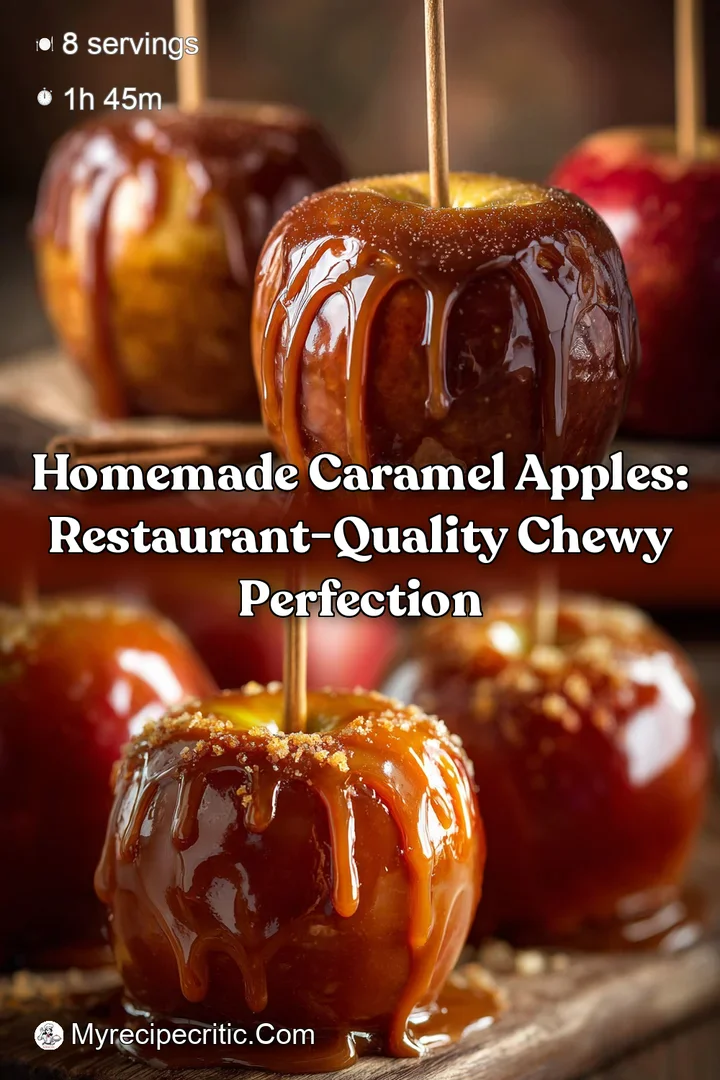
Homemade Caramel Apples: the Absolute Best Chewy Recipe
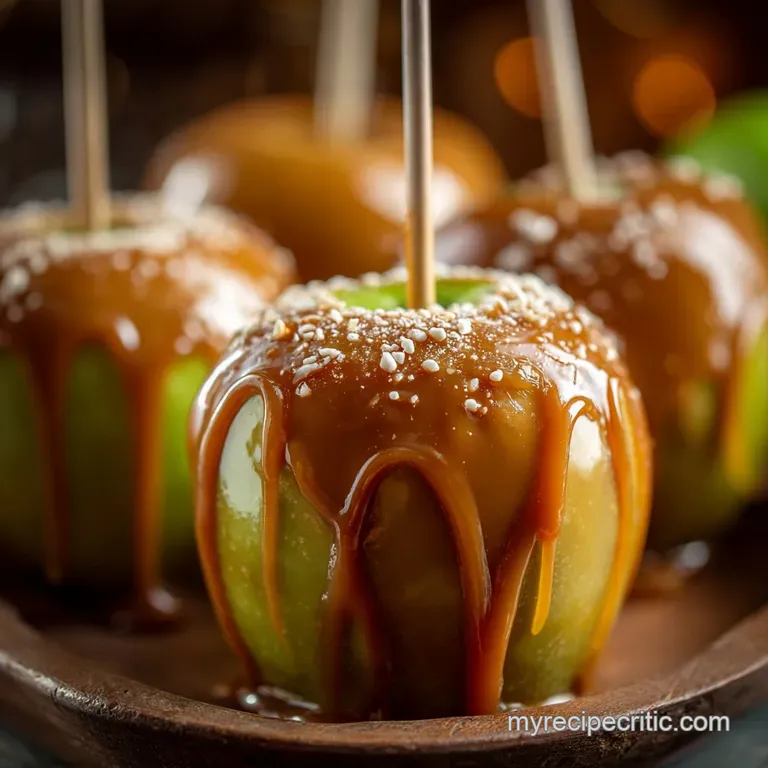
- Reclaiming the Classic: The Art of the Perfect Homemade Caramel Apple
- Mastering the Texture: The Science Behind Chewy Caramel
- Detailed Shopping List and Ingredient Notes for Your Caramel Recipe
- Crafting and Dipping Your Chewy Homemade Caramel Apples
- Troubleshooting and Perfecting Your Batch
- Ensuring Maximum Shelf Life for Coated Apples
- Creative Pairings and Enhancements
- Recipe FAQs
- 📝 Recipe Card
Reclaiming the Classic: The Art of the Perfect Homemade Caramel Apple
That first crackle of the crisp apple skin, followed by the deep, buttery resistance of thick caramel, is pure autumn magic. Forget everything you think you know about caramel apples, because the store-bought versions are thin, sticky sadness masquerading as a treat.
We are going for that rich, deeply browned sugar flavour, the kind that pulls satisfyingly on your teeth without snapping into a million brittle pieces.
This isn't a complicated recipe, but it requires respect. Once you master the temperature and trust me, that’s the only real hurdle these [Homemade Caramel Apples] are faster, cheaper, and infinitely more delicious than any fairground treat.
They are the ultimate party favour and make excellent last minute gifts, especially if you dress them up with fancy toppings.
I’m going to share the actual recipe and the secret tricks I’ve learned after ruining countless batches like the one time I didn't wipe the wax off and the caramel slid onto the counter in a sticky puddle.
Let’s get you dipping the absolute best [Chewy Homemade Caramel Apples] you’ve ever had.
Mastering the Texture: The Science Behind Chewy Caramel
Why Chewy Caramel is Superior to Hard Candy Coating
The difference between a jaw-breaking hard shell and a beautifully soft, toothsome caramel is simply fat and temperature. Hard candy coatings are often cooked much hotter, making them glassy and brittle. We want rich, buttery, and slightly stretchy.
This is why we use a high ratio of cream and butter, cooked just precisely to the Firm Ball stage. That perfect temperature guarantees a caramel that stays put on the apple and gives you that lovely chew.
Essential Equipment Checklist for Candy Making
Look, I am usually the queen of "eyeball it" cooking, but not here. You need a good candy thermometer. This is non-negotiable. Without one, you are just gambling, and the house always wins when dealing with boiling sugar.
Make sure you also have a heavy bottomed pan, which distributes heat evenly and prevents scorching, along with plenty of parchment paper for setting the apples.
Choosing the Right Apple Base (Tart vs. Sweet Varieties)
You simply must use a tart apple. The intensely sweet, buttery caramel needs the sharp acidity of a Granny Smith to balance the flavour. Using sweet apples like Red Delicious or Gala results in a total sugar overload that fatigues your palate instantly.
Honeycrisp or Fuji are decent second choices if you absolutely hate Granny Smith, but the tartness is key to making this recipe truly shine.
The Role of Corn Syrup in Preventing Crystallization
If you’ve ever tried to make caramel and ended up with a grainy, sandy mess, you've met sugar crystallization. Corn syrup (or liquid glucose in the UK) is our secret weapon against this scientific disaster.
It contains simple sugars that interfere with the crystal structure of the granulated sugar, keeping the mixture smooth and fluid. It’s brilliant. If you’re looking for [Caramel Apples No Corn Syrup], know that you are making this ten times harder on yourself, but using a tiny bit of lemon juice can sometimes help.
Achieving the Ideal 248°F Firm Ball Stage
The Firm Ball stage, which happens right around 245°F to 250°F, is the sweet spot for these [Best Homemade Caramel Apples]. We are aiming for 248°F exactly. If you pull it off the heat too early (Soft Ball stage, around 240°F), the caramel will be too soft and slide right off the apple as it cools.
If you go too late (Hard Ball, 260°F), it’ll be too hard. Precision matters here, friend.
Prepping Apples for Maximum Caramel Adhesion
This is where everyone fails, including past-me. store-bought apples are coated in a food grade wax to keep them shiny and prolong shelf life. Caramel hates wax; it’s like trying to stick glue to oil. The crucial prep step is removing that wax.
A quick 10 second dip in simmering water and a vigorous wipe down with a paper towel gets rid of the residue. Then, they must air dry completely. Moisture and wax are the enemies of good caramel apples!
Detailed Shopping List and Ingredient Notes for Your Caramel Recipe
| Ingredient | Substitute/Note |
|---|---|
| Light Corn Syrup | Liquid glucose works perfectly. Do not substitute with honey or maple syrup; they change the texture too much. |
| Unsalted Butter | Use high-quality, high fat butter for richness. |
| Heavy Cream | Full fat evaporated milk works if heavy cream is unavailable, but it will be slightly less luxurious. |
| Granulated Sugar | Stick to standard white sugar for consistency. |
Butter Quality: Why European Style Butter Makes a Difference
I am deeply biased when it comes to butter; higher fat content means richer flavor and a smoother mouthfeel. Using European style butter, which typically has a higher butterfat percentage, results in a more fudgy and decadent caramel. Since butter is half the flavor profile, spring for the good stuff here.
Sweetener Alternatives (Avoiding Powdered Sugar or Honey)
I know some people hate corn syrup, but honestly, it’s the best for texture control. Powdered sugar is a definite no, as the added cornstarch and texture will mess up your whole batch. While honey can prevent crystallization, its strong flavor overpowers the delicate butterscotch notes we are trying to achieve.
Stick to the corn syrup or liquid glucose for a professional result.
The Importance of Fresh Heavy Cream
Use heavy cream, also known as double cream. It must be full fat because the fat prevents the caramel from becoming brittle. Make sure the cream is lukewarm when you add it. Adding cold cream to screaming hot sugar can cause a dangerous steam eruption and seize your caramel instantly.
Preparing Toppings (Nuts, Sprinkles, or Chocolate Drizzles)
The caramel needs to be dipped immediately, so have your toppings ready to go! Chopped, toasted pecans or peanuts are classic choices. If you want a gourmet apple, try crushed St Patricks Day Desserts: Irish Stout Salted Caramel Bars crumbs for an elevated topping.
- Crushed peanuts or pecans
- Mini chocolate chips
- Flaky sea salt (sprinkled post dipping)
- Finely chopped toffee pieces
Crafting and Dipping Your Chewy Homemade Caramel Apples
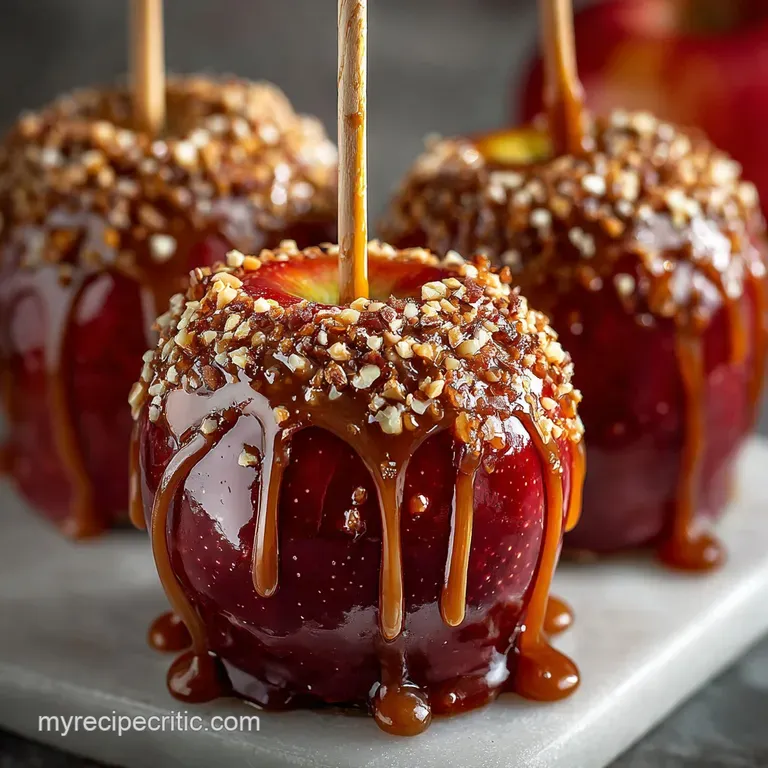
Step 1: Prepping the Apples and Setting Up Your Work Station
First, dunk those apples! Quick dip in simmering (not boiling) water, then wipe every ounce of wax off. Insert your sticks firmly into the stem end; this is crucial for stability. Line a baking sheet with parchment paper or a silicone mat, giving it a tiny spritz of cooking spray so the caramel doesn't fuse permanently.
Step 2: The Controlled Cook: Melting Sugar and Butter Safely
Combine the sugar, corn syrup, and water in your heavy saucepan. Stir only until the sugar is just dissolved before putting it on the heat. Once the mixture boils, STOP STIRRING . Let the temperature climb steadily. This is the moment to watch your thermometer like a hawk.
Step 3: Integrating the Cream and Achieving the Perfect Temperature
While the sugar cooks, warm your cream and salt gently. When the caramel hits 248°F (120° C) , immediately yank the pan off the heat. Carefully whisk in the cubed, room temperature butter until it's melted and smooth, then pour in the warm cream mixture.
The caramel will bubble dramatically and look messy for a minute; keep stirring until it is uniform and silky smooth.
Chef's Note: Allow the caramel to cool slightly off the heat for about five minutes. This lets the bubbling subside and thickens it slightly, making for a much cleaner dip that adheres better to the apple.
Step 4: The Proper Dipping Technique for Even Coating
Tilt the pan to create a deep pool of caramel. Hold the apple stick firmly and submerge the apple completely, rotating to coat it evenly. Lift it out, holding it vertically over the pan for a moment to allow the excess to drip away.
Crucially, gently scrape the bottom edge of the apple against the lip of the pan to remove that sticky excess. Place them on your prepared sheet and let them chill in the fridge for 30– 45 minutes until firm.
Troubleshooting and Perfecting Your Batch
How to Fix Grainy, Crystallized Caramel
If you stirred the caramel while it was boiling, or if you didn't brush down the sides of the pot, you might end up with grainy, crystallized caramel. Unfortunately, sometimes there's no saving it if it fully crystallizes.
If you catch it early, turn the heat down to low and add a tablespoon or two of water, stirring very gently until it looks smooth again, but often, starting over is the only real fix for this.
Preventing Caramel from Sliding Off the Apple
This is almost always a combination of two things: wax residue or temperature being too low. If the caramel slides off, it means the surface wasn't clean, or you didn’t reach the proper 248°F Firm Ball stage. If it was too soft (say, 240°F), it won't set up correctly and will pool at the bottom.
Working with Humidity: Adjusting Cook Times for Weather
Humidity is the ultimate enemy of candy making, as sugar absorbs moisture from the air, making it harder to reach the correct temperature. If it's a rainy or humid day, you might need to cook the caramel a degree or two higher (aim for 250°F) to ensure enough moisture has evaporated for the caramel to set firmly.
Ensuring Maximum Shelf Life for Coated Apples
Best Practices for Wrapping Caramel Apples
Once the caramel is fully set, wrapping them is the best way to prevent sticking and keep them fresh. Use cellophane bags tied tightly with ribbon or simple squares of wax paper wrapped snugly around the apple.
Do not wrap them until they are completely chilled and firm, or condensation will ruin the surface.
Fridge vs. Countertop Storage Guidelines
Caramel apples are best stored in the refrigerator, especially if you plan to keep them for more than a few days. They keep wonderfully for 7 to 10 days in the fridge. On the countertop, they might last a couple of days, but the caramel softens quickly, and the apple will lose its crispness.
Can You Freeze Caramel Apples? (Spoiler: Proceed with Caution)
The apple itself doesn't freeze well. Freezing and thawing causes the apple cells to burst, resulting in a mushy, watery texture yuck! You can freeze the caramel, but attempting to freeze the finished apple is generally a bad idea.
If you must freeze them, wrap them tightly and eat them frozen, or expect a significantly compromised texture upon thawing.
Creative Pairings and Enhancements
Nothing complements the intense sweetness of caramel quite like a warm, comforting beverage. After you’ve wrestled with the thermometer and successfully dipped your [Easy Homemade Caramel Apples], you deserve a luxurious treat. I love serving these chilled apples alongside a steaming mug of homemade goodness.
Try pairing this chewy masterpiece with a rich, soothing cup of Homemade Hot Cocoa Mix: The Ultimate Luxury Recipe (10 Min Prep) . The intense dark chocolate and velvety texture cut through the richness of the caramel beautifully. It’s the perfect duo for a chilly evening or Halloween party.
Recipe FAQs
Why is my homemade caramel sliding off the apples?
This is almost always due to the thin, waxy coating applied to commercially sold apples; the caramel cannot adhere to the slick surface. To fix this, dip the apples briefly (30 seconds) in boiling water, quickly dry them, and scrub them thoroughly with a clean cloth or towel before dipping.
Ensure the apples are completely dry and cool before skewering and coating.
My caramel is too soft and gooey, or too hard and brittle. What went wrong?
Caramel texture is entirely dependent on temperature. For the ideal chewy, classic coating, the caramel must reach the firm ball stage, precisely 245°F (118°C). If the caramel is too soft, it means it didn't reach the target temperature and needs to be reheated; if it’s brittle, you overshot the temperature, usually cooking past 250°F, and you can try stirring in a tablespoon of hot water to thin it slightly.
How far in advance can I make these, and how should I store them?
Caramel apples are best enjoyed within 3 to 5 days of preparation. Store them unwrapped on a parchment lined baking sheet in the refrigerator. If you wrap them immediately, moisture trapped between the wrapper and the caramel can cause the coating to degrade and melt off the apple.
What is the best type of apple to use for this recipe?
The ideal caramel apple requires a crisp, firm, and distinctly tart variety to properly cut through the sweetness of the caramel. Granny Smith apples are the traditional and superior choice for their texture and tartness. Avoid soft or excessively sweet varieties like Red Delicious, as they can become mushy quickly.
Can I make this caramel without a candy thermometer?
While possible, a candy thermometer is highly recommended as precise temperature control is critical for this recipe. If you must skip the thermometer, use the ice-water test: drop a small spoonful of caramel into cold water; when it instantly forms a firm, pliable ball that holds its shape, it has reached the ideal stage.
Remember that visual cues alone are unreliable.
When is the best time to add toppings like nuts or chocolate?
Toppings should be added immediately after dipping the apple, while the caramel is still warm and very tacky. If you wait too long, the surface of the caramel will cool and set, and toppings will slide right off. For chocolate drizzles, let the caramel set for about 30 minutes first, then use melted tempered chocolate.
Why did my caramel seize or turn grainy while cooking?
Graininess occurs due to crystallization, usually triggered by stirring the mixture too early or allowing sugar crystals splashed on the sides of the pot to fall back in. To prevent this, avoid stirring until the sugar is dissolved and actively wipe down the interior sides of the pot with a wet pastry brush periodically during cooking.
Once seizing starts, it is nearly impossible to reverse and must often be started over.
Chewy Homemade Caramel Apples Recipe
Ingredients:
Instructions:
Nutrition Facts:
| Calories | 216 kcal |
|---|---|
| Protein | 0.3 g |
| Fat | 5.6 g |
| Carbs | 41.0 g |
