Cheesy Baked Cauliflower: Decadent Gruyère

- Time: Active 15 minutes, Passive 40 minutes, Total 55 minutes
- Flavor/Texture Hook: Velvety cheese sauce with a breadcrumb shatter
- Perfect for: Sunday roasts, holiday sides, or a comforting meatless main
- Master the Ultimate Golden Cheesy Baked Cauliflower
- The Physics of the Velvet Sauce
- Component Analysis for Better Flavor
- Essential Elements and Smart Substitutions
- Step by Step Method for Bubbly Perfection
- Avoiding Common Blunders and Texture Mistakes
- Adjusting Portions for Any Occasion
- Debunking Baked Cauliflower Kitchen Myths
- Keeping Leftovers Fresh and Crispy
- Perfect Side Dishes to Complement This Recipe
- Recipe FAQs
- 📝 Recipe Card
Master the Ultimate Golden Cheesy Baked Cauliflower
The first time I attempted this, I made the classic mistake of boiling the cauliflower. It was a watery, bland disaster that turned the cheese sauce into a soup. But then, I heard that sizzle when I tossed the florets in a hot oven instead.
Roasting at 400°F on the middle rack coaxes out a nutty sweetness that boiling simply kills. When you pull that pan out, the aroma of browned edges and garlic powder is enough to make you skip the sauce entirely, but don't do that yet.
We are going for big flavor here, the kind that leaves the sink full of pots and your guests asking for the recipe. This isn't just a side dish; it's a cold weather survival strategy.
I’ve learned that the secret isn't just the cheese, but the contrast between the tender vegetable and that golden, crackling topping that yields with a satisfying shatter when your fork hits it.
Trust me, even the "I don't like vegetables" crowd will be scraping the bottom of the 9x13 inch baking dish. We are using smart, budget friendly swaps where it makes sense, like opting for a sharp white cheddar base while keeping just enough Gruyère for that signature Alpine funk.
Let's get into the mechanics of making this work every single time without breaking the bank.
The Physics of the Velvet Sauce
Evaporation Control: Roasting the cauliflower first removes excess cellular water, ensuring the final casserole stays thick rather than becoming a watery mess.
Starch Gelatinization: Cooking the flour and butter roux for exactly 2 minutes allows starch granules to swell and burst, which creates a stable, thickened base for the milk.
Emulsion Stability: Adding room temperature milk slowly to the hot roux prevents the proteins from clumping, resulting in a velvety texture without graininess.
Maillard Reaction: over High heat roasting at 400°F creates melanoidins on the floret edges, providing a savory depth that balances the fatty richness of the cheese.
| Method | Total Time | Texture | Flavor Profile |
|---|---|---|---|
| Fast (Boiled) | 25 minutes | Soft/Mushy | Mild and watery |
| Classic (Roasted) | 55 minutes | Tender crisp | Nutty and caramelized |
| This Recipe | 55 minutes | Velvety/Crunchy | Deeply savory and rich |
Using a roasting method instead of boiling is a non negotiable step for flavor. If you're looking for other high impact vegetable sides, my Green Bean Casserole recipe uses a similar philosophy of skipping the canned shortcuts for better texture.
Component Analysis for Better Flavor
| Ingredient | Science Role | Pro Secret |
|---|---|---|
| Sharp White Cheddar | Primary Fat & Protein | Grate it fresh to avoid the gritty cellulose coating on pre shredded bags. |
| Whole Milk | Liquid Emulsion Base | Use room temperature milk to prevent the roux from seizing during whisking. |
| Nutmeg | Flavor Enhancer | This spice bridges the gap between the earthy cauliflower and the creamy fat. |
| Panko Breadcrumbs | Structural Crunch | These large, airy flakes stay crispy longer than traditional fine breadcrumbs. |
Essential Elements and Smart Substitutions
- 1 large head of cauliflower: (approx. 2 lbs / 900g). Why this? Roasts down perfectly to fit a standard 9x13 inch baking dish.
- Substitute: 2 lbs frozen cauliflower florets, thawed and squeezed very dry with a towel.
- 2 cups sharp white cheddar: Freshly shredded. Why this? Provides the sharp tang needed to cut through the richness of the milk.
- Substitute: Sharp yellow cheddar or Monterey Jack for a milder, stretchier finish.
- 1/2 cup Gruyère cheese: Why this? Offers a sophisticated nuttiness and superior melting capabilities.
- Substitute: Swiss cheese or Jarlsberg; these provide similar meltability at a lower price point.
- 3 tbsp all purpose flour: Why this? The essential thickening agent that binds the butter and milk into a sauce.
- Substitute: 2 tbsp cornstarch mixed with cold milk (slurry method) for a gluten-free option.
- 1/4 tsp nutmeg: Why this? The "hidden" ingredient that makes white sauces taste professional.
- Substitute: A pinch of mace or simply extra black pepper if you dislike warm spices.
- 1/2 cup Panko breadcrumbs: Why this? Creates a distinct texture contrast against the soft cauliflower.
- Substitute: Crushed Ritz crackers or sourdough breadcrumbs for a buttery, rustic topping.
step-by-step Method for Bubbly Perfection
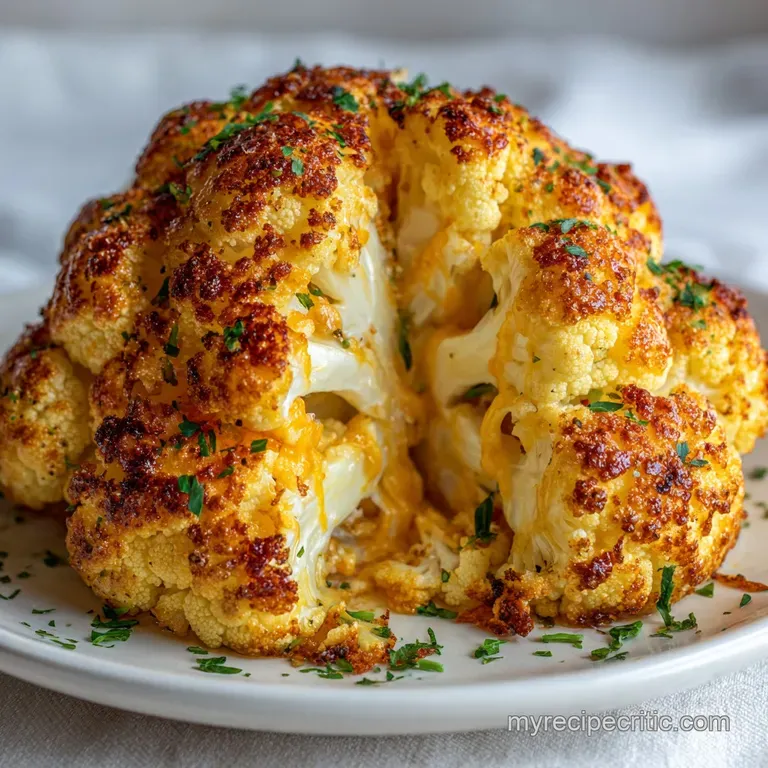
- Prep the cauliflower. Cut the 2 lbs head into uniform bite sized florets, ensuring they are dry. Note: Wet vegetables steam rather than roast.
- Season and roast. Toss florets with 2 tbsp olive oil, 1 tsp salt, and 1/2 tsp pepper on a large sheet pan.
- Achieve the sear. Bake at 400°F on the middle rack for 22 minutes until edges are charred and stems are tender.
- Create the roux. In a medium saucepan over medium heat, melt 3 tbsp butter and whisk in 3 tbsp flour. Note: Cook for 2 minutes to remove the raw flour taste.
- Build the sauce. Slowly pour in 2 cups room temp milk, whisking constantly for 5 minutes until the sauce coats the back of a spoon.
- Season the base. Stir in 1/2 tsp garlic powder and 1/4 tsp nutmeg.
- Incorporate the cheese. Remove from heat and stir in 1.5 cups of cheddar and all the Gruyère until the mixture is completely glossy.
- Combine ingredients. Place roasted cauliflower into a greased 9x13 inch dish and pour the cheese sauce over the top.
- Prepare the topping. Mix 1/2 cup Panko, 1/4 cup Parmesan, 1 tbsp melted butter, and 1 tsp thyme in a small bowl.
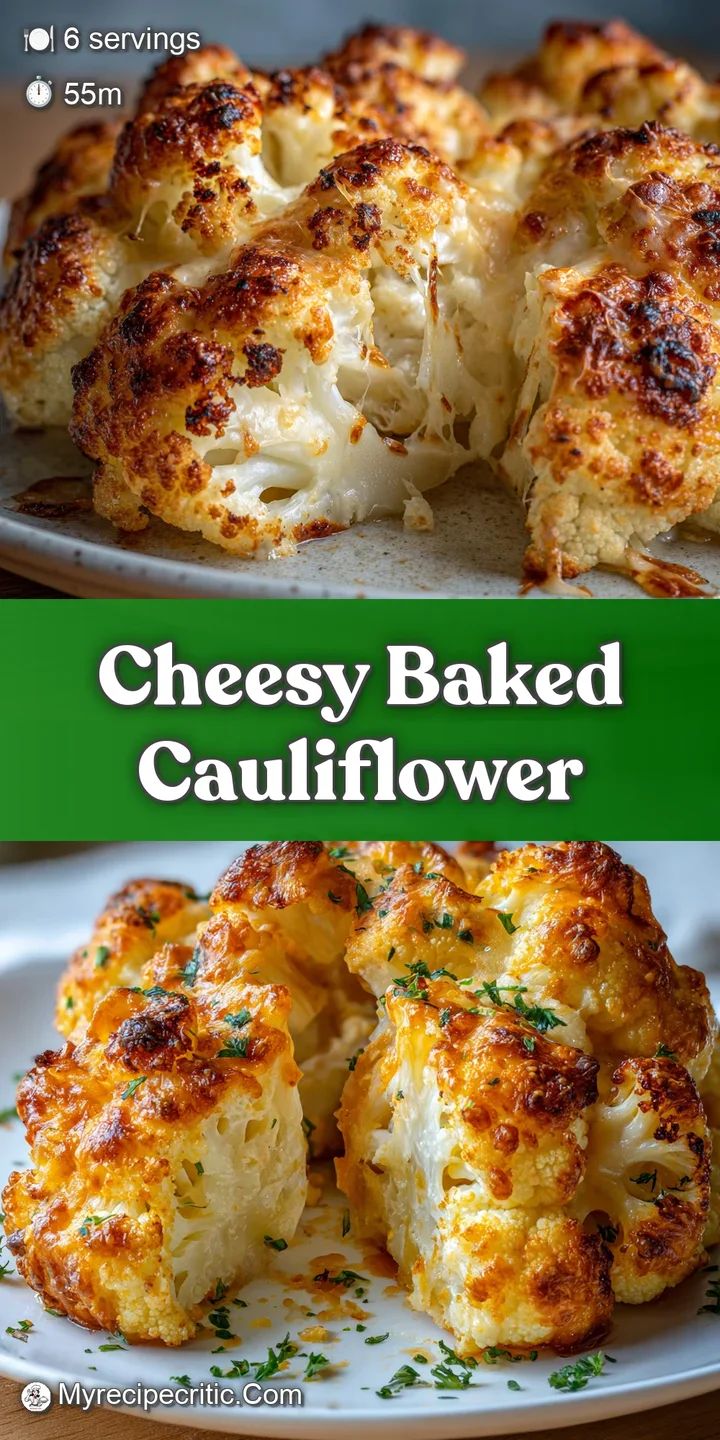
- Final bake. Sprinkle remaining cheddar and the Panko mix over the casserole. Bake at 375°F for 15 minutes, then broil on the top rack for 3 minutes until the top is golden and crackling.
Chef's Tip: To prevent an "oil slick" on your sauce, never let the cheese sauce boil once the cheese is added. High heat breaks the emulsion and forces the fat to separate.
Avoiding Common Blunders and Texture Mistakes
Why Your Sauce Separated
If your cheese sauce looks oily or grainy, the heat was likely too high when you added the cheese. Cheese is an emulsion of fat, water, and protein; excessive heat causes the proteins to tighten and squeeze out the fat. Always remove the pan from the burner before folding in your shredded cheddar.
Solving the Soggy Bottom
Watery cauliflower is the enemy of a good bake. If you find liquid pooling at the bottom of your dish, you likely didn't roast the cauliflower long enough or you used frozen cauliflower without properly drying it.
The roasting step is critical because it reduces the vegetable's moisture content by about 20% before it ever touches the sauce.
| Problem | Root Cause | Solution |
|---|---|---|
| Floury Taste | Roux undercooked | Whisk butter and flour for at least 2 full mins before adding milk. |
| Thin Sauce | Not enough reduction | Simmer the milk/roux mixture until it reaches a heavy cream consistency. |
| Burnt Topping | Broiler too close | Move the oven rack to the second highest position, not the very top. |
Common Mistakes Checklist
- ✓ Always grate your own cheese; pre shredded varieties contain anti caking agents that prevent a smooth melt.
- ✓ Pat the cauliflower completely dry after washing to ensure the olive oil clings and helps with browning.
- ✓ Use room temperature milk to avoid a lumpy sauce base.
- ✓ Don't skip the nutmeg; it's the bridge that makes the cheese and cauliflower taste unified.
- ✓ Let the casserole rest for 5 minutes after baking to allow the sauce to set.
Adjusting Portions for Any Occasion
For a Small Crowd (Half Batch): Use a 1 lb head of cauliflower and an 8x8 inch square pan. Reduce the roasting time by about 5 minutes, but keep the sauce cook time the same to ensure proper thickening.
When halving the sauce, use a smaller saucepan to prevent the milk from evaporating too quickly.
Feeding a Large Gathering (Double Batch): Use two large heads of cauliflower (4 lbs) and roast them on two separate sheet pans to avoid overcrowding. If you crowd the pans, the cauliflower will steam instead of roast.
For the sauce, you can double the ingredients but only increase the salt and nutmeg to 1.5x the original amount, then taste and adjust. Using a larger pot is essential to prevent boil overs.
If you are serving this alongside a heavier main, like a Mexican Chicken Casserole recipe, you might want to scale the cheese back slightly and add a splash of lemon juice to the sauce for a hit of acid that brightens the entire meal.
Debunking Baked Cauliflower Kitchen Myths
Myth: You must blanch cauliflower in water before baking to make it tender. Truth: Blanching actually introduces more moisture into the vegetable, which leads to a soggy casserole.
Roasting from raw at a high temperature achieves tenderness while concentrating flavor through caramelization.
Myth: Adding more flour will always make a thicker, better sauce. Truth: Too much flour creates a "pasty" mouthfeel and masks the flavor of the cheese.
The 1:1 ratio of butter to flour (by weight) is the culinary standard for a reason; it provides the perfect balance of thickening power and silkiness.
Keeping Leftovers Fresh and Crispy
Storage: Keep leftovers in an airtight container in the fridge for up to 4 days. Note that the Panko topping will lose its "shatter" crunch as it absorbs moisture from the sauce overnight.
Reheating: Avoid the microwave if possible, as it turns the cauliflower rubbery. Instead, place leftovers in an oven safe dish, cover with foil, and bake at 350°F for 15 minutes. Remove the foil for the last 5 minutes to help re crisp the topping.
Zero Waste Tip: Don't throw away the cauliflower core or the green leaves! The core can be peeled, diced small, and roasted right along with the florets. The leaves are actually delicious when tossed in olive oil and roasted until they turn into "cauliflower chips" they add a great earthy flavor to the final dish.
Perfect Side Dishes to Complement This Recipe
This cheesy baked cauliflower is quite rich, so it thrives when paired with proteins that have a bit of a bite or a smoky finish. A simple roasted chicken or a seared steak works beautifully. If you want to keep the "comfort food" theme going, it's a stellar companion to a hearty Pioneer Woman Twice recipe for a vegetable forward dinner.
Because the sauce has that hit of nutmeg and garlic, it also pairs well with acidic greens. A simple arugula salad with a sharp lemon vinaigrette helps cut through the heavy cheddar and Gruyère.
If you’re serving this as part of a larger buffet, it fits right in with other baked classics that share oven space well.
Recipe FAQs
What kind of cheese is good for cheesy cauliflower?
Sharp white cheddar and Gruyère are excellent choices. The sharp white cheddar provides a tangy base, while Gruyère adds a sophisticated nuttiness and superior melting qualities. You can also experiment with Monterey Jack or Swiss for a milder flavor.
How to bake cauliflower with cheese?
Roast cauliflower florets until tender and slightly browned. While the cauliflower roasts, prepare a béchamel sauce, then stir in shredded cheeses until melted and creamy. Combine the sauce and cauliflower, top with breadcrumbs, and bake until bubbly and golden.
What are common mistakes when baking cauliflower?
Using watery cauliflower or overheating the cheese sauce are common errors. Ensure cauliflower is roasted well to reduce moisture and pat it dry. For the sauce, remove it from the heat before adding cheese to prevent separation, similar to how temperature is crucial in our Italian Dessert Zabaione: Master the Classic Custard to avoid curdling.
Should you boil cauliflower before roasting in the oven?
No, boiling cauliflower before roasting is not recommended. Boiling introduces excess moisture, leading to a soggy texture and diluted flavor. Roasting from raw at a high temperature caramelizes the florets, intensifying their natural sweetness.
How do I prevent my cheese sauce from separating?
Remove the sauce from the heat before adding cheese. High temperatures cause the cheese's proteins to tighten and squeeze out fat, resulting in an oily, separated sauce. Stirring gently until smooth after removing from heat is key.
Why is my baked cauliflower soggy?
Soggy cauliflower usually means it was not roasted properly or was too wet. Ensure florets are dry before roasting at a high temperature to encourage browning and moisture evaporation. If serving a large meal, consider making a side like our Green Bean Casserole from Scratch with Bacon which also benefits from careful moisture management.
What can I use instead of Panko breadcrumbs?
Crushed Ritz crackers or finely ground sourdough breadcrumbs work well. These alternatives provide a satisfying crunch and buttery flavor that complements the cheesy cauliflower beautifully, offering a similar texture to what you might find as a topping on our Friday Night Fakeaway The Ultimate Deep Dish Pizza Casserole.
Cheesy Baked Cauliflower

Ingredients:
Instructions:
Nutrition Facts:
| Calories | 428 calories |
|---|---|
| Protein | 19.2 g |
| Fat | 31.3 g |
| Carbs | 18.9 g |
| Fiber | 3.3 g |
| Sugar | 4.2 g |
| Sodium | 752 mg |
