Cheesesteak Tortellini Slow Cooker Recipe
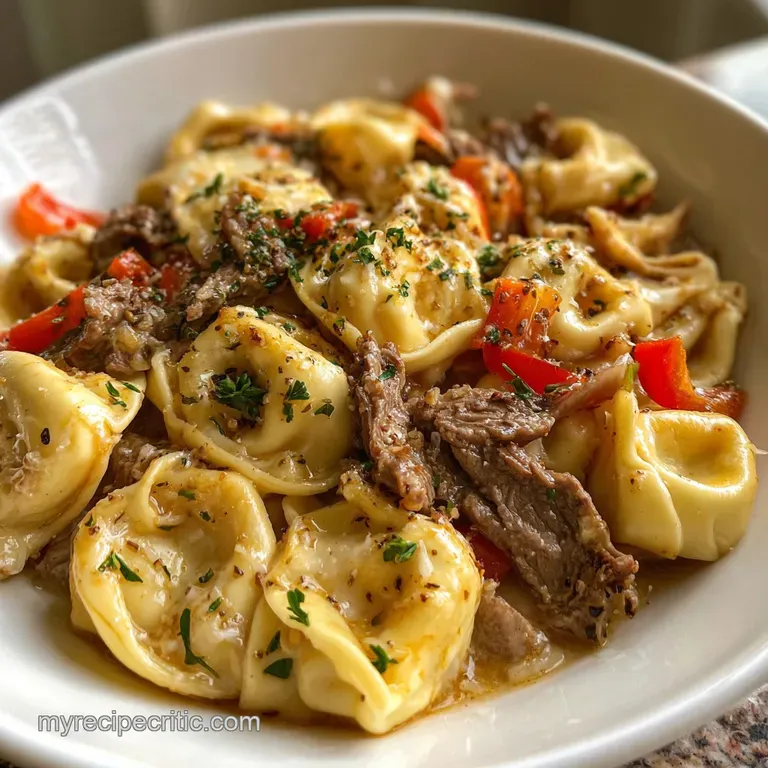
- Time: Active 15 minutes, Passive 4 hours, Total 4 hours 15 mins
- Flavor/Texture Hook: Beefy, velvety, and smoke kissed
- Perfect for: Busy weeknights or comforting family Sunday dinners
- Understanding Your Recipe Benchmarks
- Selecting High-Quality Beef and Produce
- Essential Tools for Slow Simmering
- Step-by-Step Culinary Walkthrough
- Solving Common Pasta and Sauce Issues
- Flavor Variations and Spice Adjustments
- Proper Storage and Reheating Methods
- Final Touches and Garnishing Ideas
- Recipe FAQs
- 📝 Recipe Card
There is a specific, heady aroma that defines a great cheesesteak it’s the smell of lean beef hitting a ripping hot cast iron surface, instantly followed by the sharp, sweet sizzle of onions and peppers.
The first time I tried putting these flavors into a slow cooker, I made the mistake of just tossing everything in raw. It was fine, but it lacked that "soul" you get from a griddle. I learned the hard way that you have to chase the Maillard reaction if you want that authentic, smoke kissed depth.
Now, I always take those extra few minutes to let the beef develop a dark, savory crust before it ever sees the ceramic pot. When you finally lift the lid after four hours, that concentrated beef scent fills the entire house, and the way the Neufchâtel melts into the broth creates a sauce so silky it puts standard jarred versions to shame.
It’s a dish that feels like a warm hug but tastes like a night out in Philly, and honestly, we’ve never had leftovers last more than ten minutes.
Understanding Your Recipe Benchmarks
Before we start browning and simmering, it helps to know exactly what we’re aiming for at each stage. This isn't just about dumping ingredients; it's about the timing of textures. If the onions are too crunchy, the vibe is off. If the beef isn't seared, the sauce will look grey and dull.
We want a rich, mahogany colored base that eventually turns into a creamy, golden blanket for the pasta.
The Physics of the Emulsion: The Neufchâtel cheese acts as a stabilizing emulsifier, binding the beef broth and rendered fats into a singular, velvety sauce. This prevents the "broken" or oily appearance common in dairy based slow cooker meals.
| Meat/Veggie Prep | Target Visual | Heat Level | Duration |
|---|---|---|---|
| Ground Beef | Deep brown crumbles | Medium High | 6-8 mins |
| Bell Peppers | Softened edges | Medium High | 3-5 mins |
| Yellow Onions | Translucent/Gold | Medium High | 4 mins |
Since we're focusing on that classic Philly profile, you might be wondering about the best way to handle the beef. I've found that using 90/10 lean ground beef gives you enough fat for flavor without leaving a heavy oil slick on top of your sauce. If you’re a fan of the traditional sandwich, you know that the beef should be the star, almost like the base of my Authentic Philly Cheese recipe where the seasoning is simple but the sear is everything.
Selecting high-quality Beef and Produce
The magic of this Cheesesteak Tortellini depends entirely on the quality of your aromatics and the fat content of your dairy. We aren't just making a soup; we're building a condensed flavor profile. Every ingredient here serves a purpose, from the punch of the Worcestershire to the mild tang of the Neufchâtel.
Component Analysis
| Ingredient | Science Role | Pro Secret |
|---|---|---|
| Neufchâtel Cheese | Emulsifier | Use cubed pieces for faster, more even melting into the broth. |
| Beef Broth (Low Sodium) | Solvent/Base | Allows you to control salt levels while providing a savory liquid foundation. |
| Green Bell Pepper | Aromatic Acid | Provides a sharp, slightly bitter contrast to the heavy fats in the cheese. |
| Refrigerated Tortellini | Starch Thickener | Releases just enough starch to help the sauce "grab" onto the pasta. |
Building this dish in the pot cheesesteak tortellini style requires a bit of patience with the vegetables. Don't rush the onions. They should be sweet and almost melting by the time the timer goes off.
- 1 lb Lean Ground Beef (90/10): Provides the protein core. Why this? low-fat content prevents the sauce from becoming overly greasy during slow cooking.
- Substitute: Ground turkey (add 1 tsp beef bouillon for depth).
- 1 large Green Bell Pepper, diced: Adds the signature "steak shop" bitterness. Why this? Classic Philly flavor profile that cuts through the rich provolone.
- Substitute: Red bell pepper for a sweeter, less pungent finish.
- 1 medium Yellow Onion, diced: Provides a foundational sweetness. Why this? Yellow onions have higher sugar content, perfect for caramelization.
- Substitute: White onion for a sharper, more aggressive bite.
- 2 cloves Garlic, minced: The aromatic backbone. Why this? Releases sulfur compounds that deepen the beefy notes.
- Substitute: 1 tsp garlic powder if fresh isn't available.
- 2 cups Low Sodium Beef Broth: The liquid vehicle. Why this? Controls the salt while maximizing the savory "umami" factor.
- Substitute: Mushroom broth for an even earthier flavor.
- 1 tbsp Worcestershire Sauce: The flavor bridge. Why this? Anchovies and tamarind provide a complex fermented tang.
- Substitute: Soy sauce with a drop of lemon juice.
- 4 oz Neufchâtel cheese, cubed: Creates the creamy body. Why this? Lower fat than standard cream cheese but melts more smoothly.
- Substitute: Full fat cream cheese for a denser, richer mouthfeel.
- 1/2 cup Shredded Provolone cheese: The finishing salt and funk. Why this? The traditional cheesesteak topper that melts with a specific "stretch."
- Substitute: Mild white cheddar or Monterey Jack.
- 19 oz Refrigerated Cheese Tortellini: The pasta vessel. Why this? Fresh pasta cooks faster and has a better bite than dried.
- Substitute: Dried tortellini (increase cook time by 20 minutes).
Essential Tools for Slow Simmering
You don't need a professional kitchen to pull this off, but there are a few non negotiables. First, a heavy bottomed skillet preferably cast iron is essential for browning the meat. If you use a thin pan, the beef will steam in its own juices rather than searing.
We want that sizzle, not a simmer, in the first stage.
Next,, a reliable 6 quart slow cooker is the standard here. This size allows the ingredients to spread out enough to heat evenly without the sauce reducing too quickly. I also recommend a good silicone spatula for scraping the "fond" (those little brown bits) off the bottom of your skillet after browning the beef. Those bits are pure flavor gold. If you love this method of slow simmered pasta, you'll see why it's so popular in my Sausage Tortellini Soup Recipe, where the timing of the pasta is just as critical.
Chef's Tip: Freeze your Neufchâtel for 10 minutes before cubing. It prevents the cheese from sticking to the knife and makes it much easier to drop into the slow cooker in even pieces.
step-by-step Culinary Walkthrough
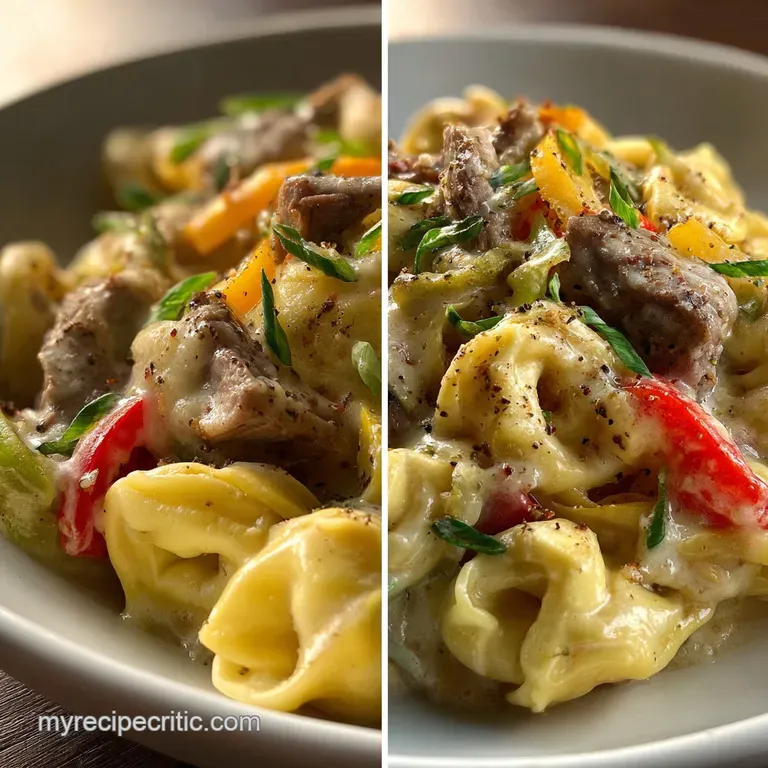
Let's break down the process. The key is to treat the first few steps like you're making a gourmet steak and the final steps like you're finishing a delicate pasta. This easy crock pot tortellini recipe is all about the transition from over high heat searing to over low heat infusion.
Building the Umami Base
- Brown the beef. Add the 1 lb ground beef to a hot skillet over medium high heat. Cook until deeply browned and slightly crispy on the edges.Note: This creates the flavor base known as the Maillard reaction.
- Sauté the aromatics. Toss in the diced yellow onion and green bell pepper with the beef. Cook for 5 minutes until the onions are translucent and the peppers are vibrant and soft.
- Add the garlic. Stir in the 2 cloves of minced garlic and 1 tsp kosher salt with 1/2 tsp cracked black pepper. Sauté for 1 minute until the aroma is fragrant and pungent.
- Deglaze the pan. Pour a splash of the 2 cups beef broth into the skillet, scraping up all the brown bits from the bottom.
The Slow Simmer Infusion
- Transfer to slow cooker. Move the beef and veggie mixture into the pot cheesesteak tortellini.
- Add liquids and spices. Stir in the remaining beef broth, 1 tbsp Worcestershire sauce, and 1 tsp onion powder.
- Layer the cheese. Drop the 4 oz cubed Neufchâtel cheese on top. Do not stir yet.
- Slow cook. Cover and cook on low for 3 hours and 45 mins. The aroma should be rich and savory.
The Creamy Pasta Finish
- Incorporate the pasta. Add the 19 oz refrigerated cheese tortellini to the pot. Stir gently to break up the Neufchâtel cubes.
- Final melt. Sprinkle the 1/2 cup shredded provolone over the top. Cover and cook for 15-20 more minutes until the pasta is tender and the sauce is velvety.
- Garnish and serve. Top with fresh chopped parsley. Serve immediately while the cheese is molten.
Solving Common Pasta and Sauce Issues
Even the best of us run into a snag occasionally. When you're dealing with a slow cooker cheesesteak tortellini, the main culprits are usually liquid ratios or timing. If you find your sauce is looking a little thin, don't panic. Sometimes the vegetables release more moisture than expected.
To Prevent Mushy Pasta
The biggest mistake people make with crock pot cheesesteak tortellini is adding the pasta too early. Refrigerated tortellini is delicate. If it sits in hot liquid for two hours, it will turn into a starchy paste. Always wait until the very end. The residual heat and a short burst of active cooking are all it needs.
It should have a "shatter" to the bite not literally, but that firm, al dente resistance that tells you it's perfectly cooked.
| Problem | Root Cause | Solution |
|---|---|---|
| Broken Sauce | Neufchâtel was too cold or added too late | Stir vigorously for 60 seconds to re emulsify the fats. |
| Bland Flavor | Not enough browning on the beef | Add an extra teaspoon of Worcestershire or a pinch of salt. |
| Mushy Tortellini | Pasta was cooked longer than 20 mins | Reduce cooking time next time; add a splash of cold broth to stop cooking now. |
Common Mistakes Checklist
- ✓ Never skip browning the beef in a skillet first; raw beef in a slow cooker lacks depth.
- ✓ Ensure you use "refrigerated" tortellini, as dried pasta requires significantly more liquid.
- ✓ Don't open the lid during the first 3 hours; every peek adds 15 minutes to the cook time.
- ✓ Use low sodium broth to avoid an oversalted dish after the liquid reduces.
- ✓ Cube your Neufchâtel into small 1/2 inch pieces so it incorporates smoothly without lumps.
Flavor Variations and Spice Adjustments
While the classic Philly style is the goal, there is plenty of room to play. I often get asked if this can be made a bit heartier or spicy. If you want a bit of heat, adding a pinch of red pepper flakes during the beef browning stage works wonders. It infuses the oil and carries that heat through the whole sauce.
- For a Spicy Kick: Add 1/4 cup jarred sliced cherry peppers or pepperoncini. The vinegar adds a bright acidity that works similarly to the base of my Creamy Tomato Tortellini recipe.
- For a Vegetarian Twist: Swap the beef for 1 lb of sliced cremini mushrooms and use vegetable broth. Use a dash of liquid smoke to mimic the charred beef flavor.
- For Extra Creaminess: Increase the provolone to 1 full cup and add a splash of heavy cream right before serving.
Scaling Down or Up
If you are cooking for a smaller crowd, you can easily halve this recipe. Down (1/2): Use a 3 quart slow cooker. Keep the cook time the same, as the thermal mass will be smaller but the heating element is closer to the food. Up (2x): Use a 7 or 8 quart cooker.
Do not double the salt immediately; start with 1.5x and adjust at the end. You may need to add 30 minutes to the initial beef simmering time.
Proper Storage and Reheating Methods
This dish is a champion for leftovers, but you have to be careful with the pasta. Like most dairy based dishes, the sauce will thicken significantly as it cools.
Storage: Store in an airtight container in the fridge for up to 3 days. I don't recommend freezing this specific recipe because the Neufchâtel and provolone can take on a grainy texture once thawed and reheated.
Zero Waste: If you have leftover bell pepper or onion scraps, don't toss them! Freeze them in a bag for your next batch of homemade beef stock. Also, if you find you have a bit of sauce left but no pasta, it makes an incredible topping for a baked potato the next day.
Reheating: To maintain that velvety texture, reheat on the stovetop over low heat. Add a tablespoon or two of beef broth or milk to loosen the sauce. Avoid the microwave if possible, as it can cause the cheese oils to separate, leaving you with a greasy mess.
Final Touches and Garnishing Ideas
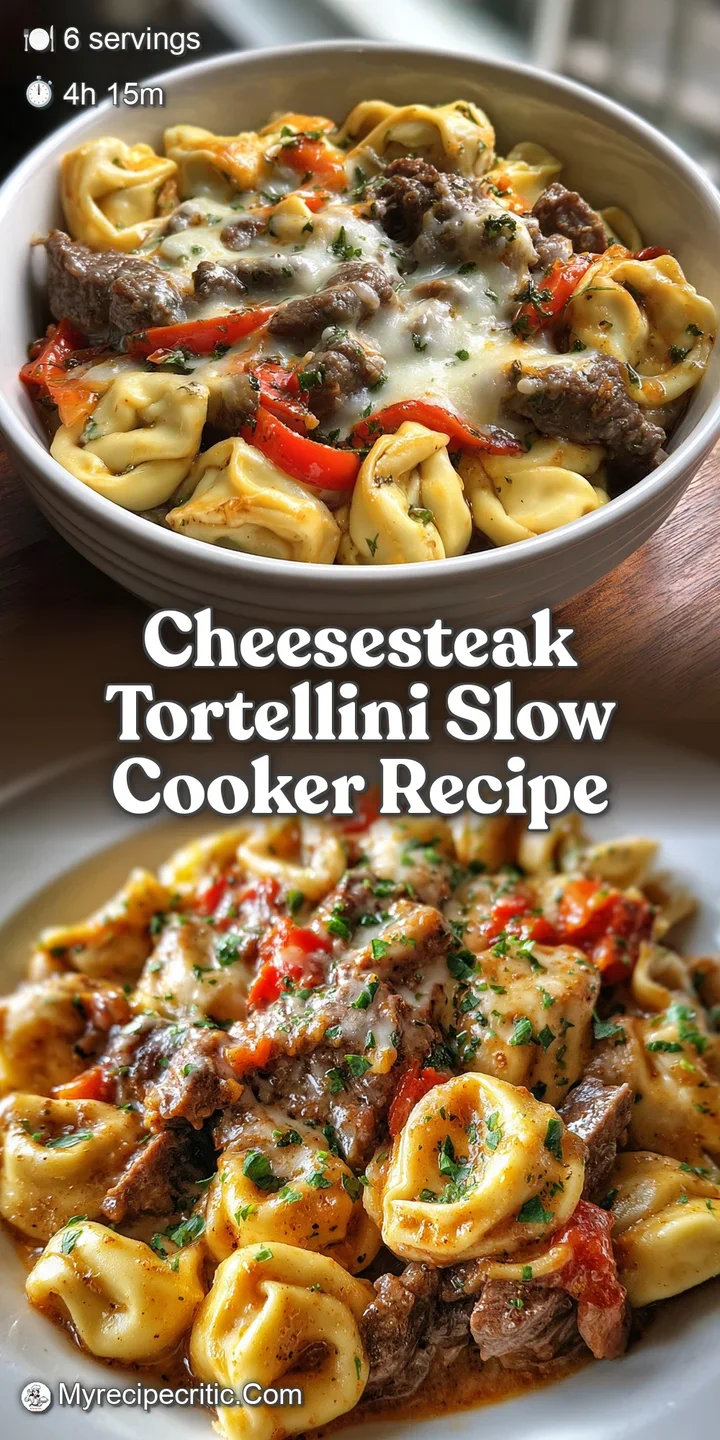
Presentation is the final step in the sensory experience. When you serve this philly cheesesteak tortellini soup style or as a thick pasta, the colors can be a bit monochromatic lots of browns and creams. This is where the fresh parsley comes in.
It’s not just for looks; the fresh, grassy notes of the parsley cut through the heavy salt and fat of the provolone.
For a true "steak shop" vibe, serve this with a side of toasted hoagie rolls brushed with garlic butter. You can use the bread to mop up the extra creamy sauce. If you’re feeling bold, a tiny drizzle of truffle oil right before serving can add an earthy, smoke kissed aroma that complements the seared beef beautifully.
Science Note: The reason provolone is the king of cheesesteaks is its high protein to fat ratio. It melts into long, stretchy strands rather than puddling into a liquid, which helps it "grip" the tortellini.
Whether you're making this for a game day crowd or just a quiet Tuesday, the key is the sear. Trust the process, let the slow cooker do the heavy lifting, and enjoy the best slow cooker tortellini with ground beef you've ever had.
It's a recipe born from mistakes and perfected by patience just the way home cooking should be.
Recipe FAQs
Can I use dried tortellini instead of refrigerated for this recipe?
Yes, but adjust the cooking time significantly. Dried tortellini requires more liquid and usually an additional 15 to 20 minutes in the slow cooker after the initial simmer.
What is the secret to getting the authentic, deep beef flavor?
Sear the ground beef thoroughly in a skillet first. You must chase the Maillard reaction to develop a dark, savory crust before transferring it to the slow cooker.
How do I prevent the cheese sauce from separating or becoming oily?
Add the Neufchâtel cubed and cold, then do not stir until the final cooking stage. This allows the lower fat cheese to slowly melt and bind with the broth fats, creating a stable emulsion.
Is it true that adding the pasta too early is the main cause of a mushy texture?
Yes, that is almost always the case. Refrigerated tortellini is delicate and should only be added in the last 15 to 20 minutes of cooking to achieve an al dente bite.
How should I adjust the cooking time if I double the recipe?
Keep the initial searing time the same but increase the slow cook time slightly. For a doubled batch, add about 30 minutes to the initial low setting to ensure the larger thermal mass heats through evenly.
What substitutes work best if I need to skip the onions or peppers?
Substitute yellow onions with white onions for a sharper bite, or use red peppers for sweetness. If you must skip the beef entirely, try a hard sear on mushrooms and use vegetable broth for depth.
How do I reheat leftovers without ruining the creamy sauce texture?
Reheat gently on the stovetop over low heat, adding a splash of broth or milk. Microwaving can cause the cheese and fats to separate, leading to a broken or oily appearance, unlike the stable emulsion achieved in our Air Fryer Strip Steak recipe.
Cheesesteak Tortellini Slow Cooker
Ingredients:
Instructions:
Nutrition Facts:
| Calories | 469 kcal |
|---|---|
| Protein | 30.6 g |
| Fat | 20.2 g |
| Carbs | 41.5 g |
| Fiber | 2.4 g |
| Sugar | 3.1 g |
| Sodium | 785 mg |
