Caramel Apple Scones: Flaky Tart Bites
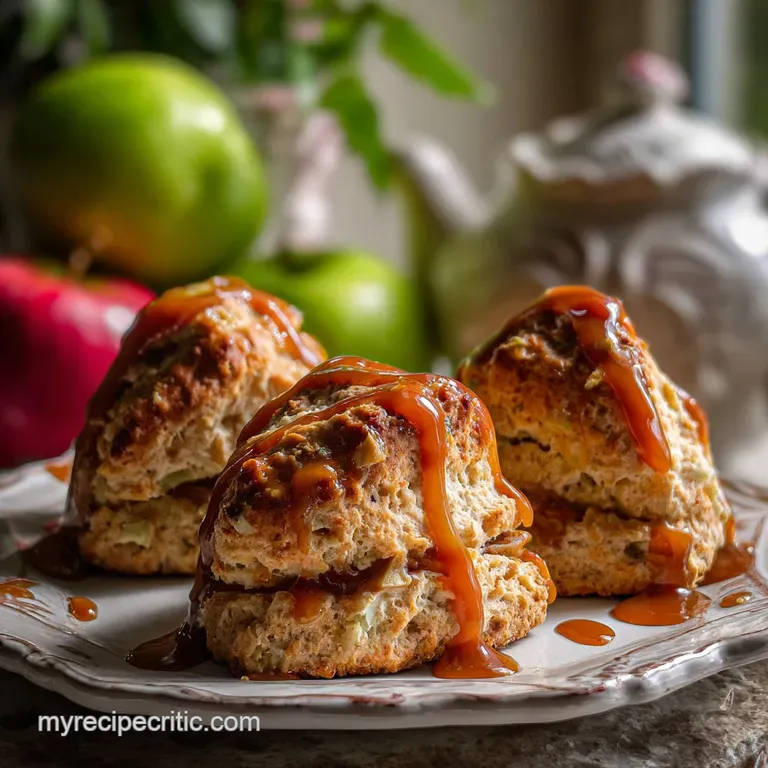
- Time: Active 50 minutes, Passive 18 minutes, Total 1 hours 8 mins
- Flavor/Texture Hook: Flaky layers with tart apple bites and a velvety salted caramel drizzle
- Perfect for: Autumn brunches or a specialized weekend baking project
- Creating These Incredible Caramel Apple Scones
- The Science Of Flaky Pastry Layers
- Essential Baking Numbers For Success
- Selecting Quality Components For Texture
- Necessary Tools For Better Results
- Managing Dough Texture Through Technique
- Preventing Common Scone Baking Errors
- Adjusting Ingredients For Specific Diets
- Proper Storage And Reheating Methods
- Ideal Pairings For Morning Treats
- Caramel Apple Scones FAQs
- 📝 Recipe Card
Creating These Incredible Caramel Apple Scones
Imagine the kitchen at 7:00 AM on a crisp October morning. You’ve just pulled a tray of these out of the oven, and the aroma is thick with warm cinnamon, toasted butter, and the sharp, bright scent of roasted Granny Smith apples. As the scones hit the cool air, you hear that subtle crackle of the crust settling.
It’s that specific sensory trigger that tells you the exterior is going to have a glass like shatter while the inside remains tender and soft.
I remember my first attempt at this recipe; I was too impatient and used room temperature butter. The result was a sad, greasy puddle that looked more like a pancake than a pastry.
I learned the hard way that the magic of Caramel Apple Scones isn't just in the ingredients, but in how those ingredients behave under pressure. This recipe is the culmination of dozens of batches where I tested everything from apple moisture levels to the exact temperature of the cream.
What we are making here is a bake that respects the chemistry of the flake. You’re going to see visible pockets of butter in the raw dough, and that’s exactly what you want.
When that cold fat hits the 400°F heat, it evaporates, pushing the flour layers apart to create a skyscraper like rise. Then, we finish it with a salted caramel glaze that pools into the crannies of the fruit, giving you a velvety finish that offsets the salt in the butter.
It’s a texture heavy experience that feels like a warm hug for your taste buds.
The Science Of Flaky Pastry Layers
Understanding the physics of your bake is the fastest way to stop guessing and start succeeding. The interaction between the moisture in the apples and the protein in the flour determines whether your bake will be light and airy or unpleasantly dense.
- Steam Expansion: When 115g of frozen salted butter hits the hot oven air, the water content in the butter flashes into steam instantly, physically lifting the 400g of all purpose flour into distinct, visible layers.
- Acid Interaction: The malic acid in the 150g of Granny Smith apples reacts with the 1 tablespoon of baking powder, providing a secondary leavening boost that ensures the center stays light despite the weight of the fruit.
- Starch Gelatinization: As the 180ml of cold heavy cream heats up, the starches in the flour absorb the liquid and swell, setting the structure of the scone before the butter has a chance to fully melt and run out.
Budget Decisions For Smart Bakers
| Premium | Budget | Flavor Impact | Savings |
|---|---|---|---|
| European Butter (82% fat) | Store Brand Salted Butter | Slightly less rich, but still provides excellent lift | Save $3-5 |
| Organic Heavy Cream | Whole Milk + Melted Butter | Note: Texture will be less velvety and more bread like | Save $2-4 |
| Pure Vanilla Bean | Vanilla Extract | Minimal difference in a spiced dough like this | Save $10-15 |
Providing high-quality results doesn't always require the most expensive ingredients on the shelf. While a high fat European butter is lovely, a standard salted butter that has been frozen solid will still create a beautiful shatter in the crust. The key is the temperature, not the price tag.
Essential Baking Numbers For Success
Precision is the difference between a bake that is "okay" and one that people talk about for weeks. When working with these Caramel Apple Scones, keeping an eye on the clock and the scale ensures consistency across every batch you make.
| Metric | Target Value | Visual or Sensory Cue |
|---|---|---|
| Butter Temperature | 0°F to 10°F | Butter should be difficult to grate and feel like ice |
| Dough Thickness | 1 inch | Approximately the height of a standard thumb joint |
| Oven Temperature | 400°F | A faint haze of heat shimmering when you open the door |
| Internal Apple Size | 0.25 inch dice | Small enough to soften, large enough to remain juicy |
Taking the time to measure your ingredients by weight is a non negotiable step for repeatable sweetness. Using a scale for your 400g of all purpose flour prevents the common mistake of packing a measuring cup too tightly, which often leads to a dry, crumbly dough that refuses to hydrate.
Selecting Quality Components For Texture
Every element in this recipe serves a structural or flavor based purpose. We aren't just adding things for the sake of it; we are building a profile that balances the sweetness of the caramel with the tartness of the orchard fruit.
Spiced Pastry Foundation Analysis
| Ingredient | Science Role | Pro Secret |
|---|---|---|
| 400g AP Flour | Structural Framework | Sift it with the leavening agents to ensure even distribution and prevent clumps. |
| 115g Frozen Butter | Aeration & Flakiness | Grate the butter directly into the flour to keep it cold and evenly dispersed. |
| 180ml Heavy Cream | Hydration & Tenderness | Use cream with at least 36% fat to prevent the gluten from becoming too tough. |
Component Substitutions
- 400g All Purpose Flour: Can be replaced with 400g Pastry Flour. Why this? Results in a more delicate, crumbly texture with less gluten development.
- 150g Granny Smith Apple: Use 150g Honeycrisp or Braeburn. Why this? These varieties hold their shape well under high heat without turning to mush.
- 180ml Heavy Cream: 180ml Full fat Coconut Milk. Why this? Maintains the necessary fat content but adds a very subtle nutty undertone.
- 1 tbsp Baking Powder: 1 tsp Baking Soda + 2 tsp Cream of Tartar. Why this? Provides the same chemical lift if you are out of standard powder.
Necessary Tools For Better Results
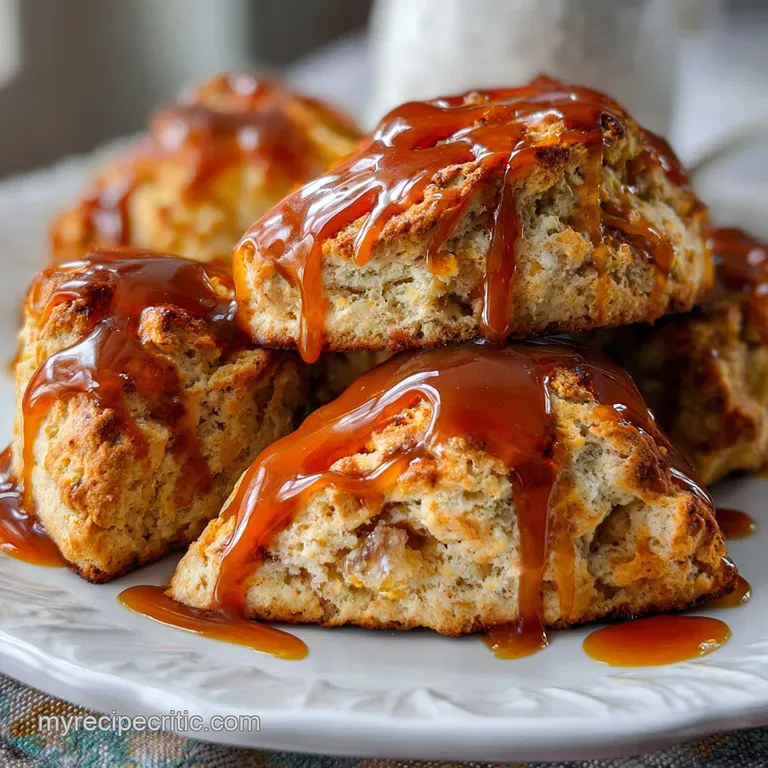
You don't need a professional kitchen to make world class Caramel Apple Scones, but a few specific tools will make your life much easier. First and foremost, a heavy duty box grater is essential for handling that frozen butter.
It allows you to create thin shards of fat that incorporate into the flour without the heat from your hands melting them.
A bench scraper is another "must have" for this recipe. It helps you fold the dough over itself a technique called lamination without overworking the flour and developing too much gluten. If you prefer another fruit forward treat, you might also enjoy my Caramel Apple Slices recipe which uses similar flavor profiles in a fresh format. Finally,, ensure you have a heavy bottomed saucepan for the caramel; thin pans often lead to hot spots and scorched sugar.
Managing Dough Texture Through Technique
The way you handle the dough determines if the final product will have those coveted layers or if it will behave like a standard muffin. Follow these steps closely, paying attention to the temperature at every stage.
1. The Cold Preparation
Place your 115g of salted butter in the freezer for at least 30 minutes before starting. While that chills, peel and dice your 150g of Granny Smith apples into small, uniform cubes.
Note: Keeping the apple pieces small ensures they cook through during the short 18 minutes baking window.
2. Sifting the Dry Base
In a large bowl, whisk together the 400g of all purpose flour, 65g of sugar, 1 tablespoon of baking powder, 1.5 teaspoons of cinnamon, and 0.25 teaspoon of nutmeg. Wait until you smell the spicy aroma of the nutmeg before moving to the next step.
3. Incorporating the Fat
Grate the frozen butter into the flour mixture. Use a fork or a pastry cutter to toss the shards until they are coated in flour and look like coarse meal. Note: The goal is to see small pebbles of butter, not a smooth paste.
4. Hydrating the Dough
Whisk the 1 large egg into the 180ml of cold heavy cream. Pour this into the center of the dry ingredients and add the diced apples. Mix until a shaggy mass forms and no large pockets of dry flour remain.
5. The Fold and Stack
Turn the dough onto a floured surface. Gently pat it into a rectangle, then fold it in half. Repeat this 3 times. Note: This creates the physical layers that will expand in the oven.
6. Shaping and Chilling
Shape the dough into a disk about 1 inch thick. Cut it into 8 wedges. Place them on a baking sheet and put the entire tray in the fridge for 15 minutes. This ensures the butter is solid before it hits the heat.
7. The over High heat Bake
Bake at 400°F for 18 minutes until the edges are golden brown and the tops feel firm. The smell of caramelizing apples should fill the room at the 15 minute mark.
8. Creating the Velvety Glaze
While the scones cool, melt 30g of unsalted butter with 100g of brown sugar and 60ml of heavy cream in a saucepan. Simmer until the bubbles grow large and slow, then stir in 0.5 teaspoon of flaky sea salt.
9. The Finishing Touch
Drizzle the warm caramel over the slightly cooled scones. Let the glaze set for 5 minutes before serving. The caramel should be thick and glossy, not runny.
Preventing Common Scone Baking Errors
Even experienced bakers run into trouble with high fat doughs. The most common issues usually stem from temperature fluctuations or over handling the mixture before it hits the oven.
Dough Consistency Troubleshooting
| Problem | Root Cause | Solution |
|---|---|---|
| Scones Spread Too Much | Butter was too soft or the oven wasn't preheated | Chill the shaped wedges for 20 minutes before baking |
| Heavy, Dense Texture | Too much flour or over mixing | Weigh your flour and stop mixing as soon as the dough holds |
| Bottoms Are Burnt | Dark baking sheet or low oven rack | Use a light colored pan and place it in the center of the oven |
Chef's Tip
If your kitchen is particularly warm, place your mixing bowl in the freezer for 10 minutes before you start. A cold bowl prevents the friction of mixing from warming up the butter shards, keeping that shatter crisp texture intact.
Common Mistakes Checklist
- ✓ Freeze your butter for at least 30 minutes (frozen fat creates the best rise).
- ✓ Pat the diced apples dry with a paper towel (prevents excess moisture from making the dough soggy).
- ✓ Do not over mix once the cream is added (prevents the developent of tough gluten).
- ✓ Use a sharp knife or bench scraper for the final cuts (a dull edge seals the layers and stops the rise).
- ✓ Ensure the oven is fully preheated for 20 minutes (a blast of heat is required for the "shatter" effect).
Adjusting Ingredients For Specific Diets
Making these for a crowd means you might need to tweak the recipe to accommodate different needs. Because this is a high fat bake, you have to be careful when swapping out the structural players.
gluten-free Adaptations
To make these gluten-free, use a high-quality 1:1 baking flour blend that contains xanthan gum. You may need to add an extra tablespoon of heavy cream, as gluten-free flours tend to be more absorbent. The texture will be slightly more crumbly, but the flavor remains excellent. If you are looking for a naturally gluten-free apple option, my Foolproof Homemade Caramel recipe is perfect for dipping fresh fruit slices.
Vegan Modifications
Swap the butter for a high fat vegan butter stick (ensure it is frozen) and use full fat coconut cream instead of heavy cream. For the egg, a "flax egg" (1 tablespoon ground flaxseed meal + 3 tablespoons water) works well as a binder.
Note that the caramel will need to be made with vegan butter and coconut cream to maintain the correct consistency.
Proper Storage And Reheating Methods
These scones are at their peak about 20 minutes after they come out of the oven, but they can definitely be saved for later if you follow the right storage steps.
- Fridge Storage: Keep the glazed scones in an airtight container for up to 3 days. The caramel may soften the crust slightly over time, but the flavor stays bright.
- Freezing Unbaked: You can freeze the unbaked wedges for up to 2 months. Bake them directly from frozen, adding 3-4 minutes to the total baking time. This is the best way to have a "fresh" scone on a weekday.
- Freezing Baked: Wrap individual unglazed scones in plastic wrap and freeze for 1 month. Thaw at room temperature and apply fresh caramel before serving.
- Zero Waste Tip: If you have leftover apple peels, toss them with a bit of cinnamon and sugar and bake them at 300°F for 15 minutes to make crispy apple chips.
Ideal Pairings For Morning Treats
While these are a meal in themselves, a few thoughtful additions can turn them into a full brunch experience. The richness of the salted caramel loves to be paired with something acidic or bitter to balance the palate.
A dark roast coffee or a strong Earl Grey tea is the classic choice. The tannins in the tea cut through the fat of the cream and butter, making every bite feel fresh. If you’re hosting a fall gathering, serve these alongside a sharp cheddar cheese plate; the salty, savory cheese is a legendary companion for tart apples and sweet caramel.
The Fold And Stack Method
This technique is often overlooked but is the secret to the height of the bake. By folding the dough like a letter, you are physically layering the butter and flour. In the oven, those layers expand independently. It creates a scone that you can actually peel apart into tender, buttery sheets.
Frozen Butter Enhances Pastry Rise
Liquid fat coats the flour and prevents rise, but solid fat creates space. By grating frozen butter, you ensure that the fat stays in distinct "islands" throughout the dough. These islands only melt once the flour has already begun to set, leaving behind the airy pockets that define a top tier scone.
Granny Smith Apples Add Texture
Unlike softer varieties like McIntosh, the Granny Smith holds its structural integrity. It won't collapse into a sauce inside the dough. Instead, you get distinct bites of tart fruit that provide a necessary "pop" against the sweet, velvety salted caramel.
This contrast is what makes the Caramel Apple Scones so addictive.

Caramel Apple Scones FAQs
What kind of apples are best for caramel apple scones?
Granny Smith apples are ideal. Their tartness balances the sweetness of the caramel, and they hold their shape well during baking, preventing a mushy interior.
Can I use store-bought caramel for the glaze?
Yes, but homemade is better for texture. While store-bought works, making your own The Best Thick Caramel Dip Recipe for Apples Dry Method allows you to control consistency and flavor, ensuring it perfectly complements the scones.
How do I get the classic flaky layers in my scones?
Keep your butter frozen and incorporate it correctly. Grating cold, frozen butter into the flour and then gently folding the dough creates pockets of fat that expand into steam during baking, forming distinct layers.
Why are my scones spreading too much?
Your butter was likely too warm or the dough wasn't chilled. Cold fat is crucial; if the butter melts too early, the dough won't have structure. Chill the shaped scones for at least 15 minutes before baking.
Can I make the dough ahead of time?
Yes, you can chill the shaped dough. Shape the scones, place them on a baking sheet, and cover them tightly with plastic wrap. They can be refrigerated for up to 24 hours before baking.
How do I prevent the apples from making the scones soggy?
Pat your diced apples dry thoroughly. Excess moisture from the apples can seep into the dough. Blotting them with a paper towel before adding them to the mixture is a simple yet effective step.
What can I serve with caramel apple scones?
A strong cup of coffee or tea is perfect. For a richer experience, consider serving them with a dollop of whipped cream or alongside a warm dessert like Apple Pecan Bread Pudding: The Ultimate Spiced Autumn Dessert.
Caramel Apple Scones
Ingredients:
Instructions:
Nutrition Facts:
| Calories | 514 kcal |
|---|---|
| Protein | 6.9 g |
| Fat | 26.9 g |
| Carbs | 61.9 g |
| Fiber | 2.3 g |
| Sugar | 23.4 g |
| Sodium | 315 mg |
