The Best Butternut Squash Gnocchi: Velvety & Seared
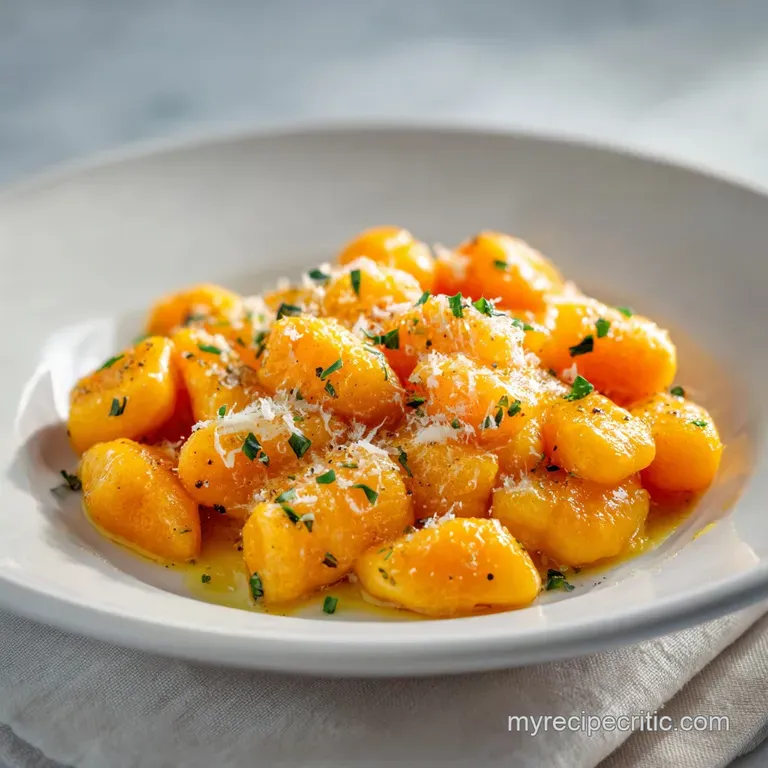
- Time: Active 30 minutes, Passive 50 minutes, Total 1 hours 20 mins
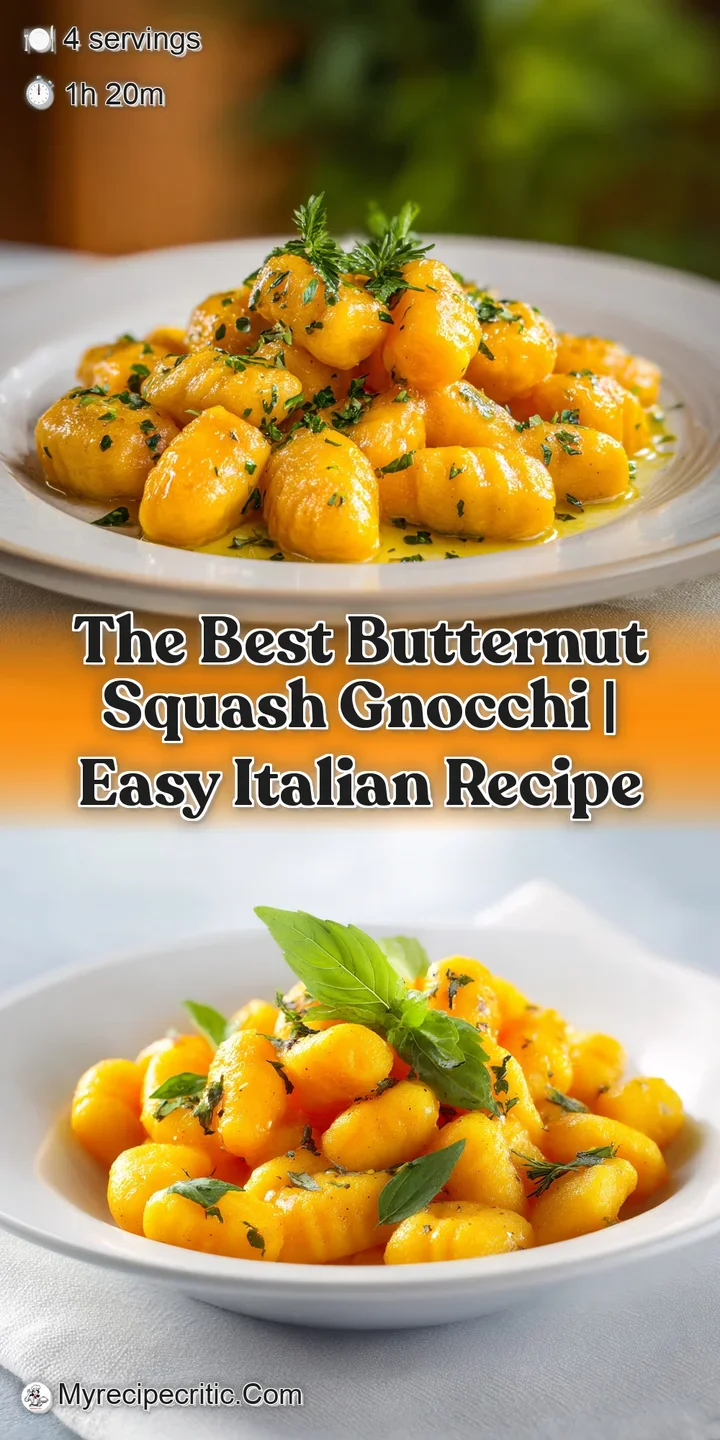
- Flavor/Texture Hook: Velvety squash interior with a buttery, crisp seared exterior
- Perfect for: A cozy weekend project or a budget-friendly date night
- How to make the best butternut squash gnocchi
- Why these squash pillows work
- Key recipe specs and timing
- Choosing the right pantry elements
- Tools for a smooth workflow
- Walking through the cooking steps
- Fixing common texture issues
- Tasty ways to change flavors
- Storing and keeping things fresh
- Serving and enjoying your meal
- Recipe FAQs
- 📝 Recipe Card
How to make the best butternut squash gnocchi
The first time I tried making squash gnocchi, my kitchen looked like a disaster zone. There was orange puree on the ceiling, flour dusted over every square inch of the counter, and the "gnocchi" themselves turned into a gummy, sticky glue that refused to hold its shape.
I realized that most recipes don't tell you the truth: squash is a water heavy beast that wants to ruin your dough.
But then I smelled it that nutty, caramelized aroma of roasted butternut squash hitting the oven air. I realized that the secret wasn't more flour, but less water. When you get it right, the sizzle of the gnocchi hitting the brown butter is the most satisfying sound in the world.
They shouldn't be heavy lead sinkers; they should be little clouds that melt away the moment they hit your tongue.
We are going to make a mess, and your sink will definitely be full of bowls and a ricer by the end of this. It's totally worth it. I’ve refined this method to be budget friendly by using pantry staples, ensuring you get that high end Italian restaurant result without the massive bill or the "glue" heartbreak I experienced years ago.
Why these squash pillows work
- Moisture Evaporation: Roasting the squash whole or in large chunks instead of boiling prevents water from soaking into the flesh, keeping the dough light.
- Fat Based Structure: Using 0.5 cup whole milk ricotta adds creamy fat that coats flour proteins, hindering excessive gluten formation for a tender bite.
- Starch Gelatinization: The 1.75 cups all purpose flour hydrates just enough to bind the squash without turning the mixture into a bread like loaf.
- The Maillard Reaction: Searing the boiled gnocchi in 6 tbsp unsalted butter creates a "shatter" crisp crust that contrasts the velvety interior.
| Method | Time | Texture | Best For |
|---|---|---|---|
| Roasted (Classic) | 80 minutes | Velvety and light | Maximum flavor depth |
| Canned (Fast) | 15 minutes | Dense and moist | Quick weeknight hunger |
| Steamed | 30 minutes | Clean and simple | low-fat preparations |
Choosing the roasted method is always my preference because it concentrates the sugars in the squash. If you're in a massive rush, canned puree works, but you'll need to cook it down in a pan first to mimic that roasted dryness.
Trust me, taking the extra time to roast the 2 lbs butternut squash makes all the difference in the world.
Key recipe specs and timing
| Original Ingredient | Substitute | Why It Works |
|---|---|---|
| 0.5 cup Parmigiano Reggiano | Grated Pecorino or Hard Grana | Similar salt and fat profile. Note: Pecorino is saltier, so reduce added kosher salt. |
| 1 large egg yolk | 1 tbsp Heavy Cream | Provides fat and moisture for binding. Note: Resulting gnocchi will be slightly more delicate. |
| 15 fresh sage leaves | 1 tsp dried rubbed sage | Dried sage is potent. Note: Add to butter early to bloom the oils. |
If you are looking for a different way to use your harvest, you might enjoy my Butternut Squash Sweet recipe which handles the squash similarly but with a silky soup finish. This gnocchi recipe is all about that textural contrast that only a pan sear can provide.
Choosing the right pantry elements
Component Analysis
| Ingredient | Science Role | Pro Secret |
|---|---|---|
| Butternut Squash | Primary bulk and starch | Roast until the skin pricks easily; dryness is your best friend here. |
| All Purpose Flour | Structural binder | Only use 1.75 cups; adding more makes the gnocchi rubbery and dense. |
| Whole Milk Ricotta | Moisture and richness | Strain it for at least 20 minutes to remove excess whey before mixing. |
| Nutmeg | Flavor enhancer | Just 0.25 tsp cuts through the fat of the butter and cheese beautifully. |
When selecting your 2 lbs butternut squash, look for one with a long neck. The neck is solid flesh without seeds, which makes for easier peeling and more consistent "riced" results. I often buy the largest one I can find and use the leftovers for a quick mash the next day.
Tools for a smooth workflow
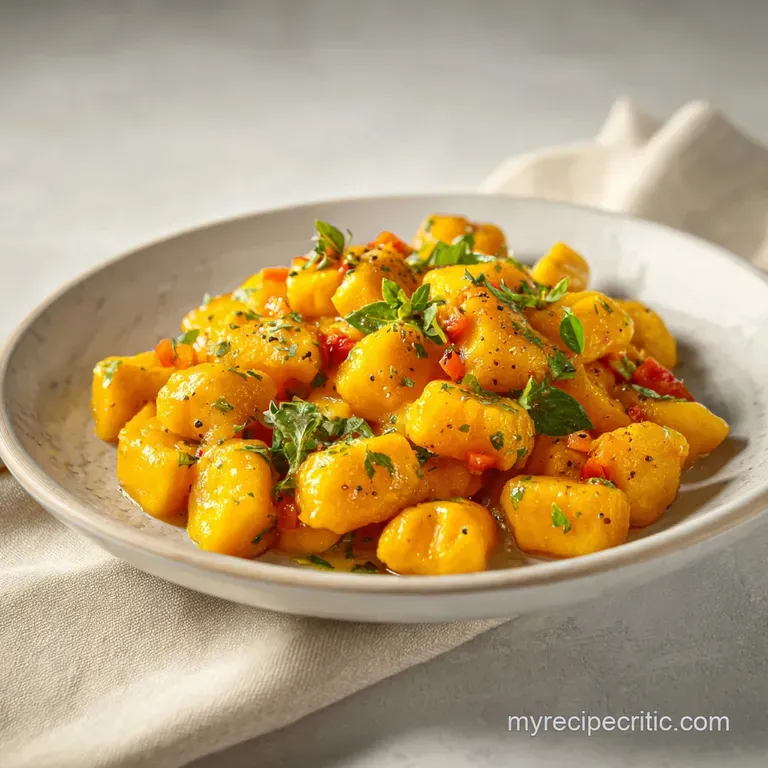
You’ll need a solid baking sheet for the roasting phase and a large pot for boiling. A potato ricer is honestly the MVP here because it creates the most aerated, fluffy squash particles. If you don't have one, a fine mesh sieve and the back of a spoon will work, though it'll take some elbow grease.
Don't forget a large skillet for the final sear. I prefer stainless steel or cast iron to get that golden brown crust on the sage and butter. You'll also want a bench scraper if you have one, though a sharp knife works just fine for cutting the dough ropes into those iconic little nuggets.
Walking through the cooking steps
- Roast the squash. Preheat your oven to 400°F (200°C) and place the 2 lbs butternut squash (halved and seeded) on a baking sheet. Roast for 50 minutes until the flesh is tender and caramelized.
- Rice the squash. Scoop the warm flesh out and pass it through a ricer into a large bowl. Note: Ricing while warm ensures a smoother texture without lumps.
- Strain the ricotta. Place 0.5 cup whole milk ricotta in a fine mesh sieve for 15 minutes. Until no more liquid drips out.
- Mix the base. Combine the squash, strained ricotta, 0.5 cup Parmigiano Reggiano, 1 egg yolk, 0.25 tsp nutmeg, and 1 tsp kosher salt.
- Incorporate the flour. Gradually fold in 1.75 cups all purpose flour. Until a soft, slightly tacky dough forms. Note: Stop mixing the moment it comes together to avoid tough gnocchi.
- Shape the ropes. On a floured surface, roll small portions of dough into 1/2 inch thick ropes.
- Cut the nuggets. Use a knife or bench scraper to cut the ropes into 1 inch pieces.
- Boil the gnocchi. Drop them into salted boiling water. Cook for 2-3 minutes until they float to the surface.
- Brown the butter. In a large skillet, melt 6 tbsp unsalted butter with 15 sage leaves. Cook until the butter smells nutty and turns amber.
- Sear and serve. Transfer gnocchi directly from water to the skillet. Fry for 2 minutes until the edges are golden and crispy, then finish with 1 tsp lemon juice and 0.25 tsp pepper.
The Physics of the Pillow
The key to lightness is avoiding gluten development; by folding the flour gently into the squash and ricotta, we keep the protein bonds loose. Excess water is the enemy, as it requires more flour to stabilize, which eventually leads to a dense, chewy texture.
Fixing common texture issues
Sticky Dough Solutions
If your dough feels like it’s melting into your hands, it’s likely because the squash was too watery or the ricotta wasn't drained enough. Don't panic and dump in a cup of flour. Instead, try chilling the dough for 20 minutes. Cold dough is much easier to handle without over flouring.
Gnocchi Dissolving in Water
This usually happens when there isn't enough binder (egg or flour) or the water is at a violent, rolling boil. Keep the water at a gentle simmer. If the first one you drop in falls apart, gently knead another 2 tablespoons of flour into your remaining dough. It's a balancing act.
| Problem | Root Cause | Solution |
|---|---|---|
| Rubbery Texture | Too much flour or over mixing | Mix until just combined; use a light touch when rolling. |
| Bland Flavor | Lack of salt or acid | Increase kosher salt in dough; add more lemon juice at the end. |
| Soggy Gnocchi | Not searing after boiling | Ensure the butter is bubbling before adding the boiled gnocchi. |
Common Mistakes Checklist
- ✓ Drain the ricotta thoroughly; wet cheese equals heavy gnocchi.
- ✓ Let the roasted squash cool slightly so it doesn't "cook" the egg yolk on contact.
- ✓ Use a gentle simmer, not a raging boil, to prevent the delicate dumplings from breaking.
- ✓ Dust your work surface generously with flour, but don't incorporate it all into the dough.
- ✓ Sear in batches; overcrowding the pan will steam the gnocchi instead of crisping them.
Tasty ways to change flavors
Plant Based Vegan Feast
For a dairy-free version, swap the ricotta for a firm tofu puree and the parmesan for nutritional yeast. Use a vegan butter alternative for the sage sauce. The texture will be slightly denser, but the squash flavor really shines through.
Spicy Autumnal Kick
I love adding a pinch of red pepper flakes to the brown butter sauce. The heat cuts through the sweetness of the squash perfectly. This version is a hit when I'm tired of the standard "sweet and savory" profile and want something with a bit more bite.
Healthier Alternative Dinner
If you want to keep things lighter, skip the pan searing step and toss the boiled gnocchi with a simple tomato basil sauce. It's much less fat but still very satisfying. You can also look into a creamy butternut squash pasta recipe if you prefer a sauce heavy dish over individual pan-fried dumplings.
Storing and keeping things fresh
Storage: You can keep cooked gnocchi in an airtight container in the fridge for up to 3 days. To reheat, I highly recommend throwing them back into a hot skillet with a little butter to regain that "shatter" crispness. Microwaving them will just make them soft and sad.
Freezing: This is the best way to meal prep. Lay the raw, cut gnocchi on a baking sheet in a single layer and freeze until solid. Then transfer them to a freezer bag. They’ll stay fresh for up to 2 months. Cook them directly from frozen just add an extra minute to the boiling time.
Zero Waste: Don't throw away those squash peels! Toss them with a little oil and salt, then roast them until crispy for a "squash chip" snack while you work on the dough. If you have leftover sage, fry the leaves until they are brittle; they make an incredible garnish for almost any savory dish.
Serving and enjoying your meal
The Classic Pairing
Serve these with a simple side salad of arugula and shaved fennel. The peppery bite of the greens and the crunch of the fennel provide a necessary break from the rich, buttery gnocchi. I usually put the skillet right in the middle of the table and let everyone dig in.
The "Sink is Full" Reality
Look, your kitchen is going to be messy. There will be flour on your apron and squash on your whisk. But when you sit down with a glass of crisp white wine and a plate of these golden, pan seared pillows, the cleaning can wait. This is "big flavor" cooking at its most rewarding.
Final Decision Shortcut
- If you want maximum fluff, use the ricer and roast your squash.
- If you want crispy edges, do not skip the brown butter sear.
- If you want easy cleanup, freeze the gnocchi and cook them another night when the sink is empty.
Trust me, the best butternut squash gnocchi come from a place of patience and a very light touch. Don't overthink the flour, keep an eye on that butter color, and enjoy the sizzle. Happy cooking!
Recipe FAQs
What sauce goes with squash gnocchi?
Brown butter and sage is the classic choice. The nutty, caramelized flavor of the browned butter perfectly complements the sweetness of the squash. You can also use a simple pesto or a light ricotta cream sauce for a change.
Is gnocchi more unhealthy than pasta?
No, not necessarily. Traditional flour pasta is often higher in simple carbohydrates, whereas gnocchi includes vegetable mass (butternut squash), adding fiber and micronutrients. The unhealthiness largely depends on what you toss it in, like heavy cream versus a light olive oil glaze.
What meat goes well with butternut squash gnocchi?
Crispy pancetta or crumbled Italian sausage are excellent choices. The saltiness and savoriness of cured or spiced pork provide a fantastic textural and flavor counterpoint to the sweet, soft dumplings. For a lighter option, finely chopped prosciutto added at the end works well.
What is the best sauce to go with gnocchi?
A simple brown butter sauce showcasing fresh herbs like sage or thyme is often superior. Gnocchi is delicate; heavy sauces can overwhelm its texture. If you prefer a richer sauce, ensure it's thin enough to coat without weighing down the dumplings.
How do I stop my homemade gnocchi from turning out dense and gummy?
Minimize the flour and avoid overmixing the dough. Excess flour develops gluten, leading to density, and overworking the dough activates those proteins too much. Focus on drying the squash puree thoroughly before mixing, as water is the main culprit for needing extra flour.
Can I use canned pumpkin puree instead of roasting butternut squash?
Yes, but you must cook down the canned puree first. Canned puree contains significant excess liquid that will ruin your dough consistency. Simmer the puree gently until it visibly thickens and significantly reduces in volume, mimicking the dry structure of roasted squash.
Why are my gnocchi dissolving in the boiling water?
This happens when the gnocchi lacks sufficient binding agents or the water is too aggressive. Ensure you use the egg yolk and use the suggested amount of flour; if they still dissolve, try frying them immediately after boiling to set the exterior crust quickly, a principle also important in our Cheesy Corn Fritters recipe to maintain structure.
Butternut Squash Gnocchi Recipe

Ingredients:
Instructions:
Nutrition Facts:
| Calories | 569 kcal |
|---|---|
| Protein | 16.6 g |
| Fat | 26.4 g |
| Carbs | 69.4 g |
| Fiber | 6.2 g |
| Sugar | 5.1 g |
| Sodium | 658 mg |
