Broiled Lobster Tail Recipe: Garlic Butter and Golden
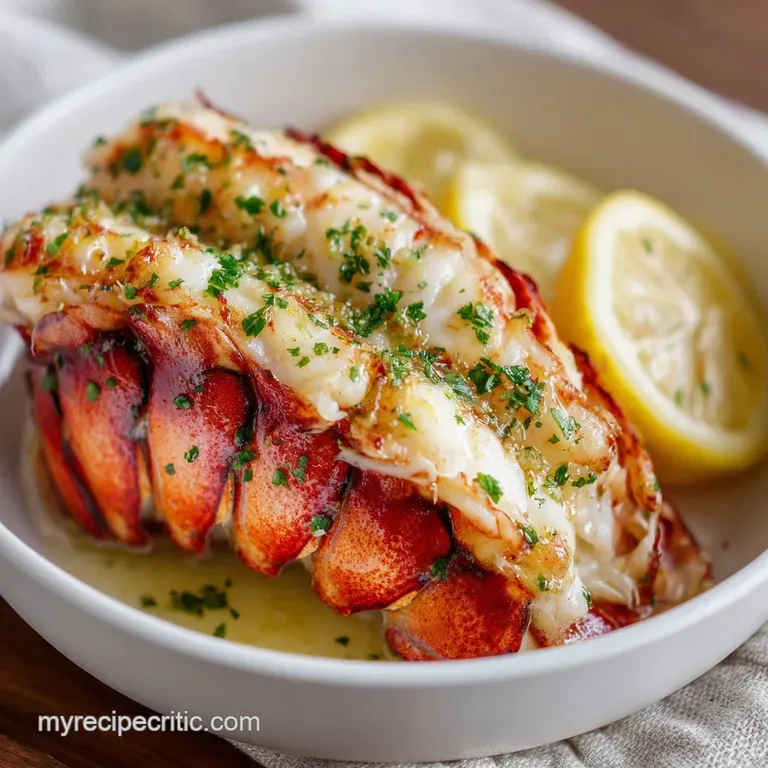
- Time: Active 15 minutes, Passive 10 minutes, Total 25 minutes
- Flavor/Texture Hook: Silky, garlic infused meat with a snap crisp finish
- Perfect for: Budget-friendly date nights or quick luxury dinners
- Savoring the Quickest Restaurant Style Lobster Tail Recipe
- Specific Benchmarks for Broiling Success
- Component Deep Dive and Analysis
- Essential Kitchen Tools for Butterfly Method
- Step by Step Broiling Technique Mastery
- Fixing Common Texture and Shell Issues
- Easy Flavor Swaps and Substitutes
- Debunking Seafood Preparation Myths
- Smart Storage and Shell Utilization
- Side Dish Pairings for Seafood Dinners
- Recipe FAQs
- 📝 Recipe Card
Savoring the Quickest Restaurant Style Lobster Tail Recipe
Forget everything you know about lobster being a "rich person only" food that requires a culinary degree and a silver platter. For the longest time, I was terrified of cooking these. I thought if I messed up a $15 tail, I’d basically be throwing money into the garbage disposal.
But then I realized the biggest myth in seafood: lobster is actually harder to screw up than a medium rare steak if you just stop boiling it. When you boil lobster, you’re basically washing away all that sweet, briny flavor and replacing it with soggy water.
The first time I tried this specific method, I heard that glorious sizzle under the broiler and smelled the garlic hitting the high heat, and I knew I was never going back to a restaurant for this again.
The aroma of the lemon zest mingling with the smoked paprika fills the whole kitchen, making it smell like a high end bistro on the coast of Maine. It’s a sensory rush when that shell turns from a dull grey green to a vibrant, glowing red in just minutes.
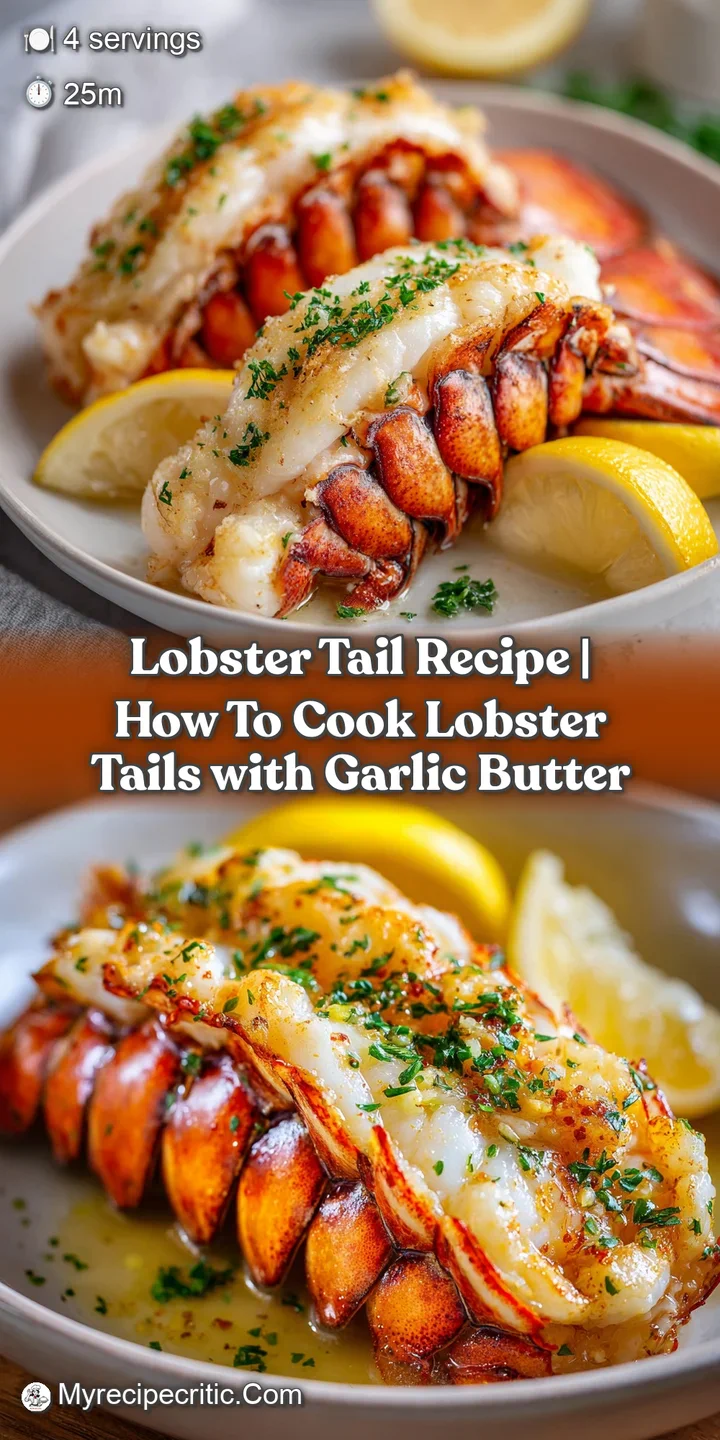
You get that "shatter" of the slightly charred shell and the velvety texture of the meat that has been basted in its own juices.
We are going to use a simple butterfly technique that makes the tail look like it was prepared by a professional chef, but it’s actually just a clever way to use the shell as a natural roasting pan.
This protects the delicate protein from the intense direct heat while allowing the garlic butter to seep into every single fiber of the meat. It’s fast, it’s remarkably efficient, and it works every single time because we are relying on the physics of the shell rather than just raw heat.
Specific Benchmarks for Broiling Success
Understanding the "why" behind the heat is the secret to moving from a lucky cook to a consistent one. We aren't just heating the meat; we are using a specific type of thermal radiation to transform the texture without drying it out.
- Thermal Shielding: The bottom shell acts as an insulator, preventing the meat from toughening against the metal pan while the top heat sears the surface.
- Fat Emulsification: By creaming the butter with lemon juice, we create a thick paste that clings to the lobster rather than just sliding off into the pan.
- Starch Gelatinization: Even though there's no flour, the natural proteins on the surface of the lobster react with the garlic sugars to create a slight, savory crust.
- Citric Denaturation: The small amount of lemon juice in the baste starts to "cook" the outer layer of the meat slightly before it even hits the oven, helping to lock in the internal moisture.
The way we apply the heat matters just as much as the ingredients themselves. If you've ever wondered why some lobster is chewy like a rubber band while others melt in your mouth, it usually comes down to the speed of the cook. This Broccoli Casserole recipe is a great example of how a velvety sauce can transform a simple protein, and we apply that same logic here with our garlic herb emulsion.
| Thickness of Tail | Internal Temp | Rest Time | Visual Cue |
|---|---|---|---|
| 5 oz (Standard) | 145°F | 2 minutes | Snowy white, no translucency |
| 8 oz (Jumbo) | 145°F | 4 minutes | Shell is deep crimson red |
| 4 oz (Small) | 142°F | 1 minute | Meat pulls away from shell edges |
Using these checkpoints ensures you never overcook the meat. Lobster protein denatures very quickly, which means the window between "perfectly succulent" and "tough as a tire" is only about 60 seconds.
Always aim to pull the tails out just as they hit that 145°F mark, as carryover heat will finish the job while they rest on the counter.
Component Deep Dive and Analysis
Choosing the right ingredients is where you can save a ton of money without sacrificing the final result. You don't need "live caught this morning" tails for this to taste incredible; high-quality frozen cold water tails are often better because they are flash frozen right on the boat, preserving the sweetness.
| Component | Science Role | Pro Secret |
|---|---|---|
| Cold water Lobster | High collagen content | Thaw slowly in the fridge to keep cell walls intact |
| Smoked Paprika | Adds earthy depth | Use "Pimentón de la Vera" for a true wood fired aroma |
| Softened Butter | Flavor carrier | Don't melt it; cream it to keep the lemon juice suspended |
| Fresh Garlic | Aromatic base | Grate it on a microplane so it melts into the meat fibers |
For the Lobster
- 4 Cold water lobster tails (5 6 oz each), thawed Why this? Cold water tails are sweeter and firmer than warm water varieties.
- 1 tsp Smoked paprika Why this? Provides a "grilled" flavor without needing an actual outdoor grill.
- 0.5 tsp Sea salt Why this? Enhances the natural brine of the seafood without over salting.
- 0.25 tsp Fresh cracked black pepper Why this? Adds a subtle floral heat that cuts through the rich butter.
For the Garlic Herb Baste
- 4 tbsp Unsalted butter, softened Why this? Allows you to control the salt level perfectly.
- 3 cloves Garlic, finely grated Why this? Grating creates a paste that distributes flavor more evenly than mincing.
- 1 tbsp Fresh lemon juice Why this? The acidity balances the fat and brightens the seafood.
- 1 tbsp Fresh parsley, finely chopped Why this? Adds a necessary grassy freshness and color contrast.
- 0.5 tsp Lemon zest Why this? Contains the oils that provide the most intense citrus aroma.
| Original Ingredient | Substitute | Why It Works |
|---|---|---|
| Unsalted Butter | Ghee (Clarified Butter) | Higher smoke point and richer, nuttier flavor profile |
| Fresh Parsley | Dried Chives | Adds a mild onion note that complements garlic well |
| Smoked Paprika | Cayenne Pepper | Adds significant heat. Note: Use only a pinch to avoid overpowering |
Essential Kitchen Tools for Butterfly Method
You don't need a huge arsenal of tools, but a pair of heavy duty kitchen shears is non negotiable. Don't try to use a regular knife to cut through the shells; it’s a recipe for a slip and a trip to the emergency room.
A good pair of shears like those from OXO or KitchenAid will glide through the chitinous shell like paper.
You'll also want a sturdy rimmed baking sheet. This catches any butter that might drip off, preventing it from hitting the bottom of your oven and causing a smoke show. A pastry brush is also vital for getting that garlic herb butter into every nook and cranny of the butterflied meat.
If you don't have a brush, a small spoon works in a pinch, but you won't get that same even, velvety coating.
Finally,, an instant read thermometer is your best friend here. Because lobster tails vary in thickness, timing alone isn't always reliable. Checking the internal temp takes the guesswork out of the equation. If you’re looking for a quick lunch while the lobster thaws, you might try a Classic Focaccia Sandwich to keep your energy up!
step-by-step Broiling Technique Mastery
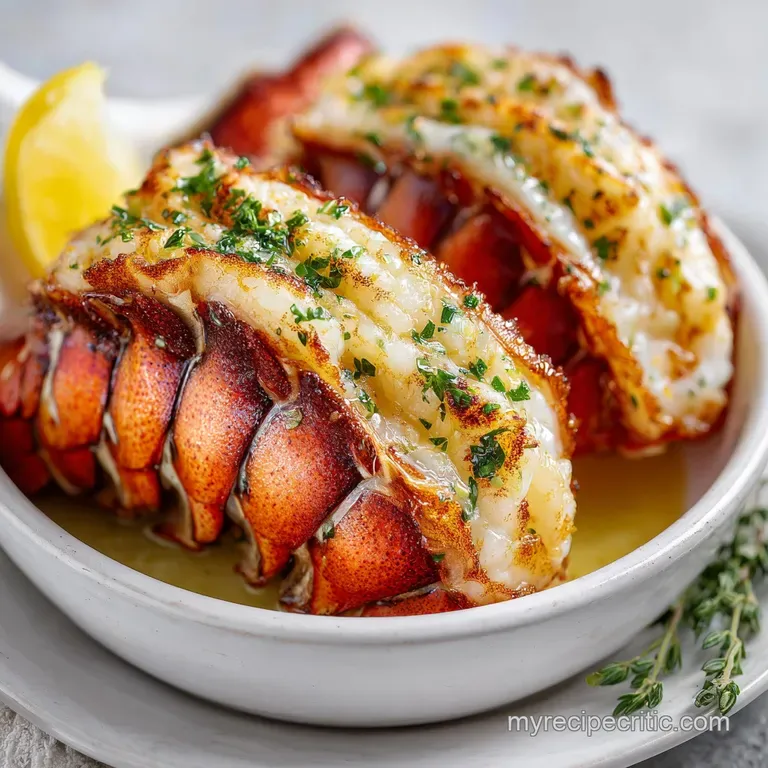
- Cut the upper shell. Using kitchen shears, start at the open end and snip straight down the center toward the tail fins. Stop about an inch before the fin so the tail stays attached.
- Release the meat. Gently use your thumbs to push the shell sides apart, then reach under the meat to separate it from the bottom shell. Note: Be careful of sharp shell edges.
- Lift the lobster. Pull the meat up through the slit and rest it directly on top of the shell. It should sit proudly like a pedestal.
- Make the emulsion. In a small bowl, beat the softened butter, garlic, lemon juice, zest, parsley, and spices with a fork until it looks like a creamy, thick pale orange paste.
- Prep the pan. Place the tails on a baking sheet. Use your brush to slather about a tablespoon of the butter mixture onto each tail, coating every inch of the exposed white meat.
- Preheat the broiler. Set your oven to the high broil setting and move the rack to the middle upper position (about 6 inches from the heating element).
- Cook the tails. Slide the pan into the oven. Broil for 8 to 10 minutes, watching for the shells to turn bright red and the meat to become opaque.
- Check for doneness. Insert your thermometer into the thickest part of the meat. It should read 145°F. The top should be golden brown and slightly bubbling.
- Final baste. If you have any butter left in the bowl or on the pan, give the meat one last brush right after it comes out of the oven.
- Rest and serve. Let the tails sit for 2 minutes to allow the juices to redistribute back into the center.
Fixing Common Texture and Shell Issues
The most common issue people face with this lobster tail recipe is the meat sticking to the shell. This usually happens because the meat wasn't properly loosened before cooking. If you don't "sweep" your finger under the meat to detach it from the bottom, the proteins will bond to the shell during the cook, making it impossible to eat elegantly.
Why Your Lobster Meat Is Tough
If the lobster feels like chewing on a bouncy ball, it’s almost certainly overcooked. Even 60 seconds too long under a 500°F broiler can ruin the texture. This is why we use a lower rack position (middle upper) rather than the very top rack. It gives you a slightly larger margin of error.
| Problem | Root Cause | Solution |
|---|---|---|
| Meat is Rubbery | Internal temp exceeded 155°F | Pull tails at 142-145°F next time; use a thermometer |
| Shell is Charred | Rack is too close to the broiler | Move the rack down one level or reduce broil time |
| Butter is Burnt | Garlic pieces were too large | Use a microplane to create a fine paste that blends in |
Common Mistakes Checklist
- ✓ Never cook lobster tails while they are still partially frozen in the center (it leads to uneven cooking).
- ✓ Don't skip the "rest" period; the meat needs those 2 minutes to relax and stay juicy.
- ✓ Avoid using "warm water" tails if you can find cold water ones; the texture is vastly superior.
- ✓ Always pat the lobster meat dry with a paper towel before applying the butter paste.
- ✓ Ensure your broiler is fully preheated for at least 5 minutes before the pan goes in.
Easy Flavor Swaps and Substitutes
Scaling this recipe is actually quite simple because lobster is usually sold by the unit. If you're cooking for a crowd, the main constraint is your baking sheet size. You want at least 2 inches of space between each tail so the heat can circulate.
If you crowd them, the tails will steam rather than broil, and you'll miss out on that beautiful golden crust.
For a 2x scale (8 tails), I recommend using two separate baking sheets and swapping them halfway through the 10 minute cook time to ensure even browning. When scaling down to just 2 tails, you can actually use a small toaster oven or an air fryer.
Decision Shortcut
- If you want a Honey Garlic Butter Lobster Tail, simply swap the lemon juice for 1 tablespoon of honey and omit the paprika.
- If you want Grilled Lobster Tails with Herbs, follow the butterfly steps but place them on a medium high grill, shell side down, for 8 minutes with the lid closed.
- If you want an Air Fryer Lobster Tail Recipe, cook at 380°F for 7-9 minutes, checking for that 145°F internal temperature.
| Fast Method (Broil) | Classic Method (Poach) |
|---|---|
| 10 minutes cook time | 15-20 minutes cook time |
| Charred, smoky flavor | Pure, clean butter flavor |
| Firm, snappy texture | Soft, melt in-mouth texture |
Debunking Seafood Preparation Myths
One of the biggest myths is that you have to boil lobster in sea water for it to be authentic. Truthfully, boiling is just a way to cook large quantities quickly, but it’s the least flavorful method. Broiling or roasting concentrates the sugars in the meat, making it taste much sweeter.
Another common misconception is that "fresh is always better." Unless you live on the coast, "fresh" lobster in a supermarket tank has often been sitting there for days, losing body mass and flavor. Flash frozen tails are often higher quality because the biological processes are stopped immediately after harvest.
Finally,, don't believe the myth that you need to remove the "vein" in a lobster tail like you do with shrimp. While there is a digestive tract, in most small to medium lobster tails, it's virtually invisible and completely harmless.
If it bothers you, you can easily pull it out once the shell is snipped open, but it’s rarely necessary for tails under 8 ounces.
Smart Storage and Shell Utilization
If you have leftovers (which is rare!), lobster can be kept in the fridge for up to 2 days. The best way to store it is to remove the meat from the shell and place it in an airtight glass container. To reheat, don't use the microwave it will turn the meat into a rubber eraser.
Instead, gently warm it in a pan with a splash of water and a knob of butter over low heat.
Zero Waste Tip: Never throw away the shells! Even after broiling, those shells are packed with flavor. Throw them into a pot with some water, onion scraps, and a bay leaf. Simmer for 30 minutes, strain it, and you have a high end lobster stock for risotto or chowder.
You can even freeze the shells in a freezer bag for up to 3 months until you're ready to make a big batch of stock.
Side Dish Pairings for Seafood Dinners
Because this lobster tail recipe is so rich and buttery, you want side dishes that offer a bit of contrast. A crisp, acidic salad or some roasted asparagus with plenty of lemon works wonders. If you want to lean into the comfort food aspect, a creamy risotto or a fluffy pile of garlic mashed potatoes is the way to go.
I personally love serving this alongside a light pasta tossed in olive oil and herbs. The extra garlic butter from the lobster pan can be drizzled over the pasta for a cohesive meal. It turns a simple "protein and veg" dinner into something that feels like a true celebration, even if it's just a Tuesday night.
Remember, the lobster is the star here, so keep the sides relatively simple. You don't want to overshadow the delicate, sweet flavor of the meat that you worked so hard to butterfly and broil to perfection.
Just a few well chosen components will make the whole experience feel like a five star dining event right in your own dining room.
Recipe FAQs
What is the best way to cook lobster tails?
Broiling is the superior method for texture. It provides intense, direct heat that cooks the meat quickly while keeping it tender and opaque.
Is lobster good for your thyroid?
Yes, it is a beneficial source of iodine. Lobster is rich in iodine and selenium, both of which are essential minerals for supporting healthy thyroid function.
Is it better to boil or bake lobster tail?
Broiling is preferred over boiling or baking. Boiling often leaches flavor into the water, and standard baking can easily dry out the delicate meat, whereas broiling locks in moisture under the butter glaze.
Is lobster ok for heart patients?
Yes, in moderation. Lobster is relatively low in saturated fat and calories, though patients should be mindful of the added butter and salt content in common recipes.
How to prepare lobster tails for broiling?
Use heavy duty kitchen shears to cut down the center of the top shell. Stop just before the tail fins, then gently lift the meat up through the slit to rest on top of the shell.
How to achieve the perfect butter glaze consistency?
Cream the softened butter with the garlic, lemon, and spices until a stable emulsion forms. If you enjoyed mastering this emulsion to keep your butter flavorful and adherent, you can apply the same emulsification logic to achieve silky textures in sauces for other seafood dishes.
Is it true you can cook frozen lobster tails directly?
No, this is a common misconception. You must thaw them completely first; cooking partially frozen tails results in an unevenly cooked center that is either rubbery or raw.
Broiled Garlic Butter Lobster
Ingredients:
Instructions:
Nutrition Facts:
| Calories | 198 kcal |
|---|---|
| Protein | 19.8 g |
| Fat | 12.2 g |
| Carbs | 1.4 g |
| Fiber | 0.2 g |
| Sugar | 0.3 g |
| Sodium | 415 mg |
