Spring Blossom Sangria with Fresh Berries
- Time: Active 15 minutes, Passive 2 hours, Total 2 hours 15 mins
- Flavor/Texture Hook: Effervescent, floral, and bright
- Perfect for: Easter brunch or garden parties
- Pretty Easter Cocktail Idea Spring Blossom Sangria with Fresh Berries
- Osmotic Pressure and Flavor Extraction Dynamics
- Essential Recipe Metrics and Timeline
- Selecting Quality Wine and Fresh Fruit
- Minimal Tools for Quick Drink Prep
- Step by Step Mixing Guide
- Resolving Texture and Flavor Balance Issues
- Creative Flavor and Ingredient Variations
- Proper Storage and Zero Waste Methods
- Presentation Tips for Your Brunch Table
- Recipe FAQs
- 📝 Recipe Card
Pretty Easter Cocktail Idea Spring Blossom Sangria with Fresh Berries
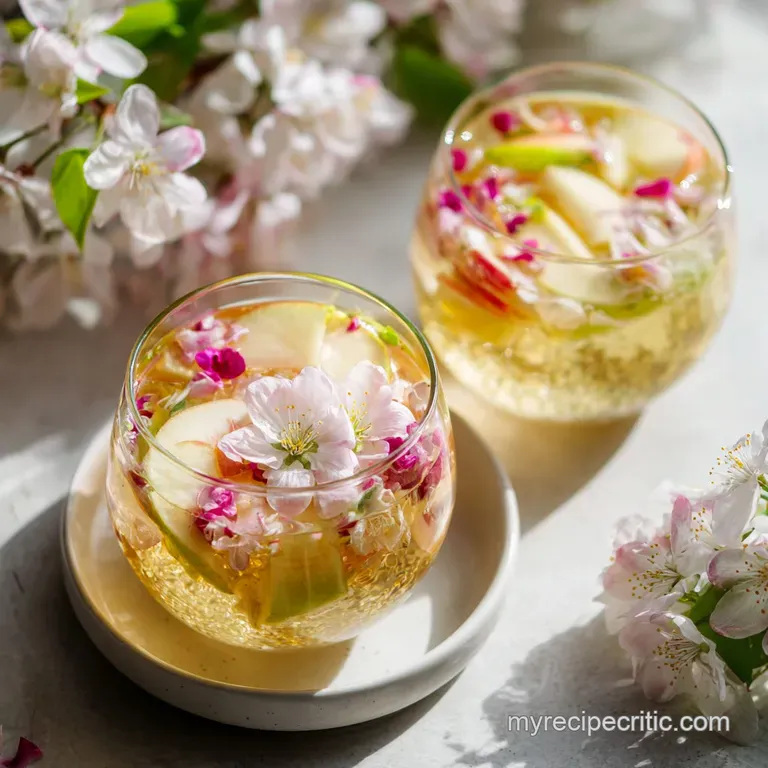
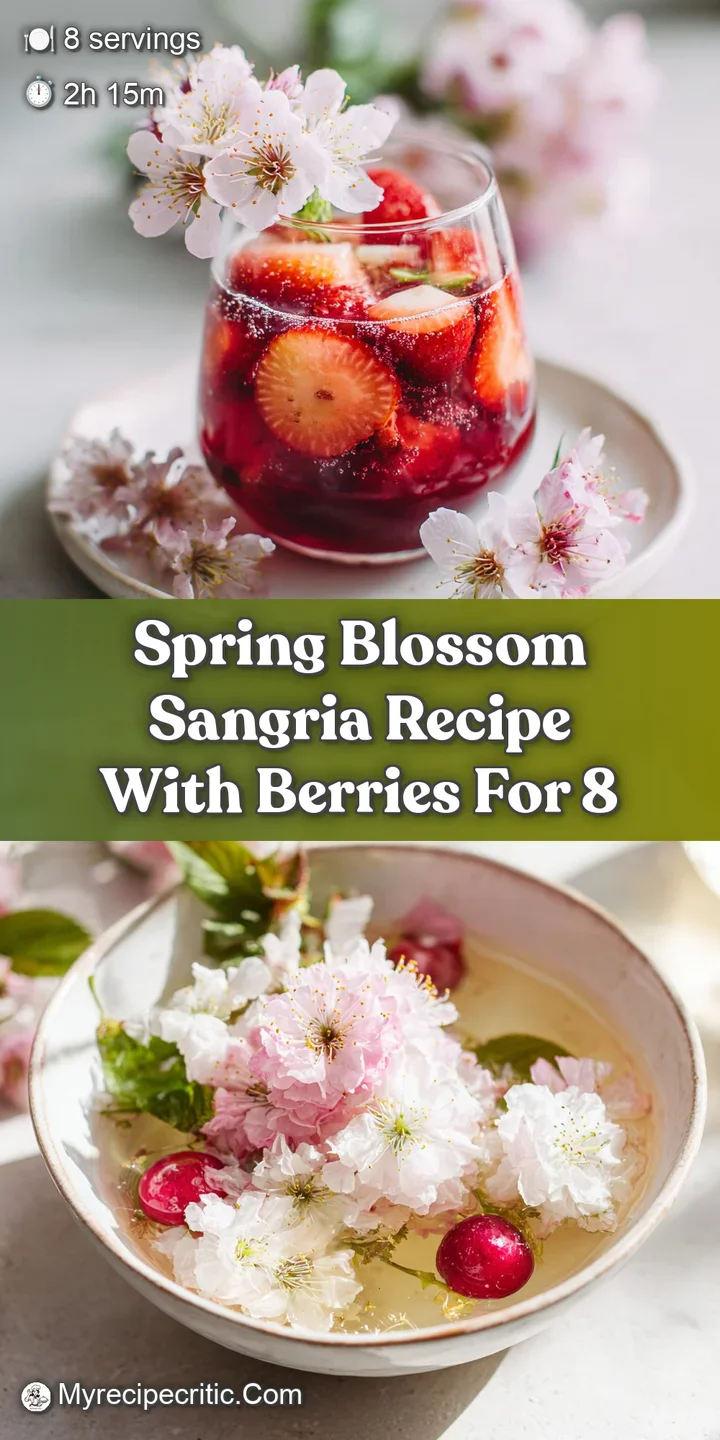
Imagine the first warm Sunday of April, sunlight hitting a glass pitcher filled with pink wine and floating petals. This spring blossom sangria recipe is a pretty Easter cocktail idea featuring fresh berries that I actually stumbled upon after a total disaster last year.
I tried making a heavy, red wine version for brunch, and honestly, it felt like drinking lead in the middle of a flower garden.
We needed something that felt like the season. Something light enough to sip while hunting for eggs but punchy enough to feel festive. When I first mixed elderflower liqueur with a crisp Rosé, the aroma alone stopped me in my tracks. It smells like a literal meadow in a glass.
But don't just dump everything in a bowl and hope for the best. There's a specific order to things that keeps the fruit from turning into mush and the flavors from tasting flat. Trust me, I've made the "soggy fruit" mistake so you don't have to. We're aiming for a drink that's as beautiful as it is refreshing.
Osmotic Pressure and Flavor Extraction Dynamics
Osmotic Extraction: The high concentration of sugar in agave and alcohol in the liqueur draws the flavorful juices out of the berries, creating a natural syrup. This process ensures the wine tastes like fruit rather than just having fruit floating in it.
Anthocyanin Stability: The acidity from the 60 ml fresh lemon juice helps maintain the bright red and pink hues of the strawberries and raspberries. Without this acid, the berries can often take on a dull, greyish tint after sitting in the wine for too long.
| Servings | Rosé Wine | Elderflower Liqueur | Pitcher Size |
|---|---|---|---|
| 4 people | 375 ml | 60 ml | 1 Quart |
| 8 people | 750 ml | 120 ml | 2 Quarts |
| 16 people | 1500 ml | 240 ml | 1 Gallon |
Managing the serving size is key for Easter brunch because you don't want to run out mid meal. If you're hosting a larger crowd, just double the fruit quantities too, but keep the mint and edible flowers fresh for each glass to prevent them from wilting in the large batch.
Essential Recipe Metrics and Timeline
Getting the timing right is the secret to a great sangria. If you serve it immediately, it just tastes like cold wine. If you wait too long, the fruit loses its structural integrity and starts to look ragged. Aim for that sweet spot around the 2 hour mark for the best flavor infusion.
Chef's Tip: Rub the 8 fresh mint sprigs between your palms for a second before adding them. This "wakes up" the aromatic oils without tearing the leaves into messy green bits that get stuck in your teeth.
Another trick I love is using frozen grapes instead of ice cubes. They keep the drink chilled without diluting the Rosé as they melt. Since this drink relies on the delicate balance of elderflower and lemon, you want to avoid adding extra water through melting ice at all costs.
Selecting Quality Wine and Fresh Fruit
- 750 ml dry Provencal style Rosé wine: Look for a pale pink bottle. These are usually crisp and less sugary, which balances the agave. Why this? Prevents the drink from becoming cloyingly sweet.
- 120 ml elderflower liqueur: This provides the "blossom" flavor profile. Why this? Adds a complex floral note that screams springtime.
- 150g fresh strawberries: Hull them and slice vertically for a beautiful look.
- 100g fresh raspberries: Keep these whole so they don't break apart. Why this? Provides pops of tartness and deep red color.
- 60 ml fresh lemon juice: Use real lemons, not the plastic squeeze bottle.
- 30 ml light agave nectar: This dissolves faster in cold wine than granulated sugar.
- 8 edible pansies or violas: Ensure these are food grade and pesticide free.
- 250 ml chilled sparkling water: Add this right at the end for the bubble factor.
When you're picking out your berries, try to find the firmest ones possible. Much like the fruit in my Classic Strawberry Shortcake recipe, the quality of the produce determines the final texture. Mushy berries will disintegrate and make the sangria look cloudy rather than crystal clear.
| Ingredient | Science Role | Pro Secret |
|---|---|---|
| Rosé Wine | Solvent Base | Use a bone dry variety to let fruit sugars shine. |
| Lemon Juice | pH Balancer | Prevents berry oxidation and brightens heavy floral notes. |
| Agave Nectar | Viscosity Agent | Creates a "silky" mouthfeel that carries flavor longer. |
If you can't find agave, a simple syrup works just as well. Just don't use honey; it won't incorporate into the cold wine and will just sit in a sticky clump at the bottom of your pitcher.
Minimal Tools for Quick Drink Prep
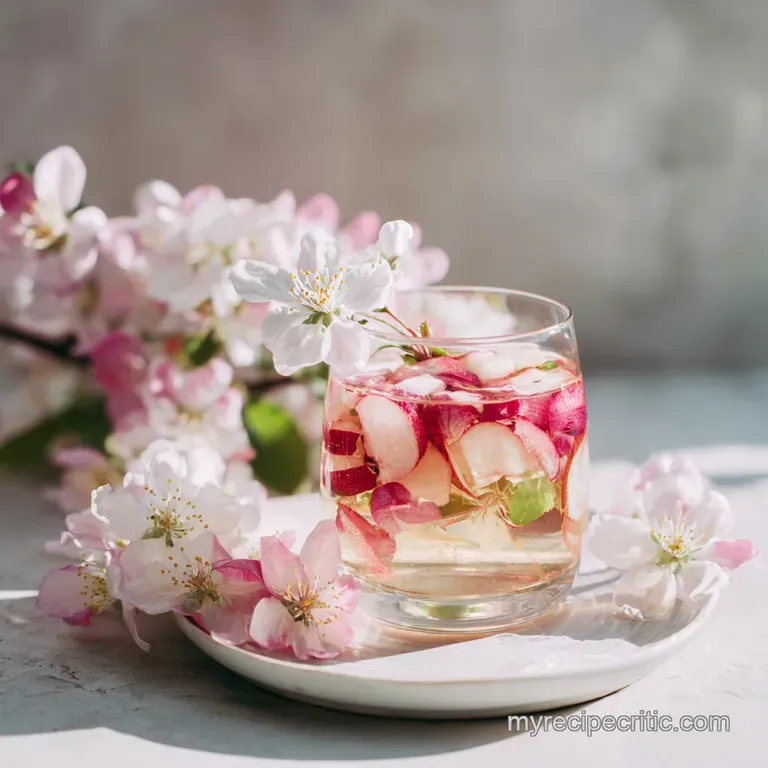
You really don't need a full bar setup for this. A large glass pitcher is the main requirement because you want everyone to see the beautiful colors. Avoid metal pitchers as they can sometimes react with the acidity of the lemon and wine, giving the drink a faint metallic tang.
A long handled spoon is essential for stirring everything together without bruising the berries. If you don't have a citrus juicer, you can use a fork to get that 60 ml of lemon juice. Just press the fork into the center of the lemon half and twist. It's an old trick that works every time for getting every last drop.
step-by-step Mixing Guide
1. The Maceration Phase
Place the 150g sliced strawberries and 100g raspberries into the bottom of your large pitcher. Drizzle the 30 ml agave nectar over the fruit and let it sit for about 5 minutes. This small wait time helps the fruit start releasing its natural sugars.
2. The Cold Infusion
Pour in the 120 ml elderflower liqueur and 60 ml fresh lemon juice. Stir very gently with a long spoon. You want to coat the fruit without mashing it. This creates a concentrated flavor base before you even add the wine.
3. The Floral Rosé Base
Add the 750 ml bottle of dry Rosé wine to the pitcher. Give it one slow stir to combine the liqueur and wine. At this point, add the lemon wheels. They add a bright visual contrast to the red berries.
4. The Chilling Window
Cover the pitcher and place it in the fridge for at least 2 hours. This is non negotiable. The flavors need this time to marry. If you skip this, the elderflower will taste separate from the wine.
5. The Final Bloom
Just before your guests arrive, tuck the 8 fresh mint sprigs and 8 edible pansies into the top of the pitcher. The mint should be submerged slightly to keep it hydrated and fragrant.
6. The Effervescent Finish
Right before pouring the first glass, add the 250 ml chilled sparkling water. Use a slow, steady pour to keep as much carbonation as possible. Stir once, very slowly, from the bottom up to distribute the bubbles.
Resolving Texture and Flavor Balance Issues
If the Sangria Tastes Flat or Dull
This usually happens if the wine was too old or if the lemon juice wasn't acidic enough. A tiny pinch of salt can actually brighten the flavors, or you can add another splash of fresh lemon juice. The goal is to have a "zing" that hits the back of your tongue.
If the Fruit Sinks to the Bottom
Fruit density varies, but usually, strawberries and raspberries will eventually settle. To keep the pitcher looking "pretty," add a handful of fresh fruit right on top of the ice or on the surface just before serving. This ensures every glass gets a bit of fruit.
| Problem | Root Cause | Solution |
|---|---|---|
| Too Sweet | Too much agave or sweet wine | Add 30 ml extra lemon juice or more dry wine. |
| Bitter Aftertaste | Lemon pith soaked too long | Remove lemon wheels after 4 hours of soaking. |
| Cloudiness | Mashing fruit during stirring | Pour through a fine mesh strainer and add fresh fruit. |
Common Mistakes Checklist
- ✓ Don't use a sweet Rosé; the agave and liqueur provide plenty of sugar.
- ✓ Never add the sparkling water until the very last second before serving.
- ✓ Avoid using dried flowers; they won't rehydrate well and feel papery.
- ✓ Ensure the lemon juice is strained to remove seeds and heavy pulp.
- ✓ Keep the mint sprigs whole rather than chopping them up.
Creative Flavor and Ingredient Variations
If you want to change things up, try a "White Blossom" version. Swap the Rosé for a dry Sauvignon Blanc or Pinot Grigio. This creates a more translucent, elegant look that highlights the green mint and yellow lemon wheels perfectly.
The flavor is slightly more citrus forward but still carries that floral elderflower backbone.
For those who want a bit more "kick," you can add 60 ml of vodka or gin to the mix. Gin, in particular, works beautifully here because the botanicals in the spirit (like juniper) play very well with the elderflower and mint.
For a Virgin "Spring Mocktail"
You can easily make this kid friendly or alcohol free. Replace the wine with a mixture of white grape juice and extra sparkling water. Instead of the elderflower liqueur, use an elderflower syrup (like the ones from Monin or Ikea). It retains that "Pretty Easter Cocktail" vibe without the alcohol content.
Proper Storage and Zero Waste Methods
Sangria is best enjoyed on the day it's made. After about 12 hours in the fridge, the fruit begins to lose its texture and becomes waterlogged. If you have leftovers, strain the liquid into a clean jar and discard the fruit.
The liquid will stay good in the fridge for up to 2 days, but it will lose its carbonation.
Don't throw away those wine soaked berries! They are incredibly tasty served over a bowl of Greek yogurt or a scoop of vanilla bean ice cream. You can also blend the leftover fruit and liquid together, pour them into popsicle molds, and freeze them for a "boozy pop" treat later in the week.
Presentation Tips for Your Brunch Table
When it's time to serve, presentation is everything for an Easter celebration. I like to serve these in large wine glasses or even stemless tumblers. Rub a piece of lemon around the rim of each glass to give a scent of citrus as guests take their first sip.
You can also prepare individual garnishes. Skewer a single strawberry and a mint leaf on a cocktail pick, similar to how I present my Grapes Cheese Skewers recipe. It makes the drink feel much more upscale.
- If you want a colder drink, chill the glasses in the freezer for 10 minutes before pouring.
- If you want a stronger floral scent, mist the top of the pitcher with a tiny bit of rose water.
- If you want a more rustic look, serve the sangria in Mason jars with colorful paper straws.
This sangria is a crowd pleaser because it's not too heavy. It pairs perfectly with salty brunch items like quiche or honey glazed ham. The acidity cuts right through the richness of the food, leaving your palate refreshed for the next bite.
Just remember to keep that sparkling water on the side so people can top off their glasses if they want a lighter, more spritz like experience.
Recipe FAQs
What is the best fruit to put in sangria?
Firm, acidic fruits work best. For this spring recipe, stick to sliced strawberries and whole raspberries; their texture holds up well during maceration. Mushy fruit will disintegrate and make the sangria cloudy, much like using soft fruit in a savory salad.
What are some spring drink trends?
Floral infusions and light rosé bases are trending heavily. Spring drinks favor ingredients like elderflower, lavender, and hibiscus, moving away from the heavy spices of winter cocktails. We are seeing a preference for low-alcohol spritzes, making this Rosé based sangria ideal.
What is the secret to a great sangria?
The secret is chilling time and avoiding instant dilution. You must let the mixture infuse for at least two hours before serving so the fruit flavors meld with the wine. Always add sparkling water last to maintain effervescence, similar to how you finish a vinaigrette after emulsifying.
How do I create a unique signature drink?
Select a core liqueur that is seasonally unexpected. For this drink, the elderflower liqueur defines the spring profile. If you enjoy mastering complex flavor balancing, see how we apply sweet tart harmony when crafting our Watermelon Feta Salad recipe vinaigrette.
Do I need to use fresh berries or can I use frozen?
No, stick with fresh. Frozen berries release excessive moisture as they thaw, which dilutes the wine base and results in soggy fruit that loses its structural integrity quickly.
How do I prevent the fruit from sinking to the bottom of the pitcher?
Layer the fruit strategically and garnish the top right before serving. While some settling is inevitable, adding a layer of lemon wheels or a few raspberries directly onto the surface after the sparkling water is added will give the immediate visual appeal needed.
How do I make a non-alcoholic version for kids?
Substitute the wine with white grape juice and top heavily with sparkling water. Replace the elderflower liqueur with commercial elderflower syrup, ensuring you reduce the added agave nectar to balance the sweetness.
Blossom Sangria For Easter
Ingredients:
Instructions:
Nutrition Facts:
| Calories | 165 kcal |
|---|---|
| Protein | 0.3 g |
| Fat | 0.1 g |
| Carbs | 15.5 g |
| Fiber | 1.3 g |
| Sugar | 12.5 g |
| Sodium | 5 mg |
