Best Pretzel Crust Pizza Recipe
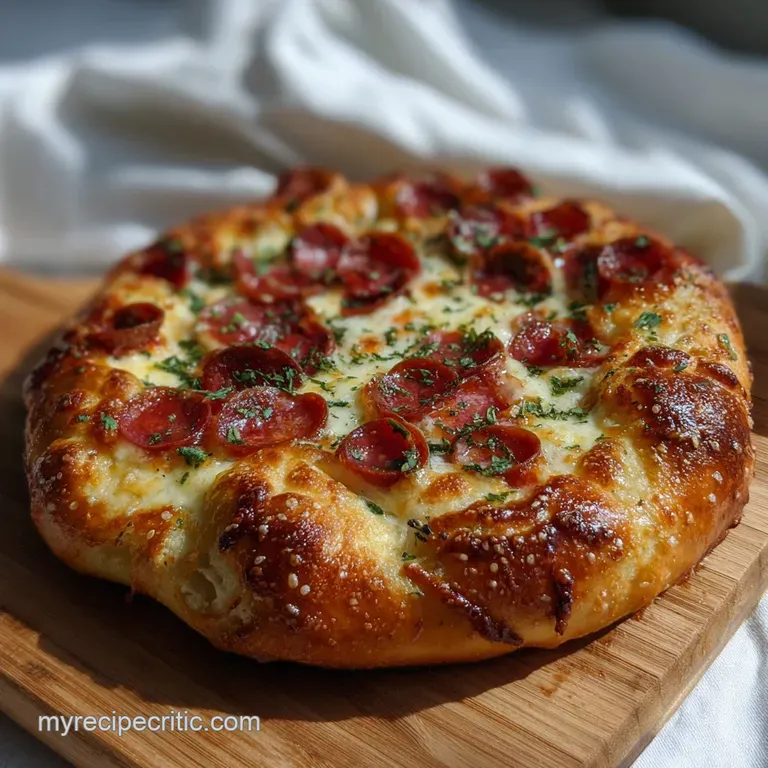
- Effort/Time: Intermediate / 1 hour 30 mins
- Flavor Hook: Malty-sweet crust meets sharp, salty umami layers.
- Perfect for: Game-day crowds and budget-smart family dinners.
- The Alchemy of Alkalinity: Why This Method Works
- Precision Engineering: Prep Times and Performance Metrics
- The Chemistry of Flavor: Selecting Your Primary Elements
- Professional Grade Arsenal: Tools for Thermal Success
- The Transformation Sequence: Mastering the Alkaline Bath
- Crust Physics: Solving Structural Failures and Texture Issues
- Flavor Architecture: Budget-Smart Substitutions and Creative Twists
- ⚗️ The Scaling Lab: The Physics of Quantity
- Preservation Protocol: Optimal Storage and Zero Waste Recovery
- Curation Strategy: Finishing Touches for the Perfect Bite
- Recipe FAQs
- 📝 Recipe Card
There is nothing more frustrating than spending two hours on a homemade dough only to pull a pale, flabby, bread like disk out of the oven. I once served what I thought was a "pretzel" crust to friends, but without the chemical bath, it was just a salty disappointment that cost me $15 in wasted cheese and a whole lot of pride.
The crust lacked that distinctive "snap" and the deep, nutty aroma that defines a true pretzel crust pizza.
I’ve ruined dozens of batches by trying to skip the boiling step or using cold water for the yeast, thinking the oven heat would compensate for my lack of patience. It took a messy kitchen and a few metallic tasting failures to realize that the physics of dough hydration and pH levels aren't suggestions they are the law.
This recipe is the result of those failures, designed to give you that commercial grade crunch without the professional equipment this is the ultimate guide to pretzel crust pizza.
The secret to this pretzel crust pizza lies in the alkaline bath, which accelerates the Maillard reaction at the surface of the dough before it even hits the oven. This chemical shift creates a shattering exterior while the interior remains dense and chewy, thanks to controlled gluten development.
When that mahogany brown crust hits the cooling rack, the sound of the salt crystals hitting the floor is the only "dinner bell" you’ll ever need for your perfect pretzel crust pizza.
The Alchemy of Alkalinity: Why This Method Works
- Alkaline Transformation: The baking soda bath raises the surface pH, breaking down proteins into amino acids that react rapidly with sugars to create a mahogany crust.
- Gluten Hydration: A 75 minute rest allows the 560g of all-purpose flour to fully hydrate, ensuring the dough is extensible enough to stretch without tearing.
- Emulsion Stability: Using a roux based cheddar sauce prevents the cheese from breaking into an oily mess under high oven heat.
- Osmotic Pressure: Adding the coarse sea salt only after the egg wash ensures the crystals adhere without drawing moisture out of the dough prematurely.
Precision Engineering: Prep Times and Performance Metrics
To achieve masterclass results with your pretzel crust pizza, you must hit these three numeric checkpoints:
- Water Temperature: Ensure the 355ml of water is exactly 45°C (110°F) to activate the 7g of yeast without killing the culture.
- The Proofing Window: The dough must double in size over 1 hour in a draft free environment (24 27°C).
- The Bath Duration: Submerge each dough segment for exactly 30 seconds per side; any longer results in a soapy, metallic aftertaste.
Thermal Delivery Comparison: Stovetop vs Oven
| Method | Texture Outcome | Speed | Pro Tip |
|---|---|---|---|
| Oven (220°C) | Shattering crust with airy, chewy crumb. | 15 minutes | Use a preheated Lodge Cast Iron Stone. |
| Stovetop (Skillet) | Denser, fried bread texture; less Maillard browning. | 8 minutes | Best for "pizza pockets" or small calzones. |
The Chemistry of Flavor: Selecting Your Primary Elements
Ingredient Chemistry Breakdown
| Ingredient | Chemical/Physical Role (Science) | The Pro Secret (Why This Matters) |
|---|---|---|
| Baking Soda (120g) | Creates alkaline environment for Maillard reaction | High concentration is mandatory for the deep brown color. |
| Active Dry Yeast (7g) | CO2 production via fermentation | Provides the "lift" needed to counter the heavy, boiled crust. |
| Sharp White Cheddar | Fat-in-protein emulsion | Provides a punchy acid profile that cuts through the salt. |
| Egg Yolk Wash | Protein based adhesive and shine agent | Ensures the salt stays put and adds a lacquered finish. |
- 560g All-Purpose Flour
- Why this? Medium protein content (10 11%) provides chew without becoming as tough as bread flour.
- 120g Arm & Hammer Baking Soda
- Why this? Essential for the 1.9L water bath to achieve the required 8.0+ pH level.
- 170g Cabot Sharp White Cheddar
- Why this? Lower moisture than mild cheddar, preventing the sauce from becoming watery.
- 115g Hormel Sliced Pepperoni
- Why this? High fat content renders during the 15 minute bake, flavoring the crust edges.
Professional Grade Arsenal: Tools for Thermal Success
To execute this pretzel crust pizza properly, you’ll need a Lodge Cast Iron Pizza Pan or a heavy duty baking sheet. The cast iron provides the thermal mass needed to "shock" the bottom of the dough, preventing a soggy middle.
For the alkaline bath, a Cuisinart 5 Quart Stainless Steel Stockpot is preferred over aluminum, as the baking soda can react with aluminum and leave a gray residue on your crust.
You’ll also need a KitchenAid Stand Mixer with a dough hook to handle the 10 minute kneading process. If you’re working by hand, be prepared for a 15 minute workout to reach the "windowpane" stage.
Finally,, a heavy duty slotted spatula is non-negotiable for transferring the slippery, boiled dough from the pot to the pan without deflating the air pockets.
The Transformation Sequence: Mastering the Alkaline Bath
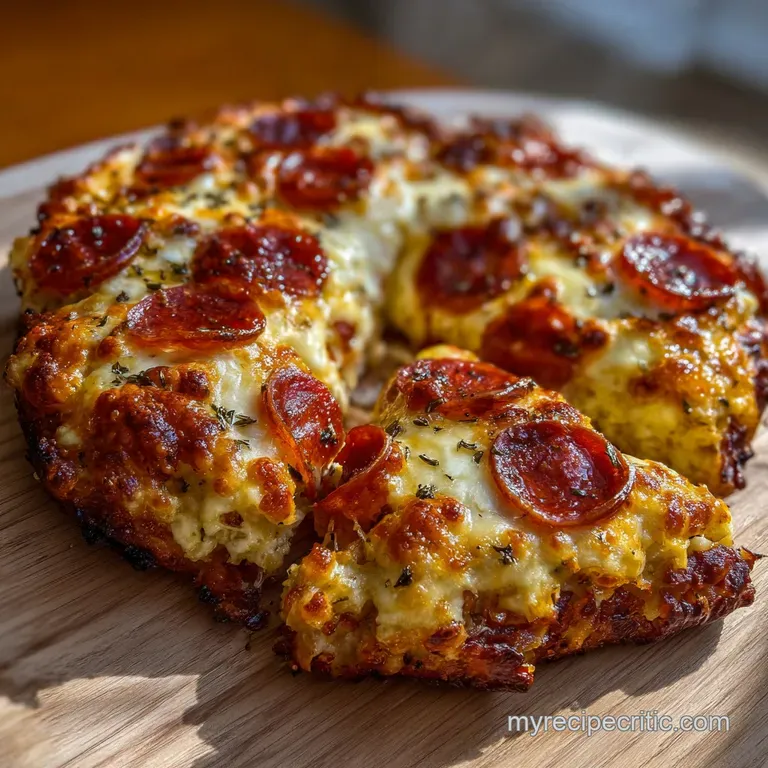
- Hydrate yeast. Whisk 7g active dry yeast and 12g sugar into 355ml warm water (45°C) in your stand mixer bowl; let sit 5 min until foam forms a thick, creamy head.
- Incorporate solids. Add 560g flour, 57g melted butter, and 10g salt. Note: Fat coats flour particles to limit gluten for a tender bite.
- Knead dough. Mix on medium low for 7 min until dough is smooth, elastic, and clears the sides of the bowl.
- Bulk fermentation. Cover and rest 1 hour until dough has visibly doubled and feels airy to the touch.
- Simmer bath. Bring 1.9L water and 120g baking soda to a boil in a Lodge Stockpot until large bubbles break the surface consistently.
- Boil dough. Submerge shaped dough for 30 seconds per side until surface looks slightly puckered and yellowed.
- Create sauce roux. Melt 28g butter in a pan, whisk in 16g flour for 2 min until the smell shifts from raw to nutty.
- Thicken sauce. Slowly whisk in 240ml milk and 170g cheddar until the mixture is velvety and coats the back of a spoon.
- Assemble. Spread cheese sauce over boiled dough, top with 225g mozzarella and 115g pepperoni.
- Apply finish. Brush edges with egg yolk wash and sprinkle 2 tbsp coarse salt until every inch of the rim is lightly coated.
- Final Bake. Roast at 220°C for 15 minutes until crust is deep mahogany and cheese is vigorously bubbling in the center.
Crust Physics: Solving Structural Failures and Texture Issues
One common frustration with pretzel crust pizza is the "metallic" flavor. This usually happens because the baking soda wasn't fully dissolved or the dough sat in the bath too long. If you've ever mastered a Classic French Bread recipe, you know that crust texture is all about surface moisture control.
Another issue is the dough "shrinking" while you try to shape it. This is caused by overactive gluten tension. If the dough snaps back like a rubber band, cover it with a damp towel and walk away for 10 minutes.
This allows the protein network to relax, making it much easier to stretch into your pizza shape, setting the stage for a perfect pretzel crust pizza.
| Problem | Root Cause | The Fix | Pro Protocol |
|---|---|---|---|
| Soggy Bottom | Excess moisture in the cheese sauce or cold pan. | Pre-bake the dough for 5 mins after the bath. | Use a preheated pizza stone. |
| Pale Crust | pH of water bath was too low. | Ensure you use the full 120g of baking soda. | Add 1 tsp barley malt syrup to the bath. |
| Dough Tearing | Under kneaded dough/weak gluten. | Knead until the windowpane test is passed. | Use high protein bread flour if AP fails. |
Decision Shortcut
- If you want a crunchier crust, extend the alkaline bath to 45 seconds per side.
- If you want a softer, bagel like texture, skip the egg wash and brush with melted butter after baking.
- If you are short on time, use The 30Minute Marvel recipe as your base, then apply the alkaline bath steps to create your crust.
Flavor Architecture: Budget Smart Substitutions and Creative Twists
Ingredient Substitution Table
| Original Ingredient | Substitute | Why It Works |
|---|---|---|
| Sharp White Cheddar | Sharp Yellow Cheddar | Same fat/moisture ratio. Note: Gives the sauce a classic "nacho" orange look. |
| Melted Butter | Neutral Oil (Canola/Veg) | Keeps dough moist but lacks the dairy fat aroma. |
| Whole Milk | Evaporated Milk | Higher protein concentration; creates a much more stable cheese emulsion. |
| Pepperoni | Sliced Jalapeños | Provides acid and heat to balance the salty pretzel crust pizza. |
For a Stuffed Pretzel Crust Pizza Recipe (Twist)
To level up, roll 225g of mozzarella into thin "logs" and wrap the edges of the dough around them after the alkaline bath. The cheese will melt into the pretzel rim, creating a gooey surprise. This technique is similar to how we handle cheese in The Cheesy Garlic recipe.
⚗️ The Scaling Lab: The Physics of Quantity
When doubling this pretzel crust pizza for a party, the physics of your kitchen change. Do not simply double the yeast; scale to 1.5x (10.5g) to avoid a "yeasty" or alcoholic flavor profile. Fermentation is exothermic large masses of dough generate their own heat.
If you double the batch, check your proofing 20% earlier (around 45 50 minutes) to prevent over fermentation, which leads to a collapsed crust.
For the alkaline bath, do not double the water unless you have a cauldron. Instead, keep the 1.9L volume and refresh the baking soda (add 20g) after every two pizzas. The pH drops as the dough "uses up" the alkalinity.
If you are baking two pizzas at once, drop your oven temp by 15°C and swap the rack positions halfway through to ensure even browning across both mahogany crusts when making pretzel crust pizza.
Preservation Protocol: Optimal Storage and Zero Waste Recovery
- Storage: Store leftovers in an airtight container for up to 3 days. Do not wrap in foil while warm; the trapped steam will turn the pretzel crust into a gummy mess.
- Freezing: You can freeze the boiled (but unbaked) dough rounds for up to 1 month. Thaw in the oven at 180°C for 20 minutes.
- Reheating: Use an air-fryer at 190°C for 4 minutes. This is the only way to recover the "shatter" of the original pretzel crust pizza.
💡 ZERO WASTE PHILOSOPHY: Don't discard leftover cheese sauce. Transform: Use it as a dip for the crust "bones" or as a base for a broccoli mac and cheese.
Science: The roux based emulsion is stable and won't break when reheated, providing a velvety mouthfeel to your next slice of pretzel crust pizza.
Curation Strategy: Finishing Touches for the Perfect Bite
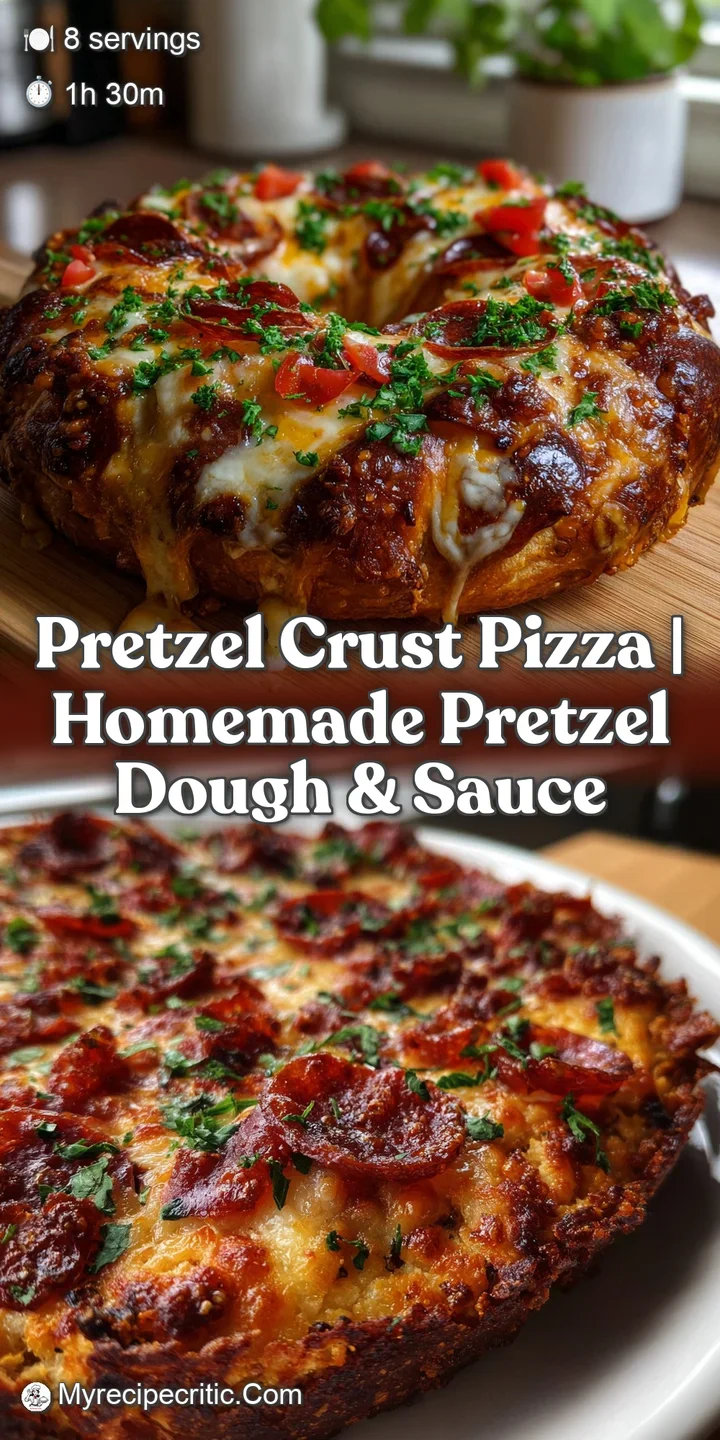
The final presentation of your pretzel crust pizza should emphasize the contrast between the dark crust and the vibrant toppings. If the pepperoni hasn't curled into "cups," give them an extra 2 minutes under the broiler.
This renders the fat, which pools into the center of the pepperoni, creating a concentrated hit of spice and salt.
- Myth
- You need lye for a real pretzel crust.
- Truth
- While professional bakeries use lye (sodium hydroxide), a concentrated baking soda (sodium bicarbonate) bath achieves 90% of the same Maillard browning safely for home cooks.
- Myth
- You can boil the pizza after topping it.
- Truth
- Boiling must happen to the raw dough only. Boiling toppings would ruin the cheese emulsion and create a soggy, water logged mess.
Serve this alongside a stone ground mustard or a spicy ranch for dipping those thick, salty edges. The maltiness of the crust and the sharp tang of the cheddar sauce are the ultimate flavor profile for anyone obsessed with the "salty savory" spectrum.
Trust me, once you go pretzel, standard pizza crust feels like a missed opportunity when you could have made a superior pretzel crust pizza. Let's crack on!
Recipe FAQs
What is the secret to the dark brown color on a pretzel crust?
The alkaline bath is mandatory for deep color. Raising the surface pH accelerates the Maillard reaction during baking, rapidly creating the mahogany hue without overcooking the interior. This chemical shift is why the crust browns so effectively.
Can I skip boiling the dough entirely?
No. Boiling sets the crust structure before topping. The brief submersion in the alkaline bath gelatinizes the surface starches, which is crucial for achieving the signature "snap" texture. Without it, the crust will remain pale and bready like standard dough.
Why did my cheese sauce separate and become oily?
Rapid heat addition denatures the casein proteins in the cheese. Emulsions break when cheese proteins encounter rapid, direct heat without enough stabilizing fat or starch buffer; they release their bound moisture and fat, resulting in oil slicking.
- Use a pre-made roux base
- Temper the cheese into the warm liquid slowly
- Avoid using low-moisture, aged mozzarella as the primary melt
Is bread flour better than all-purpose flour for this crust?
All-purpose flour is better for balanced chew. Bread flour has higher protein content (12-14%), which develops strong gluten networks that become excessively tough when combined with the boiling and dense texture of this crust style. If you enjoyed mastering high hydration dough handling principles in My Simple Pizza Dough Recipe Chewy Homemade Goodness, you’ll appreciate how AP flour here prevents that excessive toughness.
What temperature should the water be for activating the yeast?
Use water exactly at 45°C (110°F). Water warmer than this will kill the yeast culture instantly, preventing the necessary gas production for dough rise. Water cooler than this will slow fermentation significantly, potentially stalling the entire proofing process.
Myth: A metal pan will cause the bottom to burn before the top cooks.
Myth: You must use a pizza stone or steel to prevent burning. Reality: A heavy, preheated cast iron pan acts as an excellent thermal mass to shock the dough bottom, ensuring a crisp base without burning if the oven temperature is correctly calibrated to 220°C.
Should I use salted or unsalted butter in the dough?
Unsalted butter allows for precise sodium control. Salt content in commercial salted butter varies widely, making the final sodium level of the crust unpredictable when factoring in the coarse salt topping.
Unsalted butter lets you accurately adjust salt levels based on the sharpness of the cheddar you choose.
Best Pretzel Crust Pizza
Ingredients:
Instructions:
Nutrition Facts:
| Calories | 614 kcal |
|---|---|
| Protein | 21.6 g |
| Fat | 29.6 g |
| Carbs | 56.1 g |
| Fiber | 1.9 g |
| Sugar | 2.2 g |
| Sodium | 1148 mg |
