Best Mediterranean Flatbread Pizza: Crispy and Savory
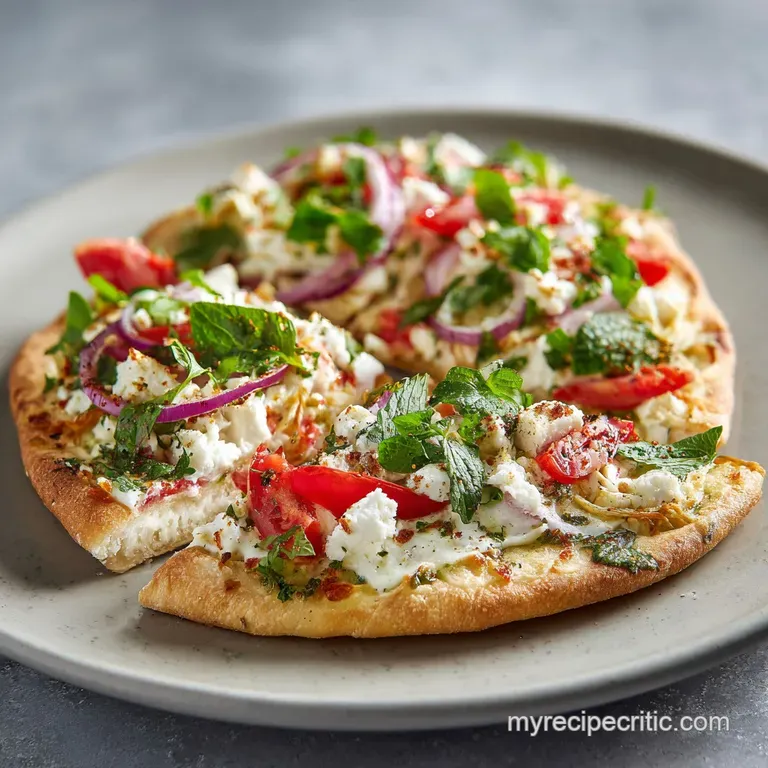
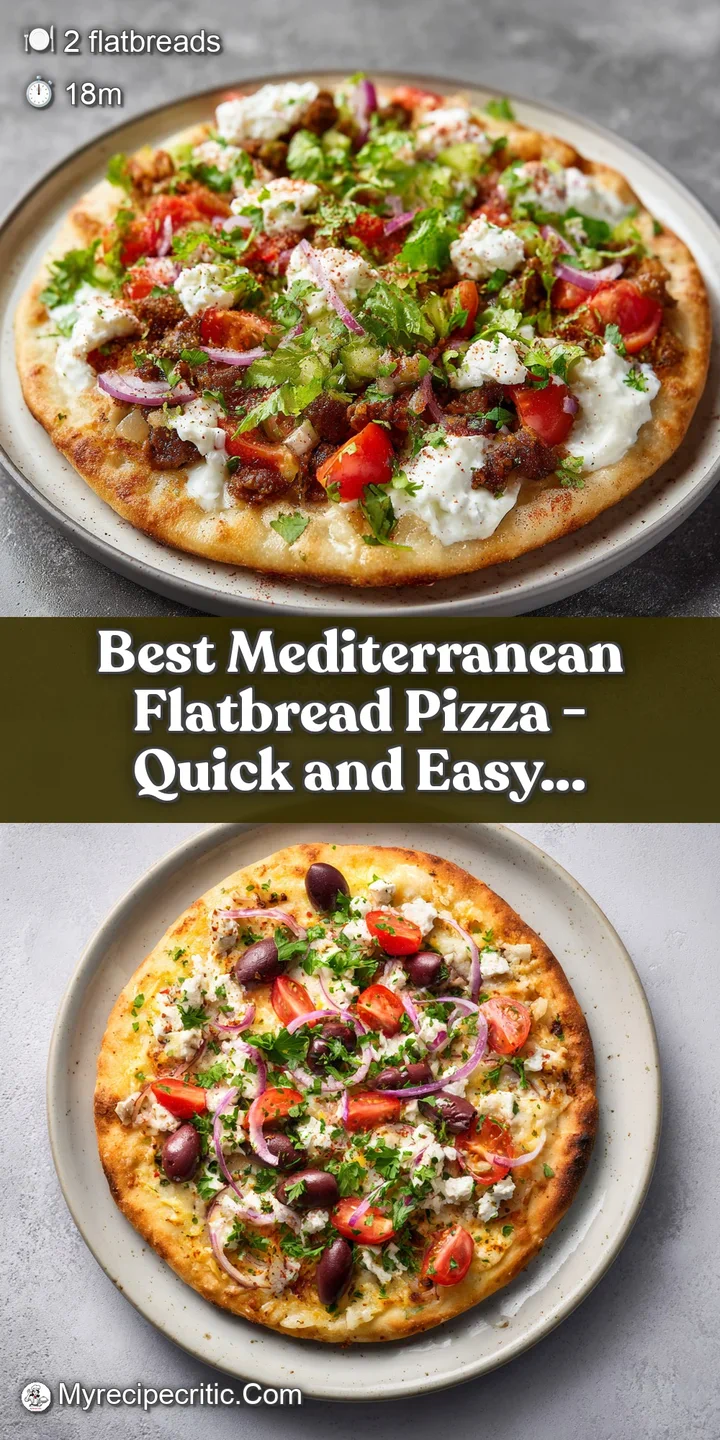
- Time: Active 10 minutes, Passive 8 minutes, Total 18 minutes
- Flavor/Texture Hook: A shatter crisp base topped with velvety feta and tangy sun dried tomatoes
- Perfect for: Stress free weeknight dinners or a quick appetizer for last minute guests
- Fixing the Best Mediterranean Flatbread Pizza
- How the Base Stays Perfectly Crisp
- Essential Recipe Measurements
- Primary Flatbread Components
- Necessary Kitchen Hardware
- Detailed Baking Steps
- Avoiding Common Pizza Errors
- Troubleshooting Common Issues
- Budget Ingredient Swaps
- Storage and Waste Prevention
- Final Garnishes and Presentation
- Critical in Sodium
- Recipe FAQs
- 📝 Recipe Card
Fixing the Best Mediterranean Flatbread Pizza
Picture this: It is Friday night, the sun is dipping below the horizon, and you have exactly zero desire to wait 45 minutes for a lukewarm delivery bike to show up. I remember one specific evening when my friends dropped by unannounced.
The pantry was looking a bit lean, but I had a pack of flatbread and a jar of sun dried tomatoes. I threw this together, and the sizzle of the oil meeting the hot baking sheet was the only soundtrack we needed. The aroma of garlic and za'atar filled the kitchen so fast it practically pulled everyone into the room.
We often think that gourmet meals require hours of prep or expensive imported cheeses. This dish proves that wrong. By using the best mediterranean flatbread pizza techniques, you can turn a basic piece of pita into something that tastes like it came out of a wood fired oven in a coastal Greek town.
It is all about how you layer the flavors and control the moisture. No more soggy centers or limp crusts.
You are going to love how the sharp red onion cuts through the creamy mozzarella, and how the balsamic glaze adds that final hit of sweetness. This isn't just a quick meal, it is a lesson in how to use high heat and smart seasoning to get big results on a small budget.
Let's get into how we actually make this happen without breaking the bank.
How the Base Stays Perfectly Crisp
- The Oil Barrier: Brushing the flatbread with herb infused oil before adding cheese creates a hydrophobic layer. This prevents the moisture from the vegetables and sauce from seeping into the dough, ensuring the base can shatter when you bite into it.
- Spice Blooming: Mixing the za'atar and oregano into the oil for 5 minutes before baking "awakens" the fat soluble compounds. This ensures the flavors are distributed evenly rather than sitting on top as dry, dusty bits.
- Cellular Structure of Onions: Shaving the red onion paper thin allows the high heat to evaporate its water content almost instantly. This results in sweet, slightly charred edges rather than raw, watery chunks that would otherwise steam the cheese.
- Low Moisture Proteins: Using low moisture mozzarella instead of fresh buffalo mozzarella prevents "puddling." The lower water content means the cheese melts into a velvety blanket that grips the other toppings tightly.
| Feature | Fresh From Scratch | Shortcut Flatbread |
|---|---|---|
| Preparation Time | 2 hours (rising time) | 10 minutes |
| Texture Outcome | Chewy, airy crumb | Shatter crisp, thin base |
| Effort Level | High (kneading required) | Minimal (assembly only) |
Choosing between these methods usually comes down to how much time you have on a Tuesday night. If you do find yourself craving a more traditional dough experience, you might want to try a quick pizza dough for those days when you have an extra half hour to spare.
Essential Recipe Measurements
When we talk about precision in the kitchen, it isn't just about being fussy. It is about making sure the physics of the bake work in your favor. If your oven isn't hot enough, the bread dries out before the cheese melts. If the toppings are too thick, the middle stays soft.
| Component | Amount | Science Role | Pro Secret |
|---|---|---|---|
| Extra Virgin Olive Oil | 2 tbsp | Heat conductor and moisture shield | Use the oil from the sun dried tomato jar for extra flavor |
| Za’atar Seasoning | 1 tsp | Flavor complexity and texture | Rub it between your palms to release the oils before mixing |
| Low moisture Mozzarella | 1/2 cup | Structural fat and "glue" | Grate it yourself from a block for a much smoother melt |
| Balsamic Glaze | 1 tsp | Acidic balance | Apply only after baking to keep the acidity bright and sharp |
Using the right amount of oil is non negotiable here. I once tried to skimp on it to save a few calories, and the flatbread came out feeling like dry cardboard. The oil doesn't just add flavor, it helps the heat from the oven penetrate the dough quickly, giving you that golden brown finish we're chasing.
Primary Flatbread Components
To keep this budget friendly, we are looking at items that have a long shelf life or can be used in multiple ways. The sun dried tomatoes and kalamata olives are pantry superstars. They pack so much punch that you don't need a massive amount to make an impact.
- 2 Large flatbreads (Lavash, Naan, or Greek Pita)
- 2 tbsp Extra virgin olive oil Why this? Essential for the moisture barrier and crisping the base.
- 1 tsp Za’atar seasoning
- 1/2 tsp Dried oregano
- 1 clove Garlic, finely minced Why this? Provides an aromatic base that permeates the oil.
- 1/2 cup Shredded low moisture mozzarella
- 1/3 cup Crumbled Feta cheese Why this? Adds a salty, tangy punch that doesn't melt away.
- 1/4 cup Sun dried tomatoes packed in oil, thinly sliced
- 1/4 cup Kalamata olives, pitted and halved
- 1/4 small Red onion, shaved paper thin
- 1/4 cup Artichoke hearts, patted dry and chopped
- 2 tbsp Greek yogurt based Tzatziki
- 1 tbsp Fresh parsley, chopped
- 1/8 tsp Red pepper flakes
- 1 tsp Balsamic glaze
For the best mediterranean flatbread pizza, the quality of the olives matters. I usually go for the ones in the glass jars rather than the cans, as they hold their texture much better under heat. If you're feeling adventurous with your dough, you could even look into a pretzel pizza crust style base, though for this specific recipe, a thin Greek pita is the gold standard for that Mediterranean feel.
Necessary Kitchen Hardware
You don't need a high end kitchen to pull this off. In fact, some of my best pizzas have been made in a tiny apartment with a beat up baking sheet. The key is how you use the tools you have.
- Baking Sheet: A heavy duty rimmed baking sheet works best. It holds the heat well and won't warp in a 425°F oven.
- Small Whisk or Fork: You need this to properly emulsify the garlic and spices into the oil.
- Parchment Paper: This is the secret to an easy cleanup and prevents the bottom of the flatbread from sticking or burning too quickly.
- Pizza Stone (Optional): If you have one, use it! It helps mimic the environment of a professional oven by providing immediate, intense floor heat to the flatbread.
- Vegetable Peeler: Trust me on this. Use it to shave your red onion. It gets them much thinner than a knife ever could, which is vital for that quick char.
Chef's Tip: If you don't have a pizza stone, preheat your baking sheet in the oven while it's coming up to temperature. Sliding the assembled flatbread onto a hot tray gives the bottom an immediate head start on crisping up.
Detailed Baking Steps
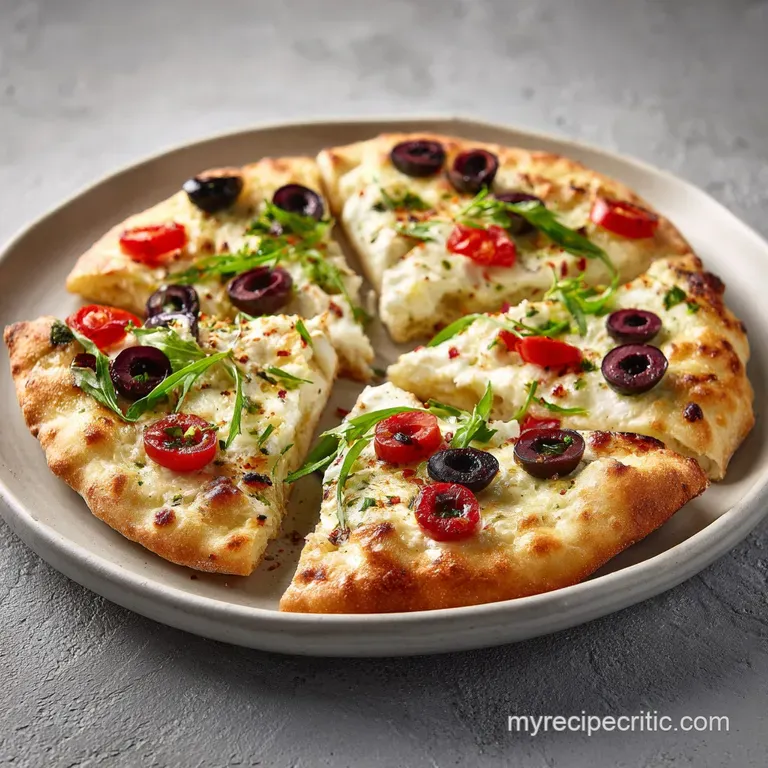
Phase 1: The Heat Soak and Oil Bloom
First, crank that oven up to 425°F (220°C). If you're using a pizza stone, get it in there now. While the oven is heating, grab a small bowl and whisk together your extra virgin olive oil, za’atar, dried oregano, and minced garlic.
Let this mixture sit for 5 minutes. This "blooming" process allows the garlic to mellow and the dried herbs to soften in the oil, which prevents them from burning and tasting bitter in the oven. You will see the oil take on a slightly greenish hue, and the smell will be incredible.
Phase 2: Building the Moisture Shield
Lay your flatbreads out on a parchment lined baking sheet. Take a pastry brush (or the back of a spoon) and spread that herb oil over every single inch of the dough, right up to the very edges.
Note: This is your moisture barrier. It stops the moisture from the artichokes and tomatoes from making the bread soggy. Once the oil is on, sprinkle the shredded mozzarella evenly. Follow this with the crumbled feta. The mozzarella acts as the glue, while the feta provides those little islands of intense saltiness.
Phase 3: The Flash Bake
Now, layer on the sun dried tomatoes, kalamata olives, red onion, and artichoke hearts. Ensure the artichokes are patted dry before they go on; any extra liquid is the enemy of a crisp crust.
Slide the tray into the oven and bake for 8 minutes. You are looking for the edges of the flatbread to turn a dark, toasted golden brown and for the cheese to be bubbling and just starting to brown in spots. The smell of the roasting olives and garlic will be your first cue that it's nearly done.
Phase 4: The Fresh Finish
Once you pull the pizzas out, let them sit for 60 seconds. This allows the cheese to set so the toppings don't slide off when you cut it. Drizzle the tzatziki in a zigzag pattern across the top.
Garnish with the fresh parsley, a pinch of red pepper flakes for heat, and a final drizzle of balsamic glaze. The contrast between the hot pizza and the cold, creamy tzatziki is what makes this the best mediterranean flatbread pizza you've ever had.
Slice it into wedges and serve immediately while the base is still at peak crispness.
Avoiding Common Pizza Errors
We have all been there: you pull a pizza out and it's either a floppy mess or the toppings have all turned to charcoal. Most of these issues come down to temperature control and ingredient preparation.
Troubleshooting Common Issues
| Issue | Solution |
|---|---|
| Flatbread always soggy in the middle | This usually happens because of "wet" toppings. Artichoke hearts and sun dried tomatoes are often packed in brine or oil. If you don't pat them dry with a paper towel, that liquid pools in the center |
| Why did my feta melt into a puddle | Feta isn't supposed to melt like mozzarella; it should soften and get slightly creamy but hold its shape. If your feta disappears, it might be a lower quality "feta style" cheese made with too much co |
| Stop the olives from burning | Olives have a high oil content, but they can still shrivel and turn bitter if they are too small or exposed to direct heat for too long. By nesting them slightly into the mozzarella, you protect their |
Common Mistakes Checklist
- ✓ Forgot to pat the artichoke hearts dry (leads to a soggy center)
- ✓ Used fresh mozzarella instead of low moisture (creates too much water)
- ✓ Cut the onions too thick (they won't soften or char properly in 8 mins)
- ✓ Skipped the 5 minute oil bloom (results in raw garlic flavor)
- ✓ Didn't preheat the baking sheet (bottom stays pale and soft)
Budget Ingredient Swaps
If you are looking to save a few dollars, or just can't find specific items, there are plenty of ways to pivot this recipe without losing that Mediterranean soul. The beauty of this flatbread pizza is its flexibility.
| Original Ingredient | Substitute | Why It Works |
|---|---|---|
| Kalamata Olives | Black Olives | Briny and salty. Note: Lacks the fruity punch of Kalamatas but saves money |
| Sun dried Tomatoes | Roasted Red Peppers | Sweet and smoky. Same texture but a milder flavor profile |
| Za'atar Seasoning | Dried Thyme + Sesame | Mimics the earthy notes. Add a squeeze of lemon for the missing sumac tang |
If you find that your budget is tight, don't feel like you need the most expensive extra virgin olive oil for the base. A standard olive oil will still provide the necessary crispness. You can save the "fancy" oil for a raw drizzle at the end if you have it.
For those looking to change the experience entirely, you might consider different dough bases. While this recipe focuses on a quick flatbread, some people enjoy a more substantial bite. You can experiment with different types of pizza dough if you have a free weekend, but for the weekday hustle, the pita remains king.
High Protein Adjustments
If you want to make this a post workout meal, you can easily swap the flatbread for a high protein version or even use a thin layer of cooked chicken breast as a "base" (though that's moving into different territory!).
A better way is to double the amount of Greek yogurt in the tzatziki drizzle or add some chickpeas that have been roasted until crunchy.
Storage and Waste Prevention
Flatbread pizza is definitely best eaten fresh, but we don't always finish two whole pizzas. If you have leftovers, do not just toss them in the microwave. That is the fastest way to turn your crispy masterpiece into a gummy, rubbery disappointment.
Storage: Place leftovers in an airtight container with a piece of parchment paper between layers. They will stay fresh in the fridge for up to 3 days. I don't recommend freezing the fully assembled pizza because the tzatziki and fresh parsley won't survive the thaw and reheat process well.
Reheating: The only way to revive that shatter crisp base is to use a dry skillet. Place the cold pizza slice in a pan over medium heat. Cover it with a lid for about 2 minutes to melt the cheese, then remove the lid for another 2 minutes to crisp the bottom.
It will taste almost as good as it did on night one.
- The Oil
- If you have leftover sun dried tomatoes, the oil in the jar is liquid gold. Use it for the herb oil mixture instead of plain olive oil. It's already infused with tomato and herb flavors.
- Veggie Scraps
- Save the stems from the parsley and the outer layers of the red onion. Toss them in a bag in the freezer to make a vegetable stock later.
- Leftover Tzatziki
- If you have extra, it makes a fantastic dip for raw carrots or a spread for a turkey sandwich the next day.
Final Garnishes and Presentation
The best mediterranean flatbread pizza should look as good as it tastes. Presentation isn't just about vanity; it's about layering textures so every bite is interesting. When you add the tzatziki, don't just dollop it on. Use a small spoon to create thin, elegant lines.
This ensures you get a little bit of cool creaminess in every bite without overwhelming the crispy toppings.
The balsamic glaze is the "jewelry" of the dish. It provides a dark, glossy contrast to the white feta and green parsley. If you don't have a store-bought glaze, you can make your own by simmering balsamic vinegar in a small pan until it's reduced by half and coats the back of a spoon.
Finally, think about how you cut the pizza. For a casual dinner, standard wedges are great. But if you're serving this as an appetizer, cut the flatbread into long, thin strips or small squares. This makes it easier to pick up and ensures that the "shatter" factor of the crust is highlighted.
Serve it on a wooden board to lean into that rustic, Mediterranean vibe. The warm colors of the tomatoes and olives against the wood look stunning and make the whole meal feel like a special occasion, even if it only took you 18 minutes to make.
Critical in Sodium
1310 mg of sodium per serving (57% of daily value)
The American Heart Association recommends no more than 2,300mg of sodium per day (ideally 1,500mg for most adults).
💡 Tips to Reduce Sodium:
-
Reduce Salt-25%
Cut salt in half or omit entirely
-
Use Herbs & Spices
Add flavor with herbs instead of salt
Recipe FAQs
How to keep the middle of the flatbread from getting soggy?
Pat your artichoke hearts and sun-dried tomatoes thoroughly dry with a paper towel before assembling. Excess brine or oil from these toppings is the primary cause of moisture pooling in the center of your crust during baking.
Is it true I should reheat leftovers in the microwave?
No, this is a common misconception. Microwaving will turn your crispy flatbread into a gummy, rubbery disappointment; instead, use an oven or toaster oven to regain that original crunch.
How to ensure the edges become perfectly golden brown?
Preheat your oven to 425°F and use a pizza stone if available. The high heat combined with the oil-based barrier you brush onto the dough creates the ideal conditions for a dark, crisp crust in exactly 8 minutes.
Can I prepare the herb oil ahead of time?
Yes, whisking the olive oil, za’atar, oregano, and minced garlic together for at least 5 minutes before applying helps bloom the spices. If you enjoyed mastering this infusion technique here, see how the same principle works for enhancing flavor profiles in our Smoky Sweetness recipe recipe.
How to stop the feta from completely disappearing into the pizza?
Choose a high-quality, authentic feta block rather than pre-crumbled varieties. Authentic feta is designed to soften and get creamy under heat, whereas lower quality "feta style" cheeses often lack the structure to hold their shape in a 425°F oven.
How to store leftover flatbread?
Place individual slices in an airtight container with parchment paper between layers to prevent sticking. This method keeps the flatbread fresh in the refrigerator for up to 3 days, though you should avoid freezing as the toppings do not thaw well.
Is it necessary to use a parchment lined baking sheet?
Yes, it ensures an easy cleanup and prevents the flatbread bottom from sticking to the pan. Parchment also helps manage the heat distribution across the bottom of the crust during the 8-minute cook time.
Best Mediterranean Flatbread Pizza
Ingredients:
Instructions:
Nutrition Facts:
| Calories | 692 kcal |
|---|---|
| Protein | 21.6 g |
| Fat | 41.4 g |
| Carbs | 61.2 g |
| Fiber | 5.4 g |
| Sugar | 7.8 g |
| Sodium | 1310 mg |
