Macaroni and Cheese Recipe with Crispy Crust
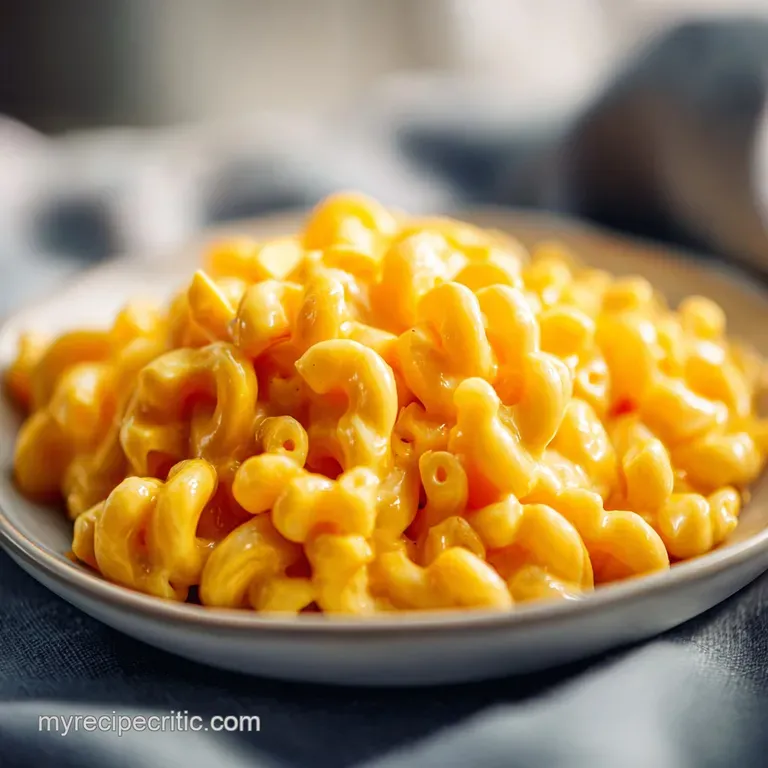
- Time: Active 15 minutes, Passive 30 minutes, Total 45 minutes
- Flavor/Texture Hook: Sharp, nutty Gruyère melt with a buttery, herb infused crunch.
- Perfect for: Sunday family dinners or high stakes potlucks.
- Secrets To This Macaroni And Cheese Recipe
- Science Behind The Silky Sauce
- Timing And Yield Specifications
- Choosing The Best Quality Ingredients
- Essential Kitchen Gear Required
- Step By Step Cooking Guide
- Avoiding Common Cooking Mistakes
- Flavor Variations To Try
- Scaling And Quantity Adjustments
- Dissecting Kitchen Myths
- Storage And Zero Waste Tips
- Pairing Ideas For Serving
- High in Sodium
- Recipe FAQs
- 📝 Recipe Card
Secrets To This Macaroni And Cheese Recipe
I’ll never forget the first time I tried to make a "fancy" mac for a dinner party. I spent a fortune on aged cheeses, but the second they hit the pan, the whole thing split into a greasy, oily puddle with gritty clumps of protein at the bottom. It was heartbreaking.
I stood there over the stove, whisking like a maniac, but the damage was done. That day, I learned that a great macaroni and cheese recipe isn't just about expensive ingredients; it’s about managing the chemistry of the melt.
We've all been there, staring at a box of the blue box stuff because we're afraid the homemade version will be dry or curdled. But honestly, once you understand how to stabilize your sauce, you’ll never go back. We're going to use a specific blend of evaporated milk and cream cheese here.
It might sound a bit unconventional if you're used to a traditional béchamel, but trust me, it’s the secret to that glossy, restaurant style finish that stays creamy even after it cools down a bit.
The aroma in your kitchen when the smoked paprika hits the warm butter is something you have to experience. It’s smoky, savory, and deep. When you pull that tray out of the oven and hear the sizzle of the bubbling cheese around the edges, you'll know exactly why we put in the extra effort.
Let’s get into how we make this happen without the stress.
Science Behind The Silky Sauce
Protein Stabilization: Evaporated milk contains a higher concentration of milk proteins than fresh milk, which acts as a buffer to prevent the cheese from "breaking" or separating into oil and solids.
The Emulsion Bridge: Adding chilled cream cheese introduces lactic acid and extra emulsifiers that help bind the fat from the cheddar to the liquid base, ensuring a velvety texture.
Starch Gelatinization: Par boiling the macaroni in salted water allows the starches to partially swell, which then helps the sauce cling to every nook and cranny of the noodle during the final bake.
Timing And Yield Specifications
Before you start boiling water, it helps to see how the different cooking methods stack up. While the oven provides that classic crust, sometimes you just need cheese on the table immediately.
| Method | Total Time | Texture | Best For |
|---|---|---|---|
| Oven Baked | 45 minutes | Crispy top, firm bite | Dinner parties and holidays |
| Stovetop | 15 minutes | Ultra creamy, loose sauce | Quick weeknight cravings |
| Slow Cooker | 3 hours | Soft pasta, deep flavor | Potlucks with limited space |
A quick note on the oven baked version: the carryover heat is real. If the center looks slightly jiggly when you pull it out, that's actually what you want. It will firm up into a perfect sliceable consistency as it rests for those vital 5 minutes.
Choosing The Best Quality Ingredients
For this macaroni and cheese recipe, we aren't just tossing things in a pot. Every component has a job. If you’re looking for a shortcut for a different night, you might enjoy my Cheese Sauce Ready recipe, but for the full baked experience, stick to the list below.
- 450g elbow macaroni: The classic shape. The hollow center is designed to trap the sauce.
- 1 tbsp sea salt: Essential for the pasta water; if the noodle is bland, the whole dish is bland.
- 60g unsalted butter: Provides the fat base for our roux.
- 30g all purpose flour: The thickener that gives the sauce its structure.
- 340ml evaporated milk: Why this? It prevents the sauce from curdling under high oven heat.
- 240ml whole milk: Adds freshness and lightens the richness of the evaporated milk.
- 115g cream cheese: Cubed and chilled. This is our insurance policy against graininess.
- 1 tsp garlic powder & 1/2 tsp smoked paprika: These add background warmth without being "spicy."
- 1/2 tsp dry mustard: Why this? Mustard cuts through heavy fats and makes the cheese flavor pop.
- 340g sharp cheddar cheese: Freshly grated is non negotiable here.
- 115g Gruyère cheese: Adds a sophisticated, nutty melt that cheddar lacks.
- Panko breadcrumbs, melted butter, Parmesan, and thyme: Our shattering crust layer.
| Component | Science Role | Pro Secret |
|---|---|---|
| Evaporated Milk | Emulsion stabilizer | Don't swap for skim; you need the protein density. |
| Cream Cheese | Texture smoother | Keep it cold until the moment it hits the hot sauce. |
| Dry Mustard | Flavor enhancer | It chemically bridges the gap between fat and salt. |
If you find yourself missing an ingredient, don't panic. This dish is forgiving if you follow the logic of the swap.
| Original Ingredient | Substitute | Why It Works |
|---|---|---|
| Gruyère | Fontina or Swiss | Both have high moisture and excellent melting points. |
| Panko | Crushed crackers | Provides a similar crunch. Note: Saltier than Panko. |
| Whole Milk | Half and half | Increases richness but might require a splash more water. |
If you're craving a different kind of creamy pasta tonight, you might want to try this Foolproof Chicken Alfredo recipe instead. It uses similar emulsification principles but with a heavy cream base.
Essential Kitchen Gear Required
You don't need a professional kitchen, but a few specific tools make the difference between a struggle and a success. First, a heavy bottomed saucepan or a Dutch oven (like a Le Creuset) is vital for the sauce. Thin pans have hot spots that will scorch your flour or seize your cheese.
Second, get a box grater. I know the pre shredded cheese in the bag is tempting, but it’s coated in potato starch or cellulose to keep it from sticking. That coating is the enemy of a smooth sauce. It will make your mac gritty every single time.
Grating 450g of cheese takes maybe four minutes, and it’s the single biggest upgrade you can give this dish. Finally, a 9x13 inch (23x33 cm) baking dish is the standard size for this yield, providing enough surface area for that golden crust.
step-by-step Cooking Guide
Chef's Tip: Boil your pasta in water that "tastes like the sea." Since we are rinsing the starch off (unlike in some pasta dishes), we need that salt to penetrate the noodle core early.
- Preheat and Prep. Set your oven to 190°C (375°F). Grease your baking dish with a bit of butter.
- Boil the pasta. Cook the 450g elbow macaroni in salted water for 2 minutes less than the package directions. Note: It should be slightly too firm to eat; it finishes in the sauce.
- Create the roux. Melt 60g butter in a large saucepan. Whisk in 30g flour and cook for 1-2 minutes until it smells like toasted shortbread.
- Whisk the liquids. Slowly pour in 340ml evaporated milk and 240ml whole milk. Whisk constantly until the mixture thickens enough to coat the back of a spoon.
- Season the base. Stir in the garlic powder, smoked paprika, and dry mustard.
- The Cold Fold. Drop in the 115g chilled cream cheese. Stir until it completely vanishes into the white sauce.
- Cheese Integration. Remove the pan from the heat. Add the 340g cheddar and 115g Gruyère in three batches, stirring until the sauce is glossy and silky.
- Combine. Fold the par boiled macaroni into the cheese sauce. It will look like too much sauce this is correct! The pasta absorbs more liquid as it bakes.
- Topping. Mix Panko, 2 tbsp melted butter, Parmesan, and thyme. Sprinkle evenly over the mac.
- The Final Bake. Place in the oven for 25-30 minutes until the edges are bubbling and the top is golden brown.
Avoiding Common Cooking Mistakes
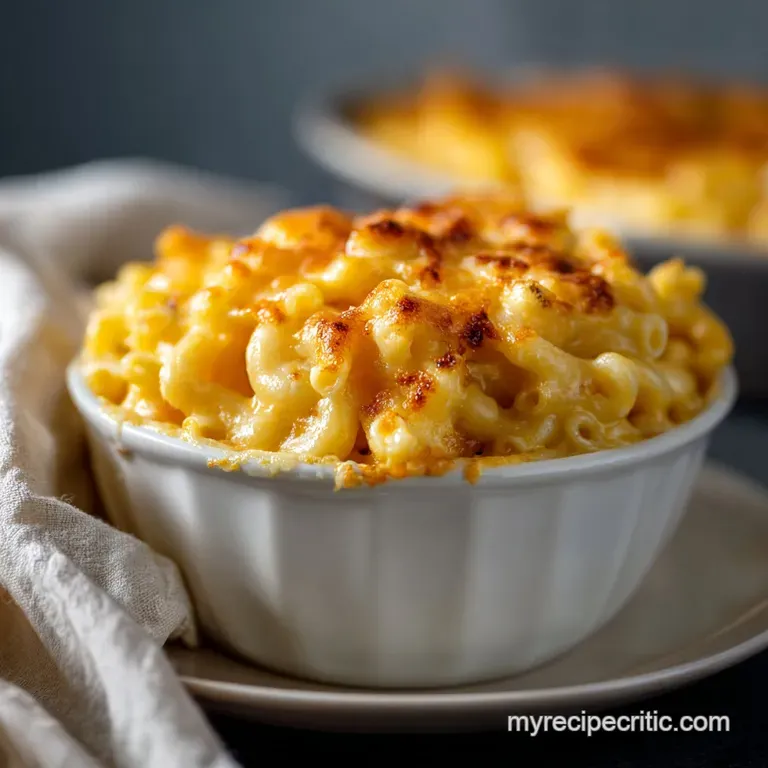
Even with the best intentions, things can go sideways. The most common issue people face is a "grainy" texture. This usually happens because the heat was too high when the cheese was added.
Cheese is an emulsion of fat, water, and protein; high heat causes the protein to tighten and squeeze out the fat, resulting in clumps.
Why Your Sauce Is Grainy
If your sauce feels like fine sand on your tongue, the proteins in the cheese have denatured. This is usually caused by boiling the sauce after the cheese has been added. Always remove the pot from the heat before stirring in your grated cheddar.
| Problem | Root Cause | Solution |
|---|---|---|
| Oily Separation | Heat was too high | Remove from heat and whisk in a splash of cold milk. |
| Dry Macaroni | Pasta overcooked | Boil 2 mins under al dente; the sauce needs somewhere to go. |
| Bland Sauce | Lack of acidity/salt | Increase dry mustard or add a tiny dash of hot sauce. |
Common Mistakes Checklist
- ✓ Never use pre shredded cheese; the cellulose coating prevents a smooth melt.
- ✓ Stop the pasta boil early; it will continue to soften while soaking up sauce in the oven.
- ✓ Pat the pasta dry if you rinse it, though for this recipe, I prefer skipping the rinse to keep some starch.
- ✓ Let the dish rest for 5-10 minutes after baking to allow the sauce to set.
- ✓ Use room temperature milk if possible to prevent the roux from clumping when you first pour it in.
Flavor Variations To Try
Once you've mastered the base, you can start playing with the profile. I often lean into a "Grown Up" version by adding a tablespoon of truffle oil at the very end or swapping the cheddar for a sharp white Vermont cheddar.
If you want something heartier, adding 150g of crispy chopped bacon or leftover rotisserie chicken transforms this from a side dish into a full blown meal. For those who love a bit of heat, diced jalapeños or a swirl of Sriracha into the cheese sauce before baking adds a nice kick that cuts through the heavy creaminess.
Scaling And Quantity Adjustments
If you're cooking for a smaller crowd, you can easily halve this recipe. Use a 20x20 cm baking dish and reduce the baking time by about 5-8 minutes. For a half batch, you'll still want to use the full amount of spices to ensure the flavor doesn't get lost.
Scaling up for a big party is also simple. You can double the ingredients and use two 9x13 pans. I don't recommend using one giant deeper pan, as the middle won't heat through before the edges burn. Keep the Panko topping consistent; you want that high crunch to pasta ratio!
When doubling, keep the salt at 1.5x the original amount and taste as you go; spices can become overwhelming when doubled strictly.
| Servings | Macaroni Amount | Pan Size | Bake Time |
|---|---|---|---|
| 4 People | 225g | 20x20 cm | 20 minutes |
| 8 People | 450g | 9x13 inch | 30 minutes |
| 16 People | 900g | Two 9x13 inch | 35 minutes |
Dissecting Kitchen Myths
A huge misconception is that you need to use the most expensive, aged cheddar you can find. In reality, extremely aged cheddars (like those aged 2+ years) don't melt well because they have very little moisture left. They tend to break into oil. Use a "sharp" cheddar, but make sure it’s still relatively pliable.
Another myth is that rinsing pasta is necessary to keep it from sticking. For a baked mac, you actually want that residual starch. It acts as a natural thickener and helps the cheese sauce bond to the surface of the noodle.
If you rinse it, the sauce might just slide right off, leaving you with a pool of liquid at the bottom of the dish.
Storage And Zero Waste Tips
This dish keeps beautifully in the fridge for up to 4 days. When reheating, don't just zap it in the microwave; it will turn oily. Instead, add a splash of milk to your bowl, cover it, and heat on medium power, stirring halfway through. This replenishes the moisture the pasta absorbed while sitting.
For a zero waste approach, save those cheese rinds! If you have the hard end of the Gruyère or Parmesan, toss it into the milk while it's simmering (just remember to fish it out before adding the pasta). It infuses the sauce with an incredible depth of flavor.
If you have leftovers that are looking a bit sad, you can roll them into balls, dip them in egg wash and breadcrumbs, and air fry them for 8 minutes to make mac and cheese bites.
Pairing Ideas For Serving
Since this is a very rich, heavy dish, I always serve it with something bright or acidic to balance the palate. A crisp green salad with a lemon vinaigrette is the perfect sidekick. The acidity of the lemon cuts right through the fats of the Gruyère and cheddar.
If you're doing a full comfort spread, this pairs perfectly with roasted broccoli or garlicky green beans. The char from the vegetables complements the smoky paprika in the sauce. For a real feast, serve it alongside a protein that has some sweetness or spice, like a honey glazed ham or BBQ pulled pork. The contrast between the sweet glaze and the salty, sharp cheese is honestly unbeatable. For a different comfort classic, you might even consider serving this alongside my Crockpot Chicken Spaghetti recipe, though that might be a "carb overload" for some!
High in Sodium
884 mg mg of sodium per serving (38% % of daily value)
The American Heart Association recommends limiting sodium intake to no more than 2,300mg per day.
Tips to Reduce Sodium in Your Mac & Cheese
-
Low-Sodium Cheese-20%
Substitute regular cheddar and Gruyère with low-sodium versions. This can significantly reduce the overall sodium content of the dish. For example, try a reduced sodium cheddar which has 75% less sodium.
-
Skip the Sea Salt-25%
Eliminate the 1 tbsp of sea salt added to the macaroni water. The cheeses and other ingredients already contribute sodium to the dish. You won't miss it!
-
Homemade Breadcrumbs-15%
Make your own breadcrumbs using day-old bread and herbs, rather than using store-bought panko. store-bought panko can contain a surprising amount of sodium.
-
Fresh Garlic-10%
Use freshly minced garlic instead of garlic powder. Fresh garlic adds a more intense flavor, allowing you to reduce reliance on salt for taste.
-
Flavor Boost
Experiment with fresh herbs and spices to enhance the flavor of your mac & cheese. Try adding a pinch of red pepper flakes or a bay leaf while cooking. Consider using chives or parsley at the end.
Recipe FAQs
What's the secret to perfect mac & cheese?
Use both evaporated milk and cold cream cheese. Evaporated milk stabilizes the protein structure, preventing the sauce from splitting under heat, while cold cream cheese ensures a glossy, non-grainy emulsion.
What ingredients are needed for mac and cheese?
Elbow macaroni, butter, flour, evaporated milk, whole milk, cream cheese, sharp cheddar, and Gruyère. These form the core sauce structure, the roux, and the essential dual cheese flavor profile.
How to make the best macaroni cheese?
Par boil the macaroni 2 minutes shy of al dente, then finish it in the oven. This two-stage cooking ensures the pasta absorbs the maximum amount of sauce without becoming mushy, leading to a perfect internal texture.
What is the best cheese to use for macaroni and cheese?
A blend of sharp cheddar for flavor and Gruyère for meltability. Avoid extremely aged cheddars, as their low moisture content causes the sauce to break; freshly grated is mandatory for smooth incorporation.
Is it true that I must use pre-shredded cheese to avoid graininess?
No, this is a common misconception. Pre-shredded cheese contains anti caking agents like cellulose, which actively prevent the cheese from melting smoothly into your sauce.
How do I stop my homemade mac and cheese sauce from becoming oily or grainy?
Remove the base from the heat entirely before adding cheese and stir gently. High heat causes the milk proteins to tighten and squeeze out the fat, but mastering temperature control here is similar to techniques needed for stable sauces in our creamy Chicken Alfredo recipe.
What is a good side dish to balance the richness of baked mac and cheese?
A crisp salad with a bright lemon vinaigrette offers the best contrast. The acidity cuts through the heavy fats of the cheese sauce, refreshing the palate between bites.
Best Baked Mac And Cheese
Ingredients:
Instructions:
Nutrition Facts:
| Calories | 692 kcal |
|---|---|
| Protein | 29.4 g |
| Fat | 38.1 g |
| Carbs | 58.6 g |
| Fiber | 2.4 g |
| Sugar | 7.2 g |
| Sodium | 884 mg |
