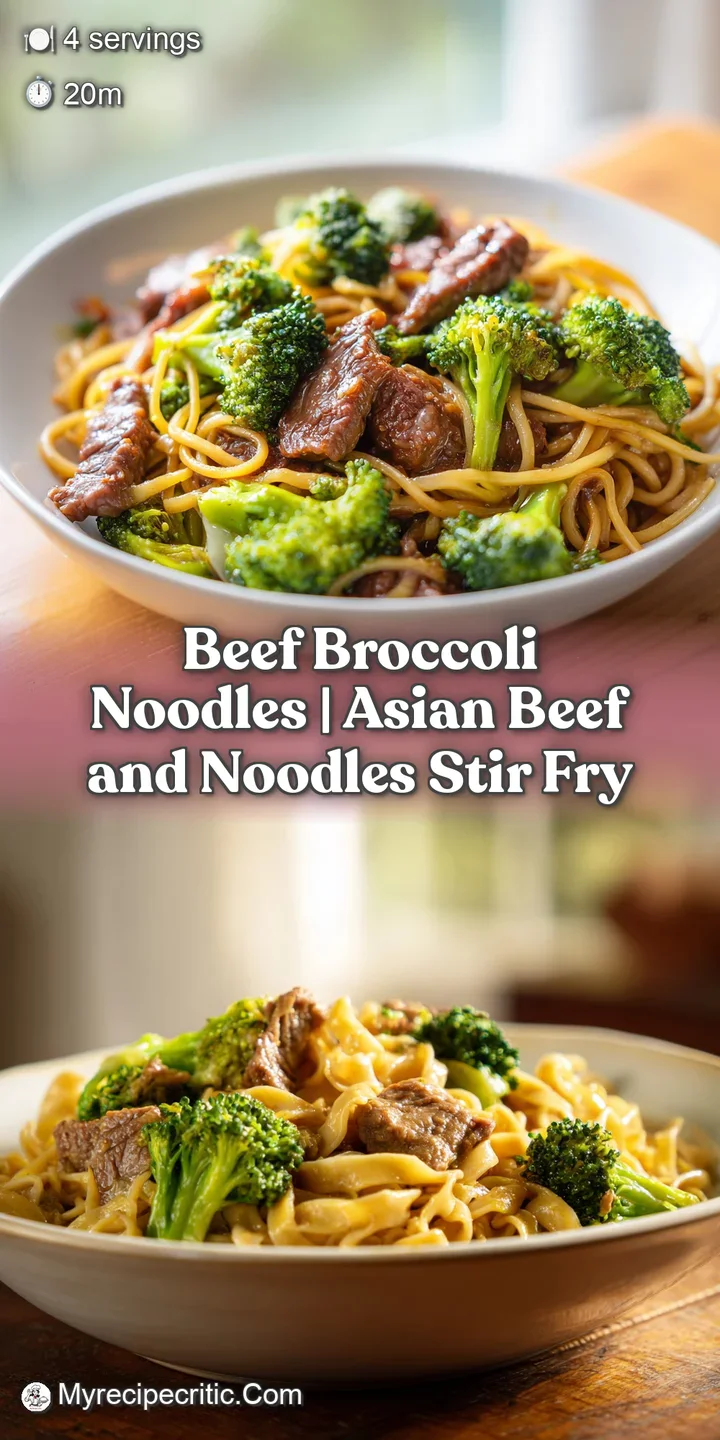
Beef Broccoli Noodles: Tender and Savory
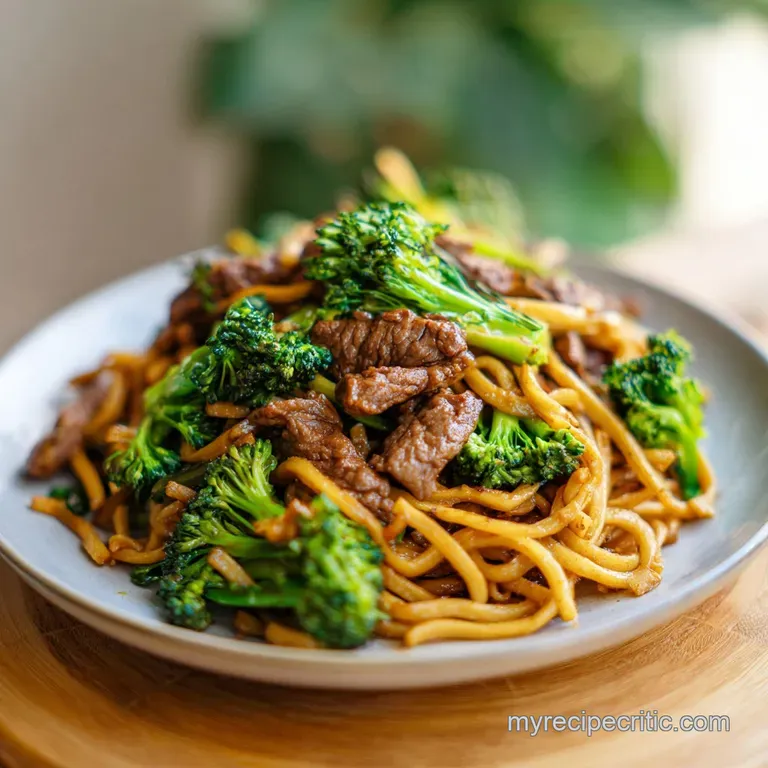
- Time: Active 10 minutes, Passive 10 minutes, Total 20 minutes
- Flavor/Texture Hook: Savory, garlic forward glaze with velvety beef and snappy broccoli
- Perfect for: Hectic weeknight dinners or anyone craving restaurant quality flavors without the delivery fee
- How High Heat and Velveting Perfect Beef Broccoli Noodles
- Speed and Precision Metrics for This One Pan Meal
- The Essential Pantry Staples for Rich Beef Broccoli Noodles
- Minimal Tools Required for This Restaurant Quality Stir Fry
- Step by Step Guide to Glazing Beef Broccoli Noodles
- Fixing Common Texture and Flavor Issues in Your Noodles
- Ingredient Swaps and Flavor Variations for Beef Broccoli Noodles
- Storing and Reheating Tips for Beef Broccoli Noodles Leftovers
- Sides and Toppings That Enhance Your Beef Broccoli Noodles
- CRITICAL Sodium Alert!
- Recipe FAQs
- 📝 Recipe Card
How High Heat and Velveting Perfect Beef Broccoli Noodles
The first time I tried making a stir fry at home, it was a disaster. The beef was grey and tough, the broccoli was mushy, and the sauce just pooled at the bottom of the bowl like a salty lake. I realized then that home stoves just don't have the fire breathing power of a commercial wok.
But you don't need a professional kitchen to get that specific, silky texture. It all comes down to a few clever shortcuts that work with the heat you actually have.
Imagine the sound of cold flank steak hitting a shimmering layer of avocado oil. That immediate, sharp hiss tells you the exterior is searing, trapping the moisture inside before the meat has a chance to steam.
When you toss those browned strips back into a bubbling mixture of soy, ginger, and honey, the sauce clings to the cornstarch coating on the beef. It’s a sensory overload of toasted sesame and sharp garlic that makes the kitchen smell like the best noodle shop in town.
The real magic happens in the 10 minute rest period for the meat. By letting the beef sit with a bit of baking soda and starch, you’re essentially pre treating the fibers so they can’t toughen up under high heat. This creates that "velvet" mouthfeel that makes this dish so addictive.
We aren't just making dinner here; we're building layers of texture, from the chew of the lo mein to the snap of the broccoli florets.
Protein Tenderization: The baking soda raises the pH on the surface of the meat, making it harder for the proteins to bond tightly and turn tough.
Starch Barrier: Cornstarch creates a thin, protective film that browns quickly and helps the sauce emulsify into a thick glaze.
Flash Blanching: Adding broccoli to the boiling noodle water for the final 60 seconds preserves the vibrant green color and crisp tender bite.
Emulsion Power: Whisking honey and oyster sauce together provides the sugars and viscosity needed to bind the bone broth to the noodles.
| Method | Cook Time | Beef Texture | Cleanup Level |
|---|---|---|---|
| Fast (This Recipe) | 20 minutes | Silky and tender | Minimal (One pot, one pan) |
| Classic Traditional | 45 minutes | Chewy and firm | High (Multiple bowls and pans) |
| Slow Cooker Style | 4 hours | Shredded and soft | Very Low (Set and forget) |
If you find yourself needing a version that leans more into the slow cooking side of things, you might want to look at my Slow Cooker Beef and Broccoli for those days when you won't be home to stand over a skillet.
Speed and Precision Metrics for This One Pan Meal
When you're working with over high heat cooking, timing is everything. Because the actual frying takes less than ten minutes, you can't be chopping garlic while the beef is already in the pan. I've learned the hard way that a burnt clove of garlic will ruin the entire batch, turning the sauce bitter and acrid.
Everything must be prepped and sitting in little bowls before the flame even touches the oil.
Think of this as a choreographed dance. The noodles and broccoli are draining in the sink, the beef is tenderizing on the counter, and the sauce is whisked into a dark, fragrant slurry. This precision ensures that the beef stays juicy and the noodles don't turn into a gummy mess.
If you follow these exact timing windows, you'll end up with a plate of Beef Broccoli Noodles that looks like it came out of a professional kitchen.
| Component | Science Role | Pro Secret |
|---|---|---|
| 1 lb Flank Steak | Lean protein source | Always slice against the grain to shorten the muscle fibers for maximum tenderness. |
| 1 tsp Baking Soda | Alkaline tenderizer | Don't skip the 10 minute rest; it needs time to interact with the meat proteins. |
| 1 tbsp Honey | Sweetener & thickener | The sugars caramelize instantly on the hot pan, creating that mirror like shine on the noodles. |
| 5 Cloves Garlic | Aromatic base | Mince it fresh; the pre chopped stuff in jars lacks the sharp punch needed to balance the soy. |
Using beef bone broth instead of plain water or standard stock adds a depth of flavor that usually takes hours to develop. It provides a rich, savory backbone that ties the saltiness of the oyster sauce to the brightness of the rice vinegar.
It's these small choices the right fat, the right acid, the right starch that elevate the dish from a simple stir fry to a masterpiece.
The Essential Pantry Staples for Rich Beef Broccoli Noodles
Choosing the right ingredients is the difference between a flat, salty dish and one that has "umami" written all over it. I always reach for low sodium soy sauce because it gives us control. You can always add a pinch of salt later, but you can't take it out if the sauce reduces too much.
Flank steak is my go to for this because it’s lean enough to sear beautifully but has enough grain to hold onto that tenderizing marinade.
- 1 lb flank steak: Sliced thinly. Why this? It has a bold beefy flavor and perfectly absorbs the velveting mixture.
- 1 tsp baking soda: The secret weapon. Why this? It's the only way to get that specific restaurant style soft beef texture.
- 1 tbsp cornstarch: For the coating. Why this? It creates the "velvet" finish and thickens the sauce instantly.
- 1/3 cup plus 1 tbsp low sodium soy sauce: The salty base. Why this? Low sodium prevents the final reduction from becoming a salt bomb.
- 1 tsp toasted sesame oil: For aroma. Why this? Adds a deep, nutty scent that is synonymous with great Asian cooking.
- 2 tbsp oyster sauce: The umami king. Why this? It provides thickness and a complex, savory sweetness you can't replicate.
- 1 tbsp rice vinegar: The necessary acid. Why this? Cuts through the richness of the beef and honey.
- 1 tsp fresh ginger: Grated finely. Why this? Provides a spicy, citrusy heat that wakes up the entire palate.
- 1 tbsp honey: For balance. Why this? It mellows the vinegar and helps the sauce stick to the noodles.
- 1/4 cup beef bone broth: Liquid gold. Why this? Adds more body and collagen than standard beef stock.
- 8 oz fresh lo mein noodles: The chewy foundation. Why this? Fresh noodles have a better "bite" than dried spaghetti.
- 3 cups broccoli florets: The fresh crunch. Why this? It balances the heavy protein and absorbs the sauce in its nooks.
- 5 cloves garlic: Minced well. Why this? Garlic is the aromatic heart of the stir fry; don't be shy with it.
- 2 tbsp avocado oil: High smoke point. Why this? You need a neutral oil that won't burn at the high temps required for searing.
- 0.5 tsp red pepper flakes: The subtle kick. Why this? Adds a tiny prickle of heat without overwhelming the other flavors.
| Original Ingredient | Substitute | Why It Works |
|---|---|---|
| Flank Steak | Boneless Chicken Thighs | Similar fat content. Note: Will need slightly longer sear time than beef. |
| Fresh Lo Mein | Dried Linguine | Similar shape and surface area for sauce to cling to. |
| Oyster Sauce | Vegetarian Mushroom Sauce | Provides the same dark color and savory depth without the shellfish. |
One thing I've learned is that the type of oil matters immensely. If you try to use extra virgin olive oil here, the pan will start smoking and the oil will turn bitter before the beef even hits the surface. Stick to avocado or peanut oil for that clean, over high heat finish.
Minimal Tools Required for This Restaurant Quality Stir Fry
You don't need a thousand gadgets to make this happen. In fact, a crowded counter usually leads to mistakes. I prefer using a large, heavy bottomed stainless steel skillet or a traditional carbon steel wok. The goal is heat retention.
If the pan temperature drops when you add the meat, you'll end up with grey, boiled beef instead of a dark, crispy sear.
Chef's Tip: If you don't have a wok, use the largest flat bottomed skillet you own. It provides more surface area for the beef to spread out, which prevents the meat from overcrowding and "steaming" in its own juices.
A microplane is also your best friend here. It makes quick work of the ginger and garlic, turning them into a paste that dissolves seamlessly into the sauce. This ensures you get flavor in every bite without biting into a huge chunk of raw ginger.
For the noodles, a simple pair of kitchen tongs is better than a spoon; they allow you to lift and toss the noodles vigorously, ensuring every strand is coated in that glossy glaze.
step-by-step Guide to Glazing Beef Broccoli Noodles
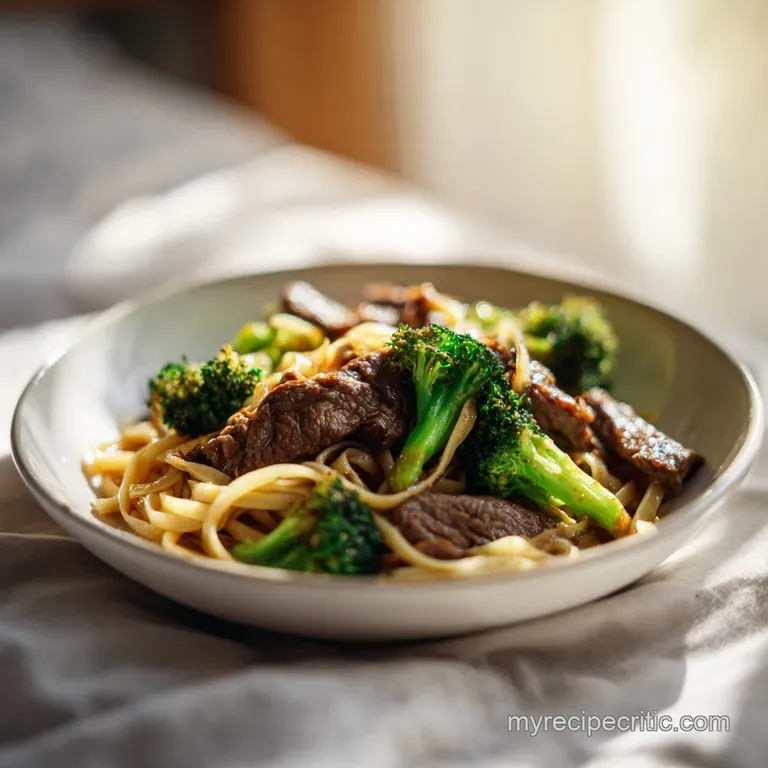
1. The Prep and Velvet Phase
Start by bringing a large pot of water to a heavy boil for your noodles. While that's heating up, take your sliced flank steak and toss it in a medium bowl with the baking soda, cornstarch, 1 tablespoon of the soy sauce, and the sesame oil.
Note: This 10 minute rest is non negotiable; it’s where the chemistry happens that makes the beef so tender.
2. The Flash Blanch
In a separate small bowl, whisk together the remaining 1/3 cup soy sauce, oyster sauce, rice vinegar, ginger, honey, and bone broth. When the water boils, drop in your lo mein noodles. Cook until they are almost done, adding the 3 cups of broccoli florets into the same pot for the final 60 seconds.
Drain them well and let them sit; the residual heat will finish the cooking.
3. The over High heat Sear
Wipe out your large skillet and heat 1 tablespoon of avocado oil over high heat. You want the oil to be shimmering. Add the beef strips in batches. Sear 2 minutes per side until deeply browned. Don't move them too much! You want a crust.
Once they are just cooked through, pull them out of the pan.
4. The Aromatic Infusion
Lower the heat to medium high and add the remaining 1 tablespoon of oil. Throw in the minced garlic and the red pepper flakes. Sauté for 30 seconds until the aroma fills the room, but be careful the garlic should stay pale gold, not brown.
5. The Final Emulsion
Return the beef, noodles, and broccoli to the pan. Pour that beautiful sauce over everything. Toss continuously for 1-2 minutes until the sauce bubbles and thickens. You’ll see it change from a liquid into a velvety glaze that clings to the noodles.
Remove from heat immediately to prevent the beef from overcooking.
| Servings | Beef Quantity | Noodle Amount | Pan Size Needed |
|---|---|---|---|
| 2 People | 0.5 lb | 4 oz | 10 inch Skillet |
| 4 People | 1 lb | 8 oz | 12 inch Skillet/Wok |
| 8 People | 2 lbs | 16 oz | Cook in 2 separate batches |
If you happen to have a bunch of extra greens in the fridge that you need to use up, you can easily throw them into the boiling water with the broccoli. For more ideas on using up those stray veggies, my Broccoli Cheese Soup recipe is a fantastic way to clear out the crisper drawer without any waste.
Fixing Common Texture and Flavor Issues in Your Noodles
Beef Turned Chewy
If your beef feels like rubber, it’s usually because of one of two things: you sliced it with the grain instead of against it, or you skipped the baking soda rest. Slicing against the grain cuts through the long muscle fibers, making them easy to chew.
If you find the beef is tough even after slicing correctly, try increasing the "velveting" time to 20 minutes next time.
Sauce Too Thin
A watery sauce usually means the pan wasn't hot enough when the liquid was added, or the cornstarch didn't have enough time to activate. The sauce needs to reach a simmer to thicken.
If it's still too thin after 2 minutes of tossing, whisk 1 teaspoon of cornstarch with 1 teaspoon of cold water and pour it into the bubbling sauce. It will tighten up almost instantly.
Bitter Garlic Fix
Garlic burns in the blink of an eye. If yours turned dark brown or black during the 30 second sauté, there’s no saving it you have to wipe the pan and start that step over.
To prevent this, make sure your garlic is minced into uniform pieces and have your sauce bowl ready to pour in immediately to drop the temperature of the pan.
| Problem | Root Cause | Solution |
|---|---|---|
| Gummy Noodles | Overcooked in water | Boil for 1-2 mins less than the package says; they finish in the skillet. |
| Soggy Broccoli | Blanched for too long | Keep the blanching time to exactly 60 seconds before draining. |
| Too Much Liquid | Pan was overcrowded | Cook beef in smaller batches to ensure moisture evaporates rather than pooling. |
Common Mistakes Checklist
- ✓ Pat the beef dry before adding the starch mixture; excess moisture prevents a good sear.
- ✓ Ensure the skillet is smoking hot before the first batch of beef hits the oil.
- ✓ Use fresh ginger rather than dried powder; the powder won't provide the same aromatic lift.
- ✓ Don't forget to drain the noodles thoroughly; extra water will dilute your beautiful sauce.
- ✓ Keep the tossing constant in the final stage to emulsify the fat and water in the sauce.
Ingredient Swaps and Flavor Variations for Beef Broccoli Noodles
Stir fries are the ultimate "clean out the fridge" meal. While the classic flank steak and broccoli combo is hard to beat, the technique works with almost anything. If you want to lean into a more traditional vibe, you might enjoy my Speedy Beef Broccoli Stir Fry which focuses on the vegetable to meat ratio.
Adding Extra Heat
If the 0.5 tsp of red pepper flakes isn't doing it for you, try adding a tablespoon of Sriracha or Sambal Oelek to the sauce mixture. Alternatively, you can finish the dish with a drizzle of chili crunch oil.
The fat in the oil carries the heat across your palate, making it feel more intense without masking the ginger and garlic.
Ground Beef Swap
Using ground beef is a fantastic budget friendly shortcut. You won't get the "velvet" texture, but you'll get more crispy, browned edges. Skip the baking soda and cornstarch on the meat. Just brown the ground beef until crispy, drain the excess fat, and proceed with the aromatics and sauce as written.
It’s a completely different texture but equally satisfying.
Vegan Alternative Swap
To make this vegan, swap the beef for extra firm tofu that has been pressed and cubed. Toss the tofu in cornstarch and sear until crispy on all sides. Replace the oyster sauce with a vegetarian stir fry sauce (usually made from mushrooms) and use vegetable broth instead of beef bone broth.
The broccoli and noodles remain the star of the show!
- Scaling Down
- If you're cooking for one, halving the recipe is easy. Use a smaller 8 inch skillet to ensure the sauce doesn't evaporate too quickly.
- Scaling Up
- If you're doubling the recipe for a crowd, do not double the sauce liquid all at once. Start with 1.5x the liquid and see if you need more. Most importantly, cook the beef in four batches instead of two. Overcrowding a double batch will result in grey, soggy meat.
- Baking version
- If you try to double this and put it in a casserole dish (not recommended, but people try!), you'll lose all the texture. Stir fries need the direct contact of the pan.
Storing and Reheating Tips for Beef Broccoli Noodles Leftovers
Beef Broccoli Noodles are one of the few pasta dishes that actually hold up well the next day. The starch in the noodles and the gelatin in the bone broth help the sauce stay "set" rather than separating. Store your leftovers in an airtight container in the fridge for up to 3 days.
When reheating, avoid the microwave if you can. It tends to make the beef rubbery and the broccoli limp. Instead, throw the leftovers back into a hot skillet with a splash of water or extra beef broth. Toss it for 2-3 minutes until the sauce loosens up and everything is steaming.
This restores that glossy finish that makes the dish so appealing.
For freezing, this dish stays good for about 2 months. I recommend freezing it in individual portions. Just be aware that the broccoli will lose its "snap" after being frozen and thawed, turning a bit softer. It’s a small price to pay for having a restaurant quality meal ready to go in minutes.
Zero Waste Tip: Don't throw away those thick broccoli stems! Peel off the woody outer skin with a vegetable peeler, slice the tender core into matchsticks, and toss them in with the florets. They have a wonderful sweetness and a crunch that adds another layer of texture to your Beef Broccoli Noodles.
Sides and Toppings That Enhance Your Beef Broccoli Noodles
While this is a complete meal on its own, a few simple additions can really make it pop. I love topping the final dish with a handful of toasted sesame seeds or some thinly sliced green onions. The green onions add a fresh, sharp bite that cuts through the rich, savory sauce.
If you want a bit of crunch, crushed roasted peanuts or cashews add a nutty element that complements the sesame oil perfectly.
For a more substantial spread, you could serve this alongside some simple smashed cucumber salad with rice vinegar and chili oil. The cold, crisp cucumbers provide a refreshing contrast to the hot, savory noodles.
- Searing meat does not "seal in juices": The idea that a crust traps moisture is a myth. Moisture is actually lost during the searing process. However, we sear the beef to create complex flavor compounds that make the dish taste "meaty" and rich.
- Fresh noodles don't need a long boil: Unlike dried pasta, fresh lo mein only needs 2-3 minutes. If you boil them like dry spaghetti, they will turn into mush the moment they hit the stir fry sauce.
- You don't need a 100,000 BTU burner: While "wok hei" (the breath of the wok) is amazing, you can achieve incredible results by simply not overcrowding your pan and keeping the heat as high as your stove allows.
By focusing on these small details the velveting, the flash blanching, and the over high heat searing you can create a version of Beef Broccoli Noodles that is consistently better than anything you can order out.
It’s about understanding how the ingredients react to heat and using those 20 minutes to build something truly special. Next time you're standing in front of the fridge wondering what's for dinner, skip the app and grab the flank steak. You’ve got this!
CRITICAL Sodium Alert!
1185 mg 1185 mg of sodium (52% 52% of daily value)
To help reduce your risk of heart disease and stroke, aim for a sodium limit of no more than 2,300 mg per day.
Tips to Slash Sodium in Your Recipe
-
Swap Soy Sauce-30%
Replace the 1/3 cup plus 1 tbsp low-sodium soy sauce with an equal amount of coconut aminos. This is the biggest sodium contributor.
-
Choose Low-Sodium Broth-30%
Use no-salt added beef bone broth instead of regular beef bone broth. Check the label carefully for 'no salt added' or 'very low sodium'.
-
Rethink Oyster Sauce-20%
Substitute the 2 tbsp oyster sauce with a low-sodium version or a homemade sauce using mushroom powder for umami, and a touch of fish sauce (if desired for flavor).
-
Boost Aromatics
Increase the amount of fresh ginger and garlic. These aromatics provide great flavor depth that can compensate for reduced sodium.
-
Enhance Spice
Add more red pepper flakes or a pinch of cayenne pepper for a spicier kick. Heat can enhance the perception of flavor.
Recipe FAQs
How to tenderize the flank steak?
Toss the sliced beef with baking soda, cornstarch, 1 tablespoon of soy sauce, and sesame oil. Letting this mixture sit for 10 minutes before cooking breaks down the muscle fibers for a velvety texture.
Is it true I should cook the broccoli separately from the noodles?
No, this is a common misconception. You can save time by adding the broccoli florets directly into the boiling noodle water during the final 60 seconds of cooking.
How to reheat leftovers without ruining the texture?
Use a hot skillet instead of the microwave. Tossing the leftovers in a pan with a splash of water or beef bone broth for 2-3 minutes preserves the beef's tenderness and keeps the broccoli crisp. If you enjoyed mastering this high heat wok technique, you can apply the same quick cooking principles to our silky noodles recipe.
How to get a glossy, thick sauce?
Toss the mixture continuously in the pan for 1-2 minutes after adding the sauce. The combination of cornstarch in the beef coating and the reduction of the oyster sauce and broth ensures the glaze adheres perfectly to the noodles.
Can I use a different cut of beef if I do not have flank steak?
Yes, skirt steak or sirloin are excellent alternatives. Regardless of the cut, ensure you slice the meat against the grain to keep it tender after searing.
How to prevent the garlic from burning?
Sauté the minced garlic for only 30 seconds over high heat. Keep the garlic moving constantly in the avocado oil and add the beef, noodles, and broccoli immediately once it becomes fragrant to stop the cooking process.
How to store leftovers effectively?
Place the food in an airtight container and store in the refrigerator. It will stay fresh for up to 3 days, and the starch in the noodles will actually help the sauce maintain its consistency.
Beef Broccoli Noodles
Ingredients:
Instructions:
Nutrition Facts:
| Calories | 542 kcal |
|---|---|
| Protein | 32.6 g |
| Fat | 21.4 g |
| Carbs | 53.8 g |
| Fiber | 4.2 g |
| Sugar | 8.1 g |
| Sodium | 1185 mg |
