Tacos De Lengua: Authentic Slow-Braised Recipe
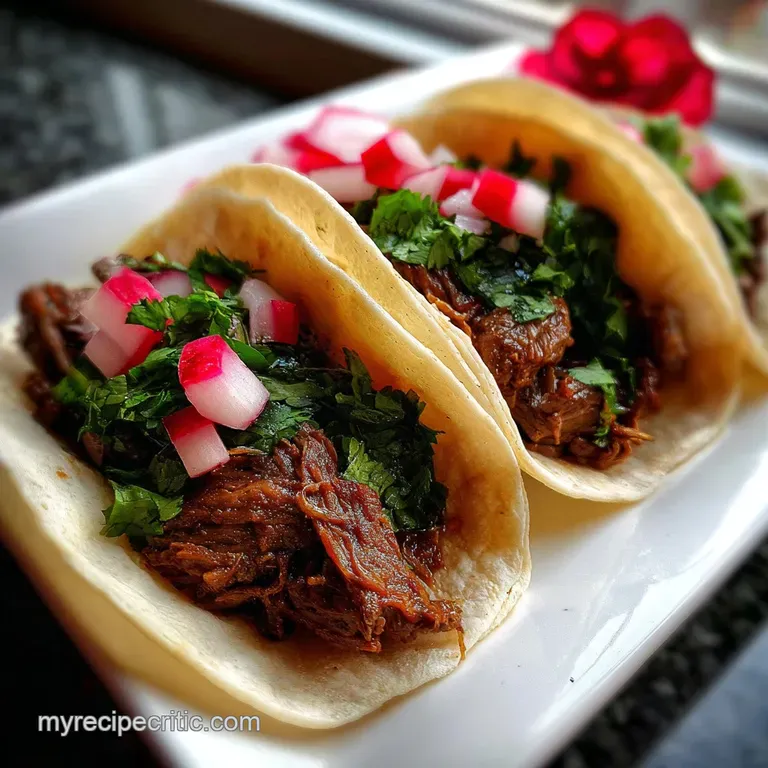
- The Ultimate Guide to Authentic Tacos de Lengua (Beef Tongue Tacos)
- Mastering the Texture: Why Slow Braising is Essential
- Essential Ingredients for the Best Tacos de Lengua
- Step-by-Step: Preparing and Cooking Tacos de Lengua
- Troubleshooting and Expert Tips for Perfect Lengua
- Storing and Reheating Leftover Lengua Filling
- Traditional Serving Suggestions and Pairings
- Recipe FAQs
- 📝 Recipe Card
The Ultimate Guide to Authentic Tacos de Lengua (Beef Tongue Tacos)
Have you ever walked into a serious Mexican kitchen and smelled that deeply savory, almost nutty aroma hanging in the air? That’s not just a beautiful smell; that’s the smell of slow, patient cooking, often the promise of incredible Tacos de Lengua .
Look, I know what you’re thinking: beef tongue sounds intense. It sounds like a secret menu item reserved only for fearless food adventurers. But here’s the secret I’ve learned after years of chasing the perfect taco: Tacos de Lengua are shockingly simple to make at home, and the results are absolutely worth the commitment.
Forget dry, stringy fillings; this meat is luxurious, velvety, and melts in your mouth like high-quality pot roast.
This recipe strips away the fuss and gives you exactly what you need to achieve that sublime, fork tender texture. Get ready to cook one of the most celebrated and delicious street tacos out there. This is how you make real, traditional Tacos de Lengua de Res .
Mastering the Texture: Why Slow Braising is Essential
Why This Works: Breaking Down Collagen
When you make excellent Tacos de Lengua , you are essentially a food scientist focused on one thing: collagen conversion .
Beef tongue is a hardworking muscle, packed with connective tissue and collagen. If you cook it fast or aggressively, that collagen tightens up, leaving you with meat that’s tough and rubbery (ever had a bad roast? That’s why!).
But when you braise it low and slow —we’re talking a gentle simmer, not a rolling boil you give the collagen four hours to slowly break down and dissolve into gelatin.
This dissolved gelatin is what gives the finished meat that incredible, rich mouthfeel. It coats every strand, transforming the tough muscle fibers into the soft, almost buttery texture that defines great Beef Tongue Tacos Recipe .
The gentle heat, combined with the aromatics, deeply seasons the meat from the inside out.
Essential Ingredients for the Best Tacos de Lengua
The key here is quality meat and fresh, simple aromatics. Don't cheap out on the finishing fat lard (manteca) makes a huge difference in the final crisp.
| Ingredient | Role in the Recipe | Swap/Substitute (If you can’t find it!) |
|---|---|---|
| Beef Tongue | The star. Rich, gelatinous texture. | Beef Cheek (Cachete) for similar texture, or Shoulder Clod (must be cubed and braised longer). |
| White Onion & Garlic | Aromatic base for the braising liquid. | Yellow onion works fine, though white is preferred for the final taco topping. |
| Lard (Manteca) | Essential for searing/crisping the diced meat. Adds traditional depth. | Unsalted Butter or over high heat oil like Avocado or Canola. |
| Bay Leaves & Peppercorns | Provides classic savory depth during the braise. | Substitute bay leaves with 1/2 tsp dried oregano and 1 tsp thyme if needed. |
| Corn Tortillas | Traditional vessel. | While you can use flour, the texture and flavor of the finished de Lengua truly shine in a warmed corn tortilla. |
Selecting and Preparing the Beef Tongue
When you buy the tongue (sometimes labeled "Lengua De Vaca"), it will look large and intimidating. Give it a good rinse. If you are nervous about texture, know that for another fantastic, fall apart tender recipe that relies on slow cooking, you can always check out my instructions for Shredded Beef Tacos FallApart Tender Slow Cooker Recipe .
For this cut, however, we are committed to the braise! Trim off any large chunks of hard fat or glands at the very base we want to remove those before cooking.
step-by-step: Preparing and Cooking Tacos de Lengua
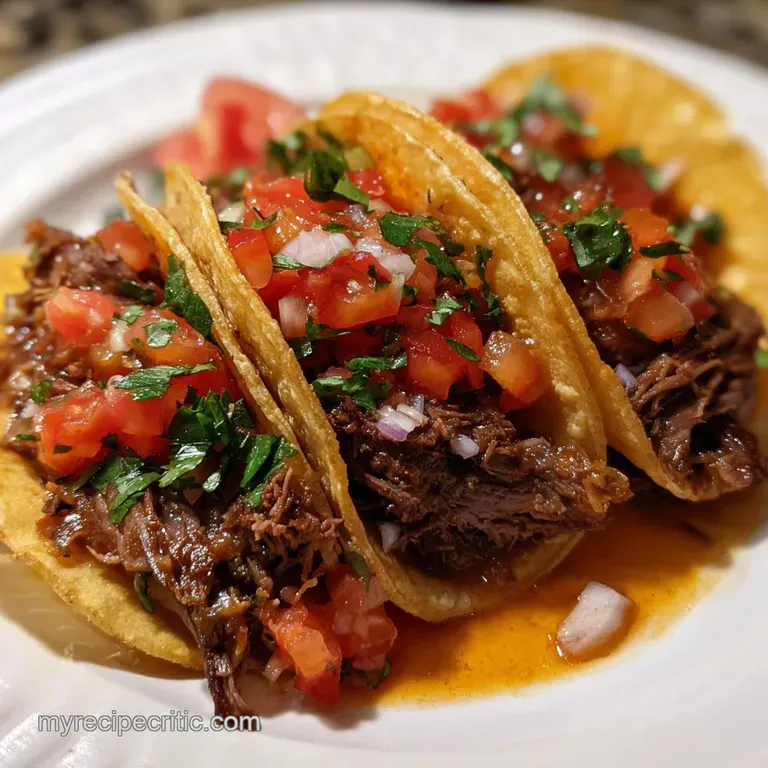
This is a two-stage process: the long, slow braise, followed by the crucial peeling and final sear.
Stage 1: The Braising Bath
- Start the Simmer: Place the cleaned beef tongue into your largest stockpot or Dutch oven. Add the quartered onion, peeled garlic, bay leaves, salt, and peppercorns.
- Cover & Commit: Pour cold water or beef broth over everything until the tongue is submerged by at least an inch (about 2.5 cm).
- The Gentle Heat: Bring the liquid to a rolling boil over high heat, then immediately reduce the heat way down. You are looking for the gentlest possible simmer just a bubble or two breaking the surface every few seconds. Cover the pot.
- Wait It Out: Let the tongue cook for 3.5 to 4 hours. You’ll know it’s ready when you can easily slide a fork in and out of the thickest part of the meat without resistance. The smell filling your kitchen right now is the deep, earthy promise of perfect Gourmet Tacos de Lengua .
Stage 2: Peeling and Dicing (The Moment of Truth)
- Remove and Rest (Briefly): Carefully lift the tongue out of the pot and place it on a cutting board. RESERVE THE BRAISING LIQUID. Allow it to cool for only 5– 10 minutes. Pro Tip: If you let it cool too long, the skin fuses to the meat.
- Peel: Using a sharp paring knife to get a starting edge and holding the tongue with tongs, peel off the thick, grey, tough outer skin. It should come off easily, almost like a glove. Slice away and discard the skin and the tougher glandular bits at the base.
- Dice: Once peeled, dice the tender, beautiful meat into small, uniform cubes (about 1/4 inch). We dice, we do not shred! Dicing preserves the signature bite and the rich, velvety texture of the Tacos de Lengua .
Stage 3: The Sizzle and Assembly
- Heat the Fat: Heat the lard (or oil) in a large skillet over medium high heat until it shimmers. This sizzle is crucial for flavor!
- Sear the Lengua: Add the diced de Lengua to the hot fat. Cook, stirring occasionally, until the edges of the meat are slightly caramelized and crispy this takes about 5– 7 minutes.
- Moisten: Ladle 1/2 cup of the reserved braising liquid over the diced meat. Let the liquid bubble, absorb, and evaporate. This is your final seasoning step, ensuring the filling is succulent and perfectly moist.
- Assemble: Warm your corn tortillas on a comal. Fill each one generously with the seasoned filling. Top immediately with minced white onion, cilantro, and a fierce salsa verde. You just made legendary Tacos de Lengua .
Troubleshooting and Expert Tips for Perfect Lengua
The great news about this cut is that it's very forgiving, but a few small errors can ruin the final texture. Here are the most common mistakes I made when learning to perfect my Authentic Tacos de Lengua .
| The Problem/Mistake | The Fix/Why It Happens |
|---|---|
| The meat is tough/chewy. | You rushed the braise or the simmer was too aggressive. The collagen didn't convert to gelatin. Next time, turn the heat lower it should barely bubble. |
| The skin won't peel off cleanly. | You let the tongue cool too much. It must be hot enough to handle with tongs, not just warm. If it’s cool, the membrane welds itself to the meat. |
| The filling is mushy or mealy. | You shredded the meat instead of dicing it, or you over braised it. Tacos de Lengua relies on small, defined cubes for its structure. |
Storing and Reheating Leftover Lengua Filling
If you’re making a big batch of Tacos de Lengua Instant Pot (or stovetop), odds are you’ll have leftovers. Here is how to keep that gorgeous texture intact.
How Long Does Cooked Lengua Last? (Safety Guidelines)
Store the cooked, diced lengua in an airtight container in the refrigerator for up to 3 4 days.
Best Methods for Freezing Beef Tongue Meat
Yes, you can freeze it! Allow the meat to cool completely, then transfer it to a heavy duty freezer bag or container. Pour 1/4 cup of the reserved braising liquid over the meat before sealing. This moisture will protect the meat from freezer burn. It keeps well for 3 months.
Thaw overnight in the fridge.
Reheating Lengua Without Drying It Out
Never reheat this filling in the microwave if you can avoid it it zaps the moisture right out!
The best way to reheat diced de Lengua is back in a skillet over medium heat. Add 1 tablespoon of lard or oil, and once the meat is hot, toss in a splash (1 2 tablespoons) of the reserved braising liquid or beef stock.
The added moisture prevents the crispy edges from turning dry and revives that delicious richness.
Traditional Serving Suggestions and Pairings
This filling is so rich and savory, you need brightness to balance it out.
Traditional Toppings
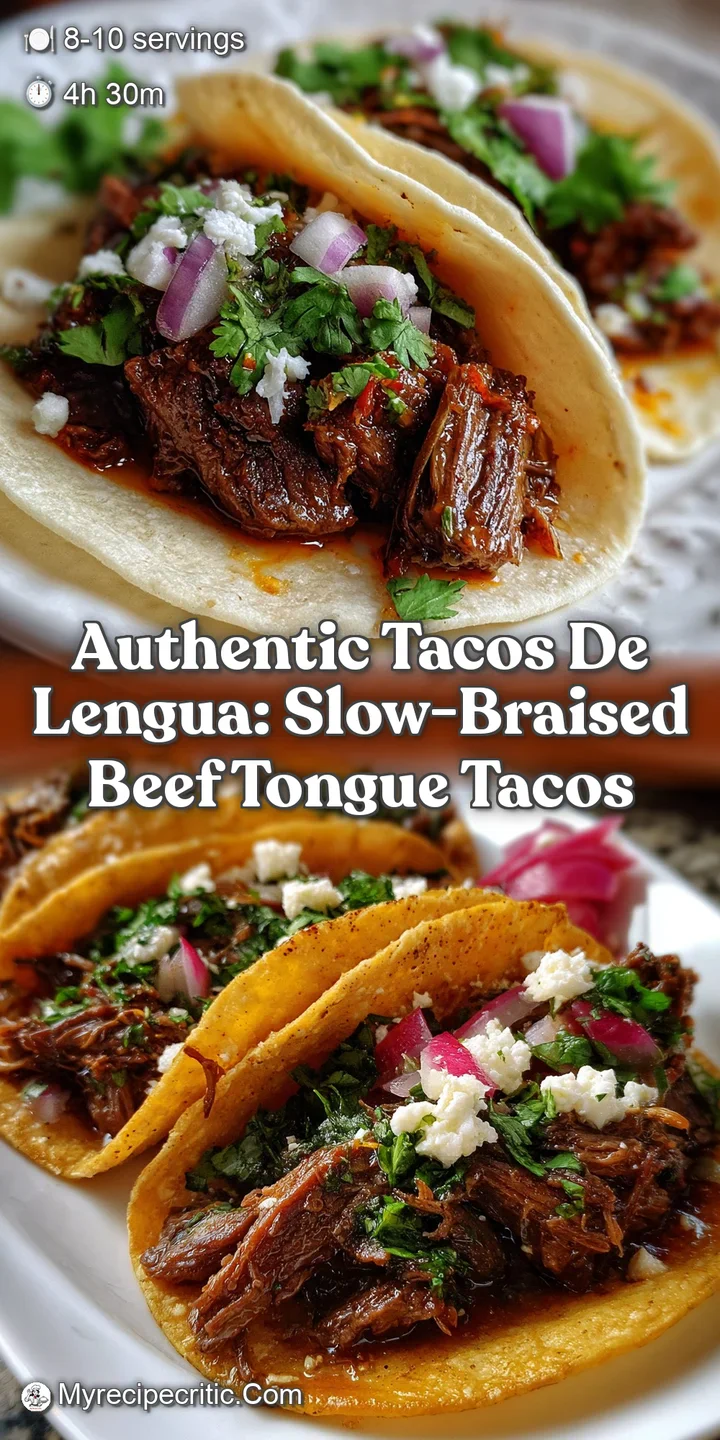
Keep it simple. You only need three things to honor the complexity of the Tacos de Lengua filling:
- Cilantro: Freshly chopped, lots of it.
- White Onion: Finely minced, giving a sharp crunch.
- Lime: A generous squeeze wakes up all the flavors.
Pairing this with a vibrant, acidic salsa like a chunky Tomatillo Salsa Verde is non-negotiable. If you’re building an entire taco spread, maybe you want some easy breakfast options? My Breakfast Tacos Ultimate Chorizo and Potato Recipe with Crema are killer alongside these savory bites.
Honestly, once you master this Tacos de Lengua recipe and serve these incredible, tender tacos, you’ll realize you unlocked a new level of home cooking. Trust the process, respect the simmer, and enjoy the most satisfying, deeply flavorful taco filling there is.
Recipe FAQs
What does beef tongue (Lengua) taste like?
Lengua has a rich, deeply savory, beefy flavor, similar to slow cooked pot roast, but more intense. When prepared correctly via slow braising, its flavor profile is mild and readily absorbs the aromatic spices used in the broth.
Why is slow braising necessary for Tacos de Lengua?
Beef tongue is a tough muscle that requires long, slow cooking to fully break down the connective tissues and fat, making it tender. Slow braising ensures the meat becomes perfectly fork tender and moist, achieving the signature melt-in-your mouth texture crucial for this dish.
Do I need to peel the beef tongue before or after cooking?
It is essential to peel the thick outer membrane layer after the tongue has been fully braised and is still warm. This tough membrane easily peels away once the meat is cooked and tender, revealing the clean, edible meat underneath.
How do I achieve the lightly crisp texture often associated with these tacos?
After braising and dicing the meat, pan-fry the pieces briefly in a hot skillet with a small amount of oil or lard until the edges are slightly browned and caramelized. This final step adds a wonderful textural contrast to the otherwise succulent meat.
What are the traditional toppings for Tacos de Lengua?
Traditionally, Lengua tacos are served very simply to allow the rich meat flavor to dominate. The standard toppings include finely diced white onion, fresh cilantro, a squeeze of lime juice, and a vibrant salsa, such as salsa verde or a mild salsa roja.
Can I use a pressure cooker instead of traditional slow braising?
Yes, a pressure cooker significantly reduces the cooking time while achieving similarly tender results. Depending on the size of the tongue, the required cooking time is typically reduced to 60 90 minutes under high pressure.
How should I store leftover Tacos de Lengua filling?
Store the diced, cooked meat in an airtight container in the refrigerator for 3 to 4 days. For optimal freshness and moisture retention, we recommend storing the meat submerged in a little bit of the reserved, strained braising liquid.
Authentic Tacos De Lengua Recipe
Ingredients:
Instructions:
Nutrition Facts:
| Calories | 400 |
|---|---|
| Protein | 25g |
| Fat | 27g |
| Carbs | 15g |
| Fiber | 1g |
