Authentic Rosca De Reyes Recipe
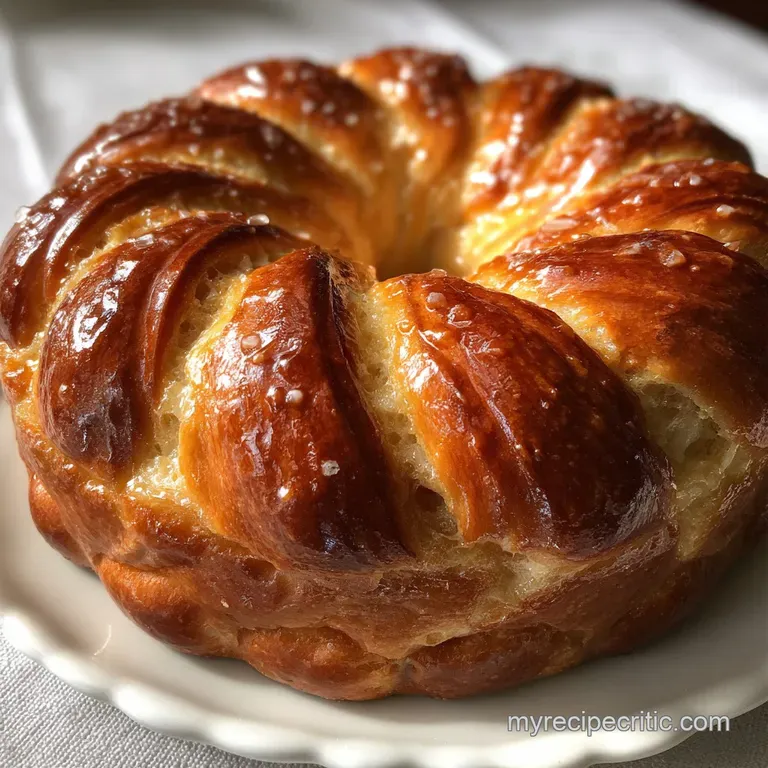
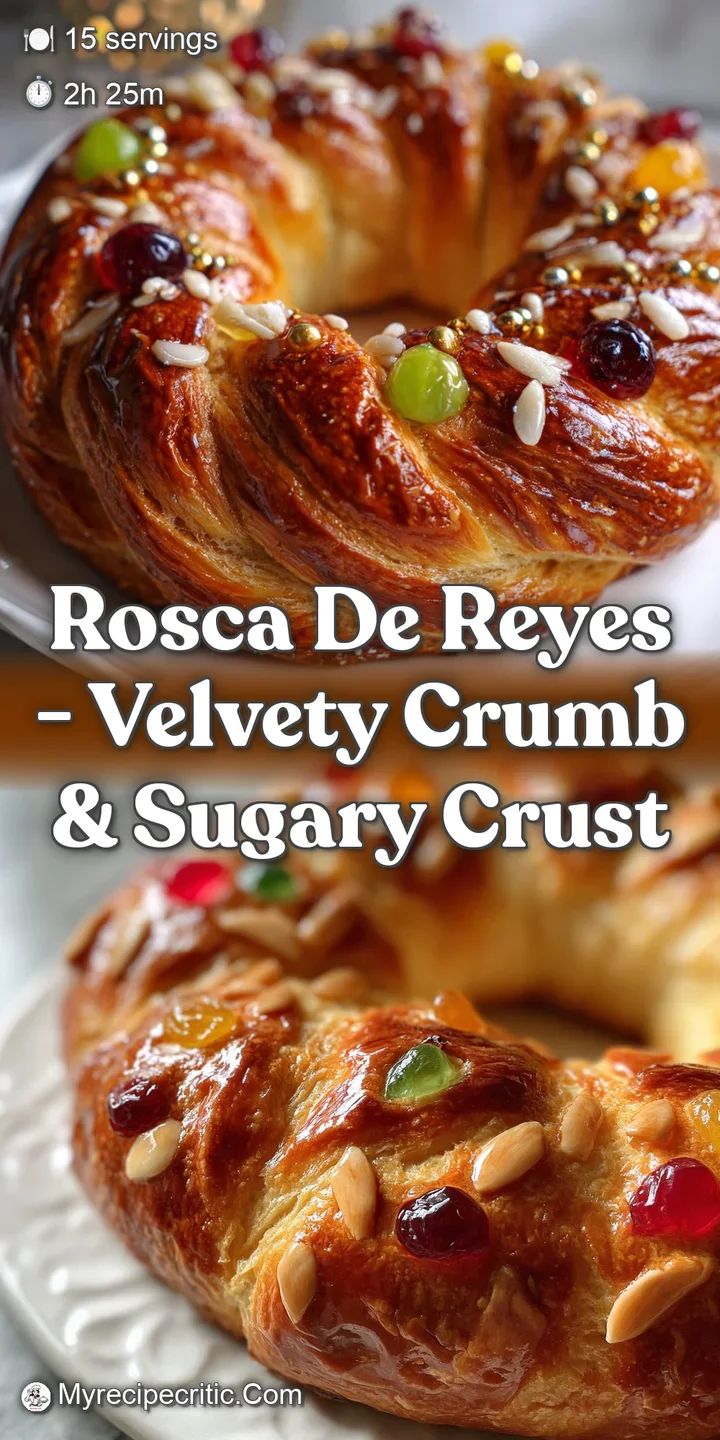
- Time: Active 45 minutes, Passive 1 hour 40 mins, Total 2 hours 25 mins
- Flavor/Texture Hook: Pillowy, buttery crumb with a sandy, sweet sugar crust
- Perfect for: Three Kings Day celebrations, weekend brunch, or large family gatherings
- The Science of Why it Works
- Essential Recipe Measurements and Timing
- Picking Your Best Dough Elements
- Essential Tools for Brioche Baking
- Mastering the Dough and Shape
- Fixing Common Sweet Bread Issues
- Flavor Twists for Your Crown
- Saving Leftovers and Reducing Waste
- Traditional Serving Suggestions
- Troubleshooting Dough and Topping Textures
- Recipe FAQs
- 📝 Recipe Card
The kitchen smells like a dream right now, and honestly, it is all thanks to a mountain of fresh orange zest and warm milk. If you have ever been around for a Mexican Epiphany celebration, you know that the aroma of a fresh rosca de reyes is basically the unofficial scent of January.
It is that specific mix of yeasty, sweet bread and the floral punch of citrus that makes you want to tear off a piece before it even cools.
I remember the first time I tried making this. I was so worried about the dough being too sticky that I kept adding flour, and I ended up with something closer to a giant bagel than a soft, airy crown. It was a total brick.
But after a few years of messing it up and finally figuring out how the butter interacts with the yeast, I have realized that the "stickiness" is actually your best friend.
This recipe is about patience and getting your hands a little messy. We are making a rich, egg heavy dough that feels like a cloud once it hits the oven. Whether you are doing this for the tradition of the hidden "Niño Dios" figurines or you just want a spectacular centerpiece for brunch, I have got you covered on the tricks that actually work.
The Science of Why it Works
- Lipid Barrier: The 135g unsalted butter coats the flour proteins, which physically limits the length of gluten strands for a tender, melt in-mouth texture rather than a chewy one.
- Enzymatic Activation: Warming the 120ml whole milk to exactly 110°F provides the thermal energy required for the 11g instant yeast to metabolize sugars, releasing carbon dioxide for a significant rise.
- Maillard Reaction: The combination of eggs and sugar in the dough reacts with the oven heat to create that deep golden brown exterior while keeping the inside moist.
- Sucrose Softening: Sugar is hygroscopic, meaning it holds onto moisture during the bake, preventing the 500g all purpose flour from drying out into a hard crust.
Essential Recipe Measurements and Timing
| Ingredient | Science Role | Pro Secret |
|---|---|---|
| 135g Unsalted Butter | Fat tenderizer | Use softened, not melted, to keep the emulsion stable |
| 11g Instant Yeast | Leavening agent | Mix with sugar first to jumpstart the fermentation |
| 2 tbsp Orange Zest | Aromatic oil source | Rub into the sugar to release the essential oils |
| 3 Large Eggs | Structure & Color | Use room temperature eggs so they don't curdle the butter |
Picking Your Best Dough Elements
To get that bakery quality result, we need to be picky about what goes into the bowl. I always use King Arthur All Purpose Flour because the protein content is consistent, which is a big deal when you are trying to get a specific rise.
- 500g King Arthur All Purpose Flour Why this? Provides the perfect protein balance for a soft yet structured bread crown.
- 11g Instant Yeast Why this? It works faster than active dry and doesn't require a long blooming phase.
- 100g Granulated Sugar Why this? Adds sweetness and helps the yeast produce those lovely air bubbles.
- 5g Fine Sea Salt Why this? Tightens the gluten structure and balances the sweetness of the fruit.
- 120ml Whole Milk (warmed to 110°F) Why this? The fat in whole milk creates a much richer crumb than skim.
- 135g Unsalted Butter (softened) Why this? high-quality butter provides that unmistakable "brioche" flavor and velvety mouthfeel.
- 3 Large Eggs (room temperature) Why this? Eggs act as an emulsifier, binding the fat and water for a smooth dough.
- 1 Large Egg Yolk Why this? Extra fat from the yolk adds a deeper yellow color and richness.
- 2 tbsp Orange Zest Why this? Provides the signature floral aroma that defines a traditional rosca.
- 1 tbsp Mexican Vanilla Extract Why this? Adds a warm, woody sweetness that complements the citrus perfectly.
For the Sugar Crust & Toppings
- 100g Confectioners' Sugar (Substitute: Granulated sugar for a crunchier, less sandy texture)
- 100g All purpose Flour (Substitute: Bread flour for a slightly tougher, more stable crust)
- 100g Vegetable Shortening (Substitute: Butter, but the crust will spread more and be less white)
- 1 Large Egg + 1 tbsp water (For the egg wash)
- 150g Assorted Candied Fruit (Figs, cherries, orange peels, and quince paste/ate)
- 4 Plastic Niño Dios figurines
Essential Tools for Brioche Baking
You don't need a professional bakery, but a few specific things make this so much easier. I usually reach for my KitchenAid Stand Mixer because kneading high fat dough by hand is a serious workout. If you are doing it by hand, just be prepared for the dough to stick to everything at first.
A Nordic Ware Baker's Half Sheet is my go to for the actual baking. It distributes heat evenly so the bottom of your bread doesn't burn while the top is still pale. Also, get yourself a microplane for that orange zest. You want tiny, fine bits of zest, not big chunks of bitter white pith.
I also highly recommend a digital scale. Measuring flour by the cup is how you end up with a dry rosca. 500g is 500g, but a "cup" can vary by 20% depending on how tightly you pack it. Trust me, the scale is a life saver here.
Mastering the Dough and Shape
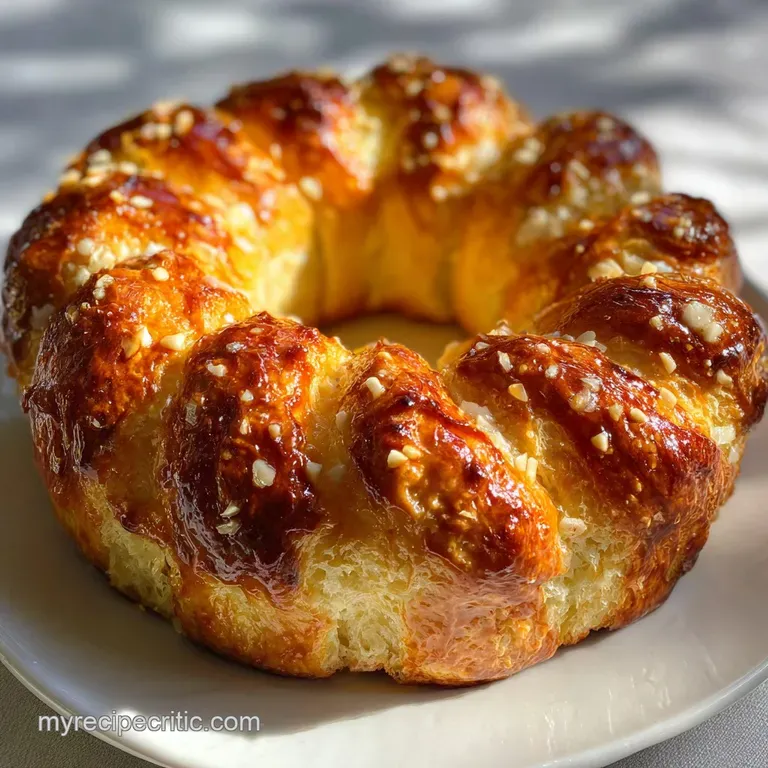
- Combine dry ingredients. Place the 500g flour, 11g yeast, 100g sugar, and 5g salt in your mixer bowl. Note: Mixing them first ensures the yeast is evenly distributed before adding liquids.
- Infuse the milk. Pour the 120ml warm milk (110°F) into the dry mix with the mixer on low. Wait until the flour looks shaggy.
- Add the aromatics. Mix in the 2 tbsp orange zest and 1 tbsp vanilla extract. Note: Adding these now ensures the scent permeates the entire dough mass.
- Incorporate eggs. Add the 3 eggs and 1 yolk one at a time. Mix until a sticky, yellow mass forms.
- Work in the butter. Add the 135g softened butter one tablespoon at a time. Note: This is the "fat loading" stage that creates the velvety texture.
- Knead the dough. Increase speed to medium and knead for 10 minutes until the dough pulls away from the sides and looks shiny.
- First rise. Cover and let rest in a warm spot for 1 hour until the dough has doubled in volume.
- Shape the crown. Punch down the dough and form it into a long log, then join the ends to create a large oval on your baking sheet. Note: Tuck the 4 figurines into the bottom of the dough at random intervals now.
- Prepare the sugar paste. Mix the 100g confectioners' sugar, 100g flour, and 100g shortening into a smooth paste. Shape into thick strips to place over the dough.
- Decorate and bake. Brush with egg wash, add the 150g candied fruits, and bake at 350°F for 25 minutes until the bread sounds hollow when tapped and the crust is golden.
Chef's Tip: To get the sugar crust looking like the ones in the "panaderias," don't overwork the shortening paste. You want it to stay thick so it stays put while the bread expands in the oven.
Fixing Common Sweet Bread Issues
The biggest hurdle with this bread is the proofing. If your kitchen is cold, the dough will just sit there like a lump of clay. I usually put mine in the oven (turned off!) with a bowl of steaming hot water on the rack below it. This creates a makeshift proofing box that keeps the yeast happy.
But what about the sogginess? If you find the area under the candied fruit is wet, it usually means the fruit had too much syrup. Pat your cherries and figs dry with a paper towel before you press them into the dough. It makes a world of difference.
Why Your Topping Is Falling Off
If the sugar strips are sliding off the sides, your egg wash might be too thick, or you put the strips on before the second rise. Always put the sugar paste on after the dough has had a chance to expand a bit on the tray, and press it down firmly so it "grips" the dough.
| Problem | Cause | Fix | Pro Tip |
|---|---|---|---|
| Dough won't rise | Milk was too hot | Use a thermometer for 110°F | Rub yeast with sugar first to check activity |
| Crust is too dark | Too much sugar in egg wash | Use 1 tbsp water to thin the egg | Tent with foil halfway through baking |
| Dry, crumbly bread | Too much flour | Use a scale for 500g exactly | Don't skip the extra egg yolk |
Flavor Twists for Your Crown
- The Chocolate Hazelnut Twist: Swirl Nutella into the dough log before shaping it into an oval. It adds a rich, gooey contrast to the citrus notes.
- The Cream Cheese Filling: Slice the log lengthwise and pipe in a mixture of cream cheese and sugar before sealing. This creates a "Rosca Rellena" which is incredibly popular in Mexico City.
- The Tropical Variation: Use dried mango and pineapple instead of the traditional quince paste for a brighter, tarter flavor profile.
Saving Leftovers and Reducing Waste
Store your leftovers in an airtight container at room temperature for up to 4 days. If it starts to feel a bit dry, that is actually a good thing. Dry rosca makes the best French toast you will ever have in your life.
The eggs and butter in the dough soak up the custard beautifully, and the candied fruit gets slightly caramelized in the pan.
For long term storage, you can freeze slices of the rosca for up to 2 months. I wrap them individually in plastic wrap and then put them in a heavy duty freezer bag. When you're ready for a snack, just pop a slice in the toaster oven.
Zero Waste Tip: Don't throw away the citrus peels! If you have leftover orange rinds from zesting, you can simmer them in sugar water to make your own candied peels for the next batch.
Traditional Serving Suggestions
You cannot eat this without a cup of Mexican hot chocolate. The kind with cinnamon and a bit of graininess from the sugar is the perfect partner. The bread is designed for dipping. The sandy sugar crust absorbs the chocolate, and the buttery crumb softens just enough to melt in your mouth.
If you aren't a fan of hot chocolate, a strong café de olla (coffee brewed with piloncillo and cinnamon) is a fantastic alternative. The bitterness of the coffee cuts through the richness of the brioche beautifully.
Troubleshooting Dough and Topping Textures
One mistake I once made was using cold butter. It didn't incorporate, and I ended up with little greasy pockets in my bread. Always make sure your butter is "pliable" meaning you can press your finger into it and leave a dent, but it isn't shiny or melting.
Using the Stovetop vs Oven for Reheating
| Method | Result | Best For |
|---|---|---|
| Oven (300°F) | Softens the entire crumb evenly | Large sections or whole loaves |
| Stovetop (Skillet) | Crisps the edges and melts the sugar | Single slices (buttery and toasted) |
- If you want a softer crust, place a pan of water on the bottom rack of the oven while baking to create steam.
- If you want a whiter sugar topping, ensure you use vegetable shortening rather than butter for the paste.
- If you want a more aromatic bread, rub the orange zest into the 100g of granulated sugar with your fingers before adding it to the flour.
The "Niño Dios" figurines are the heart of the tradition. If you find one in your slice, you are technically the "godparent" of Jesus for the year and have to host the party on February 2nd (Día de la Candelaria), which usually means buying tamales for everyone.
So, when you're tucking those 4 plastic figurines into the dough, make sure you hide them well!
The history of the rosca de reyes is tied to the journey of the Three Wise Men. The oval shape represents the crown of a King, and the candied fruits are meant to look like the jewels on that crown. Knowing that adds a little bit of magic to the process, doesn't it? It isn't just bread, it is a story.
Honestly, don't even bother with low-fat substitutions here. The joy of a rosca is in the fat. The butter, the eggs, and the whole milk work together to create a texture that you just can't get with applesauce or skim milk. Trust me on this one, go for the full fat version and just enjoy every single buttery bite.
Happy baking, and good luck not being the one who finds the figurine! Unless you really love making tamales, of course. Let me know how the crumb turns out, I'm betting it'll be the most velvety thing you've made all winter.
Recipe FAQs
How to make Rosca de Reyes from scratch?
Yes, start with rich brioche dough. Combine flour, yeast, sugar, milk, eggs, and room temperature butter, kneading until smooth and elastic.
How to make Rosca de Reyes bread?
Use high fat ingredients and patience during kneading. The high butter and egg content creates a tender, pillowy crumb characteristic of true brioche.
How to make Rosca de Reyes cake?
No, Rosca de Reyes is a sweet, yeasted bread, not a cake. It relies on yeast for its rise, resulting in a light, pull apart texture rather than a dense cake crumb.
How to make Rosca de Reyes frosting?
Use a simple sugar paste, not a traditional frosting. Mix confectioners' sugar, flour, and shortening until it forms a workable, crumbly paste to decorate the top before baking.
What is the ideal milk temperature for the dough?
Warm the whole milk to exactly 110°F. This thermal energy activates the instant yeast without killing it, ensuring a strong and rapid rise.
How do you ensure the citrus flavor is prominent?
Rub the orange zest directly into the granulated sugar. This friction releases the essential oils from the zest, allowing them to integrate deeply into the dough.
What is the purpose of the hidden figurines?
They determine the next party host for Día de la Candelaria. Traditionally, the person who finds the small "Niño Dios" figurine must host a tamale gathering on February 2nd.
Authentic Rosca De Reyes Recipe
Ingredients:
Instructions:
Nutrition Facts:
| Calories | 382 kcal |
|---|---|
| Protein | 6.5 g |
| Fat | 16.1 g |
| Carbs | 51.8 g |
| Fiber | 1.4 g |
| Sugar | 21.6 g |
| Sodium | 147 mg |
