Chicken Gyro Authentic Lemon Oregano Recipe with Homemade Tzatziki
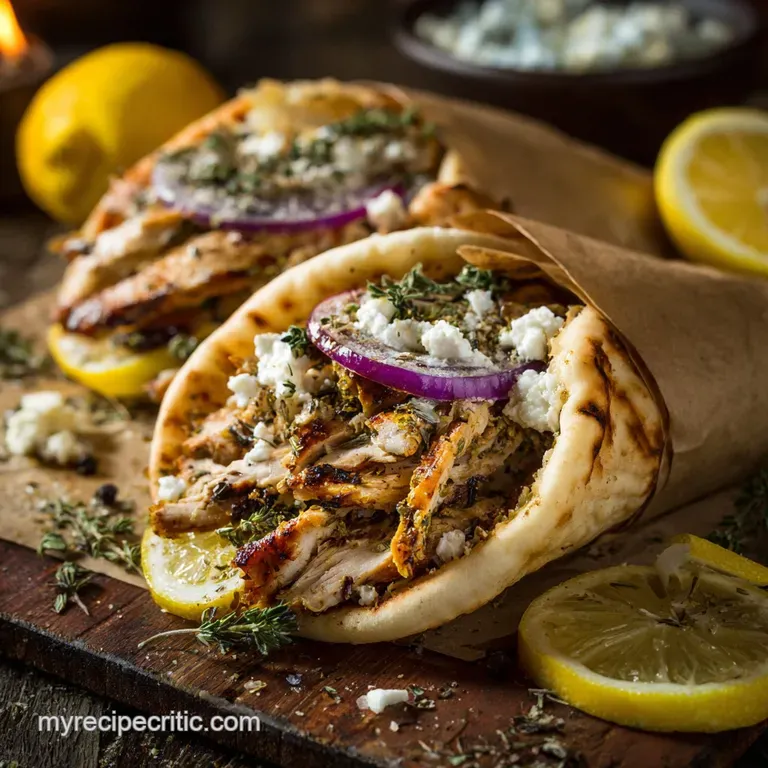
- The Secret to Truly Authentic Greek Chicken Gyro Flavor
- Gathering Your Mediterranean Essential Building Blocks
- Mastering the Marinade: Prep Steps for Maximum Flavor Penetration
- The Stovetop Sear: Cooking Your Lemon Oregano Chicken Gyro Meat
- Expert Troubleshooting and Chef’s Notes
- Recipe FAQs
- 📝 Recipe Card
The Secret to Truly Authentic Greek Chicken Gyro Flavor
Let’s be honest. When you crave a Chicken Gyro, you aren't craving sad, dry chicken chunks sprinkled with dried herbs. You want that vibrant, deeply savory, juicy meat loaded with tang, the kind of meal that instantly transports you somewhere sunny.
I spent years trying to make this at home, and I kept failing because I was using cubed chicken and the wrong spices. It wasn't until I started treating the meat less like chicken breast for a stir and fry and more like actual shaved gyro meat that the magic happened.
The real secret? It’s not about the fancy equipment. It’s about maximum surface area, high and impact flavour absorption, and seriously high heat. If you skip any of those steps, you end up with Souvlaki, which is great, but it’s not the glorious, messy Chicken Gyro we’re hunting for today.
Ditching the Rotisserie: Achieving Restaurant Quality At Home
Look, most of us don't have a vertical spit standing sentinel in our kitchen. We need a hack that delivers that crispy, caramelized edge while keeping the inside beautifully moist. The trick lies entirely in the way you prep the chicken.
You must slice your chicken (thighs are best, trust me) into thin, narrow strips, much like strips of bacon, before you marinate them. This massive increase in surface area means every sliver of meat gets coated in that beautiful lemon and oregano blend, and when it hits the hot pan, it sears in seconds.
We are looking for flash and cooking over scorching heat. A cast iron skillet is brilliant for this, holding heat like a champ.
Decoding the Gyro vs. Souvlaki Debate (and Why It Matters Here)
If you’re new to Greek food, you might think "Gyro" and "Souvlaki" are interchangeable. They are not, and this matters for the texture. Gyro (which means "turn") traditionally refers to meat cooked on a rotating vertical spit, thinly shaved off as it cooks.
Souvlaki (which means "skewer") is cubed meat cooked on a skewer, often grilled.
Why do we care? Because we’re prepping our chicken to mimic the gyro cut. By slicing the chicken thighs into thin strips before marinating, we are creating that distinct texture the kind that gets slightly crispy at the edges when seared quickly.
If you tried to make this with cubes, you’d just get generic kebab filling. It's about texture, people!
Why Marinade Time is Non and Negotiable for Tender Chicken
This is where my impatience used to ruin everything. I’d mix the marinade, leave the chicken for 15 minutes, and then complain when it wasn't flavourful enough. Here’s the deal: The oregano, garlic, and smoked paprika need time to really soak into the fat and protein.
Also, the lemon juice, which provides crucial tang, acts as a tenderizer.
Crucial Note: While lemon juice tenderizes the meat, if you use delicate chicken breast, marinating for too long (over 6 hours) can start to ‘cook’ the meat, making it tough and pale.
Because we use thighs (which are fattier and tougher to overcook), we can push the marinade time up to 24 hours. The longer, the better the flavour penetration, period. Four hours is my happy minimum.
Gathering Your Mediterranean Essential Building Blocks
Right, time to get our hands dirty. Forget complicated spice blends; Greek cuisine relies on the highest quality ingredients doing the heavy lifting.
The Power Duo: Fresh Lemon Juice and Greek Oregano
I cannot stress this enough: Use fresh lemons. The bottled stuff tastes metallic and flat, and it totally ruins the bright, sunny quality we’re aiming for in the marinade. As for the oregano, try to track down true Greek oregano .
It has a much more robust, earthy, and less minty flavour than standard supermarket varieties. I buy mine from a specialty spice shop and it makes a profound difference in this chicken gyros recipe. Seriously, it's worth the hunt.
Tzatziki Toolkit: Choosing the Right Yogurt and Cucumber Prep
Seriously, who wants watery Tzatziki ruining their perfectly toasted pita? It’s the worst. The key to a thick, creamy sauce is twofold.
- Full and Fat Greek Yogurt: This is non and negotiable. Don’t even look at the low and fat tub. We need the richness and viscosity of the full and fat version.
- Draining the Cucumber: Cucumber is 90% water. If you just grate it and throw it in, your sauce will become soup after 20 minutes. You must grate it, sprinkle it with a tiny bit of salt (which helps draw out the water), and let it drain in a sieve or a tea towel for at least 15 minutes. Then squeeze it like you mean it.
Selecting the Perfect Cut of Chicken for Slicing
I know many recipes call for chicken breast because it’s lean, but let's be realistic: that cut dries out instantly when hit with high heat. For the best, most succulent Chicken Gyro meat, grab the boneless, skinless chicken thighs.
They have enough fat content to remain juicy during the quick, intense sear we’re about to perform, and they have a richer flavour that stands up beautifully to the heavy oregano and lemon. If you absolutely insist on breast, slice it thinner and watch your cook time like a hawk.
Related Recipes Worth Trying
- Crockpot Chicken Spaghetti UltraCreamy DumpandGo Comfort — This Crockpot Chicken Spaghetti recipe delivers maximum flavor with minimal effort Tender chicken is cooked in a luxurious sauce featuring cream cheese and...
- Chicken Gyros Recipe Authentic AthenianStyle with Tzatziki Sauce — Master our authentic Chicken Gyros recipe Learn the secret to the best Chicken Gyros Marinade and refreshingly tangy Homemade Chicken Gyros Tzatziki Sauce...
- Chicken Broccoli Casserole Ultimate Recipe with Velvety Cheddar Sauce — This homemade Chicken Broccoli Casserole is a true showstopper Forget the canned soup our creamy rich sauce binds tender chicken broccoli and rice perfectly
Mastering the Marinade: Prep Steps for Maximum Flavor Penetration
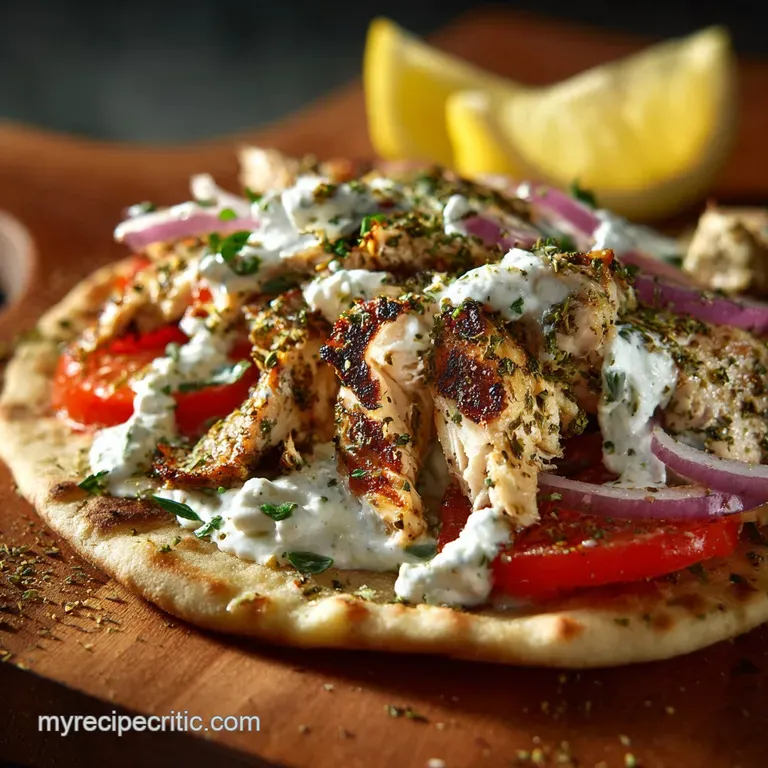
This part is simple, but we need to do it in the right order.
- The Slice: Get those chicken thighs sliced thinly aim for strips about the width of your index finger and perhaps half the thickness. This shape is crucial for achieving that "shaved" texture.
- The Bloom: In your bowl or Ziploc bag, whisk together the olive oil, lemon juice, and all the dry seasonings (oregano, paprika, garlic, onion powder, salt). Giving the dry spices a minute to absorb the oil helps them "bloom" or release their flavor compounds before they hit the meat.
- The Soak: Toss the sliced chicken in the marinade. Use your hands, really get in there and massage the mixture into every single piece. Seal it up and pop it into the fridge. Now we wait. Minimum 30 minutes if you’re starving, but seriously, shoot for four hours or overnight.
The Stovetop Sear: Cooking Your Lemon Oregano Chicken Gyro Meat
The Art of Thin Slicing: Preparing the Chicken for Grilling
We’ve already done the slicing, which is great. Before you cook, take the chicken out of the fridge about 15 minutes ahead of time. Cooking cold meat is a mistake; it drops the pan temperature too fast, causing steaming, not searing. We want that chicken to be ready for the heat.
Whisking Up the Tzatziki: Tips for a Thick, Creamy Base
Assuming your Tzatziki is already mixed and chilling, here are a few final notes to ensure perfection:
- Taste Test: Right before serving, give it a final taste. Does it need a tiny bit more lemon juice for zing? More salt to pop the flavours? Adjust now.
- Keep it Cold: Tzatziki should be noticeably cold when served. The contrast between the cold sauce and the hot meat is wonderful.
- Dilution Warning: Don’t try to make it the day before unless you have properly drained the cucumber. Even then, sometimes overnight chilling can release residual moisture. If that happens, stir in a spoonful of extra yogurt right before serving to re and thicken it.
Achieving Maximum Caramelization Without Drying Out the Meat
This is the fastest cooking you’ll do all week.
- Heat your skillet (cast iron is best) over medium and high heat until it’s nearly smoking. If you add all the chicken at once, the temperature will plummet, and the chicken will stew in its own juices. We don't want that.
- Batch Cook: Cook the chicken in small batches (about one quarter of the total amount per batch). This allows the high heat to remain constant.
- Sear hard for 3– 4 minutes, flipping often, until those lovely caramelized edges appear. You are looking for a deep golden and brown char.
- As soon as a batch is done, immediately remove it to a cutting board. Don't leave it in the hot pan. Cover it loosely with foil. Repeat until all the chicken is cooked.
Warming and Pliable: Heating Your Pita Bread Correctly
A dry, crumbly pita is a disaster waiting to happen. We want soft, chewy, pliable flatbreads that can handle being stuffed and rolled.
If you have a gas stovetop, the quickest way is to place the pita directly over a low flame for about 20 seconds per side it gets lightly charred and puffed up instantly. If not, use the same hot pan you cooked the chicken in (wipe out excess fat first).
Brush the pitas lightly with olive oil and heat until soft and warm, about 30 seconds per side.
Expert Troubleshooting and Chef’s Notes
Serving Suggestions: The Ultimate Assembly Guide
The order in which you assemble your Chicken Gyro is surprisingly important for two reasons: structure and moisture control.
| Assembly Layer | Purpose |
|---|---|
| Pita Bread (Warm) | The edible vessel. |
| Tzatziki (Thick layer) | Acts as a moisture barrier against the veggies and meat juices. |
| Chicken Gyro Meat (Hot) | The star. Pile it high! |
| Tomatoes & Onions | Added next for fresh crunch and acidity. |
| Lettuce | Added last so it doesn't get squished at the bottom. |
Don’t be shy with the Tzatziki it’s the glue that holds the whole delicious thing together.
Meal Prep Strategy: Making This Chicken Gyro Recipe Ahead of Time
This is a fantastic meal prep component, provided you keep the pieces separate.
- Tzatziki: Best made 12– 24 hours ahead. Stays perfect for 3 4 days in the fridge.
- Marinated Chicken: Can be marinated up to 24 hours ahead. Cook as needed.
- Assembled Gyros: Do NOT assemble these ahead of time. The Tzatziki, tomatoes, and meat juices will soak the pita, and you'll end up with a soggy mess by lunchtime. Cook the meat, store it separately, and assemble right before eating.
Safe Storage and Reheating Guidelines
Store the leftover cooked chicken and the chopped vegetables separately in airtight containers in the refrigerator for up to 3 days.
To reheat the chicken without turning it into jerky, skip the microwave. Place the chicken strips back in a skillet over low and medium heat with a tablespoon of water or chicken broth, cover the pan, and let it gently steam until heated through (3– 5 minutes).
This keeps the moisture locked in and preserves the texture we worked so hard to achieve!

Recipe FAQs
Do I really need to marinate the chicken for hours for these Chicken Gyros, or can I rush it?
While 30 minutes gets the job done in a pinch, letting the chicken soak overnight is a game changer. That long rest allows the lemon and oregano to truly permeate the meat, giving you deep, proper Greek flavour without needing a vertical rotisserie.
My homemade Tzatziki always comes out watery. What's the trick to getting it thick and creamy like the restaurants do?
The secret is the Great Cucumber Squeeze! You must grate the cucumber, lightly salt it, and then firmly squeeze out every drop of excess water (using a tea towel or cheesecloth) before mixing it into the Greek yogurt.
I only have chicken breast at home. Will that work as a substitute for the thighs?
It will certainly work, but proceed with caution since breast meat is much leaner, slice it very thin and cook it quickly over high heat in small batches to avoid losing moisture and turning it tough.
I'm cooking for a crowd this weekend. Which bits of the Chicken Gyro recipe can I prepare in advance?
The Tzatziki is actually better made 1 2 days ahead as the flavours deepen wonderfully, and the chicken is ideal if marinated overnight. Just cook the meat and warm the flatbreads right before assembly to maintain that crucial fresh texture.
How do I achieve that lovely smoky char on the chicken without using a spit or outdoor grill?
Use a scorching hot pan preferably cast iron and ensure you cook the chicken in small batches, which allows the meat to sear and caramelise quickly rather than steaming in its own juices.
Authentic Lemon Oregano Chicken Gyros
Ingredients:
Instructions:
Nutrition Facts:
| Calories | 134 kcal |
|---|---|
| Protein | 1.0 g |
| Fat | 14.0 g |
| Carbs | 2.0 g |
