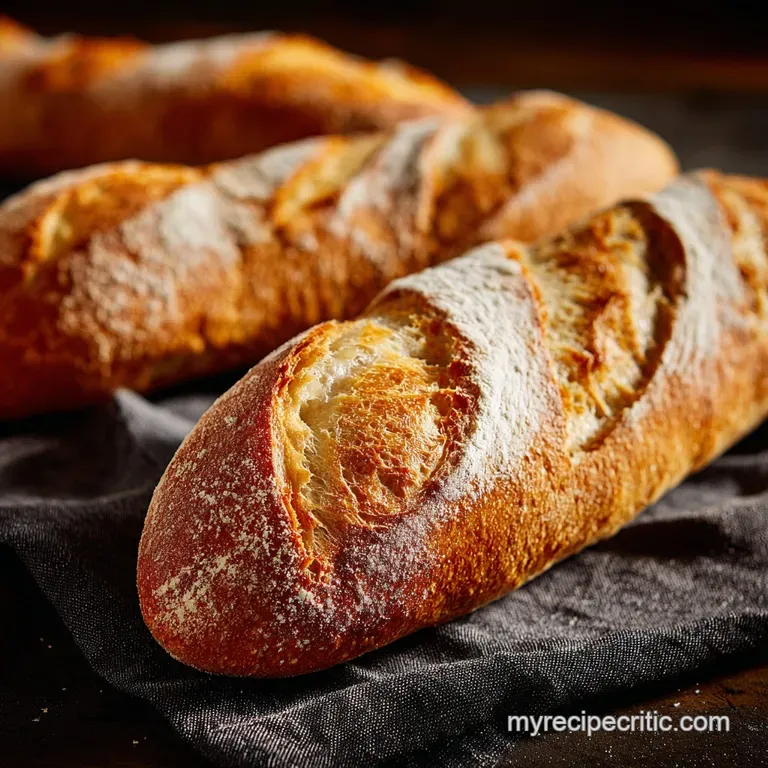
The Artisan Baguette Mastering the Perfect Crust and Crumb
- Why Traditional French Bread Needs Time
- The Four Pillars of Authentic Baguette Dough
- Essential Gear for the Home Baguette Baker
- Folding Techniques for Structure and Strength
- From Dough to Loaf: Masterful Shaping and Scoring
- Troubleshooting Your Bake: Common Pitfalls Experienced Bakers Avoid
- Recipe FAQs
- 📝 Recipe Card
Why Traditional French Bread Needs Time
The best Artisan Baguette is not a rushed product; it is the culmination of time and natural biochemical processes. Allowing the dough sufficient rest builds complex flavors and enhances the structure necessary for that signature open crumb.
This attention to the clock separates a standard white loaf from a truly exceptional French Bread masterpiece.
Understanding Autolyse: The Secret to Hydration
The autolyse is a simple yet crucial step in any quality french bread recipe . It involves mixing just the flour (400g) and most of the water (270g) and allowing them to rest for 30 minutes.
This rest fully hydrates the flour proteins before the salt and yeast are introduced, leading to a much smoother dough structure later.
The Role of Patience in Slow Fermentation
The bulk fermentation stage requires a long, slow rise, usually between 2.5 to 3 hours at room temperature. This slow process allows beneficial enzymes to develop sugars and organic acids, creating the deep, nutty flavor associated with high-quality bread.
Rushing this stage sacrifices the flavor complexity and overall lightness of the finished loaf.
What is "Pain Traditionnel"? Defining True French Bread
Pain traditionnel literally means "traditional bread" and refers to a loaf made using only four core ingredients: flour, water, salt, and yeast. This definition emphasizes natural processes over additives or high sugar content.
Achieving the distinct flavor and airy texture of a Classic French Baguette relies entirely on technique and patience, honoring this tradition.
The Four Pillars of Authentic Baguette Dough
Authentic French Bread requires only four simple ingredients, but their quality and precise measurement are paramount. We must rely on weight measurements using a digital scale to ensure exact ratios of flour, water, yeast, and salt.
An accurate ratio is the fundamental starting point for achieving the perfect internal structure of the french bread loaf .
The high hydration level in this recipe (75%) provides the characteristic open, irregular hole structure found in truly excellent artisan loaves. Salt controls the fermentation rate and dramatically enhances the flavor profile, which is why it is incorporated separately from the initial autolyse.
| Ingredient | Function in Dough | Weight (Metric) |
|---|---|---|
| Bread Flour | Structure and strength (gluten) | 400 g |
| Water | Hydration and dough consistency | 300 g |
| Instant Yeast | Leavening (rise) | 4 g |
| Fine Sea Salt | Flavor and structure control | 8 g |
Essential Gear for the Home Baguette Baker
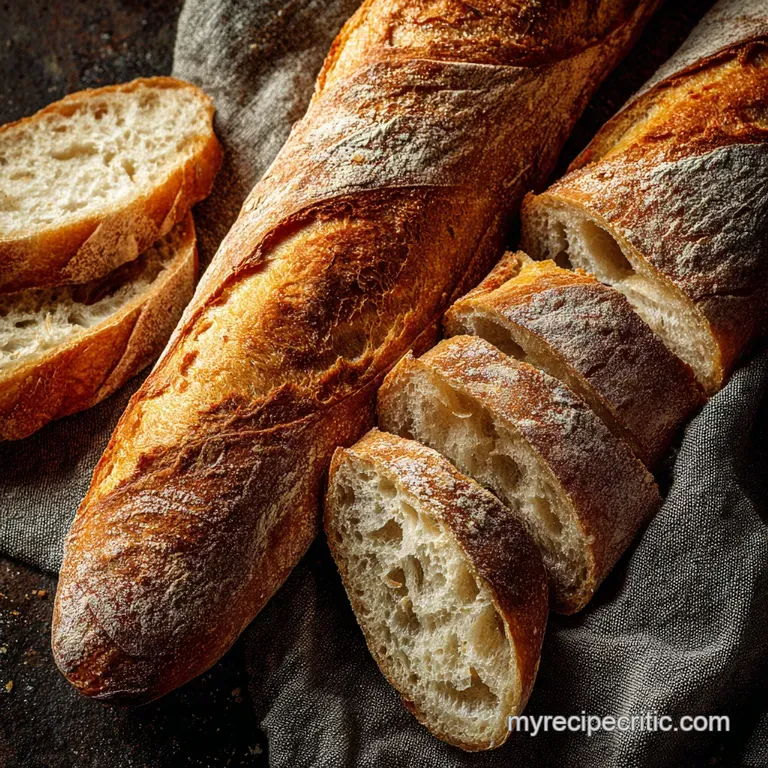
While professional bakers use highly specialized equipment, the home baker can achieve incredible results with a few key pieces of gear. Investing in the correct tools is crucial for Mastering the Perfect Crust and handling the high hydration dough effectively.
A quality digital scale is non-negotiable for accurate ingredient ratios, ensuring a successful bake every time.
Selecting the Right Flour for Superior Crumb
High protein bread flour (12 14%) is essential because it provides the necessary gluten strength. This structure is vital for trapping the fermentation gases and supporting the highly hydrated dough. All-purpose flour will produce a decent loaf, but it cannot deliver the same expansive, open crumb texture.
Sourcing the Purest Water: A Critical Detail
Tap water containing high levels of chlorine can negatively impact yeast activity and overall flavor development. Using filtered or bottled lukewarm water, ideally around 95°F (35°C), promotes optimal yeast activation.
Accurate water temperature helps regulate the fermentation speed, keeping the process predictable and reliable.
Yeast vs. Starter: Choosing Your Leavening Agent
This specific french bread recipe uses instant dry yeast (4g) for its reliability and speed. While yeast provides a quicker rise, incorporating a sourdough starter (see variations) delivers a deeper, more acidic flavor complexity.
Both options are valid, but instant yeast makes the Classic French Baguette accessible to beginners.
Must Have: The Proofing Banneton Basket
A traditional baker uses a linen cloth known as a couche for the final proofing of baguettes. However, for large round loaves, a basket called a banneton provides crucial support. These baskets prevent high hydration dough from spreading outward during the delicate final rest.
Using a Baking Stone vs. Sheet Pan
A heavy baking steel or stone is vital because it acts as a thermal mass, delivering intense, consistent heat immediately to the dough. This initial heat blast is critical for maximizing "oven spring," the final burst of rising during the first few minutes of baking.
A thin metal sheet pan cannot store or transmit heat as effectively as a stone.
Scoring Tools: Achieving the Perfect Grigne (Score)
The grigne , or the intentional slash across the dough, controls exactly where the bread expands during baking. You must use a lame (a specific baker’s razor blade tool) or a very sharp razor blade for scoring.
Dull tools will drag the sticky dough, sealing the expansion point and resulting in a less airy interior.
Related Recipes Worth Trying
- The Ultimate Buttery Brown Sugar Banana Bread Best Moist Recipe — This easy homemade banana bread uses 3 ripe bananas brown sugar and a buttery creaming method for an intensely moist loaf with deep caramel flavour The...
- The Ultimate MeltinYourMouth Cut Out Shortbread Cookies Recipe — This is the best cut out shortbread cookies recipe Guaranteed no spread thanks to our simple trick Youll get that perfect buttery meltinyourmouth texture...
- Very Moist Zucchini Bread Recipe Easy Spiced Loaf for Beginners — Our Zucchini Bread is incredibly moist and heavily spiced This Easy Homemade Zucchini Bread recipe guarantees a tender crumb perfect for afternoon tea with...
Folding Techniques for Structure and Strength
Since we only lightly mixed the dough initially, we must develop gluten strength manually through a gentle process called stretch and folding. This technique replaces aggressive kneading, keeping the dough smooth and preserving the gas pockets that create an airy crumb.
We perform three sets of folds during the first 90 minutes of bulk fermentation, spaced 30 minutes apart.
The method involves grabbing the edge of the dough, stretching it upward until slight resistance is felt, and folding it back over the center. Rotating the bowl by a quarter turn after each fold ensures that the strength is built evenly throughout the entire mass.
Expert Tip: Always wet your hands slightly before performing stretches and folds. This prevents the sticky, high hydration dough from adhering to your fingers, allowing for a cleaner lift and fold.
From Dough to Loaf: Masterful Shaping and Scoring
The final stages of handling the dough require confidence and a delicate touch to preserve the gas created during the long fermentation period. Proper shaping is what gives the french bread loaf its signature cylindrical form and ensures maximum lift in the oven.
Even when baking an Artisan Bread In Bread Machine , the shaping technique remains essential if you are removing the dough before the final bake cycle.
The Gentle Mix: Incorporating Ingredients Fully
After the 30-minute autolyse, the yeast, salt, and remaining water are added to the shaggy dough mass. Mix this gently for about five to seven minutes by hand until the ingredients are fully incorporated and the dough starts to look cohesive.
Avoid over mixing in this stage, as the subsequent folding will handle the final gluten development.
Performing the First Stretch and Fold
Immediately after the dough is transferred to its oiled bowl for the bulk rise, prepare for the first set of stretch and folds. This initial fold establishes the foundational tension in the dough, beginning the development of structural integrity.
Repeating this movement every half hour ensures that strength is layered consistently.
Bulk Fermentation: Watching the Dough Double
The primary flavor development occurs during the bulk fermentation stage, which takes approximately 2.5 to 3 hours at room temperature. The dough needs time to visibly increase in volume, usually doubling in size, indicating yeast activity is nearing its peak.
This rise is significantly faster if using a simplified French Bread In Bread Machine method, but the flavor development will not be as complex.
Pre-Shaping the Dough Cylinders
Once the bulk fermentation is complete, gently turn the dough out and divide it into two equal portions using a bench scraper. Quickly and gently form each portion into a loose oval shape, covering them for a 20-minute bench rest.
This rest allows the gluten to relax after handling, making the final, tighter shaping much easier.
The Final Baguette Roll and Sealing Technique
The final roll is perhaps the most technical step in creating the Classic French Baguette . You must roll the dough tightly, working to create significant surface tension across the top while sealing the seam securely along the bottom.
This taut outer skin is what allows the loaf to hold its shape and expand beautifully when exposed to oven heat.
Oven Spring Mastery: Introducing Steam for the Best Crust
The oven must be preheated to 500°F (260°C) with the stone and a steam pan inside for at least 45 minutes to ensure maximum heat saturation. Right before loading the scored loaves, pour one cup of boiling water into the preheated steam pan.
This creates the necessary humid environment, which keeps the crust soft long enough to achieve maximum oven spring and contributes to Mastering the Perfect Crust .
Troubleshooting Your Bake: Common Pitfalls Experienced Bakers Avoid
Even professional bakers occasionally encounter issues, but understanding the root cause quickly saves the batch. Most problems with homemade French Bread relate either to fermentation timing or improper oven conditions.
We address these common hurdles to help you achieve consistent, high-quality results.
Why Your Crust Isn't Crunchy Enough
A lack of crunch usually means there wasn't enough steam during the initial bake phase, or the loaf was cooled too slowly. Ensure you use boiling water in your preheated steam pan and spray the oven walls upon loading the bread, maintaining that humid environment for the first eight minutes.
Always transfer the hot baguettes to a wire rack immediately to allow air circulation on all sides.
Addressing a Dense or Gummy Crumb
A heavy, dense, or gummy interior is often caused by under proofing or slicing the loaf too early before it has fully cooled. The internal temperature must reach 205 210°F (96 99°C) to fully cook the starch and set the structure.
Always let the Artisan Baguette cool completely for at least one hour before cutting into it.
Adjusting Hydration for Altitude and Climate
Humidity and altitude significantly affect how flour absorbs water, requiring minor adjustments to the standard french bread recipe . In high altitude or dry climates, you may need to increase the water slightly (by 10g 20g) to prevent the dough from becoming too stiff.
Conversely, reduce the water slightly on very humid days to avoid an unmanageably sticky dough.
Variation: Creating Sourdough French Loaves
For a complex, slightly tangy flavor profile, you can swap the instant yeast for 150g of active sourdough starter. When making a sourdough French Bread loaf , remember that the bulk fermentation will take significantly longer, often four to six hours, depending on your starter's activity level.
This method requires a deeper commitment to understanding fermentation rates.
Recommended Pairings for Fresh Baguettes
The crisp, mild flavor of a fresh baguette makes it the ideal culinary canvas. Serve slices alongside traditional French Onion Soup, where the crust holds up beautifully under grated cheese. For a simple appetizer, pair it with salted butter, thinly sliced radishes, and flaky sea salt.
How to Properly Store and Reheat Leftover Bread
Baguettes are best enjoyed within hours of baking, but if you have leftovers, store them uncut at room temperature in a paper bag (never plastic). To revive a stale French Bread loaf , briefly dampen the crust with water and reheat it in a 350°F (175°C) oven for about five to ten minutes.
This restores the crispness perfectly, making the bread taste almost freshly baked.

Recipe FAQs
Since this delicious French Bread doesn't have preservatives, what's the best way to store it to keep it fresh?
Baguettes are notoriously best eaten the day they are baked they really don't keep well, bless their hearts. If you must store it, wrap it loosely in a linen or paper bag (never plastic!) at room temperature, and plan to refresh it the next day by spritzing it lightly with water and baking for five minutes at 350°F (175°C).
I tried my best, but my crust isn't crackling like yours it's just a bit chewy. What gives?
Ah, the holy grail of the crust! The secret weapon is steam: ensure your oven stone is piping hot and you use a pan with boiling water to generate a proper sauna effect. Without this intense, moist heat at the start, the crust sets too quickly and stays thin and tough rather than forming that wonderful, glass like exterior.
My loaf looks lovely on the outside, but the inside is a bit dense and gummy. Did I muck it up?
Don't panic! The main culprit is often slicing it too soon; the loaf needs a full hour of cooling on the rack to allow residual steam to finish setting the internal crumb patience is a virtue, my friend.
Also, ensure you followed the high hydration ratio and avoided over kneading, which can tighten the gluten too much.
I don't have a baker’s lame or a couche. Am I completely out of luck for achieving the perfect shape?
Not at all! For the lame (scoring blade), a brand new, very sharp razor blade taped to a chopstick works a treat for deep, clean cuts. For the couche (proofing linen), use heavy cotton tea towels or linen napkins, dusted heavily with rice flour, creating deep folds between the loaves to stop them from spreading.
Why does this 'simple' recipe take nearly five hours? Can I speed up the bulk fermentation time?
That long 3-hour bulk ferment is the engine room of flavour and texture; skipping it is like skipping the main event! The slow rise develops complex flavour compounds and the open, holey crumb structure, so for a true artisan result, you must allow the dough its time to shine.
Artisan French Bread Baguette Recipe
Ingredients:
Instructions:
Nutrition Facts:
| Calories | 8616 kcal |
|---|---|
| Protein | 29.5 g |
| Fat | 153.5 g |
| Carbs | 147.0 g |
| Fiber | 0.6 g |
| Sodium | 7 mg |
